A door in an older home rarely has a simple job. It may need to close against a settled frame, preserve original trim, improve privacy, or give a tired entry a more considered first impression. This guide to replacing doors in older homes explains how to make the upgrade without losing the character that made the property worth preserving in the first place.
The best result comes from treating the door, jamb, hardware, architrave, and surrounding wall as one assembly. A beautiful new door can still feel disappointing if it binds, leaves uneven gaps, or sits awkwardly beside original molding. Careful selection and precise installation are what turn a replacement into a lasting improvement.
Start With the Opening, Not the Door Style
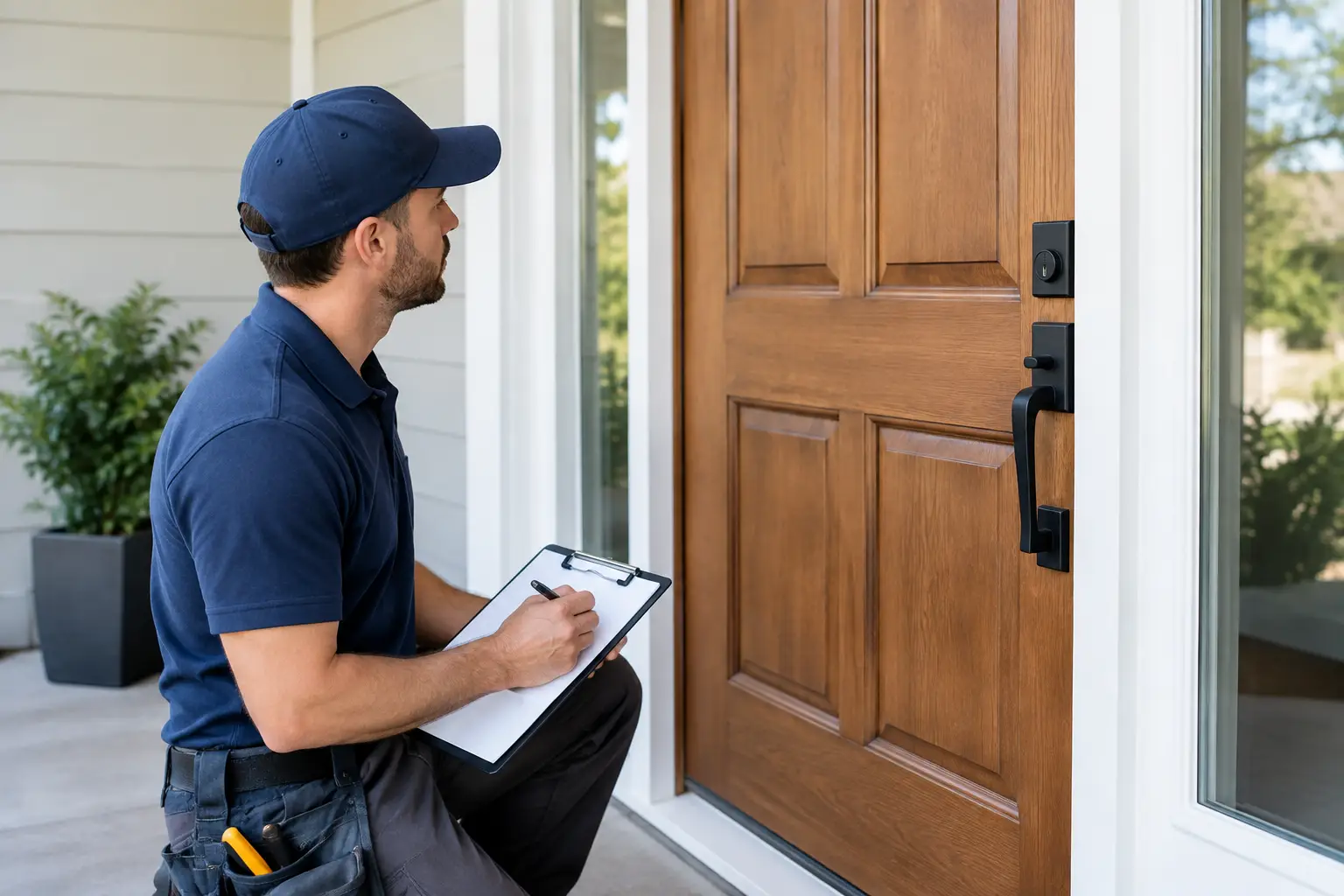
Older homes are rarely perfectly square. Foundations settle, timber moves, previous repairs alter opening sizes, and layers of paint can change clearances around the edges. Before choosing a new slab or prehung unit, measure the existing opening at several points: width at the top, center, and bottom, plus height on both sides and through the middle.
Check the frame for more than size. Look for out-of-plumb jambs, loose hinges, cracked stops, rot around exterior openings, and signs that the door has been shaved repeatedly to keep it operating. A door that drags on the floor may be the symptom of a hinge or framing issue rather than a door problem.
For a simple interior replacement where the existing jamb is sound and square enough, a new door slab can be an efficient choice. It allows you to retain original trim and often keeps the work contained. If the jamb is damaged, badly twisted, or no longer provides reliable security, replacing the full frame and door assembly is usually the better long-term decision.
Know When Original Details Should Stay
Original architraves, transoms, sidelights, and panel proportions can give an older home much of its personality. Removing them automatically is not always necessary. In many cases, a carefully sized replacement door, new hinges, and sympathetic hardware can improve daily function while keeping the architectural details intact.
That said, preservation should not mean accepting poor performance. An exterior frame with moisture damage, weak fixing, or persistent drafts deserves proper repair. The right approach balances visual continuity with dependable operation, weather protection, and security.
Choosing Doors That Suit an Older Home
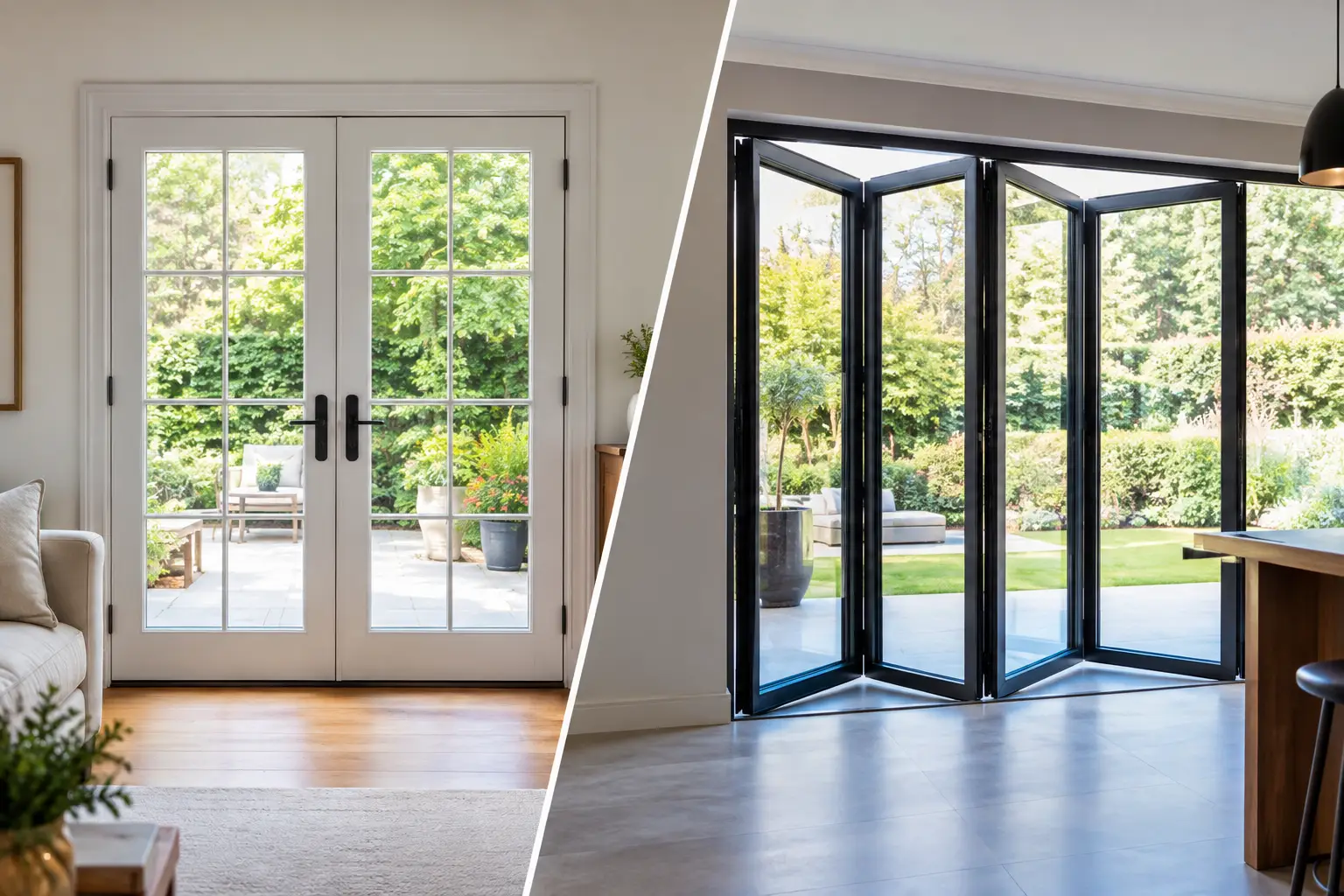
A replacement does not have to be an exact reproduction, but it should feel intentional. Consider the home’s period, room proportions, ceiling height, and existing joinery before settling on a design. A flush door may suit a modest mid-century interior, while a shaker or raised-panel profile can complement traditional rooms. French doors can bring light into formal living spaces, and glazed doors work especially well where a dark hallway needs visual connection without sacrificing separation.
For entry doors, proportion matters as much as style. A substantial solid-core or engineered timber entrance door can create a strong focal point, while sidelights may be worth retaining or adding if the opening and façade support them. Glass should be selected with privacy, safety, and energy performance in mind, particularly where the entry faces the street or receives harsh afternoon sun.
Material selection involves practical trade-offs:
- Solid timber offers natural warmth and can be repaired or refinished, making it a strong choice for character homes. It does require a suitable finish and ongoing protection from weather.
- Engineered timber provides a stable, refined appearance with less movement than some solid timber options. It is well suited to many internal applications and protected exterior settings.
- Solid-core doors add weight, acoustic control, and a more premium feel than lightweight hollow-core doors. They are particularly valuable for bedrooms, studies, and shared living areas.
- Glass-paneled doors increase borrowed light and create a more open feel, but the glazing type and placement should match the privacy needs of the room.
The goal is not to make every door identical. A front entry has different demands from a laundry door, bedroom door, or pantry door. Consistent finishes and considered detailing will create cohesion, while each door can still perform its specific role.
A Guide to Replacing Doors in Older Homes Without Guesswork
The first major decision is whether to replace only the door leaf or the entire door system. Keeping an existing jamb may save time and preserve original trim, but it requires careful measurement and accurate hinge and lock preparation. Even small errors can result in uneven margins or a latch that will not engage cleanly.
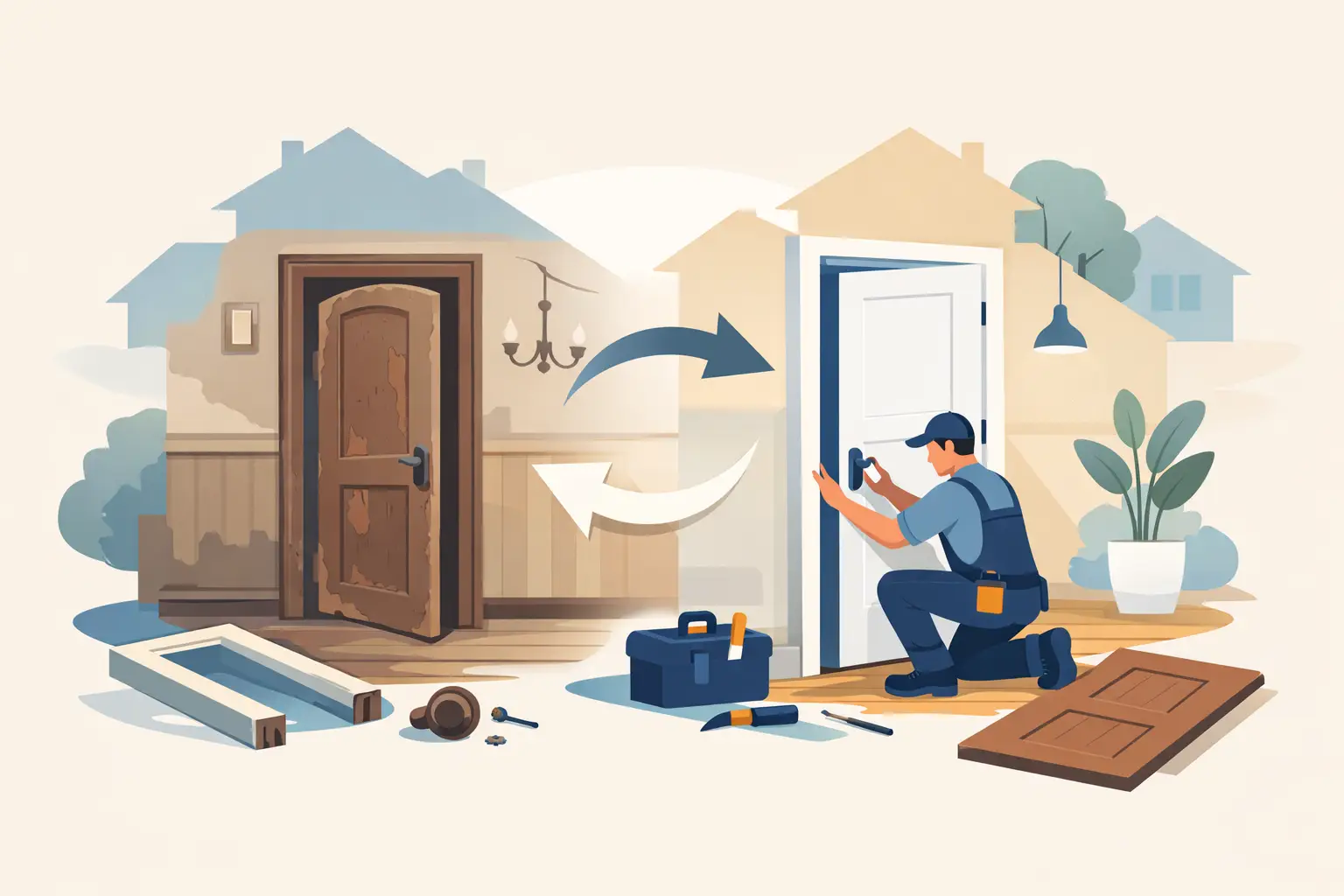
A complete replacement provides a fresh, correctly aligned frame and can be preferable for exterior doors or openings that have suffered wear and movement. It also creates the opportunity to upgrade weather seals, thresholds, locks, and surrounding architraves. The trade-off is that full replacement is more involved, especially where plaster, flooring, or historic trim needs protection and repair.
Door swing is another detail that deserves attention early. Stand in the room and consider furniture, walkways, light switches, and sightlines. A door that opens into a narrow hallway or blocks a frequently used cabinet can make an otherwise successful renovation feel awkward. In compact areas, a barn door, bifold system, or pocket door may be appropriate, although each has different acoustic and privacy limitations.
Do Not Treat Hardware as an Afterthought
Hardware has a disproportionate effect on how a door feels and functions. Older doors often have worn hinges, loose strike plates, or latches that no longer align because the frame has shifted. New hinges and a correctly positioned strike plate can solve many closing issues, but they need to be matched to the door’s weight.
For exterior doors, choose hardware that supports your security requirements and suits the home’s architectural language. A modern lever can look right in a renovated contemporary home, while a more traditional handle set may better complement period detailing. Finish consistency across visible doors, cabinetry, and lighting can bring the entire renovation together.
Installation Is Where Precision Pays Off
A quality door is only as good as the way it is fitted. The installer must account for floors that may not be level, walls that may not be straight, and trim that may need to be retained. The frame should be secured, plumbed, and packed correctly so the door swings freely, maintains even reveals, and latches without force.
Exterior installations require additional care. Flashing, sealing, thresholds, and weatherstripping all need to work together to manage rain and drafts. A door that looks excellent on installation day but allows water behind the frame can create expensive damage over time.
Interior work benefits from the same attention to detail. Clean lines around the jamb, neatly fitted architraves, and smooth closing action are the finishing touches people notice every day. This is also why it is worth coordinating door replacements with skirting, trim, painting, and flooring works where possible. The finished result is cleaner when these elements are planned together rather than treated as separate jobs.
Common Mistakes to Avoid
One common mistake is ordering a standard-size door based on a rough measurement. Older openings can vary enough to require a custom size, trimming allowance, or a new jamb. Another is choosing a lightweight door for a space where sound control matters. A hollow door may be economical, but it can undermine privacy in bedrooms, home offices, and media rooms.
It is also easy to focus solely on the door face and overlook the frame condition. Repainting a deteriorated jamb or fitting a new slab into a distorted opening only delays the real repair. Finally, avoid choosing an exterior door based on appearance alone. Exposure to sun, rain, and temperature changes should influence the material, finish, seal system, and installation method.
For homeowners undertaking a broader renovation, arranging a professional site measure before finalizing products can prevent costly changes later. Meriton Doors approaches this stage with the practical focus older properties require: assessing the opening, selecting a door that suits the home, and installing it with the accuracy needed for a polished, durable finish.
The right replacement door should not look like an interruption in an older home. It should feel as though it belongs there, close with quiet confidence, and make the space more secure, comfortable, and considered every time it is used.