A door that catches every time it closes is more than a small annoyance. It can scuff a new floor, damage paint, strain hinges, and make a well-finished room feel unfinished. Knowing how to repair sticking doors starts with resisting the quick fix: do not plane or sand the edge until you know exactly why the door is binding.
A sticking door may be reacting to seasonal moisture, loose hardware, settlement, a swollen jamb, or an earlier installation that was never properly adjusted. The right repair should restore a smooth, even reveal around the door while preserving its appearance, strength, and reliable operation.
Find Where the Door Is Sticking
Close the door slowly and watch the gap between the door and jamb. A consistent gap is a good sign. A tight spot tells you where to look next. If the door rubs along the top hinge side, hinges or screws are often the problem. If it catches at the top latch side, the frame may have shifted or the door may have sagged. Binding across the bottom can point to flooring changes, moisture movement, or a door that was cut too close to the floor.
A simple test can make the contact point clearer. Slide a piece of paper around the perimeter with the door nearly closed. Where the paper drags or will not pass through, there is insufficient clearance. You can also look for fresh paint wear, shiny timber, or scrape marks on the edge of the door and jamb.
Before making any adjustment, check whether the problem appeared suddenly or gradually. A door that has stuck only after heavy rain or humid weather may be expanding temporarily. A door that has become harder to close over several months deserves a closer inspection of the hinges, jamb, and surrounding wall.
Start With the Hinges and Screws
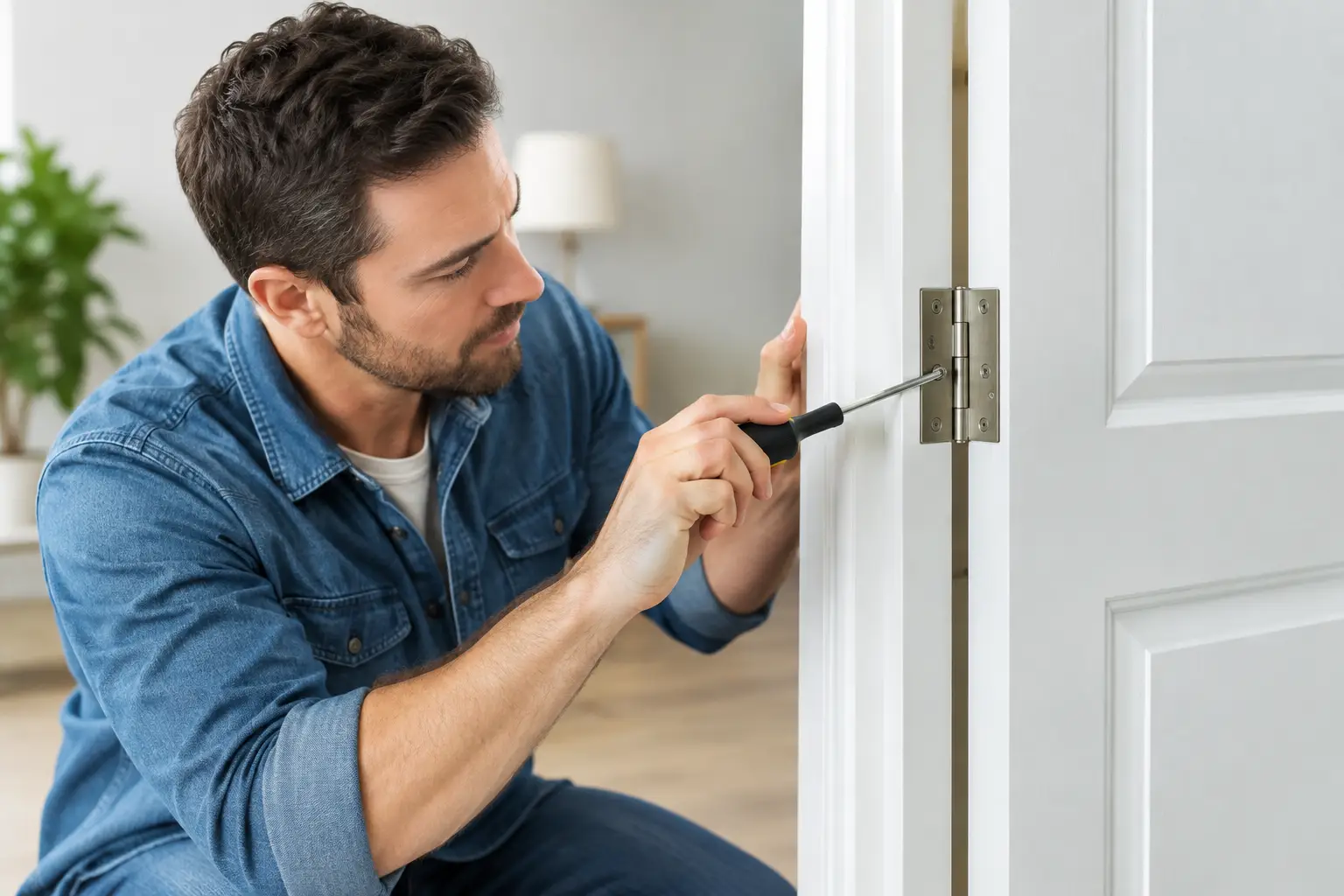
Loose hinge screws are among the most common and easiest causes of a sticking door. Open the door and support its weight if it feels noticeably low or unstable. Tighten every screw in the hinges, starting with the upper hinge. Even one loose screw can allow the door to drop enough to rub against the jamb or floor.
If a screw turns but will not tighten, the timber behind it may be worn. Replace it with a longer screw that reaches solid framing behind the jamb, provided this is appropriate for the door construction. Use a screw with a matching head and finish so it sits correctly in the hinge. Driving a long screw through the top hinge can often pull a slightly loose jamb back into alignment.
Do not overtighten screws or force a hinge leaf out of shape. If the hinge is bent, heavily painted over, corroded, or loose in several places, replacement may be more reliable than continued adjustment. Quality hinges carry the door’s weight evenly and help protect both the door edge and the jamb over time.
Check for Hinge Binding
Sometimes the door is not rubbing on the frame at all. The hinge knuckles may be clogged with old paint, dust, or corrosion. Look for uneven hinge gaps and listen for a creak or metallic scrape as the door moves. Clean the hinge carefully and apply a small amount of suitable lubricant to the pin.
Avoid using a heavy coating that attracts dust. If paint has bridged the hinge, score it carefully rather than forcing the door open and risking damage to the jamb or trim.
Consider Seasonal Swelling Before Trimming
Timber is a natural material, and it responds to changes in humidity. In homes with timber doors, a little seasonal movement is normal. Bathroom, laundry, and exterior doors are especially likely to swell because they are exposed to more moisture and temperature variation.
If the door sticks only during damp periods, give the room time to dry and improve ventilation where possible. Check for water leaks around exterior openings, wet carpet near a bathroom threshold, or poor exhaust ventilation. Trimming a door that only expands for a short period can leave an unattractive gap when conditions become drier.
Painted doors need particular attention. Paint can build up on edges after repeated decorating, reducing the clearance that was originally allowed. In that case, careful removal of excess paint may solve the issue without removing sound timber.
Plane or Sand Only the Contact Edge
When hinges are secure and the door is consistently binding in the same place, careful trimming may be the right repair. This is where precision matters. Removing too much material can create an uneven gap, expose the core of a hollow-core door, or make the door look poorly fitted.
Mark the contact area lightly with a pencil. Remove the door from its hinges and place it securely on padded supports. For a minor high spot, sanding with a sanding block may be enough. For a more substantial adjustment, use a sharp hand plane and take off very thin passes in the direction of the wood grain.
Keep checking your work. It is better to remove a small amount, rehang the door, and test it than to make one aggressive cut. The goal is not a visibly large gap. It is a consistent clearance that allows the door to move freely without rattling or catching.
After trimming, sand the edge smooth and seal it promptly. Bare timber absorbs moisture quickly, which can lead to swelling and undo the repair. Prime and paint a painted door edge, or use a compatible clear finish or stain system for a stained timber door. Match the existing finish as closely as possible, particularly on entrance doors and feature internal doors where the edge remains visible.
Look Beyond the Door When the Frame Has Moved
A sticking door is sometimes a frame problem rather than a door problem. Settlement, movement in the wall, moisture damage, or a poorly secured jamb can change the opening’s shape. Signs include cracks in nearby plaster, a jamb that appears bowed, an uneven gap along one side, or a latch that no longer lines up with its strike plate.
Adjusting the strike plate may help if the door closes smoothly but the latch will not engage. Loosen the plate, reposition it slightly, and test the latch before tightening it again. If the latch is only just missing, careful adjustment can restore a clean close.
However, do not use the strike plate to disguise a door that is forced out of position. If you have to lift, shove, or pull hard to latch the door, the underlying alignment still needs attention. A door that is binding can put unnecessary load on locks, hinges, and the frame.
Be Careful With Exterior, Fire-Rated, and Heavy Doors
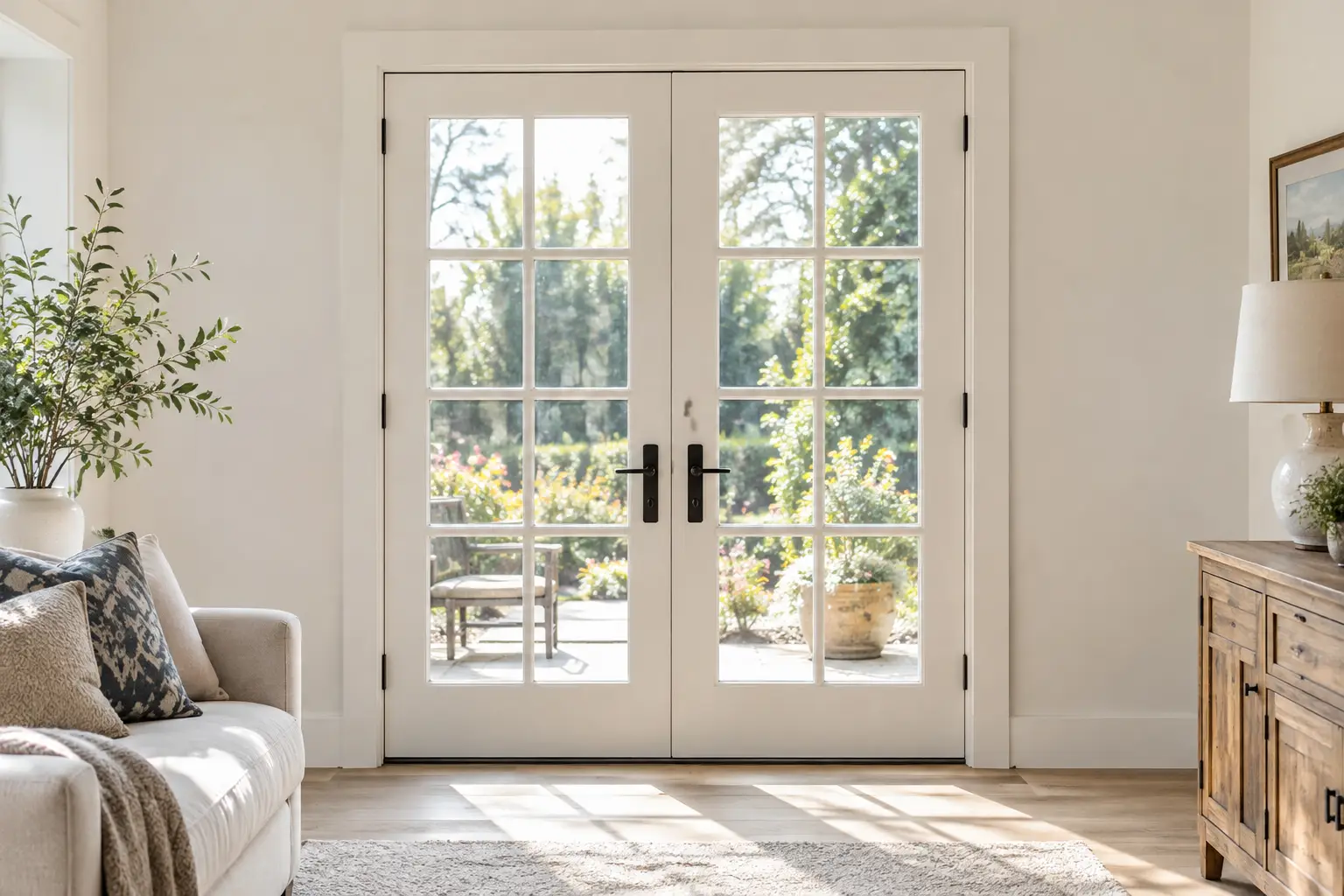
Not every sticking door is a suitable DIY project. Entrance doors, solid-core doors, French doors, and oversized doors are heavy and can be difficult to remove and rehang safely. Exterior doors also need correct weather sealing, lock alignment, and threshold clearance to maintain security and weather protection.
Fire-rated doors should not be trimmed, rehung, or fitted with different hardware without confirming the applicable requirements. Their clearances, seals, hinges, and closers all contribute to performance. Similarly, a door that has swollen from water damage may need more than a light plane and repaint. The source of moisture must be corrected before a replacement or repair will last.
For homeowners renovating in Penrith and across greater Sydney, a professional assessment can be worthwhile when several doors are sticking, a frame has visibly moved, or you are upgrading to a new door style. Proper fitting is as important as the door itself. It protects the finish, gives hardware the correct alignment, and creates the quiet, solid close people expect from quality joinery.
A Better Result Comes From a Measured Repair
The best repair is the smallest one that addresses the real cause. Tightening a hinge may solve a problem in minutes; a shifted jamb may call for more detailed adjustment. Meriton Doors approaches door fitting with that same focus on accurate clearances, dependable hardware, and a finish that looks intentional from every angle.
If a door still sticks after basic checks, stop before removing more timber. A measured inspection now can prevent an uneven reveal, damaged paintwork, or a door that needs replacing sooner than it should.
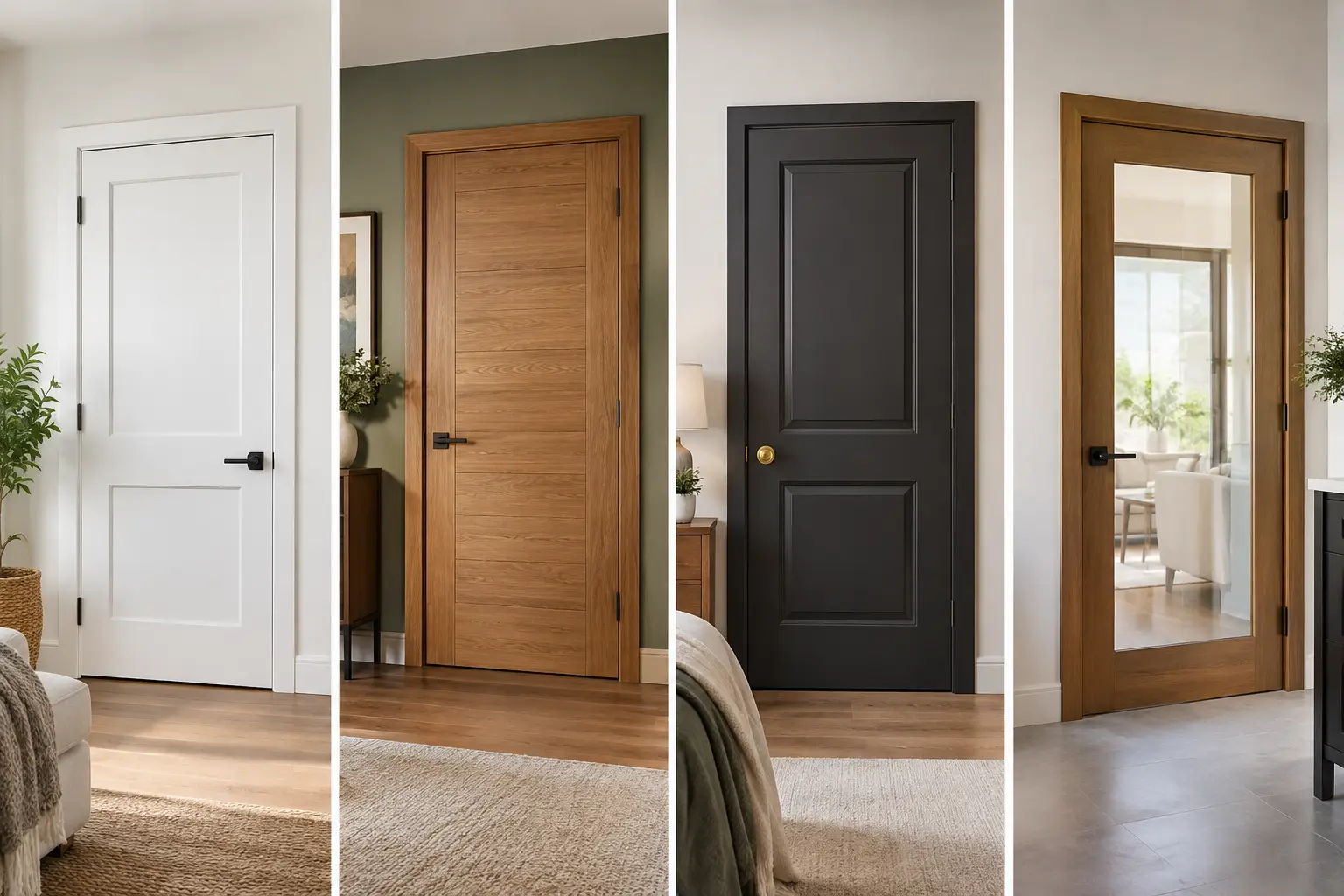
Interior Door Finishes That Suit Every Room
Compare interior door finishes for durability, maintenance, and style. Choose painted, stained, veneer, or laminate doors with confidence for your home.