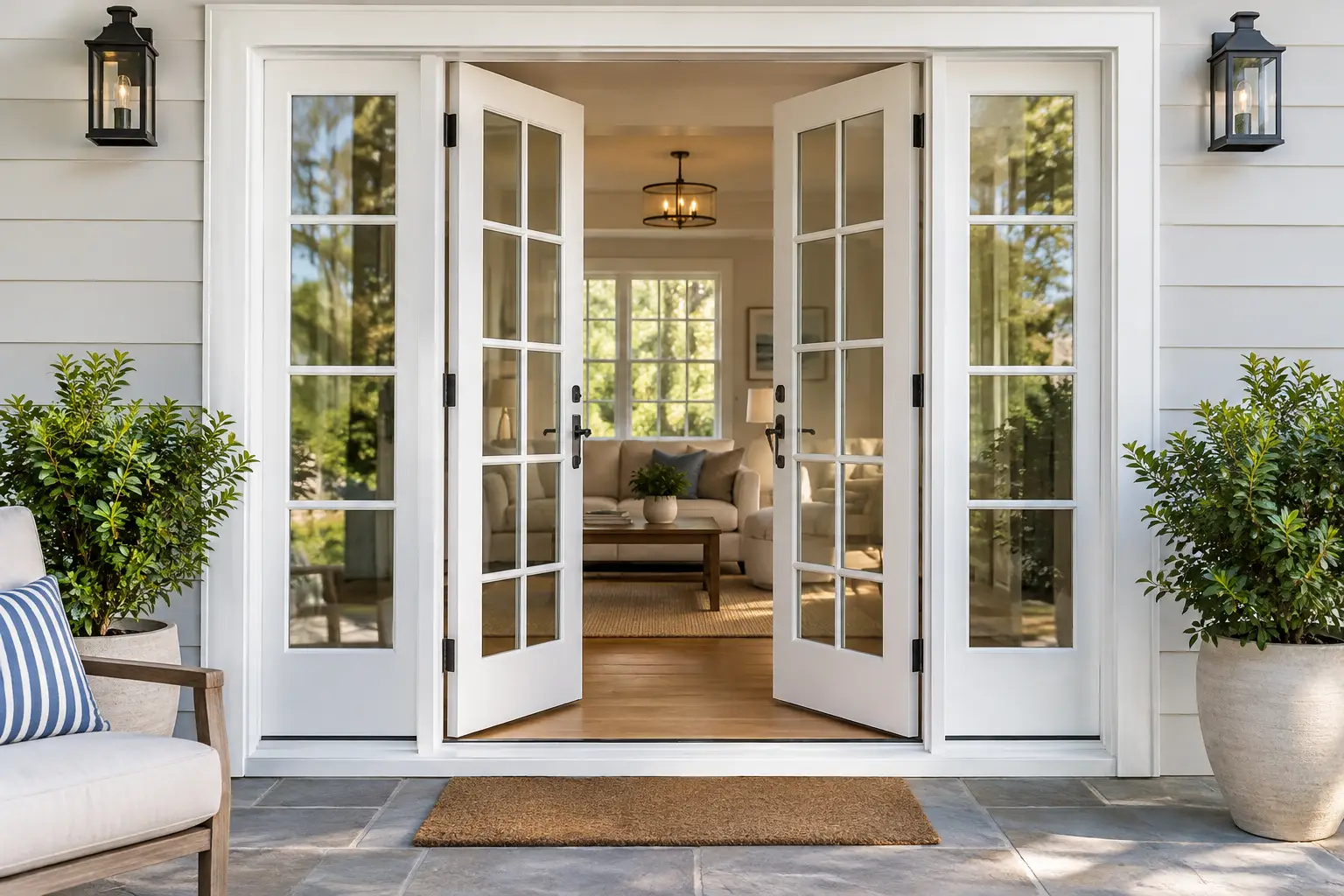
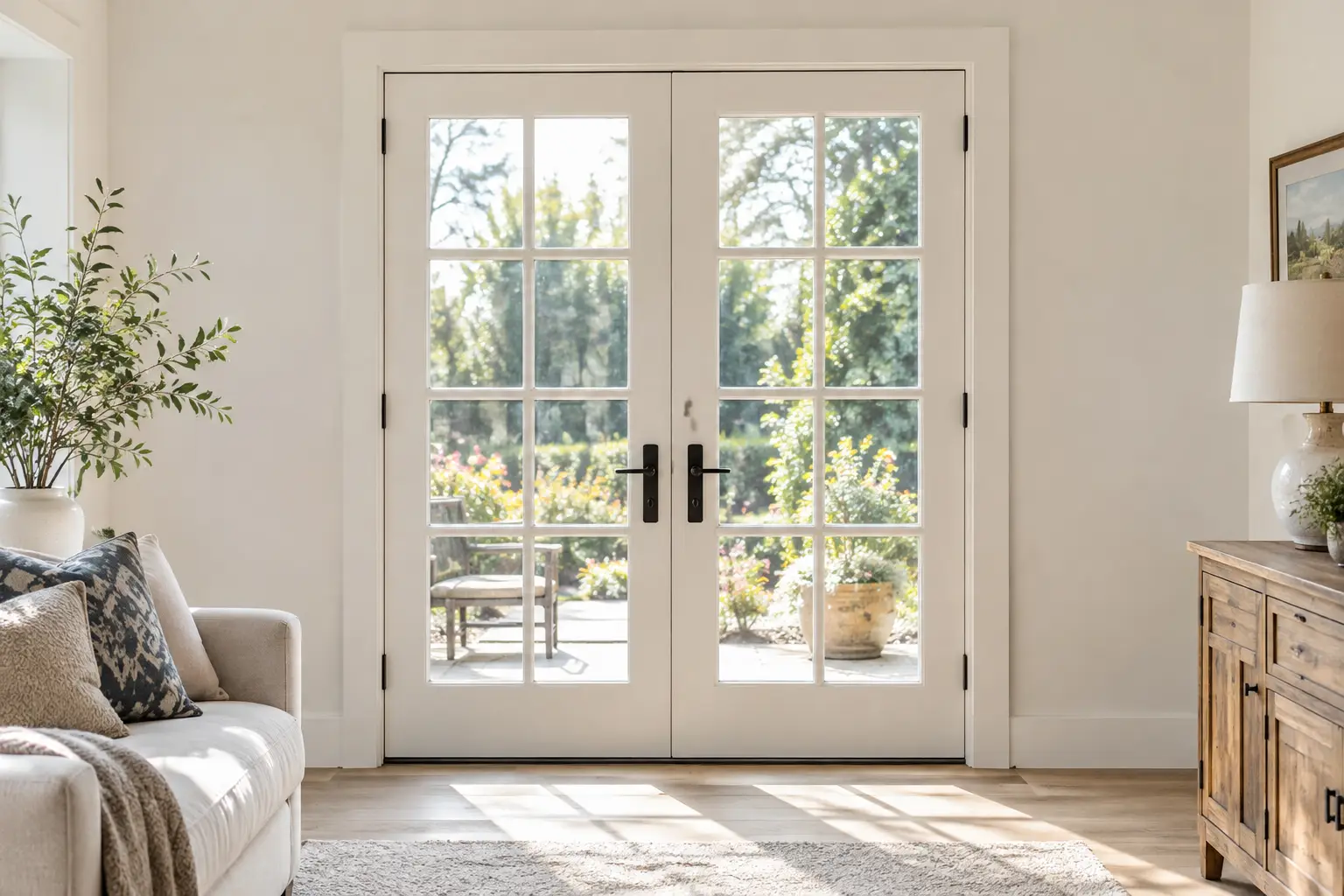
A solid wall between a living room and patio can make even a well-finished home feel closed in. French doors change that relationship. Their paired, glazed panels create a generous opening, bring daylight farther into the room, and add a level of architectural detail that a standard hinged door rarely delivers.
For homeowners planning a renovation, extension, or new build, French doors are not simply a decorative choice. The right configuration affects how a room is used, how furniture is arranged, how much privacy is retained, and how comfortably the doors perform through changing weather. A considered selection, followed by precise installation, is what turns this classic design into a durable part of the home.
Why French doors remain a considered choice
French doors have enduring appeal because they balance openness with definition. When closed, their glass panels maintain a visual connection between spaces while helping control noise, drafts, and air conditioning. When open, the two leaves create a wider and more welcoming passage than a single door.
They work particularly well where a home benefits from light but still needs rooms to feel distinct. A dining room connected to an alfresco area, a home office opening to a hallway, or a lounge divided from a formal sitting room can all benefit from this balance. The look can lean traditional with detailed timber profiles and divided lites, or more contemporary with clean rails, simple glazing, and restrained hardware.
There is also a practical property consideration. Well-proportioned doors and quality joinery give a renovation a finished, intentional feel. They do not need to be extravagant to make an impact, but they should suit the scale of the opening and the character of the home.
Start with where the doors will be used
The first decision is whether the doors will sit internally or open to the exterior. Although the visual style may be similar, the performance requirements are very different.
Interior connections
Internal French doors are ideal when the aim is to share light between rooms without removing the option to close them off. Clear glass keeps sightlines open. Frosted, fluted, or patterned glass offers more privacy for an office, bedroom, pantry, or study while still admitting daylight.
For interior use, consider the swing of each leaf before settling on a design. Doors that open into a narrow hallway or conflict with a dining table can quickly become frustrating. In some layouts, an active leaf is used every day while the second leaf remains secured until a wider opening is needed. This can be an elegant solution, provided the meeting stile, flush bolts, and hardware are fitted accurately.
Exterior openings
Exterior French doors need to do more work. They must resist weather, manage water at the sill, close securely, and suit the exposure of the elevation. A sheltered courtyard has different demands from a west-facing opening exposed to wind and afternoon sun.
For a patio, balcony, or garden connection, think beyond the doors themselves. The threshold height, drainage, flooring transition, insect screening, and available clearance for the opening leaves all influence the final result. A beautiful pair of doors can underperform if the surrounding opening, jamb, flashing, or sill detail is not properly prepared.
Choose a style that belongs in the home
French doors are versatile, but not every panel layout suits every house. The most successful choice feels connected to the architecture rather than added as an afterthought.
A heritage-inspired home may suit multiple smaller glass panes, molded profiles, and timber tones that echo existing joinery. A Hamptons-style renovation often benefits from balanced grid patterns and crisp white finishes. In a more modern home, fewer and larger glass panels can create a cleaner appearance while preserving the generous proportions that make French doors distinctive.
Matching adjacent details matters. Consider the profile of existing internal doors, the width of architraves, skirting lines, and the finish of handles and hinges. When a new opening is part of a larger renovation, coordinating these elements creates visual continuity from room to room.
Color should be chosen with the same care. White remains a dependable choice for bright interiors, while dark frames can add contrast and frame an exterior view. Natural timber can bring warmth, though it may require a maintenance commitment depending on the product and exposure. The best finish is one that suits both the design brief and the level of upkeep the household is prepared to maintain.
Glass is a performance decision, not just a design detail
Glass defines much of the character of French doors, but it also affects privacy, energy comfort, safety, and maintenance. Clear glazing provides the most daylight and the clearest view, making it a natural fit for garden-facing doors or internal rooms where openness is the priority.
Privacy glass is useful where a direct view is less desirable. Frosted or obscure options can soften a bathroom-adjacent space or home office without making the room feel shut off. Decorative glass can add personality, although more intricate designs usually suit homes with a traditional or transitional style.
For exterior applications, glazing selection should reflect the size and location of the opening. Safety glass may be required in certain areas, and insulated glazing can help improve comfort where heat gain or heat loss is a concern. Larger panes offer a more contemporary view, but they are heavier and place greater demands on hinges, frames, and installation. Smaller divided panes create detail, yet they also introduce more bars to clean.
Materials, hardware, and the details that determine longevity
A door system is only as strong as its components. The frame, jamb, hinges, locks, seals, glass, and hardware must work together. This is especially true with double doors, where even a small alignment issue can affect the way the leaves meet, latch, and seal.
Timber offers warmth, repairability, and a premium sense of craftsmanship. It is an excellent choice when the goal is a traditional look or a custom finish. However, exterior timber needs appropriate protection and ongoing care, particularly in harsh sun or wet conditions. Engineered timber and other modern door constructions can offer greater stability, depending on the product and application.
Hardware deserves close attention. Handles should feel substantial in the hand and suit the style of the doors. Hinges must be rated for the leaf weight, not merely chosen for their finish. Exterior sets should include dependable locking and weather-resistant components, while internal doors may prioritize appearance and ease of use.
Do not overlook the inactive leaf. Flush bolts should operate smoothly, and the astragal or meeting detail should close tightly without looking bulky. These small elements are rarely the first thing people notice, but they are often the difference between doors that feel refined and doors that feel troublesome after a season of use.
Get the proportions and installation right
French doors need enough width to look purposeful and operate comfortably. If the opening is too narrow, the leaves can feel cramped; if they are overly wide or tall without the right construction, weight and movement become concerns. Side panels or a transom may be a better way to increase light and visual scale while keeping the door leaves manageable.
Professional measuring is particularly valuable in older homes, where openings are not always square or walls may have shifted over time. The installer needs to account for finished floor levels, wall thickness, frame condition, clearance, and the direction each leaf will swing. For exterior doors, correct shimming, fixing, sealing, and sill treatment are essential to reliable operation and weather protection.
Installation is not the place for shortcuts. A frame that is slightly out of plumb can cause uneven gaps, sticking doors, poor locking, and premature wear on hinges. Careful fitting ensures the reveal is even, the doors close cleanly, the hardware aligns, and the surrounding trim delivers a polished finish.
A practical way to narrow your options
Begin with the purpose of the opening. Do you need more light, a wider entertaining connection, privacy between rooms, or a statement feature? Then assess the conditions: internal or external location, sun exposure, available wall space, desired swing direction, and required security.
From there, select the panel layout and material that best match the home. Keep maintenance expectations realistic, especially for exterior finishes. Finally, treat measuring and installation as part of the product decision, not an afterthought. A quality door deserves a quality fit.
For homeowners in Penrith and across greater Sydney, a specialist supplier and installer such as Meriton Doors can help bring these choices together, from selecting a style that suits the property to achieving accurate, dependable installation. The right French doors should feel natural from the first time they close: balanced in the hand, secure at the latch, and perfectly placed in the home.
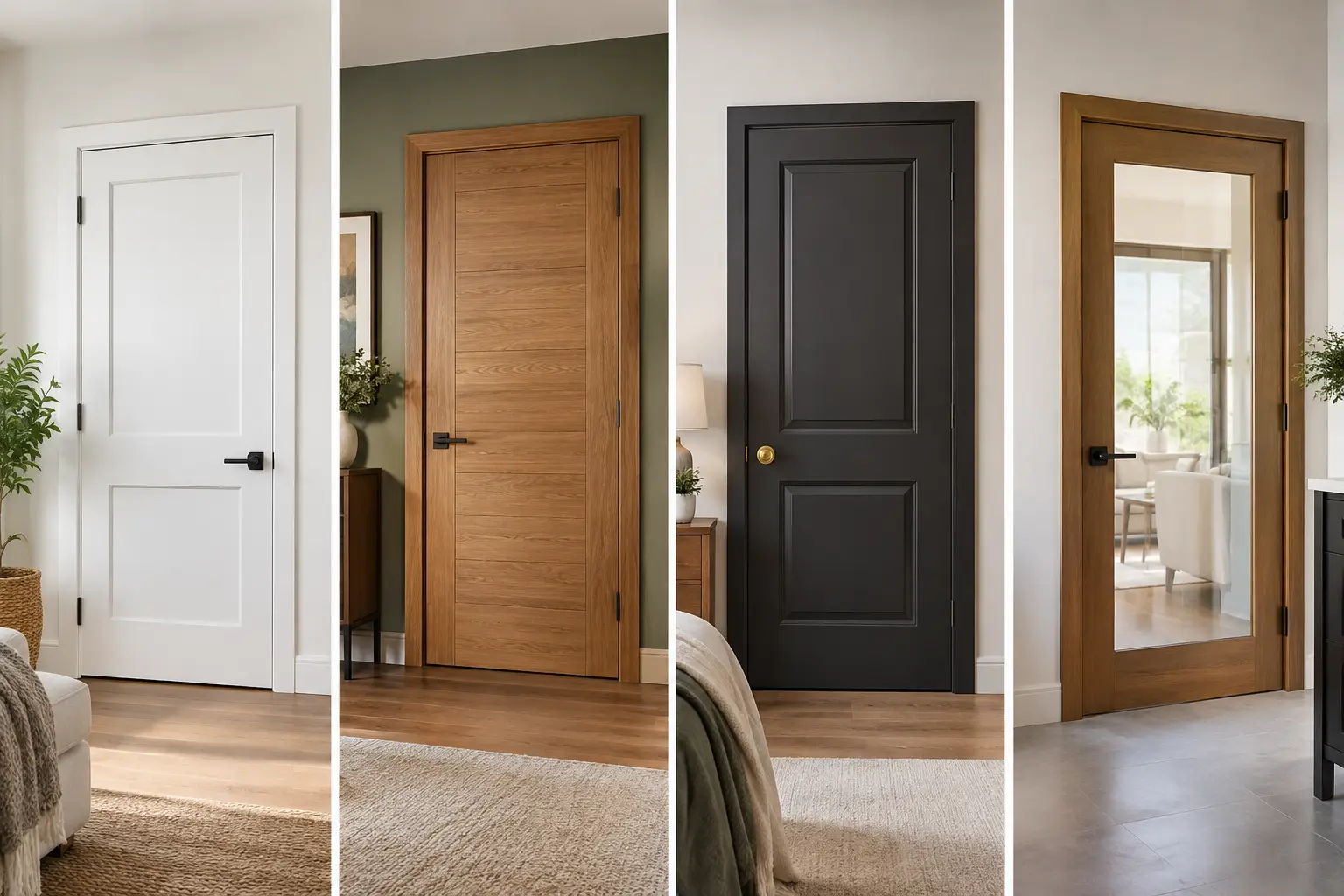
Interior Door Finishes That Suit Every Room
Compare interior door finishes for durability, maintenance, and style. Choose painted, stained, veneer, or laminate doors with confidence for your home.