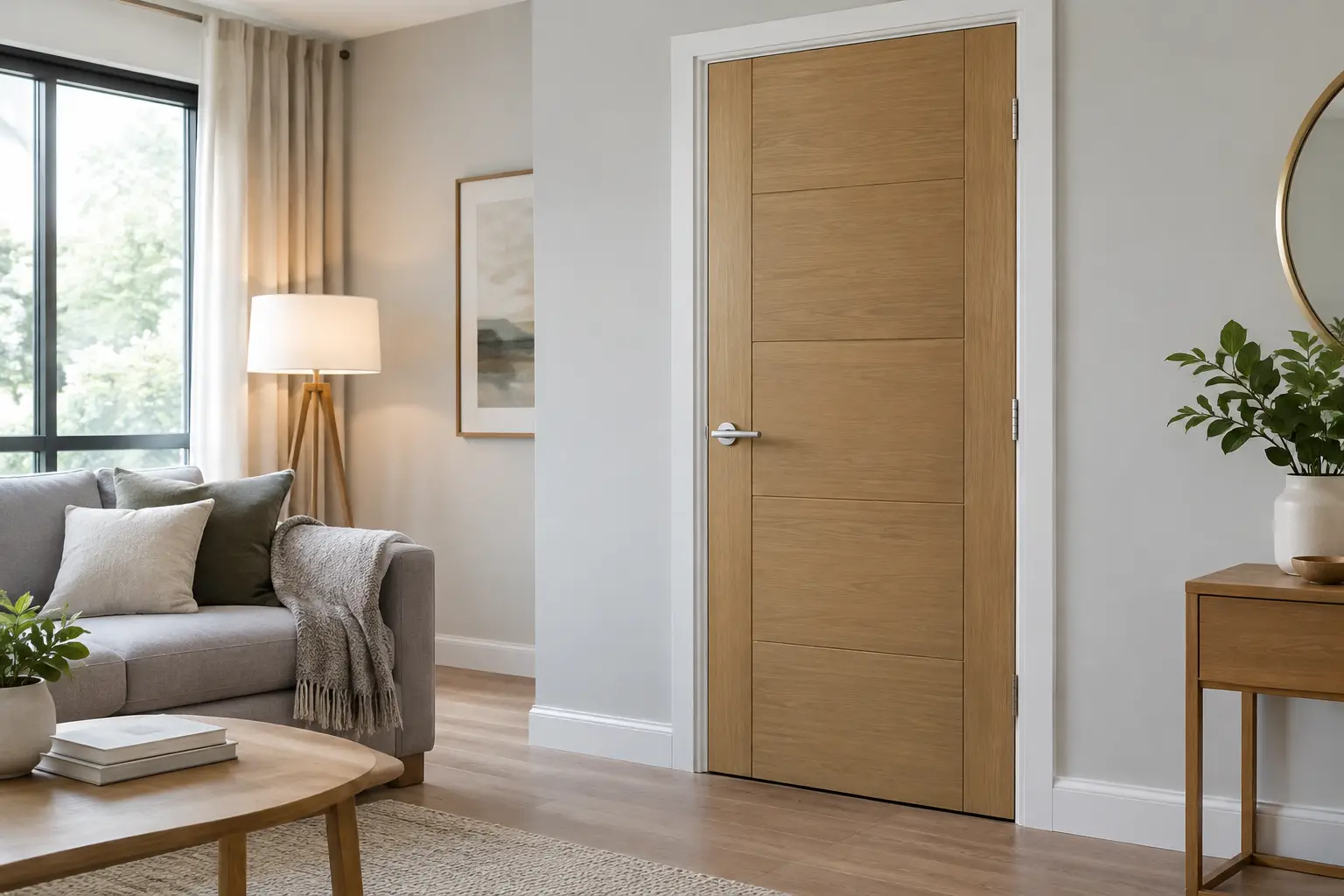
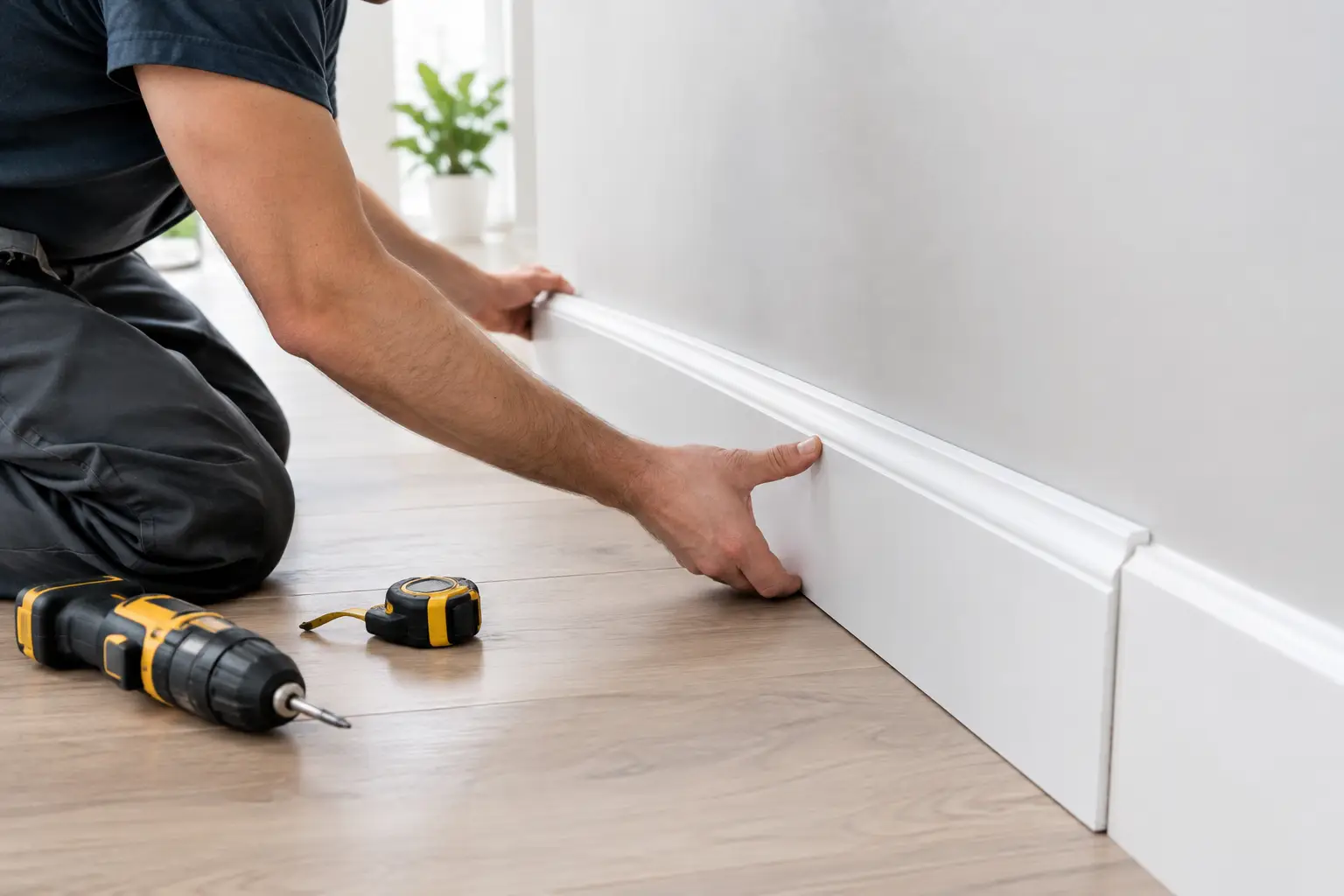
A room can have beautiful floors, freshly painted walls, and quality internal doors, yet still look unfinished if the perimeter details are poor. Professional skirting board installation creates the crisp transition where wall meets floor, conceals necessary expansion gaps, and protects plaster from everyday knocks, vacuum marks, and furniture movement.
Often called baseboards in the United States, skirting boards are a practical finishing component with a major visual role. Their profile, height, material, and fit can make a compact room feel more considered or give a renovated home a consistent, high-quality finish from one space to the next.
Why skirting boards deserve careful planning
Skirting is usually installed late in a renovation, which can make it seem like a small final task. In practice, it needs to work with several decisions already made: floor height, door jambs, architraves, wall condition, paint colors, and furniture placement. Getting those details right avoids uneven lines, obvious gaps, and profiles that compete with the rest of the interior.
The first decision is whether the skirting should blend in or create contrast. A painted profile matching the wall color gives a calm, continuous look, especially in contemporary homes. A white skirting against a deeper wall tone produces a more defined border, while timber can add warmth where it suits the flooring and door selection. There is no single correct choice. The best result depends on the architectural style of the home and how formal or minimal you want the rooms to feel.
Height matters as much as profile. Lower skirting can suit smaller, simpler spaces, while taller boards give walls more presence and often work well with high ceilings, shaker doors, and more traditional interiors. A profile that looks refined in a large entry hall may feel heavy in a narrow hallway, so viewing samples against the actual wall is worthwhile.
Choosing the right material for the room
Material affects appearance, cost, durability, and how the boards perform once installed. The right option is not always the most expensive one. It is the product that suits the room, finish, and expected wear.
MDF skirting
Primed MDF is a popular choice for painted interiors because it offers a smooth, consistent surface and clean machined profiles. It is stable in ordinary indoor conditions and can be an efficient option for new homes and whole-house renovations. Quality priming and sealed cut edges are essential, particularly near bathrooms, laundries, and exterior doors where moisture exposure can be higher.
Finger-jointed pine and other timber options
Timber skirting brings natural character and can be painted, stained, or clear finished depending on the species and desired look. It is especially appropriate where timber doors, floors, or architectural joinery are central to the design. Timber can move slightly with changing conditions, however, and needs careful selection, acclimatization, and finishing to maintain a neat result.
Moisture-resistant solutions
Areas subject to frequent moisture need extra consideration. Standard materials can swell or deteriorate if water is allowed to sit against them. In these spaces, a moisture-resistant board and well-sealed junctions can provide more dependable long-term performance. Good ventilation and prompt attention to leaks still matter, regardless of material.
The details that make skirting board installation look professional
Straight lengths of skirting are only part of the job. The visible quality comes from the junctions: internal corners, external corners, door openings, floor changes, and walls that are rarely as straight as they appear.
Internal corners are commonly coped rather than simply mitered. Coping shapes one board to fit tightly over the profile of the adjoining board, helping the joint remain neat if the wall corner is not a perfect 90 degrees. External corners are usually mitered and need accurate cutting, secure fixing, and careful filling to resist chips and separation over time.
Walls can bow, floors can slope, and new flooring may have slight variations in level. A skilled installer checks these conditions before fixing every length. Sometimes the board must be scribed or adjusted to follow the room rather than forced into a straight line that leaves distracting gaps. Caulk can finish a fine joint, but it should not be used to hide poor preparation or major irregularities.
Doorways deserve the same attention. Skirting should terminate neatly against the architrave or door jamb, with proportions that feel intentional. When new doors, jambs, architraves, and skirting are selected together, their profiles and thicknesses can be coordinated from the outset. This produces a more polished result than treating each component as a separate purchase.
A reliable installation process
Preparation is where durable work begins. Before installation, the room should be measured carefully and the layout planned so that joins fall in sensible locations. Flooring needs to be complete and protected, while walls should be dry and ready for finishing.
The boards are then cut to suit the room, including scribed cuts where needed. Adhesive may be used in combination with mechanical fixings, depending on the wall substrate and board material. Solid fixing is particularly important on uneven masonry or stud walls, where loose sections can open up at the top edge or move when bumped.
Once fixed, nail holes and minor joints are filled, and the top edge is caulked where appropriate. This fine line of flexible sealant helps create a clean wall-to-skirting transition and accommodates minor movement. It should be applied sparingly and neatly. Heavy or uneven caulk lines draw attention to the very detail they are intended to refine.
The final paint system completes the work. Primed boards still need suitable finishing coats, and raw timber requires the appropriate stain, sealer, or paint preparation. Allowing adequate drying time between coats protects the finish and gives the profile a smooth, durable appearance.
Common mistakes that affect the final result
The most visible problems often start with rushed decisions rather than difficult carpentry. Installing skirting before confirming final floor height can leave a gap that is hard to disguise. Choosing a profile without considering the architraves can make doorways look mismatched. Using the wrong adhesive or inadequate fixings can lead to movement and cracked paint lines later.
Another common issue is fitting boards tightly against a floor that needs room to expand. This is particularly relevant with some timber and floating floor systems. The skirting is generally used to cover the required perimeter expansion space, not to trap the flooring in place. Your flooring specifications should guide the allowance, especially when combining different materials across adjacent rooms.
Painting before all filling, sanding, and caulking are complete also creates unnecessary rework. A quality finish is built in layers: accurate cuts first, secure fixing second, careful surface preparation third, and final painting last.
When professional fitting is worth it
Straightforward rooms can appear manageable, but the cost of poor finishing is highly visible. Uneven cuts, chipped external miters, inconsistent heights, and poorly finished joins can make new floors and doors look less refined than they are. Professional installation is particularly valuable in homes with uneven walls, multiple room transitions, tall profiles, detailed moldings, or a coordinated door-and-trim package.
For homeowners renovating across Penrith and greater Sydney, working with a specialist who understands doors, jambs, architraves, and skirting as one finishing system can also reduce coordination issues. Meriton Doors can help align the product selection and installation approach so the small details support the larger design vision.
A well-fitted skirting board does not demand attention. It simply gives each room a deliberate edge, protects the walls where life happens, and lets the quality of the floor, doors, and paintwork stand out for the right reasons.
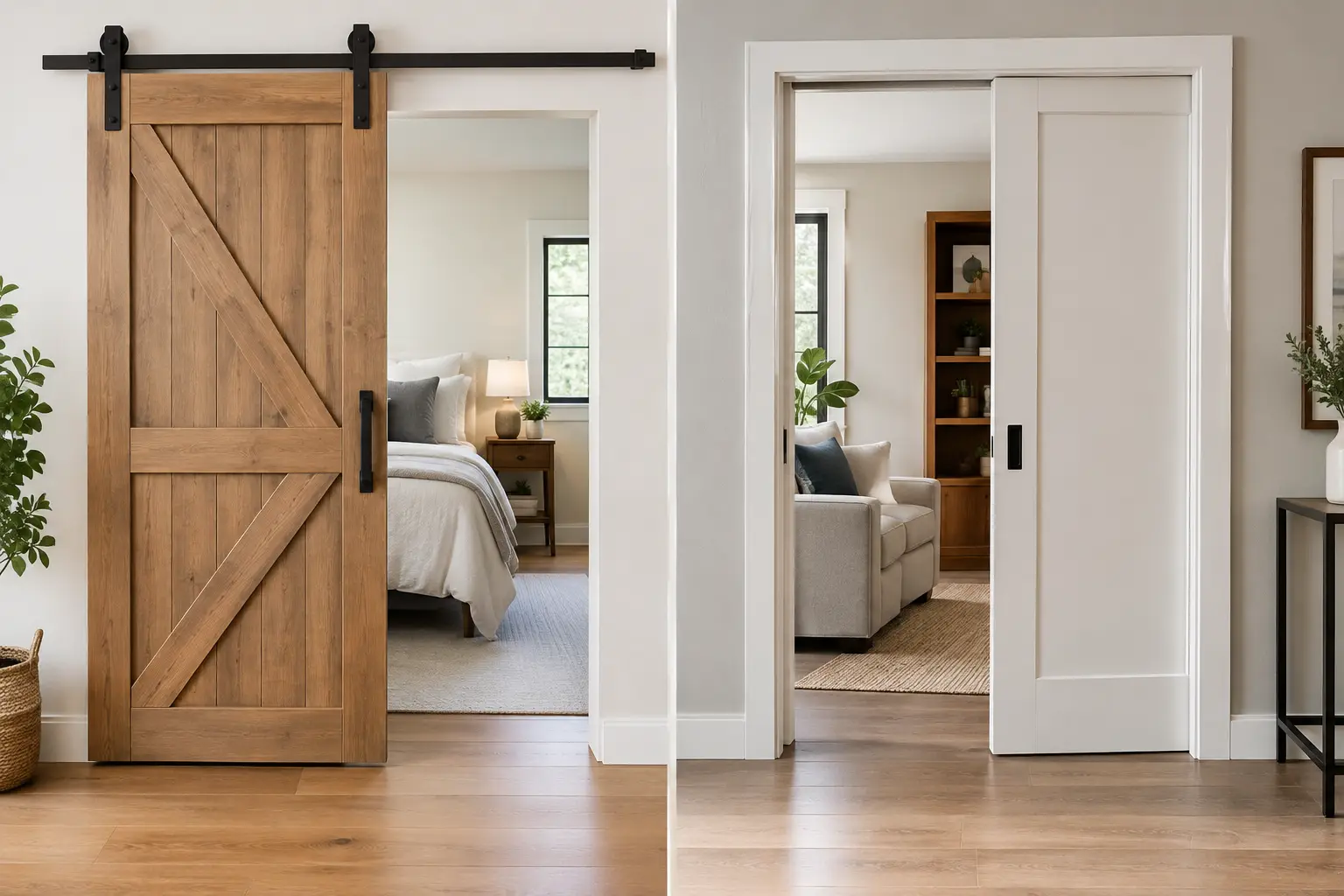
Barn Doors Versus Pocket Doors for Your Home
Barn doors versus pocket doors differ in space, privacy, cost, and style. Compare both options to choose the right interior door for your home today.