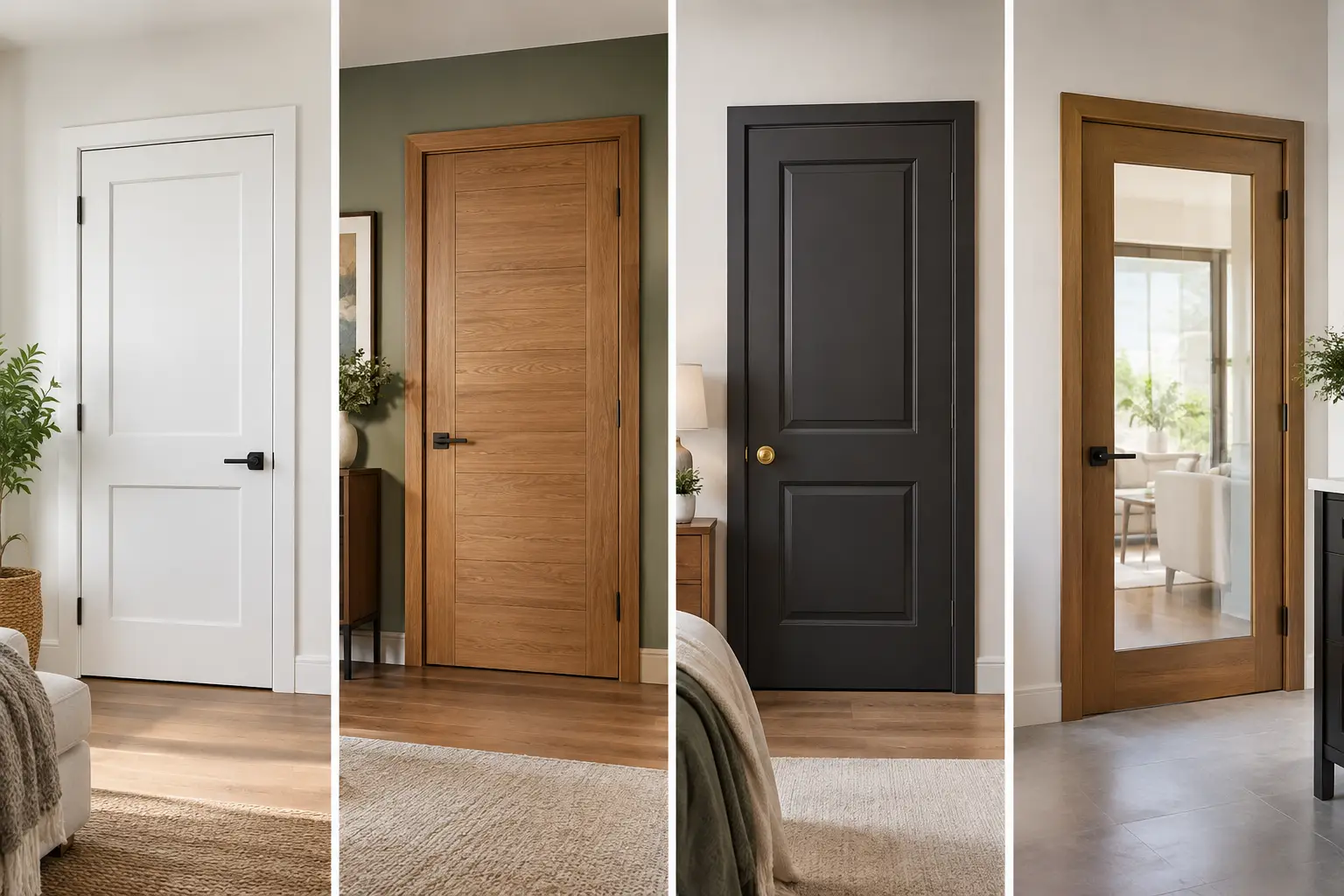
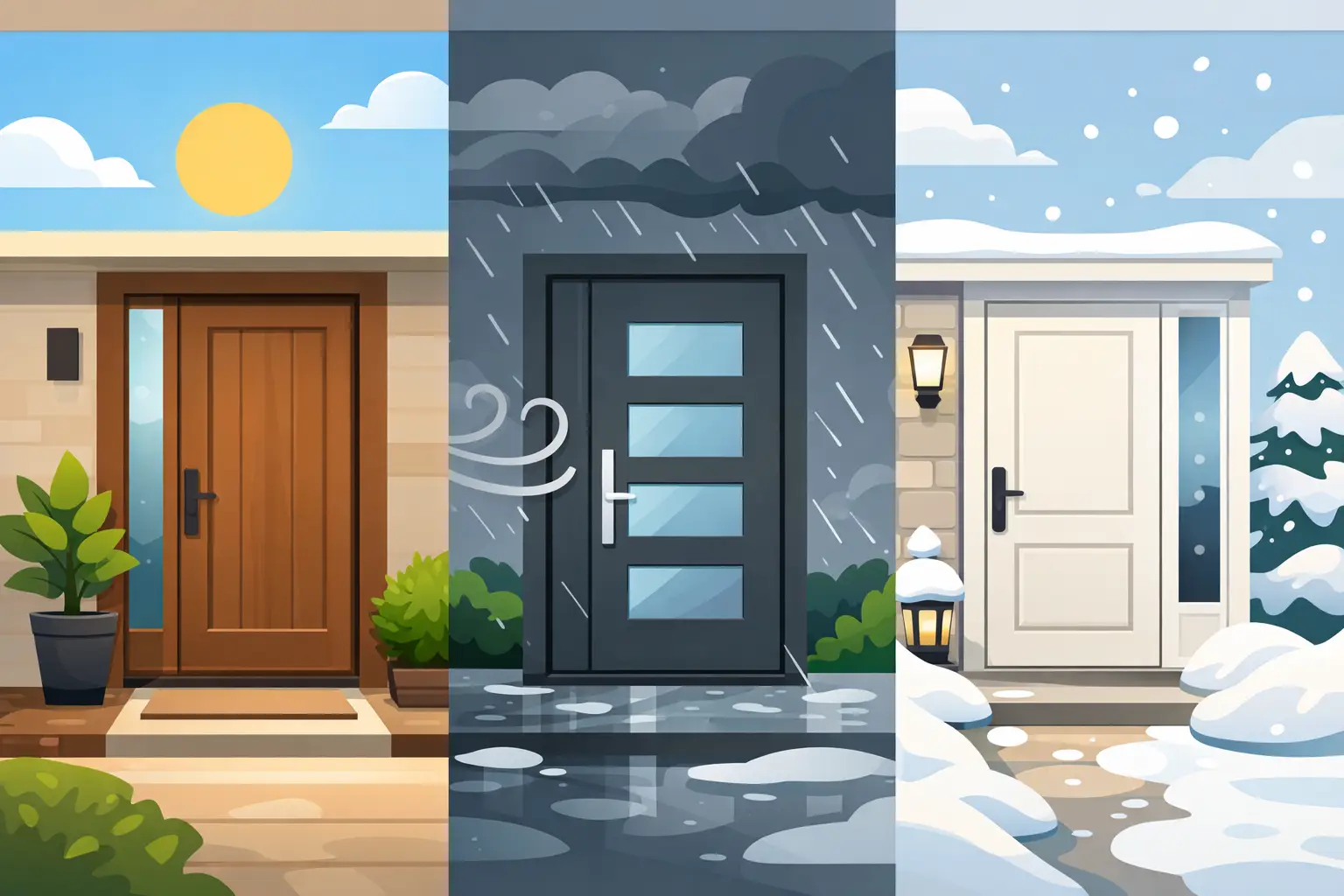
A front door can look exceptional in a showroom and still disappoint once it faces months of hard sun, wind-driven rain, humidity, and daily use. The best entry doors for weather exposure are chosen as complete systems: the door material, finish, frame, threshold, weather seals, hardware, and installation all need to work together.
For homeowners, renovators, builders, and property managers, this decision is about more than curb appeal. A poorly specified or fitted entry door can swell, fade, leak, rattle, or allow unwanted drafts into the home. The right door delivers a more polished arrival, dependable security, and assured durability through changing conditions.
Best Entry Doors for Weather Exposure: What Matters Most
No single material is automatically right for every property. The exposure of the opening matters just as much as the door itself. A front entrance protected by a deep porch has very different requirements from a west-facing door exposed to afternoon sun and rain.
Before selecting a style, assess how the entry performs throughout the year. Consider direct sun, prevailing wind, rain direction, the depth of any eave or awning, and whether water tends to sit near the threshold. A beautiful timber statement door may be an excellent choice in a sheltered location, while a highly exposed opening may call for a more stable, lower-maintenance material or a carefully engineered timber construction.
The quality of the installation is equally important. Even a premium door will not seal correctly if the jamb is out of square, the threshold is poorly supported, or the gaps around the leaf are inconsistent. Precision fitting is what allows the seals and hardware to do their job.
Fiberglass Doors: A Strong All-Weather Choice
Fiberglass entry doors are often one of the most practical options for homes facing regular weather exposure. They are designed to resist moisture, do not rust like metal, and are less prone to swelling or shrinking than natural timber. Many can also be finished with a convincing wood-grain texture, making them a useful option for homeowners who want a classic look with less ongoing maintenance.
Their insulating core can help improve thermal performance, particularly when paired with quality perimeter seals and an appropriate threshold. This can make a noticeable difference in entryways that feel hot in summer or drafty during colder periods.
Fiberglass is not completely maintenance-free. Dark finishes can still absorb heat, and a damaged finish should be addressed promptly to preserve the door’s appearance. However, for a fully exposed front entrance, it offers an excellent balance of durability, design flexibility, and everyday practicality.
Steel Doors: Security and Strength With a Few Conditions
Steel doors are valued for strength, security, and clean contemporary lines. They can suit modern homes, light commercial spaces, and entries where a solid, substantial feel is a priority. A well-made steel door with an insulated core can also provide good energy efficiency.
The trade-off is that steel depends heavily on the quality of its coating and edge protection. Once a painted surface is deeply scratched or chipped, moisture can reach the metal and create the conditions for corrosion. Coastal areas, heavy rain exposure, and locations where the lower part of the door is regularly wet require particular attention.
For the best result, choose a high-quality factory finish, keep drainage clear around the entry, and inspect the door periodically for impact damage. Steel can be a very reliable choice, but it is not the set-and-forget answer for every exposed location.
Timber Doors: Exceptional Character, More Care
A timber entrance door brings warmth, natural detail, and a level of character that manufactured materials cannot fully duplicate. It can transform a traditional home, complement a refined renovation, or provide the statement feature a new build needs. But timber is a natural material, so it responds to heat, moisture, and changing humidity.
For weather-exposed openings, engineered timber doors are generally more stable than doors made from a single wide piece of solid wood. Their construction helps manage movement while preserving the richness of real timber. Species selection also matters, as some timbers are naturally better suited to outdoor conditions than others.
The finish is critical. Exterior-grade coatings protect timber from ultraviolet light and moisture, but they need maintenance over time. A clear finish may require more regular attention than an opaque painted finish, especially on a door facing strong sun. This is not a reason to rule timber out. It is simply a reason to choose it with realistic expectations and give it the care a premium natural material deserves.
Where possible, provide overhead shelter. A modest awning, porch, or recessed entry can significantly extend the life of a timber door and its finish without compromising the home’s design.
The Door System Is More Important Than the Panel Alone
Weather performance is often lost at the edges of the door, not through the door panel itself. Quality compression seals around the head and sides of the frame help stop drafts and wind-blown rain. A properly designed threshold helps direct water away from the interior while providing a secure base for the door to close against.
The sweep or bottom seal also deserves attention. It should make consistent contact without creating excessive friction as the door opens and closes. If a door has a visible gap at the bottom, light air movement, or water marks inside after rain, adjustment may be needed.
Frames and jambs must be appropriate for exterior use and carefully finished at the wall opening. Flashing, sealant, and surrounding cladding details should manage water before it reaches the interior. These are small-looking details with a major effect on long-term performance.
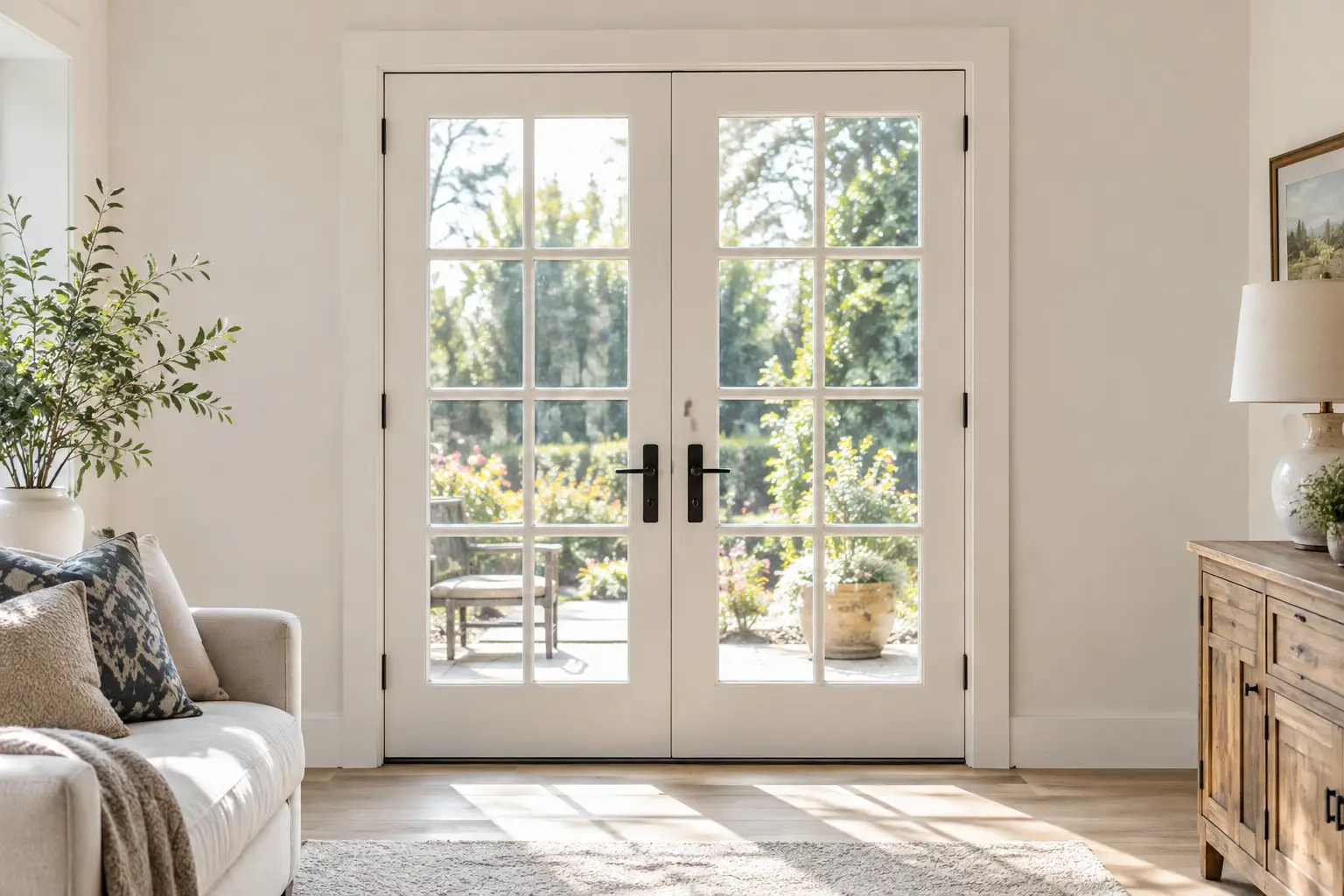
For double entry doors, French doors, and doors with side panels, the need for precise installation increases. Every meeting stile, mullion, glazed panel, and additional seal is another point that must be aligned correctly. The finished result should feel solid, operate smoothly, and close with an even seal around the full perimeter.
Glass, Side Panels, and Weather Exposure
Glass can make an entrance feel brighter, larger, and more welcoming. Sidelights and glazed door panels are especially effective in darker hallways, but the glass selection should suit both the climate and the privacy needs of the home.
For exposed entries, insulated glazing can help reduce heat transfer and improve comfort near the doorway. Safety glass should be used where required, while obscure, textured, or carefully positioned glass can maintain privacy without sacrificing natural light. The glazing seals must also be designed for exterior conditions, as failed seals or poorly installed beads can allow moisture into the assembly.
Large areas of glass facing direct sun may increase solar heat gain. In those situations, consider the orientation of the entry, the protection offered by shade, and whether the selected glass is appropriate for the opening. Design should always support how the home is actually used.
Finishes and Colors Need a Practical View
A dark front door can look striking, particularly against light render, brick, or timber cladding. Yet dark colors absorb more heat than lighter shades. On an entry that receives intense afternoon sun, that extra heat can place added stress on the door, finish, seals, and hardware.
This does not mean dark doors should be avoided. It means the material, construction, and exposure should be assessed together. A covered entry can support a wider range of finish choices than an unprotected facade. For highly exposed doors, quality exterior coatings and regular care are worthwhile investments.
Hardware should be selected with the same care. Choose exterior-rated handles, locks, hinges, and fixings that suit the door weight and local conditions. Hinges that are undersized or hardware that is not suited to outdoor use can affect alignment, security, and operation over time.
Why Professional Installation Protects Your Investment
A door can only perform as designed when it is installed accurately. The opening needs to be measured carefully, the jamb set level and plumb, and the door adjusted for an even reveal. Weather seals must be compressed correctly, and the threshold must be positioned to manage water effectively.
This is particularly valuable in renovation work, where existing openings are not always square or where flooring, brickwork, and wall finishes create limitations. An experienced installer can identify these issues early and recommend a solution that protects both the appearance and the function of the entry.
Meriton Doors helps clients make these decisions with a design-led approach to product selection and professional fitting. The aim is not simply to install a new front door, but to create an entrance that looks considered, closes properly, and remains dependable in the conditions it will face.
A well-chosen entry door should make the home feel more secure and more welcoming every time you return. Give equal attention to the exposure, material, finish, seals, and installation, and the result will be an entrance built to look exceptional long after the first impression.