A contemporary home can lose its impact at the front threshold. Even with clean rooflines, generous glazing, and carefully chosen finishes, a standard entry door may look like an afterthought. Custom entrance doors for contemporary homes solve that problem by giving the facade a focal point that feels intentional, proportioned, and built to perform.
The right door does more than make a strong first impression. It needs to suit the scale of the opening, withstand daily use and weather exposure, support home security, and operate smoothly for years. That is why a considered custom approach is often worth more than choosing the biggest or boldest design in a catalog.
What Defines a Contemporary Entrance Door?
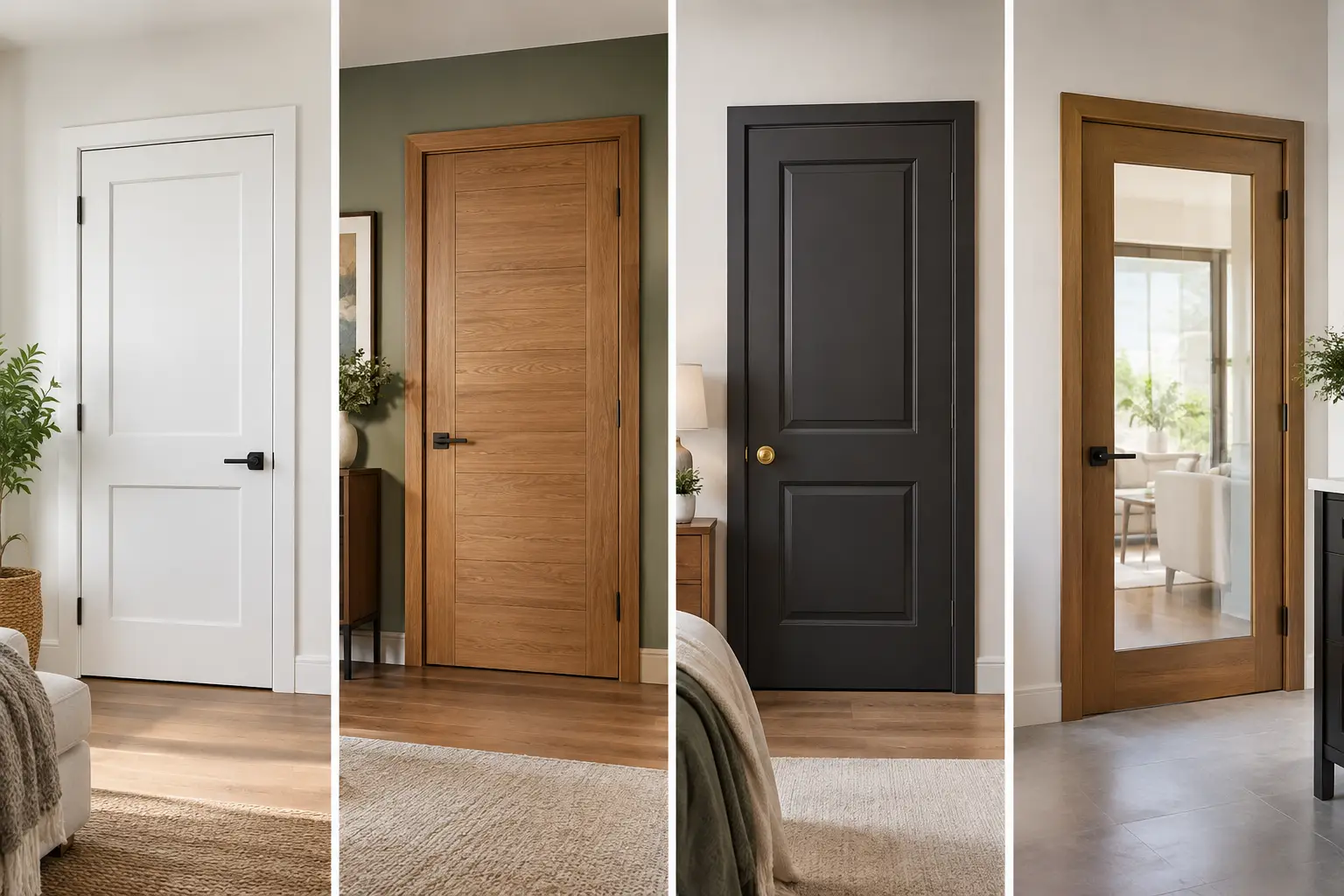
Contemporary design is often associated with simplicity, but simple does not mean plain. The strongest entrance doors use restrained details, balanced proportions, and high-quality materials to create presence without visual clutter. Think broad vertical panels, clean horizontal lines, flush surfaces, subtle timber grain, or carefully placed glass rather than ornate molding and decorative patterns.
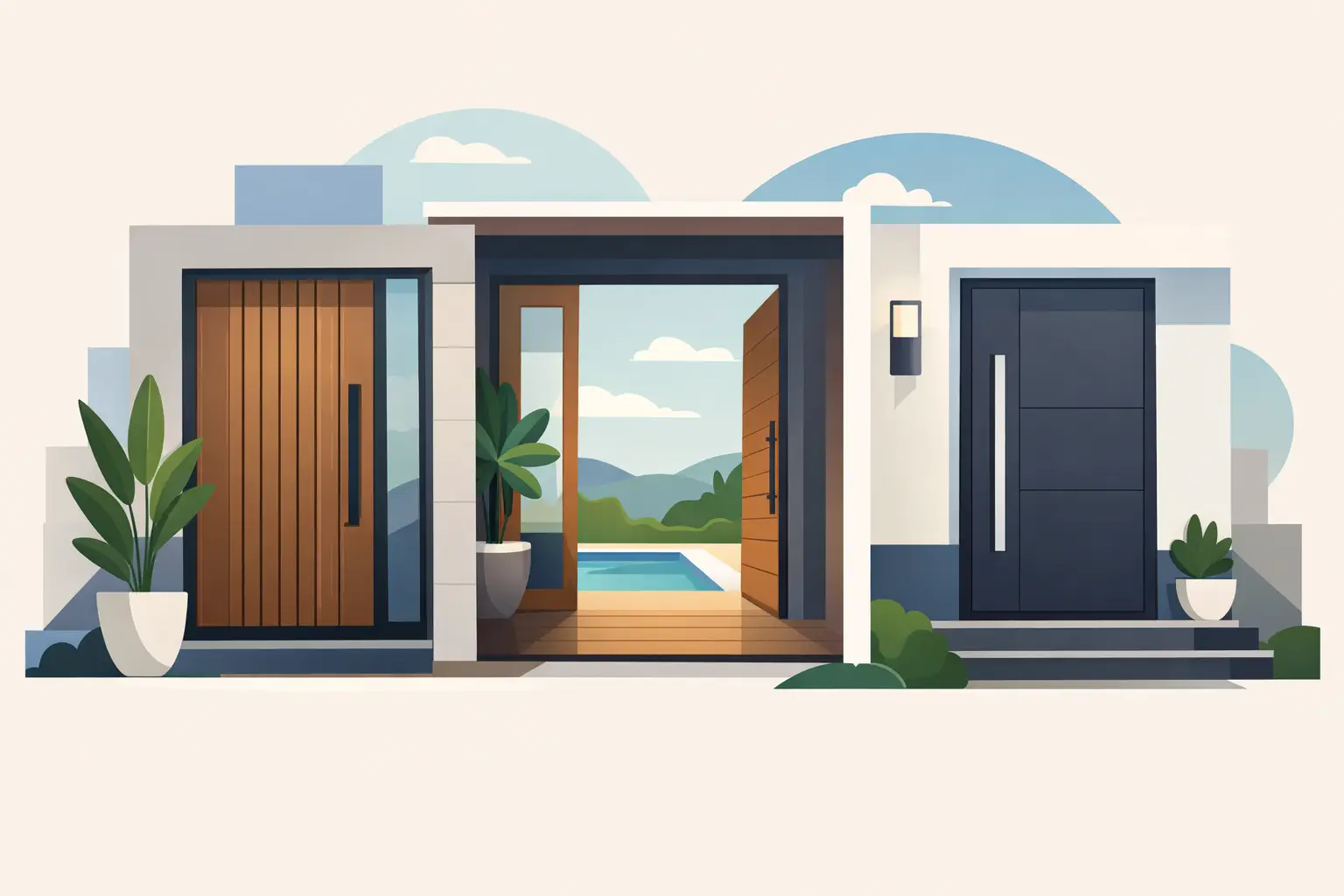
Scale is particularly important. A tall pivot-style door can make a dramatic statement on a wide modern facade, while an oversized hinged door with a matching side panel may provide a similar sense of openness in a more conventional entry. The goal is not to follow one trend. It is to make the entry feel connected to the architecture around it.
A custom door also allows the frame, hardware, glazing, and surrounding trim to work together. When these elements are specified as one composition, the result feels polished rather than pieced together.
Start With the Home’s Proportions
Before selecting a finish or handle, look at the entry as a whole. Consider the width and height of the opening, ceiling height inside the foyer, setback from the street, roofline, exterior cladding, and nearby windows. A door that looks impressive in a showroom may overwhelm a compact front elevation or appear undersized against a two-story facade.
For narrow entries, a full-height door with a slim glazed sidelight can bring in light and create visual height without making the opening feel crowded. Wider homes may suit double doors, a large single leaf with a fixed panel, or a pivot door designed around a generous vertical axis. Each option affects not only appearance but also traffic flow, furniture access, and the way the door opens in daily life.
Custom sizing is especially useful during renovations, where existing openings are not always standard. It can reduce the compromise of forcing a stock-size product into a space that deserves a better fit.
Choosing Materials That Match the Design and Exposure
Material selection shapes the character, maintenance needs, and long-term performance of an entrance door. There is no single best choice. The right option depends on the home’s style, the amount of weather exposure, the desired finish, and the level of maintenance the owner is comfortable with.
Timber for warmth and character
Timber brings depth and natural variation that suit contemporary homes with stone, brick, concrete, or dark metal accents. It can be stained to highlight grain, painted for a more architectural finish, or combined with glass for a lighter look. Quality timber doors require careful finishing and ongoing care, particularly when exposed to strong sun, rain, or coastal conditions. That maintenance is a trade-off for a finish that many homeowners consider unmatched.
Engineered and composite options for consistency
Engineered door systems can offer a stable, refined appearance with less movement than some solid timber options. They may be well suited to painted finishes and homes seeking crisp lines with dependable day-to-day performance. Product construction matters here. A quality door should be selected for its intended exterior use, not simply for its appearance.
Glass for light without sacrificing privacy
Glazing can make a dark entry feel larger and more welcoming. Clear glass creates an open connection to the street or garden, while obscure, reeded, frosted, tinted, or textured glass can maintain privacy. The amount and placement of glass should be deliberate. A narrow vertical insert may be all that is needed to bring light into a hallway, while a large glazed panel suits homes with a private setback or screened porch.
For security and thermal comfort, specify appropriate safety glass and consider how the glazing, seals, and frame will perform as a complete system.
Custom Entrance Doors for Contemporary Homes Need Practical Detail
A striking entry door is only successful when it works properly. Hardware, weather sealing, threshold design, and installation tolerances are not secondary details. They are central to comfort, security, and durability.
Long pull handles are popular in contemporary settings because they reinforce vertical scale and provide a clean visual line. Yet handle length should be matched to the door weight and opening style. A pivot door, for example, requires hardware designed for its size and load, while a standard hinged door may need heavy-duty hinges and a secure multi-point locking arrangement.
Weather protection also deserves attention. Doors facing driving rain, harsh afternoon sun, or exposed winds may benefit from a covered entry, well-designed seals, suitable finishes, and a threshold that manages water effectively. A door installed out of square, even by a small amount, can lead to sticking, gaps, rattling, or premature wear. Precision fitting protects the investment in the product itself.
Color and Finish Should Support the Facade
Contemporary palettes often favor contrast. Black, charcoal, deep green, warm brown, and natural timber tones can anchor pale render, light brick, or concrete finishes. A white door can look equally contemporary when it is paired with sharp black hardware and minimal detailing. The question is not whether a color is fashionable, but whether it has enough visual weight for the rest of the exterior.
Matte finishes generally create a quieter, more architectural look, while visible timber grain adds warmth to hard-edged modern materials. If the home has several competing finishes, the door may be better kept simple. If the facade is restrained, the entrance can carry more texture or color.
It is also worth considering what visitors see from inside. The internal face of the door should sit comfortably with flooring, wall color, joinery, and natural light in the foyer. An entry door is both an exterior feature and an everyday part of the interior.
Side Panels and Double Doors: When More Is Better
A wider opening can create a generous arrival, but more glass or more door leaves are not always necessary. Side panels are an excellent option when the aim is to add daylight and width while keeping one primary operating door. They can be glazed, solid, or designed to echo the paneling of the main leaf.
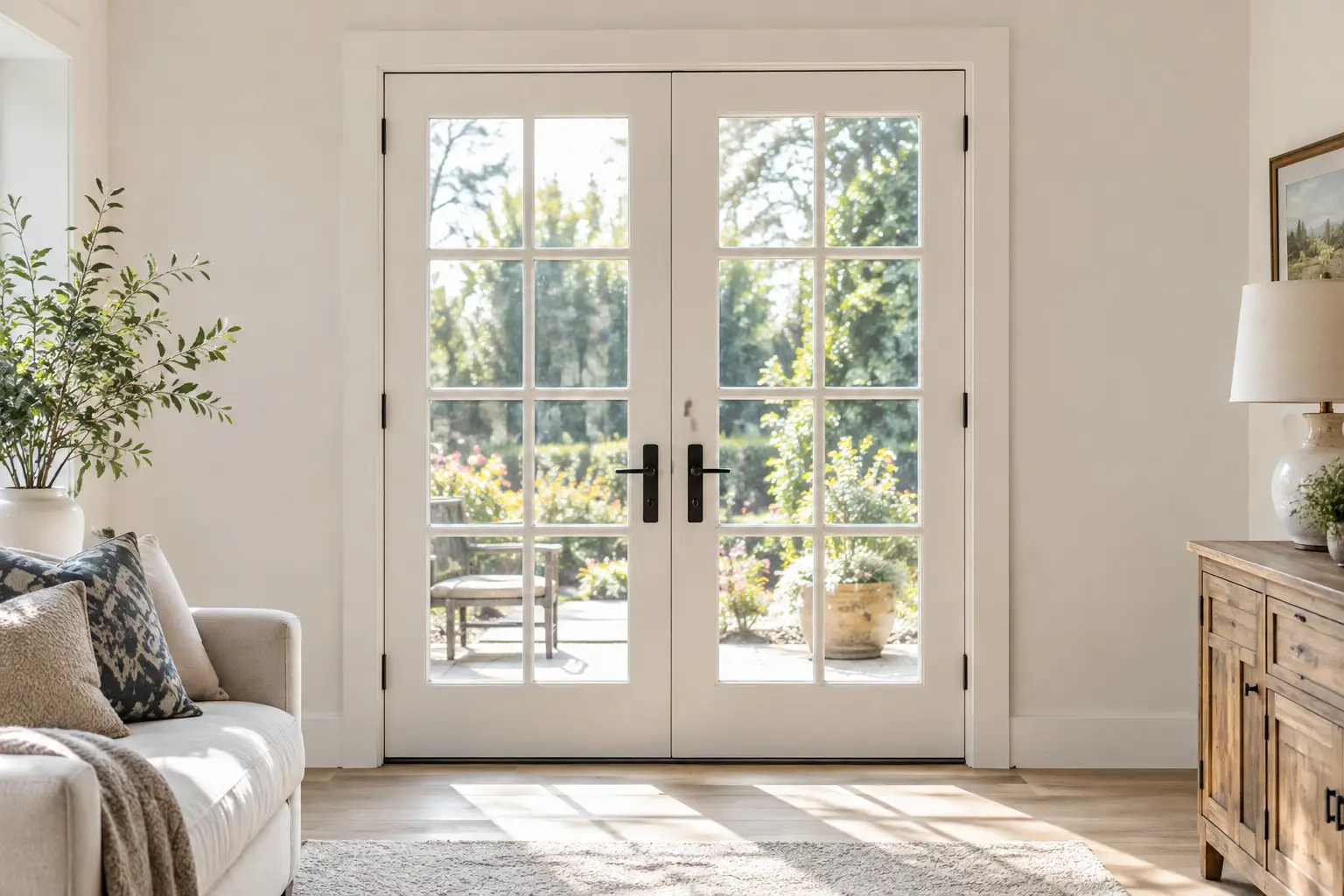
Double doors suit formal entries and wide openings, particularly where the home needs additional access for moving furniture or entertaining. They do require careful planning around seals, locking points, and the frequency with which both leaves will be used. In many contemporary homes, a large single door with a fixed side panel offers a cleaner look and simpler everyday operation.
Installation Is Where the Finished Look Is Won or Lost
Even a premium door can disappoint if installation is rushed. The frame must be prepared correctly, the door must be aligned precisely, and clearances must allow for reliable operation through changing conditions. The surrounding jambs, architraves, skirting, and wall finishes should also be considered so the completed opening looks intentional from every angle.
Professional supply and installation make the process easier to manage. Rather than coordinating a door supplier, carpenter, hardware provider, and painter separately, homeowners can work through the key decisions in one organized process. For renovations, this is particularly valuable where existing walls, floors, and openings may reveal surprises once work begins.
At Meriton Doors, the focus is on pairing exceptional door design with careful fitting, so the finished entry feels as dependable as it looks. The best result comes from choosing the door, frame, hardware, and installation method together rather than treating them as separate purchases.
A front door is touched, seen, and relied on every day. Give it the same level of consideration as the kitchen finishes or the exterior cladding, and it can become the detail that makes the whole home feel complete.