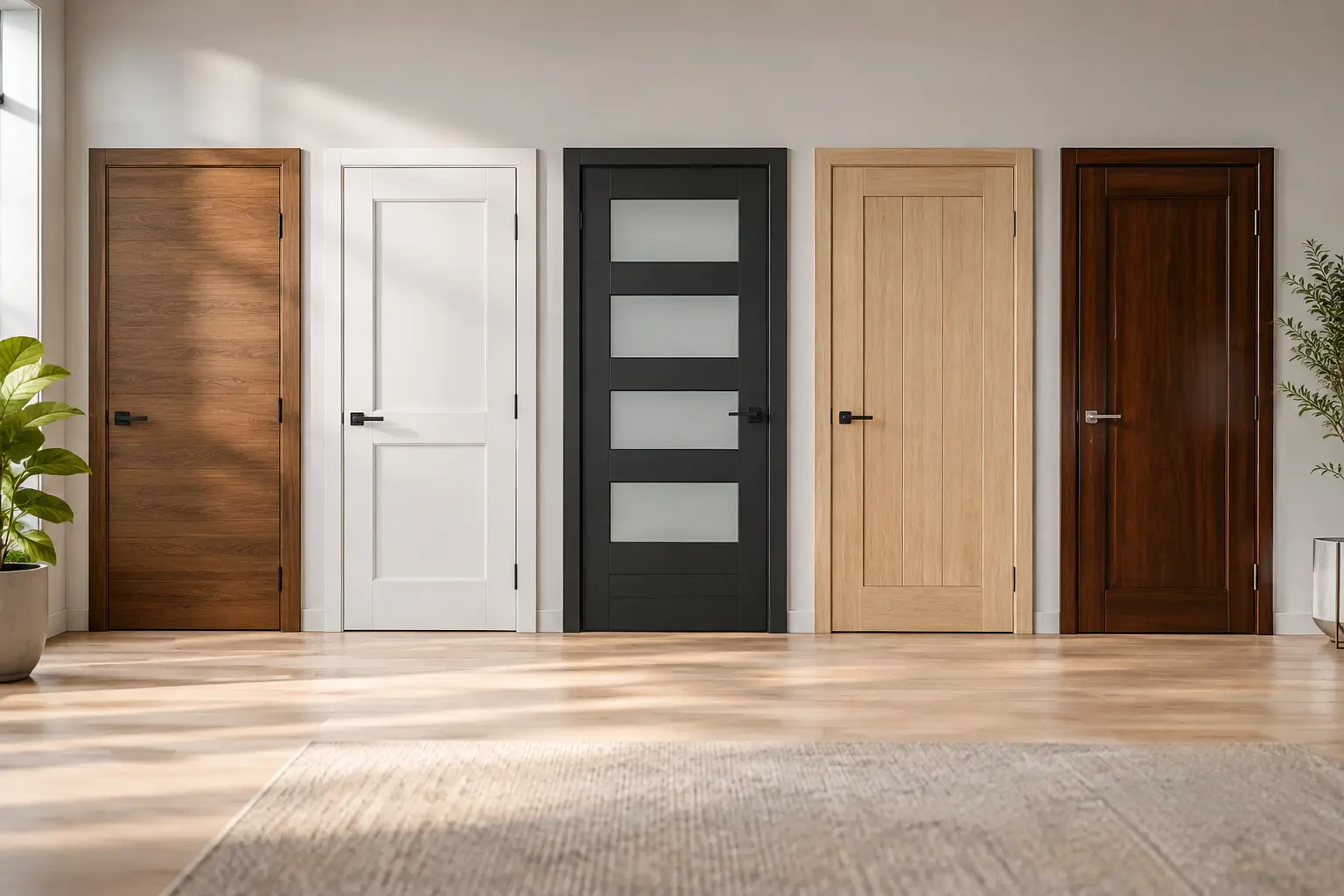
A door is handled, seen, and relied on every day. That makes a thoughtful door material comparison more valuable than choosing solely by a showroom finish or an online photo. The right material should suit the door’s job, the home’s architecture, its exposure to weather, and the level of maintenance you are comfortable taking on.
For a front entry, security, stability, and curb appeal usually lead the decision. For internal rooms, weight, acoustic privacy, and the quality of the finished profile may matter more. There is no material that wins every category. A well-chosen door is one that performs properly in its setting and looks right for years to come.
Door Material Comparison: What Actually Matters
Before comparing materials, separate the door itself from the full installation. A premium door can still feel disappointing if the jamb is out of square, the hinges are undersized, the seals are poorly fitted, or the hardware does not match the door’s weight. Conversely, a modest internal door can feel refined when it is properly hung, neatly trimmed, and finished with care.
For most homeowners, the key considerations are durability, appearance, maintenance, insulation, security, and budget. The priority changes by location. A sun-exposed entrance in western Sydney faces different demands from a bedroom door or a protected laundry door. Think about how the opening is used, which direction it faces, whether it is sheltered by a porch, and how much temperature and moisture variation it receives.
Solid Timber Doors
Solid timber is chosen for character that cannot be fully replicated. Natural grain, warmth, and substantial weight make timber an excellent choice for statement entrance doors, French doors, and traditional or architectural interiors. It can be stained, painted, detailed with panels, or paired with glazing to create a distinctly tailored result.
Timber also offers practical advantages. It has good natural insulating properties, can be repaired when damaged, and accepts refinishing over time. A quality timber door can remain in service for decades when it is correctly specified, sealed, and maintained.
The trade-off is movement. Timber responds to moisture and temperature changes, which can lead to expansion, contraction, or warping if the material is not properly prepared or the door is exposed without adequate protection. Exterior timber needs regular attention to its paint, stain, and sealant, particularly on sun-facing elevations. The richer the natural finish, the more important this upkeep becomes.
Choose solid timber when visual impact, craftsmanship, and a premium tactile feel are central to the project. It is especially effective where the entry is protected from the harshest weather and the owner is prepared to maintain the finish.
Engineered Timber and Veneer Doors
Engineered timber doors use a stable core with timber veneers or engineered faces. They offer a more consistent alternative to solid timber while retaining the warmth and grain of real wood. This construction can reduce movement and make larger door designs more manageable.
For internal doors, engineered timber is often a strong balance of style, reliability, and cost. Quality varies significantly, however. Thin veneers, weak edge detailing, or poor core construction can affect durability and repairability. The door should be selected with the intended finish, room conditions, and hardware in mind.
Hollow-Core and Solid-Core Internal Doors
Not every door needs the weight or expense of a solid timber slab. Hollow-core doors are light, economical, and commonly used in bedrooms, closets, and low-traffic internal areas. They are easy to operate and can be a sensible choice when budget is a priority across a large renovation or new build.
Their limitations are most noticeable in sound transfer and impact resistance. A hollow-core door provides little acoustic separation, can feel less substantial, and is harder to repair if it is punctured or heavily damaged. It may be adequate for a closet, but it is less convincing for a home office, media room, or bedroom where privacy matters.
Solid-core doors have a denser engineered core beneath their face panels. They provide a more substantial feel, better sound reduction, and greater durability than hollow-core options. They are popular for bedrooms, bathrooms, studies, and higher-end interior finishes because they close with more weight and help create a quieter home.
A solid-core door does require suitable hinges, properly installed jambs, and accurate clearances. This is where professional fitting makes a visible difference. The door should swing smoothly, latch cleanly, and maintain even margins around the frame without scraping the floor or binding through seasonal changes.
Steel Doors
Steel doors are best known for strength and security. They are commonly used for external entries, utility areas, garages, and light commercial applications where resistance to impact and forced entry is a priority. A well-made steel door can provide excellent security and a crisp, clean appearance at a competitive price point.
Many steel exterior doors include an insulated core, which helps improve thermal performance. They are also less prone to swelling or shrinking than timber. For homeowners who want a practical, secure entry door with limited maintenance, steel can be a sound choice.
The main consideration is corrosion. Scratches, chips, and poorly maintained edges can allow rust to develop, especially in wet or coastal conditions. Steel can also dent under heavy impact, and repairing a dented skin is not as straightforward as repairing timber. A good paint finish, properly protected cutouts, and careful installation are essential.
Steel suits projects where security and dependable performance come before natural grain or intricate custom detailing. It can work well with contemporary façades, particularly when paired with clean hardware and complementary side panels.
Fiberglass and Composite Doors
Fiberglass doors are designed to handle demanding exterior conditions. They resist moisture, do not rust, and are less likely to warp than natural timber. Many designs mimic wood grain convincingly, while others offer smooth painted finishes suited to modern homes.
Their insulated cores can contribute to good energy performance, making fiberglass a practical option for exposed entries. Maintenance is usually limited to cleaning, checking weatherstripping, and touching up the finish where needed. For busy households, that lower-maintenance profile is appealing.
Composite doors use a combination of materials to achieve stability, insulation, and weather resistance. Depending on their construction, they may include engineered cores, reinforced skins, and high-performance seals. They can be an excellent fit when a homeowner wants a durable external door without the regular care associated with exposed timber.
The compromise is authenticity and repair. While high-quality fiberglass and composite products can look impressive, they do not always offer the same depth, grain variation, or refinishing options as real wood. If the surface suffers major damage, repair methods may be more limited. Product quality matters greatly, so it is worth viewing full-size samples rather than deciding from a small swatch.
Glass, Glazed Panels, and Light Control
Glass is not a structural door material in the same sense as timber or steel, but it changes a door’s performance more than many homeowners expect. A glazed entry, French door, or bi-fold system can bring valuable daylight into a dark hall or living space. It can also strengthen the connection between indoor and outdoor areas.
Privacy, safety, and heat gain need to be considered alongside appearance. Obscure or textured glass can protect privacy at an entry. Safety glass is essential where required, and energy-efficient glazing can help manage heat transfer. The frame material, glazing specification, and quality of the seals all contribute to the final result.
For doors with large glass areas, choose hardware and hinges rated for the completed door weight. A beautiful glazed door that sags or drags within a year is not a successful installation.
Choosing the Right Material for Each Door
Entrance doors should be selected for their exposure, security requirements, architectural style, and maintenance expectations. Timber creates a high-impact entry with genuine character. Fiberglass or composite can be better for an exposed opening where stable, low-maintenance performance is the priority. Steel remains a practical contender where security and durability are key.
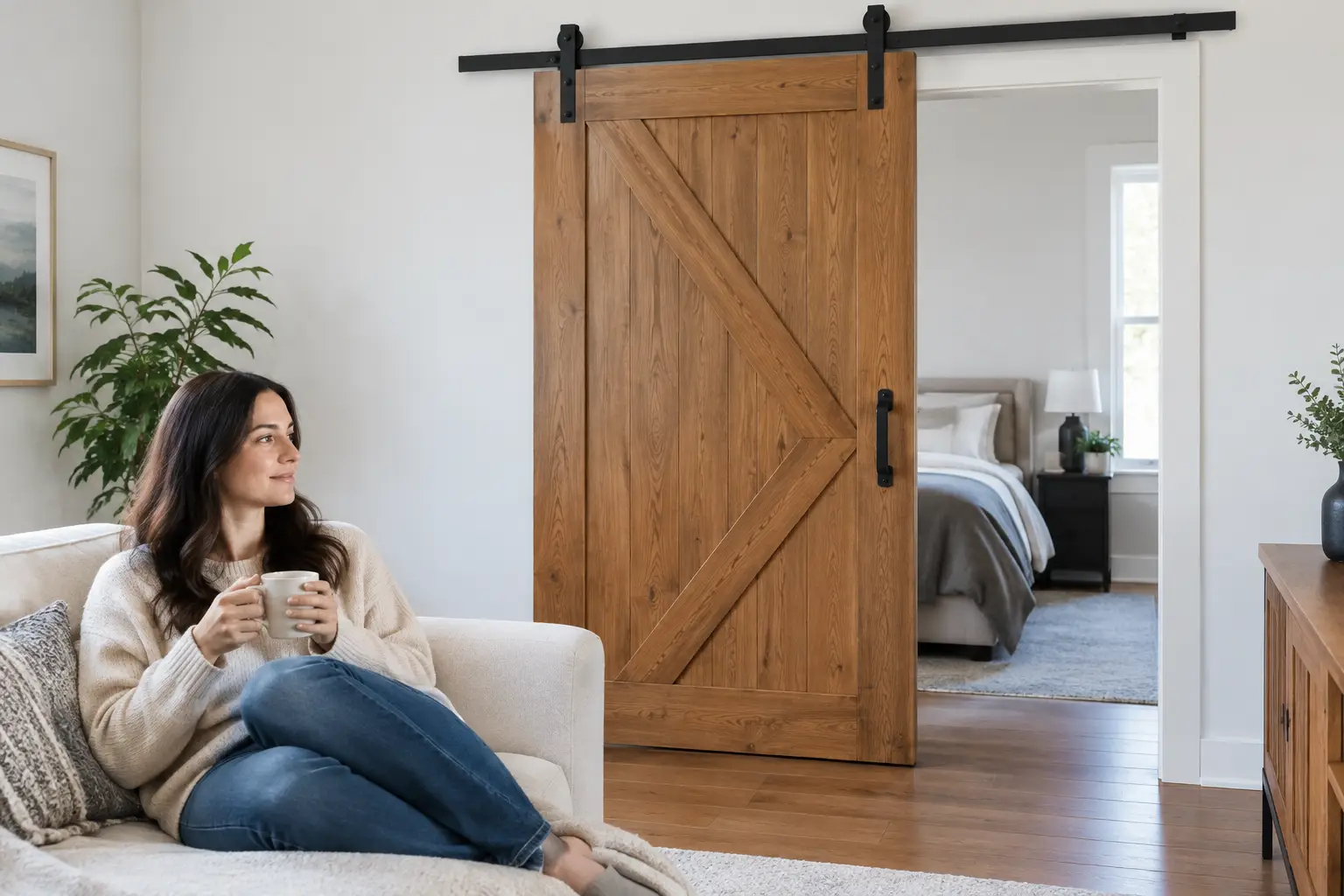
For internal doors, solid-core construction is often the strongest all-around investment in bedrooms, offices, and family spaces. Hollow-core can suit lower-demand areas or projects with a tightly controlled budget. Engineered timber, shaker profiles, barn doors, and French doors offer further design flexibility when the door is intended to be part of the interior statement.
The best door material is rarely chosen in isolation. Consider the frame, architraves, skirting, hinges, locks, seals, and the quality of installation as one finished system. At Meriton Doors, that attention to selection and fitting helps homeowners achieve doors that look considered, operate reliably, and add lasting value to the space.
A door should feel right every time it closes: balanced, secure, quiet, and suited to the room around it. Start with the demands of the opening, then choose the material that will meet them with confidence long after the renovation is complete.
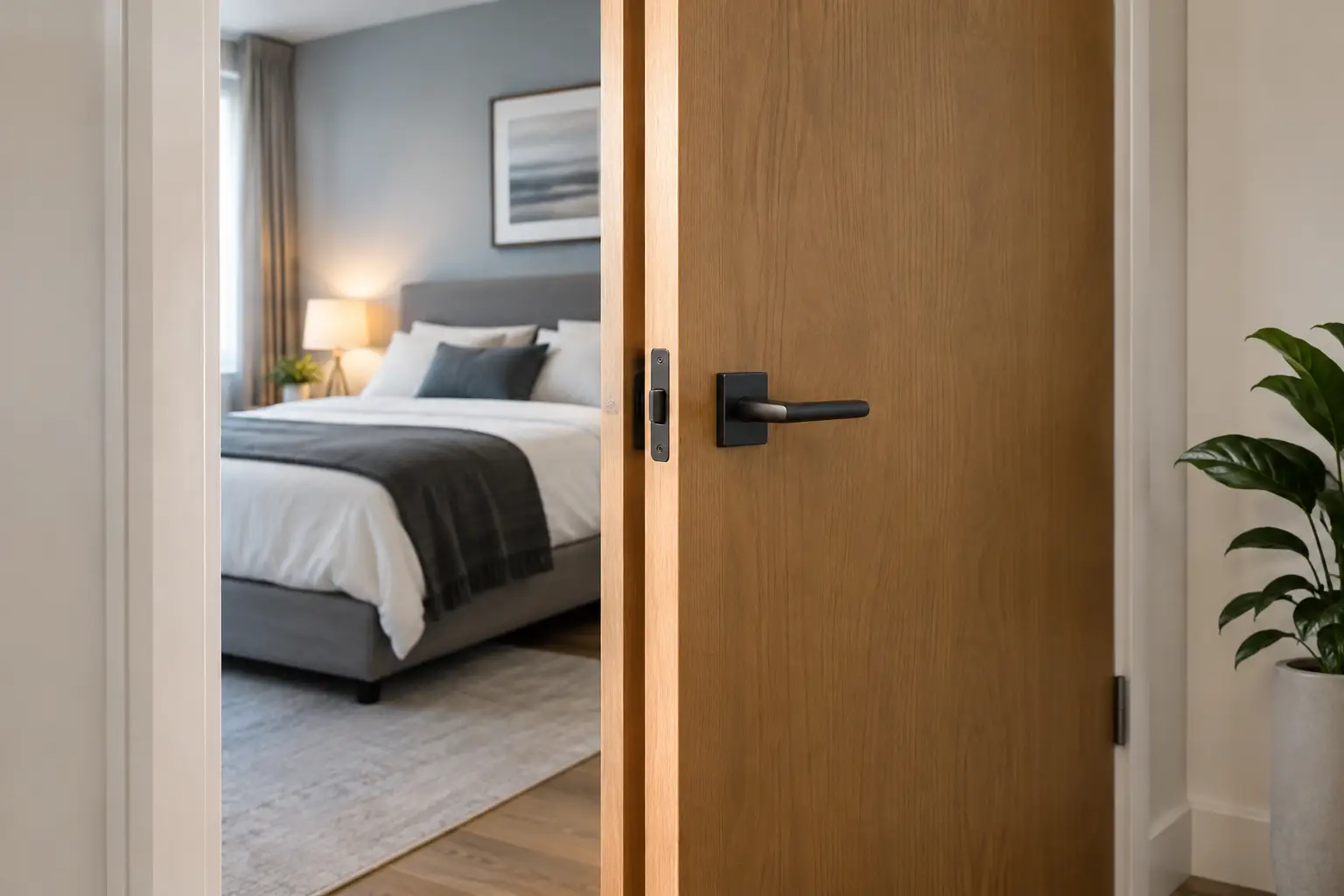
Soundproof Bedroom Doors That Actually Work
Learn how soundproof bedroom doors, solid cores, seals, and precise installation reduce household noise for a quieter, more private room at home every day.