Your front door gets judged before anything else on the property. It frames the home, sets expectations, and handles daily wear that most interior features never see. If you are searching for front door supply and install near me, you are usually not just buying a slab of timber or fiberglass. You are choosing security, curb appeal, weather performance, and the quality of the final fit.
That last part matters more than many homeowners expect. A premium front door can still feel disappointing if the frame is out of square, the reveals are uneven, the seal is poor, or the hardware is fitted without care. A well-supplied, well-installed door should look refined, close cleanly, hold up over time, and feel solid every single day.
What front door supply and install near me should actually include
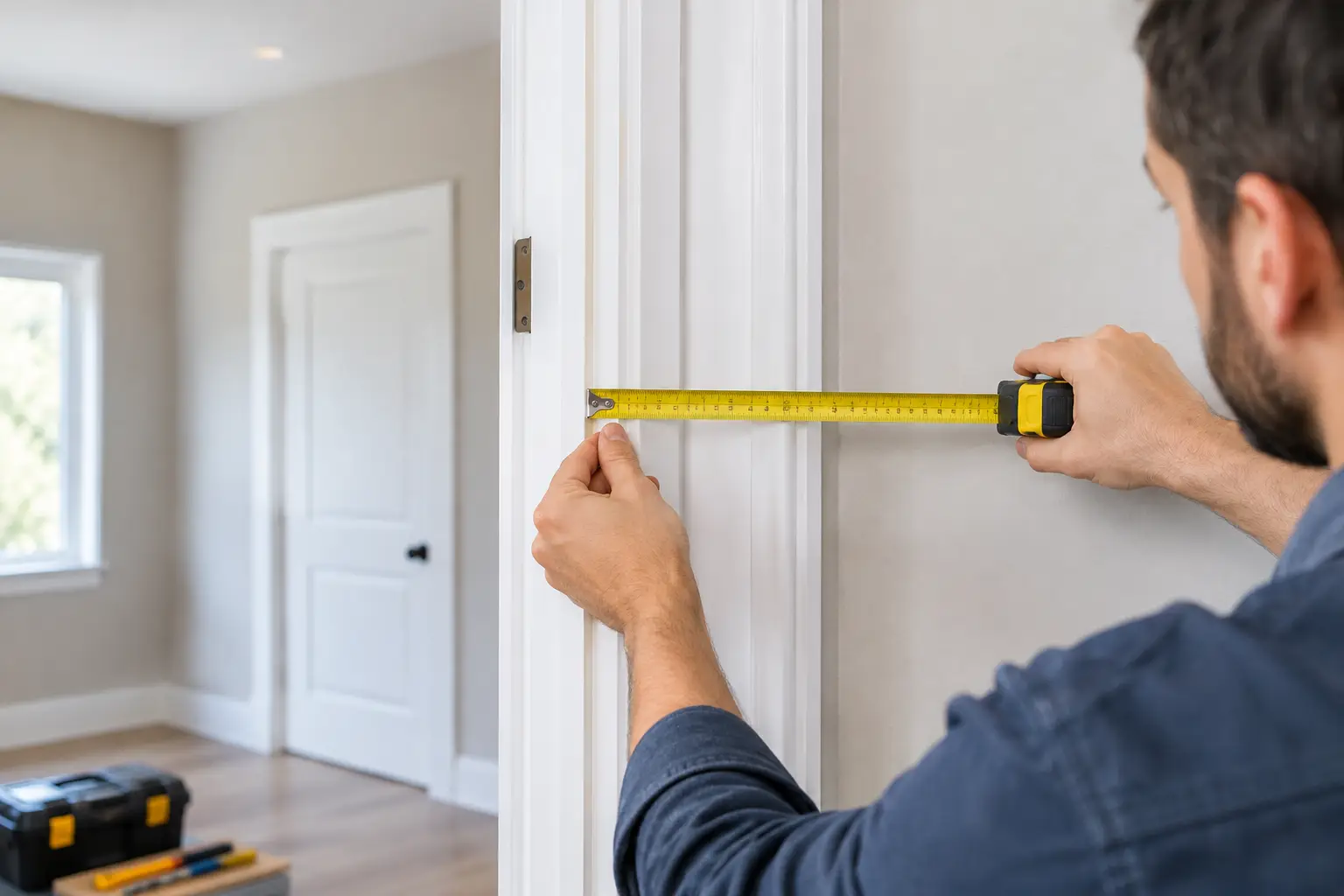
A proper supply-and-install service is more than delivering a door and hanging it on hinges. The best result comes from matching the product to the opening, the home’s style, and the practical demands of the site. That means measuring carefully, checking wall thickness and frame condition, confirming swing direction, and making sure the finished door works with locks, thresholds, side panels, and weather sealing.
For some homes, a straightforward replacement is possible. For others, the existing frame may be worn, twisted, or simply not suitable for the new door design. In those cases, replacing the jamb or rebuilding part of the opening is often the smarter choice. It may cost more upfront, but it usually delivers a cleaner finish and better long-term performance.
This is where a specialist supplier-installer stands apart from a basic retail purchase. You are not left coordinating measurements, product suitability, hardware compatibility, and installation quality across multiple parties. The advice, product selection, and fitting are handled as one process.
Why local front door supply and install near me is worth narrowing down
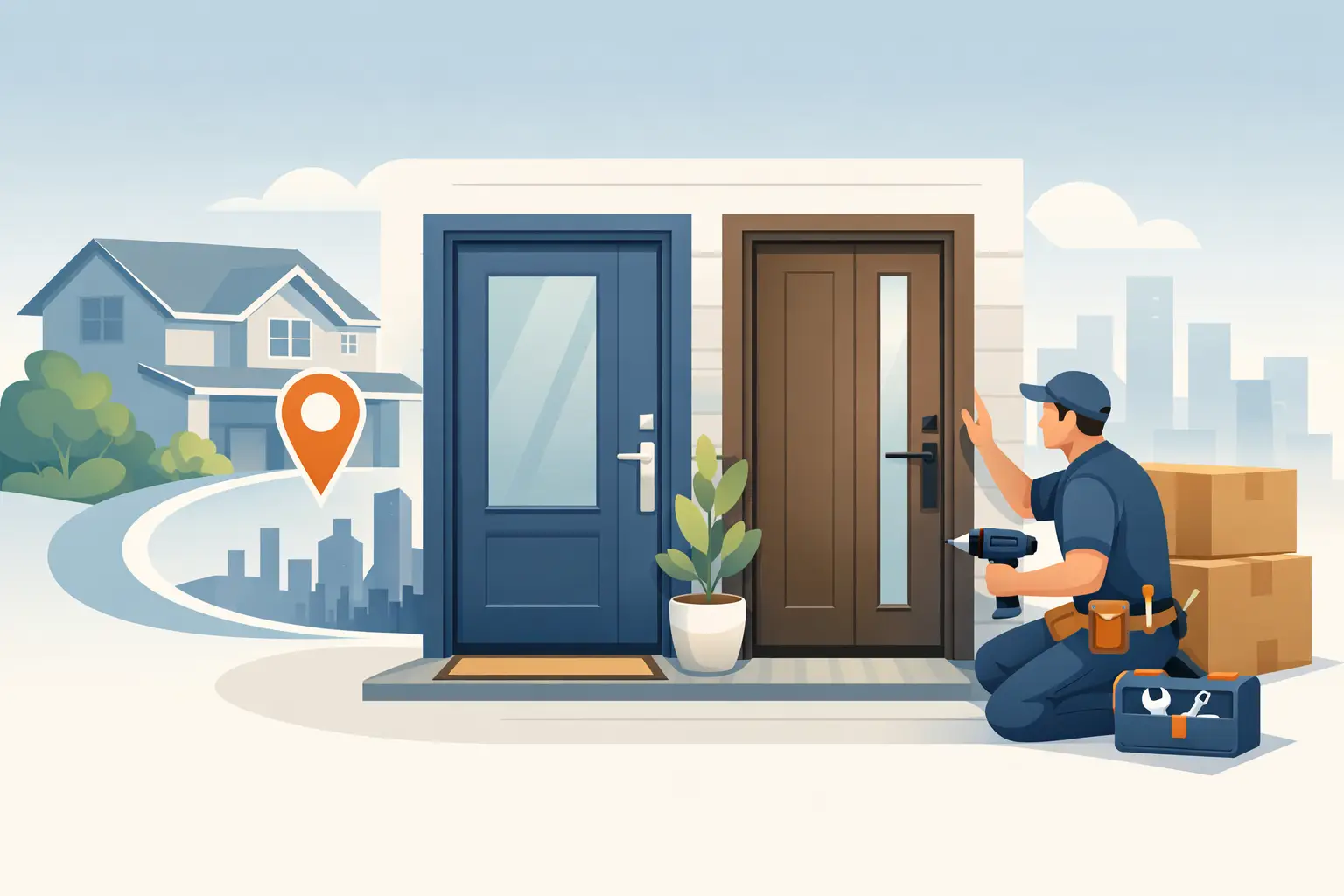
When people type this search into Google, what they often want is confidence. They want a local company that can inspect the opening, recommend suitable options, and install the door without delays, guesswork, or avoidable callbacks.
Local experience helps because front doors are rarely one-size-fits-all. Older homes can have irregular openings. Newer homes may call for a sharper architectural style or specific compliance requirements. Coastal or exposed sites may need stronger weather resistance. Busy family homes may prioritize durability and low maintenance over delicate finishes.
A nearby specialist is also easier to deal with if adjustments are needed after installation. Doors can settle slightly as homes move, seals may need minor tuning, and hardware alignment sometimes benefits from a follow-up check. Service matters just as much after the install as it does on the day.
Choosing the right front door for the property
The best front door is the one that fits the house visually and performs well in real conditions. That sounds obvious, but it is where many rushed purchases go wrong. A statement door can look impressive in a showroom and still feel out of place once it is installed.
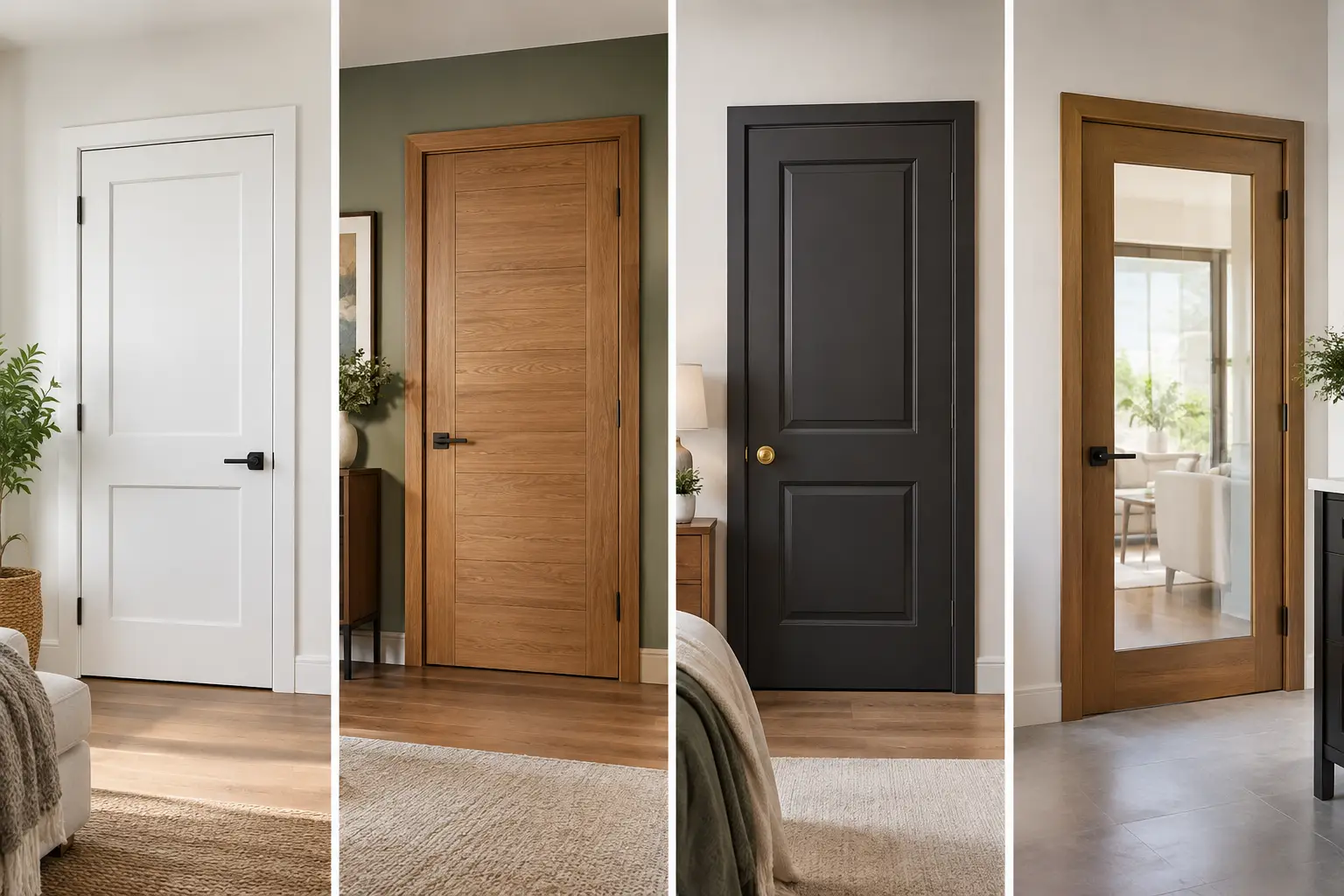
Material is one of the first decisions. Timber offers warmth, character, and a premium look that suits both classic and contemporary homes, but it does require proper finishing and maintenance. Fiberglass is often chosen for stability and lower upkeep, especially where weather exposure is a concern. Steel can offer strong security benefits, though the appearance may suit some homes better than others.
Style matters too. A simple shaker profile can feel timeless. A glazed design can bring light into the entry, but privacy and energy performance need to be considered. A bold pivot-style look may appeal in modern builds, while traditional panel detailing may suit established homes better. The right choice depends on facade, function, and how much of a visual statement you want the entry to make.
Color, stain, and hardware should never be an afterthought. These details affect whether the result feels cohesive or pieced together. Handles, locks, hinges, and finishes need to work with the door design and the daily use of the property.
Supply only versus supply and installation
There are cases where supply only makes sense. Builders with their own trusted carpenters may already have installation covered. Some property professionals also prefer to manage trades directly. But for most homeowners and renovators, supply and installation is the safer path.
The reason is simple. Responsibility stays clear. If the supplier also installs the door, there is less room for disputes over incorrect sizing, fit issues, or hardware problems. It usually leads to a smoother process and a more polished finish.
It also reduces the risk of hidden compromises. A door that is trimmed too aggressively on site, installed into a poor frame, or sealed badly around the perimeter may never perform as intended. Expert fitting protects the investment.
What affects the cost
Price varies because front door projects vary. The door itself is only one part of the total.
Material, size, profile, glazing, hardware, finish, and brand all affect product cost. Installation costs then depend on whether the existing frame can stay, whether side panels are involved, whether structural adjustment is needed, and how complex the site access is.
An older property often takes more labor than a clean, standard opening in a new build. Removing an old frame, repairing surrounding trim, and making the entry look finished can add time, but those steps are often what separate a rushed install from a professional one.
The cheapest quote is not always the best value. If one price excludes fitting off hardware, threshold work, trim finishing, or disposal of the old door, it may not be directly comparable. A clear scope is worth more than a low headline number.
Questions worth asking before you book
If you want a front door that looks right and lasts, ask how measurements are handled, whether frame replacement is available if needed, and what is included in the installation. It is also worth asking about finishing, sealing, hardware prep, and any site conditions that could affect the job.
You should also ask who is responsible for the final fit and adjustment. Front doors need precision. Margins should be even, locks should engage smoothly, and the door should not bind, rattle, or leave gaps. Good installers notice these details because they affect both appearance and performance.
For design-conscious projects, ask to see options that suit the home rather than choosing in isolation. A great supplier does not just present products. They help narrow the field so the final selection feels considered and appropriate.
Why installation quality changes everything
A front door is used hard. It gets slammed by kids, pulled shut with groceries in hand, exposed to heat, rain, and dust, and expected to stay reliable through all of it. That is why installation quality is not a finishing touch. It is the foundation of how the door performs.
Precise fitting improves security because locks and strike plates align properly. It improves comfort because seals reduce drafts and outside noise. It improves durability because the door is not fighting against a twisted frame or poor clearance every time it opens and closes.
It also improves appearance. Clean lines, consistent gaps, and well-fitted architraves make the whole entry feel more expensive. This is often what clients notice most after the job is done. The house does not just have a new door. It feels more complete.
For homeowners, renovators, and builders who want both product quality and dependable execution, working with a specialist makes the process easier. A company such as Meriton Doors brings selection, fitting expertise, and finish quality together, which is exactly what a front entry project needs.
A better way to judge the right supplier
The right supplier-installer should make decisions clearer, not more confusing. They should talk through options in plain language, explain where extra work may be necessary, and recommend products that fit the home rather than pushing whatever is easiest to sell.
Look for craftsmanship, but also look for practicality. A beautiful front door still needs to handle real life. The best result is one that lifts the look of the property, feels secure in hand, and keeps performing long after installation day. When you choose with that standard in mind, the right front door tends to stand out for all the right reasons.