A front door can look impressive in a showroom and still disappoint once it reaches the opening. That is usually where exterior door supply and fit either proves its value or exposes shortcuts. A well-chosen door should do more than fill a frame. It should suit the home, close cleanly, handle daily use, and hold up against weather, wear, and changing temperatures.
For homeowners, builders, and renovators, that is the real difference between buying a door and finishing an entrance properly. The product matters, but the final result depends just as much on sizing, material selection, frame condition, hardware compatibility, and installation quality. When those elements are handled together, the outcome feels solid, looks refined, and performs the way it should for years.
Why exterior door supply and fit should be planned together
It is tempting to treat supply and installation as separate decisions. On paper, that can seem efficient. In practice, it often creates avoidable issues. A door may be ordered without accounting for an out-of-square opening, the wrong jamb depth, the swing direction, threshold requirements, or the weight of the slab once hardware is fitted.
When supply and fit are approached as one service, those problems are usually identified early. Measurements are taken with installation in mind, not just product selection. The door style can then be matched to the structure, the exposure of the property, and the level of performance the space actually needs.
This is especially important on entry doors, where appearance and function carry equal weight. A striking design means very little if the door sticks in humid weather, lets drafts in around the frame, or shows signs of movement within months. Proper fit protects the investment.
What a quality exterior door needs to do
An exterior door works harder than many people expect. It is part of the home’s first impression, but it also contributes to privacy, insulation, security, and day-to-day comfort. That means the right choice is rarely based on looks alone.
A good exterior door should feel proportionate to the home and complement the architecture rather than compete with it. It should also be built for the environment it faces. A sheltered entry has different demands than a west-facing opening exposed to sun and rain. Material choice, finish, and construction all need to reflect that reality.
Durability is another major factor. A front entry is one of the most frequently used parts of the house, and in light commercial settings that wear increases quickly. Hardware, hinges, seals, and the frame assembly all need to support long-term use. That is why craftsmanship matters just as much as product range.
Choosing the right door for the opening
Not every exterior door project starts from the same place. Some clients are replacing an outdated front door to improve curb appeal. Others are finishing a new build, upgrading a rental property, or correcting problems with an older frame that has shifted over time. The right solution depends on the condition of the opening as much as the desired style.
In some cases, the existing frame can remain if it is structurally sound, properly aligned, and compatible with the new door. In others, replacing the door alone is false economy. If the jamb is worn, swollen, or out of plumb, fitting a premium slab into a compromised frame usually leads to poor operation and visible gaps.
That is where an experienced assessment pays off. It allows decisions to be made around the whole opening, including side panels, architraves, thresholds, and adjoining timber components if needed. The finished result is cleaner, more durable, and far more consistent.
Material, style, and performance
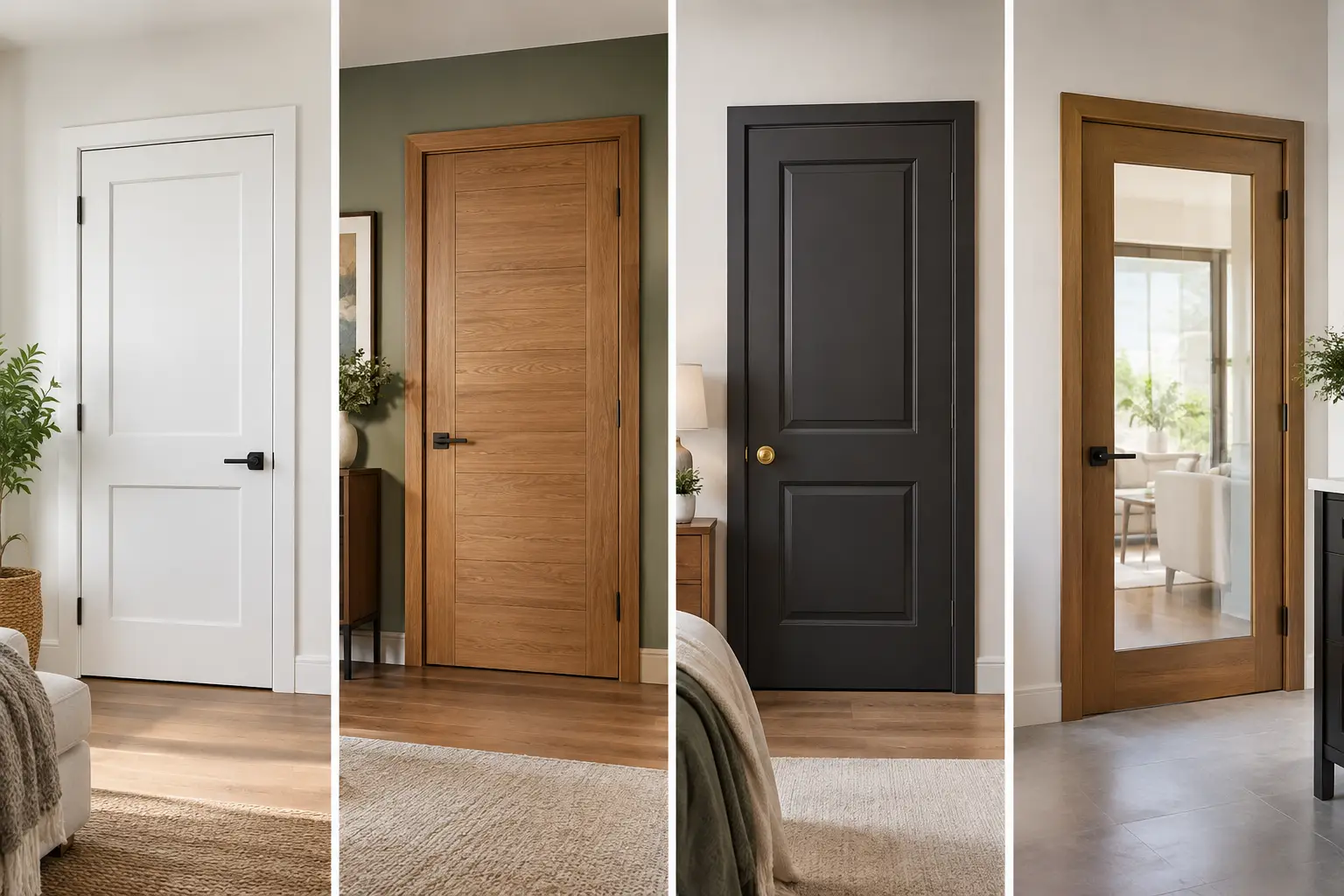
Timber remains a popular choice for exterior doors because it offers warmth, character, and strong visual presence. It suits both traditional and contemporary homes, and when selected well, it can create a genuinely elevated entrance. But timber also needs to be appropriate for the exposure conditions and finished correctly to maintain stability and appearance.
Glazed elements can add natural light and a more open feel, though privacy and thermal performance need consideration. Decorative panels, shaker profiles, French door formats, and custom detailing can all work beautifully, but the design should still support the practical role of the door. A bold entrance should never come at the expense of reliability.
Weight is another consideration that is often overlooked. Heavier doors may feel substantial, which many clients prefer, but they also place greater demands on hinges, frames, and installation accuracy. That does not make them the wrong choice. It simply means the fitting standard has to match the product.
Why measurements and preparation matter so much
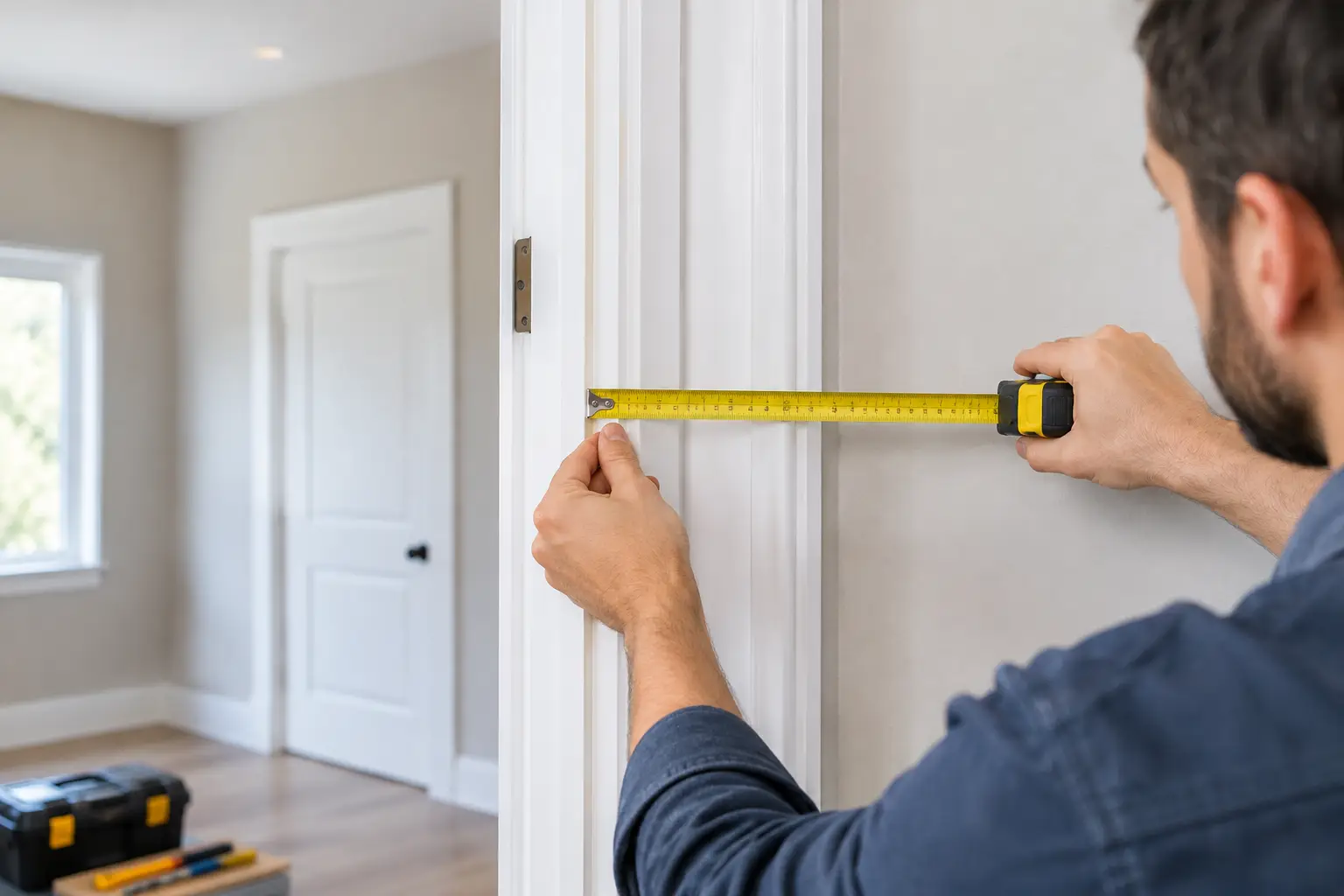
The best-looking exterior door in the wrong size becomes an expensive problem very quickly. Accurate measurement is not just about width and height. It includes checking reveal conditions, floor levels, wall thickness, jamb depth, clearance requirements, latch positions, and whether the opening is square.
Older homes can present added complexity. Settling, renovations, flooring changes, and previous patchwork repairs often mean the opening is no longer straightforward. This is exactly why off-the-shelf assumptions do not always translate to a good result on site.
Preparation also affects finish quality. If the frame needs repair, the threshold needs adjustment, or surrounding trim needs replacement, those items should be addressed before the final installation stage. Good fitting is not rushed. It is methodical, because small inaccuracies around an exterior door become highly visible once the project is complete.
The installation stage is where quality becomes obvious
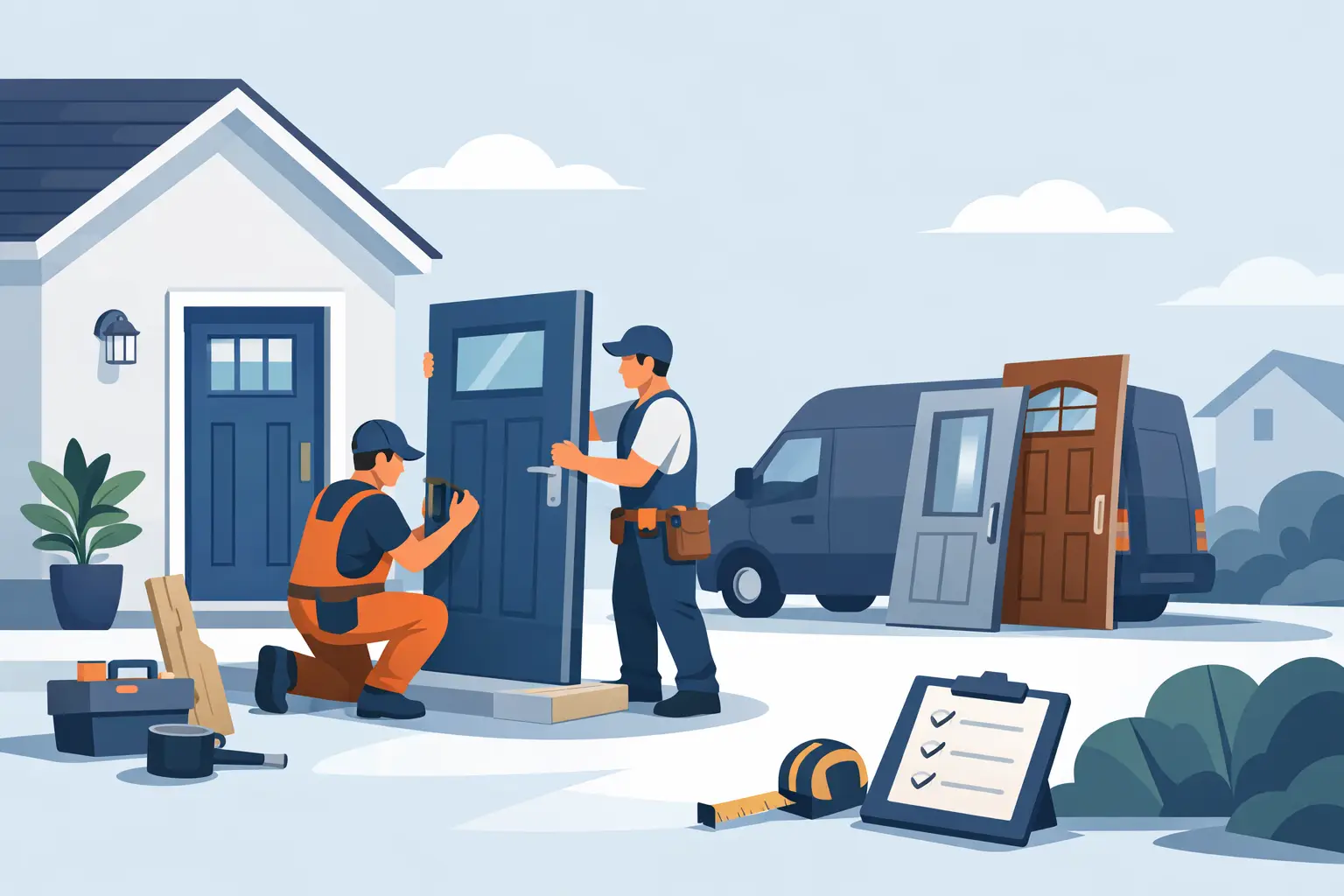
A professionally installed exterior door should feel effortless to use. It should open smoothly, latch securely, sit evenly in the frame, and show consistent margins. Weather seals should perform properly without making the door hard to close. Hardware should feel aligned and firm, not forced into place to compensate for poor fitting.
This level of finish does not happen by chance. It comes from precise hanging, careful adjustment, and attention to the surrounding components. If side panels, jambs, skirting transitions, or architraves are part of the job, they should read as one coordinated installation rather than separate pieces assembled at different times.
Tidy execution matters too. Clients notice when an installer protects surrounding surfaces, works accurately, and leaves the area clean. That professionalism is part of the service, especially when the project is taking place in a finished home rather than on an empty construction site.
Exterior door supply and fit for different property needs
The priorities for exterior door supply and fit can vary depending on the property. A homeowner upgrading a main entrance may be focused on statement design, improved insulation, and a better first impression from the street. A builder may need dependable product availability, precise specifications, and installation that keeps the wider schedule moving. A property manager may place more emphasis on durability, security, and straightforward maintenance.
None of those priorities are wrong. They simply shape the recommendation. That is why a tailored approach matters. The best result usually comes from balancing appearance, budget, long-term wear, and the way the property is actually used.
For example, a highly detailed timber entry door may be ideal for a design-led renovation, but a lower-maintenance solution could be the better fit for a busy investment property. Likewise, a dramatic double-door entry can look exceptional, though it also requires the right scale, framing, and installation detail to justify the choice.
What to look for in a supply-and-fit specialist
If you are comparing providers, product range is only one part of the picture. What matters just as much is whether the supplier understands installation at a practical level. They should be able to guide you through design options while also discussing frame condition, tolerances, site access, hardware suitability, and finishing requirements.
That combination of product knowledge and fitting expertise tends to produce better decisions from the start. It also gives clients a clearer sense of what they are paying for. Premium doors deserve premium execution, not guesswork at the final stage.
This is where a specialist business such as Meriton Doors adds value. The strength is not only in offering quality doors and timber components, but in bringing selection and installation together with a craftsmanship-led approach. For clients who want the result to look polished and perform properly, that joined-up service removes a lot of uncertainty.
A new exterior door should feel like it belongs to the property from day one – secure, balanced, and visually right. When supply and fit are handled with care, that is exactly what you get.