
A set of French doors can change the feel of a room faster than almost any other feature. In Sydney homes, where natural light, indoor-outdoor flow, and clean architectural lines matter, the right doors do more than close an opening. They frame a view, improve movement through the home, and add a level of finish that feels intentional.
That is why french doors Sydney property owners choose tend to be less about trend and more about balance. They need to look refined, handle daily use, suit the style of the home, and be installed with precision. A beautiful door can lose its impact quickly if it sticks, drafts, rattles, or sits unevenly in the opening.
Why french doors Sydney homes suit so well
Sydney homes cover a wide range of styles, from older character homes to new builds and contemporary renovations. French doors work across that range because they bring structure and openness at the same time. You get separation between spaces without the heavy, closed-off feel of a solid door.
Inside the home, they are often used between living and dining areas, home offices, media rooms, and transitional spaces that need light without losing definition. Externally, they are a strong choice for opening onto alfresco areas, decks, courtyards, and gardens. The glass panels help carry daylight deeper into the house, which can make adjoining rooms feel larger and more inviting.
There is also a practical reason they remain popular. When properly selected and fitted, French doors offer a wide access point that suits entertaining, furniture movement, and everyday family life. For homeowners renovating with long-term value in mind, that combination of style and function is hard to ignore.
Choosing the right French doors for your space
The best result starts with understanding the role the doors need to play. Not every opening calls for the same configuration, material, or glazing choice. A formal internal opening may need something elegant and understated, while rear exterior doors may need stronger weather performance and security features.
Internal vs external use
Internal French doors are usually chosen to define space while keeping the home visually connected. In these settings, the focus is often on proportion, glass layout, and how the doors complement nearby joinery, floors, and trim. Clear glass is common, but it is not the only option. Frosted or patterned glass can work where privacy matters.
External French doors have a tougher job. They need to look polished, but they also need to perform. Exposure to sun, moisture, and temperature changes makes material quality and installation much more important. The frame, seals, threshold, hardware, and glazing all contribute to how well the doors hold up over time.
Timber, glazed design, and overall style
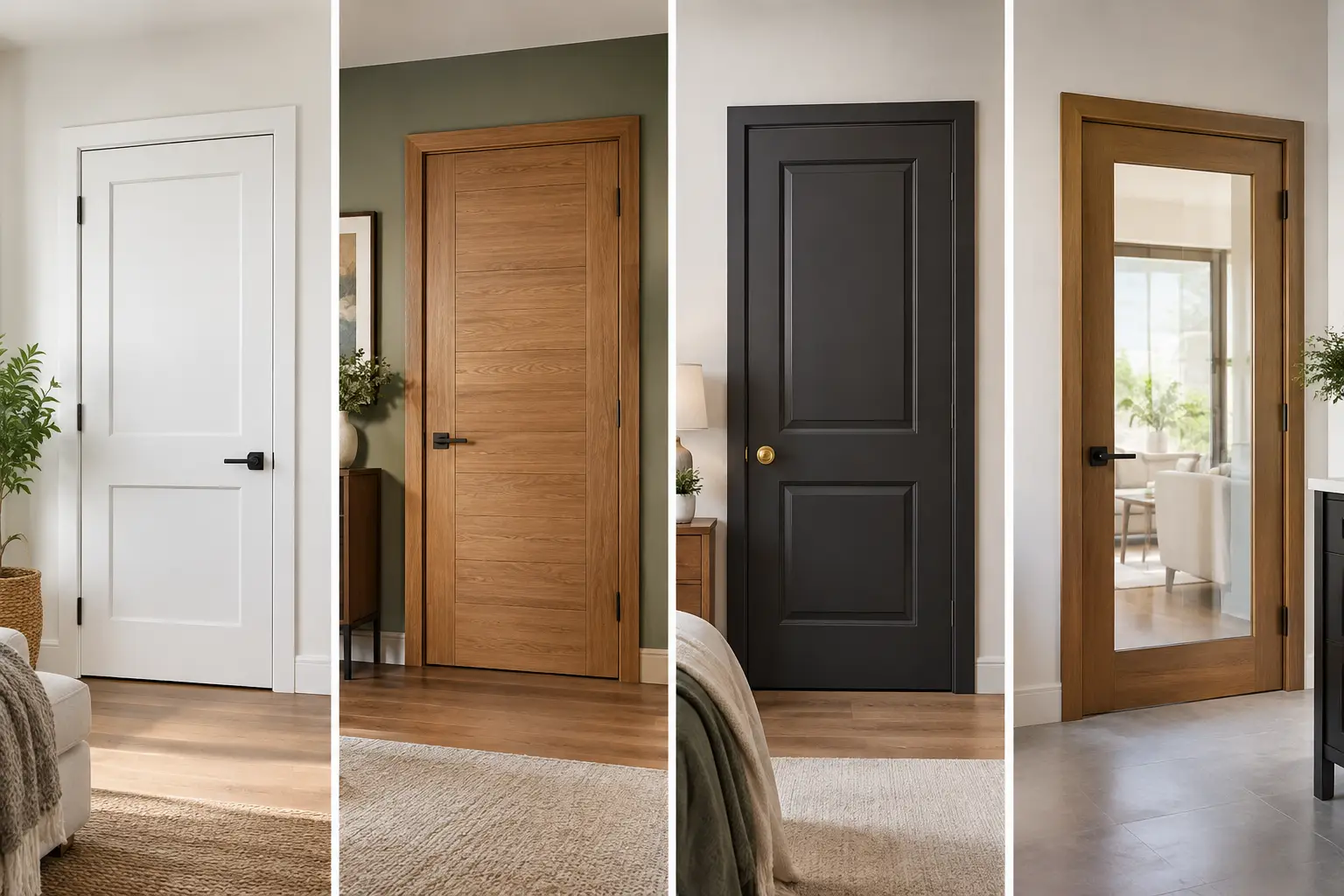
Material choice affects appearance, maintenance, and longevity. Timber remains a favorite for homeowners who want warmth, detail, and a premium finish. It suits both traditional and modern homes depending on the profile and paint or stain selection. The craftsmanship shows more clearly in timber, which is one reason it remains such a strong option for design-focused projects.
Glass configuration matters too. Full-height glazing creates a lighter, more contemporary feel, while divided panes can suit heritage homes or spaces where more architectural detail is desired. The right choice depends on the home itself. A door should feel like part of the design, not an afterthought added from a catalog.
Sizing and proportion
One of the most common mistakes is choosing doors based only on the rough opening. The proportions need to work with ceiling height, wall width, and the visual weight of the room. Wider is not always better, and neither is more glass. In some homes, a slimmer, more refined door set looks far more expensive than an oversized option that overwhelms the wall.
This is where expert guidance makes a real difference. A good supplier and installer will look beyond the door leaf and consider jambs, architraves, hardware, clearance, and how the doors will operate in the lived space.
What affects quality more than most buyers expect
Many doors look impressive in a showroom or product photo. The difference becomes obvious after installation. Quality is not just about the door itself. It is about how every element works together once the doors are opened and closed hundreds of times.
Joinery quality is one part of that. A well-made door should feel solid, operate smoothly, and hold its alignment. Hardware matters just as much. Hinges, handles, locks, and catches need to suit the weight and purpose of the doors. On external sets, weather sealing and threshold detailing are especially important.
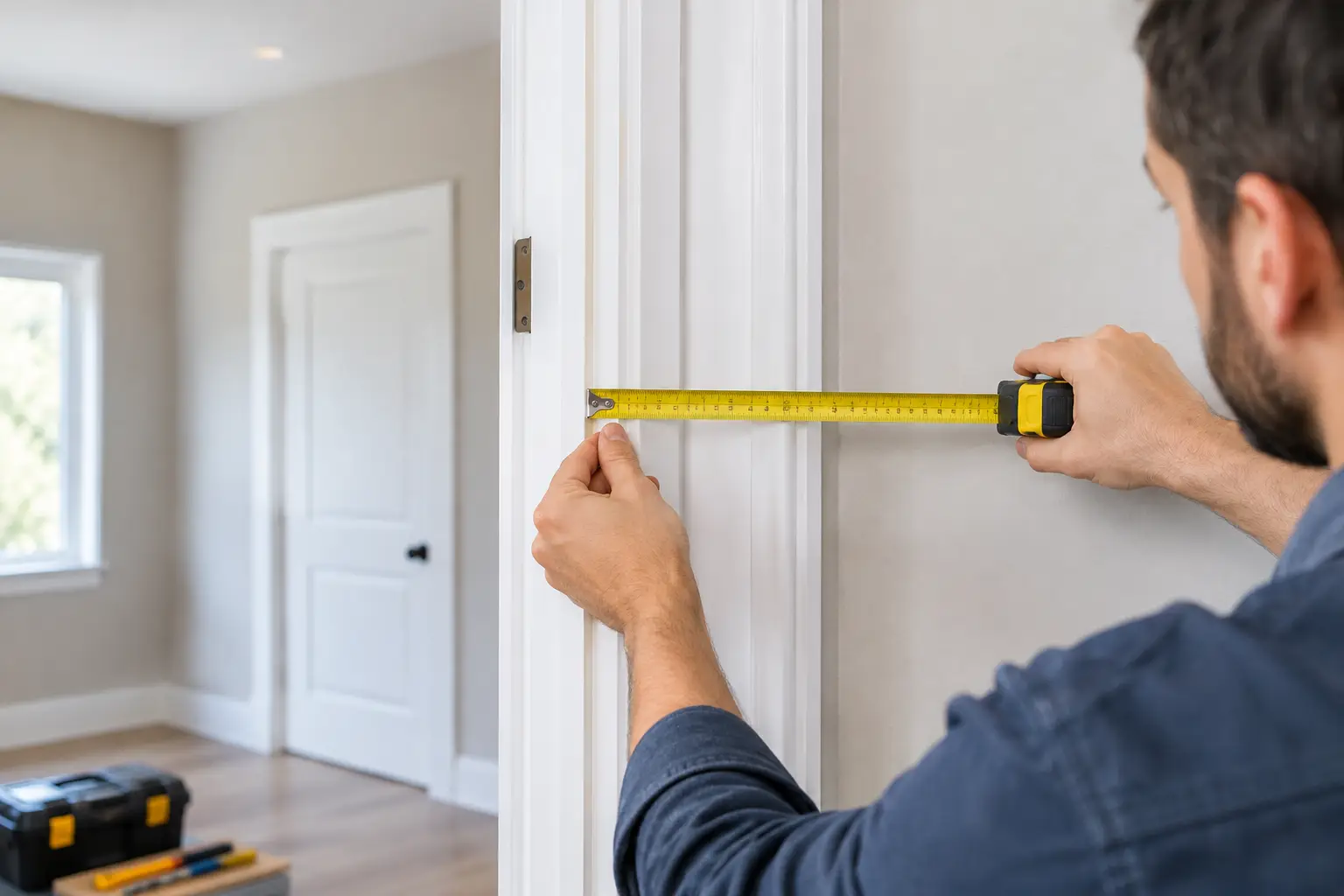
Then there is installation. Even premium doors can disappoint if the opening is out of square, the frame is not set correctly, or the finishing work lacks precision. Gaps, rubbing, poor latch engagement, and uneven reveals are not small issues. They affect appearance, performance, and the life of the doors.
For builders, renovators, and property managers, this is often the real value of working with a specialist. The finish is cleaner, the fit is tighter, and fewer problems show up later.
Cost considerations for French doors in Sydney
Price matters, but it should be looked at in context. French doors vary in cost based on material, size, glazing, hardware, frame requirements, and whether the project involves supply only or full installation. Custom work, structural adjustments, and finishing details can also affect the final figure.
A lower upfront price can be appealing, especially during a renovation with multiple moving parts. But doors are high-touch elements. They are used constantly, and poor performance becomes obvious fast. If the doors warp, drag, fail to seal properly, or require ongoing fixes, the initial savings disappear.
It is usually smarter to assess value through the full result. Are the materials durable? Does the design suit the property? Is the installation handled by people who understand door alignment, trim integration, and functional performance? A door is not a decorative panel. It is a working part of the home, and it should be treated that way.
Where French doors work best
French doors are flexible, but some placements consistently deliver strong results. In family homes, they are often used to connect living rooms with outdoor entertaining spaces. This creates a wider opening and a more open sightline without removing the ability to close the area off when needed.
They also work well between shared and quiet zones inside the home. A home office behind French doors feels connected rather than isolated. A formal lounge or reading room gains privacy without losing natural light. In renovations, they can improve the flow of older floor plans that feel segmented or dark.
For light commercial settings, they can bring a polished finish to offices, consulting rooms, and boutique spaces where presentation matters. The right door choice can make a room feel more established and considered without becoming overly decorative.
Why installation should never be treated as an afterthought
A strong finish depends on details most people do not notice until they are wrong. The clearance at the floor, the swing path, the reveal lines, the lock alignment, the seal around the frame, and the way the doors meet in the center all matter.
This is why supply-and-fit service is often the smarter path. It reduces the risk of mismatch between product choice and site conditions, and it keeps accountability clear. If one team is guiding selection, supplying the doors, and handling installation, the process is more controlled from start to finish.
For homeowners and renovators, that means fewer coordination issues. For builders and property managers, it means more predictable outcomes and less time spent fixing preventable problems. A company like Meriton Doors understands that the product is only half the job. The installed result is what clients actually live with.
Making the final choice with confidence
If you are comparing options, start with the room itself. Think about how much light you want, how much privacy you need, and how the doors should feel in daily use. Consider whether the project calls for a statement feature or a quieter architectural finish. Then look closely at quality, proportion, and installation capability.
The right French doors should feel effortless once they are in. They should suit the home, operate smoothly, and look as though they were always meant to be there. That is the standard worth aiming for, because a well-crafted door does more than complete an opening. It improves how the space looks, moves, and lives every day.