You can change the feel of a home faster with the right interior door than most people expect. Internal shaker doors have a quiet confidence that works across modern renovations, classic homes, and practical family spaces alike. Their appeal comes from proportion, clean lines, and the way they add definition to a room without fighting for attention.
For homeowners, builders, and renovators, that balance matters. A door is not just a panel that opens and closes. It affects sightlines, privacy, acoustics, durability, and the overall finish of the home. When the profile is right and the installation is precise, the result feels considered from room to room.
Why internal shaker doors remain a smart choice
Shaker design has staying power because it is simple without feeling plain. The framed construction and recessed center panel create subtle depth, which gives the door character while still fitting comfortably into a wide range of interiors. In a new build, it can sharpen the look of a clean, contemporary layout. In an older home, it can bring order and consistency without stripping away warmth.
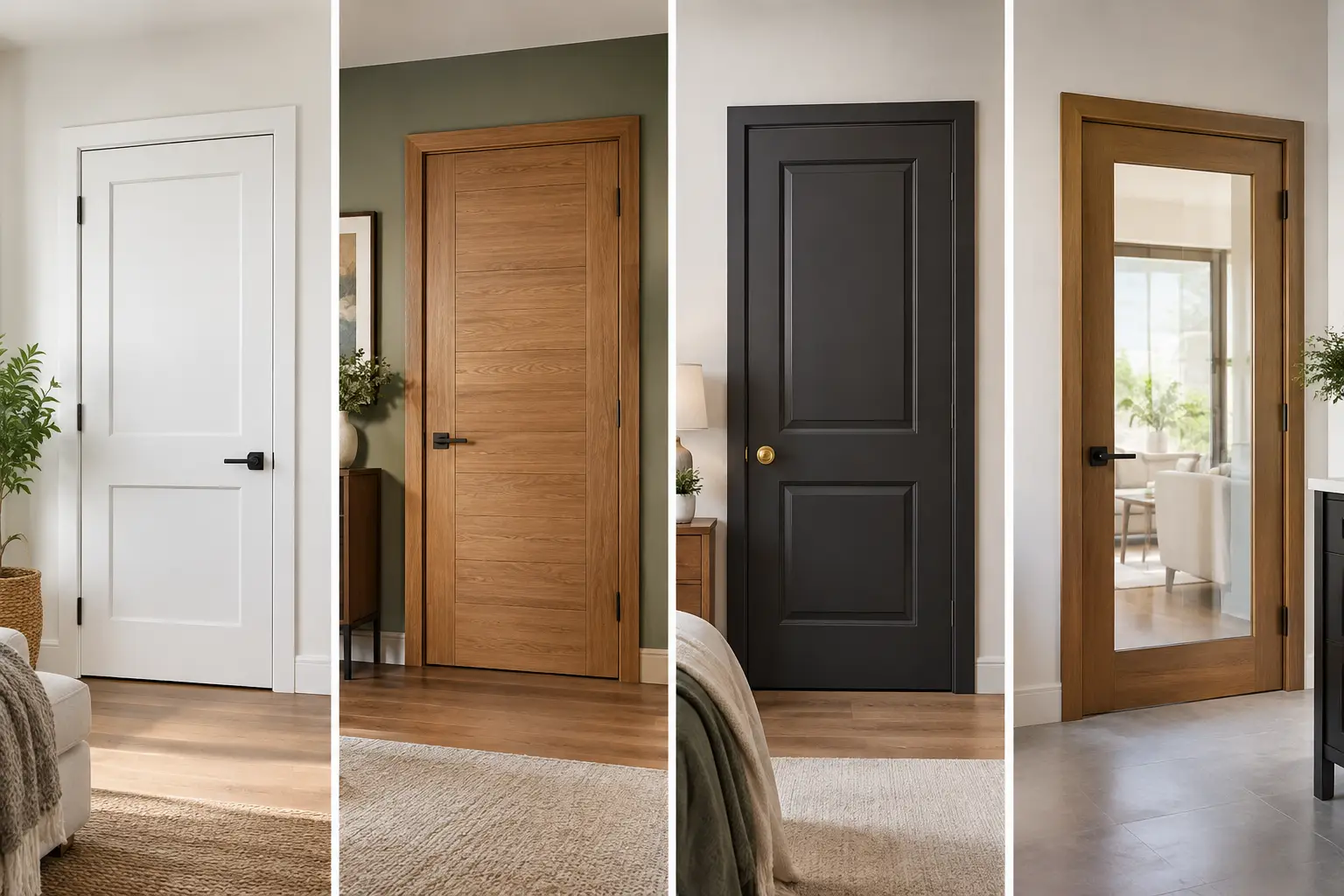
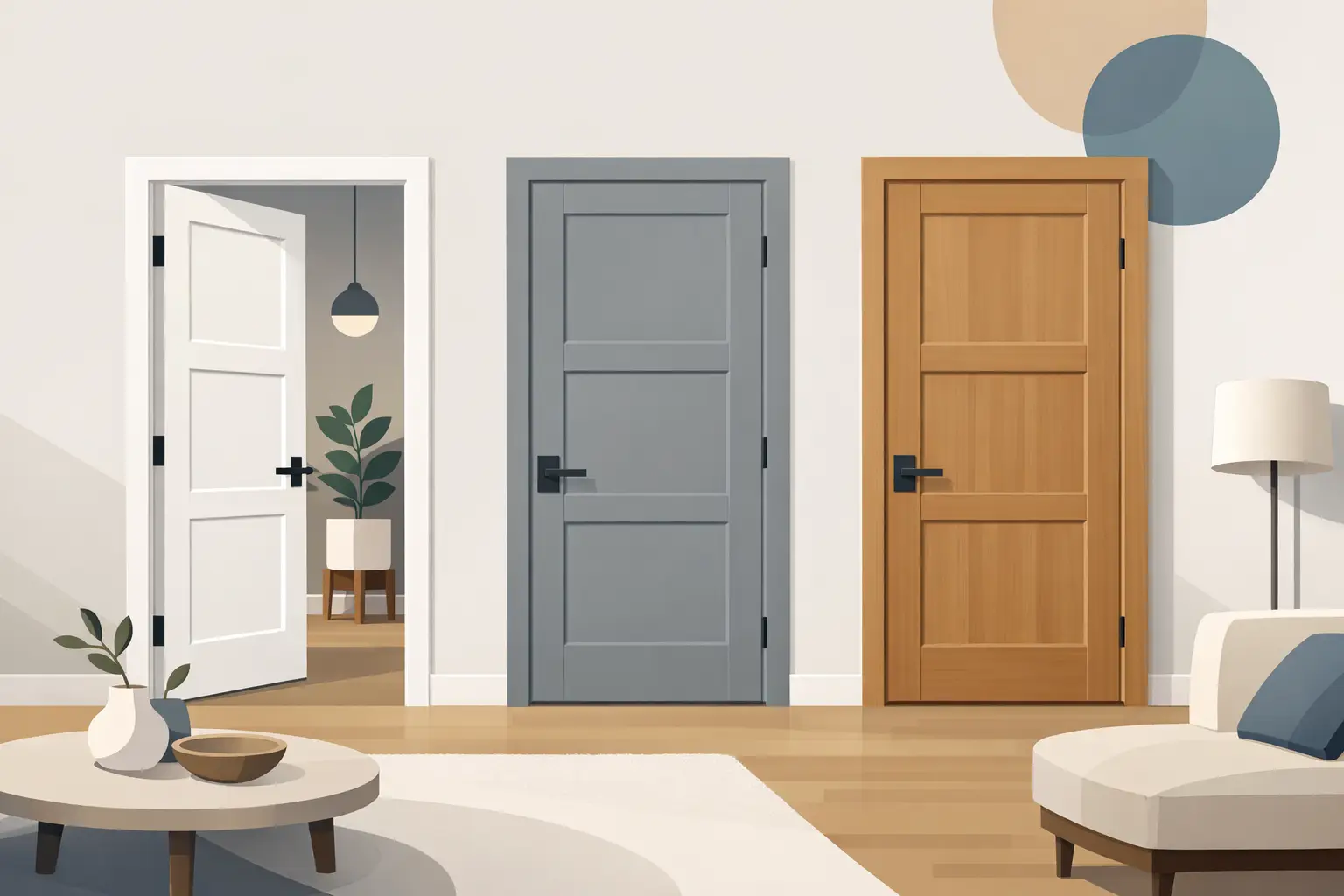
That versatility is one of the biggest reasons internal shaker doors remain in demand. They suit minimalist schemes, coastal homes, transitional interiors, and more traditional settings. You can paint them crisp white for a bright, architectural finish, choose a softer neutral for a calmer look, or coordinate them with timber details elsewhere in the home.
There is also a practical advantage to a design that has been trusted for decades. Shaker doors do not rely on passing trends or overly decorative detailing, which means they tend to age well visually. If you are investing in a renovation or fitting out a property for long-term use, that matters.
Where shaker doors work best inside the home
One of the strengths of this style is how easily it can move through an entire floor plan. Bedrooms, studies, hallways, linen closets, media rooms, and pantry entries can all benefit from the same clean profile. That consistency helps a home feel more cohesive, especially in open-plan layouts where multiple doors are visible at once.
Bedrooms are often where internal shaker doors perform best because they provide a balanced mix of style and privacy. In living areas and studies, they offer a more finished architectural feel than flatter slab doors, while still keeping the design restrained. In hallways, they can help break up long wall runs with just enough shadow line and detail.
Bathrooms and laundries can also be a good fit, but material selection becomes more important in these areas. Moisture resistance, coating quality, and proper sealing all deserve close attention. A good-looking door still needs to stand up to daily use.
Choosing the right style and configuration
Not every shaker door is identical, and the differences matter more than many buyers realize. The number of panels changes the look immediately. A single-panel shaker door feels simpler and more contemporary. A two-panel or four-panel version can lean more traditional and may suit homes with more classic trim details.
Proportion is just as important as panel count. Wider rails and stiles tend to create a stronger, more substantial look. Narrower framing can feel lighter and more modern. The right choice depends on the scale of the room, ceiling height, and the style of adjoining joinery, skirting, and architraves.
Then there is the question of whether the door will be hinged, sliding, or part of a more customized layout. Hinged doors remain the standard choice for most bedrooms and bathrooms, but shaker profiles also translate well to barn-style applications or double-door openings where a bit more visual presence is welcome.
Material, finish, and everyday durability
A door may look excellent in a showroom or catalog, but performance comes down to materials and build quality. For internal shaker doors, the most common options include solid core, semi-solid, and hollow core construction. Each has a place, and the right one depends on budget, location, and expectations.
Solid core doors generally feel more substantial in hand and offer better acoustic performance. They are often the preferred choice in bedrooms, home offices, and other spaces where privacy and a quality feel matter. Hollow core doors are lighter and more budget-friendly, which can be suitable in some low-demand areas, but they do not deliver the same solidity or noise control.
Finish is another key decision. Painted shaker doors remain the most popular option because they highlight the clean geometry of the profile. White is a safe and enduring choice, though warmer tones have become increasingly popular in homes aiming for a softer, more natural palette. If the finish is factory-applied, it can provide a more consistent result, but site finishing allows for easier coordination with custom trim and wall colors.
Durability also depends on how the door is sealed, hung, and handled during installation. Even a premium product can underperform if clearances are poor or hardware is not properly aligned.
Internal shaker doors and the quality of installation
A well-made door deserves a precise fit. This is where many interior projects either come together or start to show their weaknesses. Gaps that are inconsistent, hardware that binds, or jambs that are not properly aligned can make even a strong product feel ordinary.
Internal shaker doors benefit from careful installation because their lines are so clean. Any inconsistency is easier to notice. The margins around the frame, the way the latch engages, and the relationship between the door, architraves, and flooring all affect the final appearance.
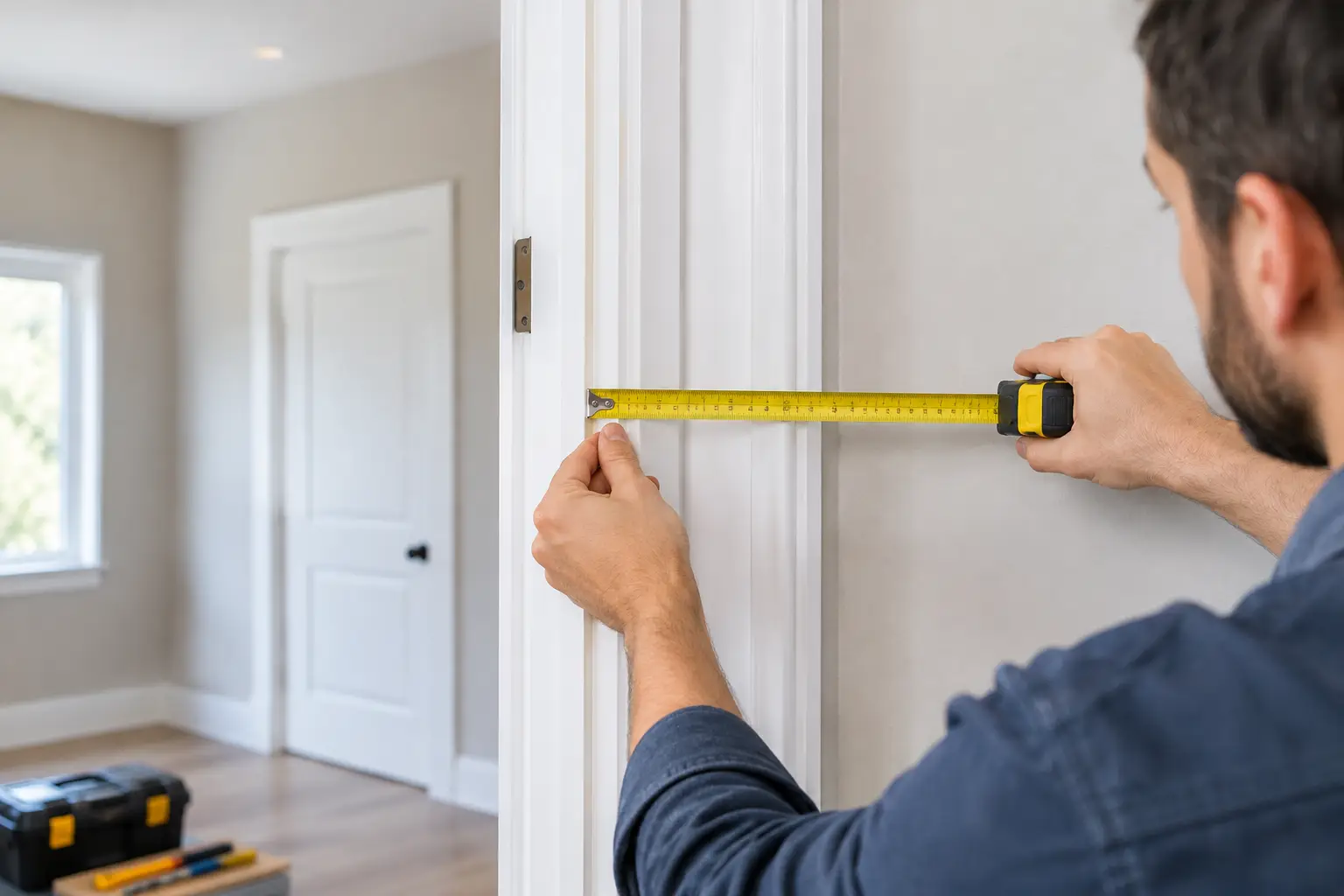
In renovation work, installation can be more complex than it first appears. Existing openings may be out of square, floors may have shifted, and older jambs may not suit the new door thickness or style. This is why professional measuring and fitting often save time and frustration. It is not just about getting the door in place. It is about making it look right and work properly for years.
For clients who want a polished finish without coordination headaches, having supply and installation handled together usually leads to a better result. Product choice, sizing, hardware compatibility, and final fitting all stay aligned.
How to match shaker doors with the rest of the interior
The most successful interiors do not treat doors as an afterthought. They work best when considered alongside trim, flooring, cabinetry, and wall color. Because shaker doors have a defined but restrained profile, they pair especially well with simple architraves, square-set details, or classic trim packages that are not overly ornate.
If your home leans contemporary, a single-panel shaker design with minimal hardware can keep the look crisp. If the home is more traditional, a multi-panel option with more detailed trim may feel more natural. Black hardware can create contrast and a more current edge, while brushed nickel and softer metallic finishes often suit transitional interiors.
Color choice changes the mood as well. A bright white door can sharpen a darker hallway and reflect more light. A warm neutral can make bedrooms feel softer and more settled. Deeper paint colors can look striking, but they also show detail differently, so the quality of the surface finish becomes more noticeable.
What to consider before you order
Before selecting internal shaker doors, it helps to think beyond appearance. Ask how each room is used, how much privacy is needed, and whether sound control matters. A home office used for daily calls has different needs than a linen closet. A rental property may prioritize durability and easy maintenance, while a custom home may place more emphasis on exact design detailing.
Lead times, hardware selection, and whether matching components are available should also be part of the conversation. If you are updating multiple rooms, consistency in profile and finish can make a significant difference to the final impression. It is worth getting those details right from the beginning rather than trying to patch the look together later.
For homeowners across Sydney who want doors that feel refined, dependable, and properly fitted, Meriton Doors focuses on exactly that combination. The right shaker door should not just look good on day one. It should continue to perform, close cleanly, and support the finish of the home over time.
Internal shaker doors work because they bring discipline to a space without making it feel rigid. When chosen carefully and installed with attention to detail, they add the kind of quality you notice every day in the best possible way.