A swinging door needs clearance. In a tight hallway, a compact ensuite, or an open-plan room that needs flexible separation, that clearance can be the first thing that stops a good layout from working. That is exactly why sliding barn doors for homes have become such a practical design choice. They do more than add character – they solve space problems, create a strong visual feature, and offer a cleaner way to define rooms without heavy structural changes.
For homeowners, renovators, and builders, the appeal is clear. A well-selected barn door can bring warmth, texture, and proportion to a room while making day-to-day use easier. But the result depends on more than the door style alone. Size, wall space, track quality, finish, and installation accuracy all matter if you want the final look to feel polished rather than improvised.
Why sliding barn doors for homes keep gaining traction
Part of the popularity comes down to space efficiency. Because the door slides across the wall instead of swinging into the room, you can recover usable floor area around vanities, wardrobes, laundry zones, and narrow transitions. In modern homes where every square foot matters, that can make a real difference to furniture placement and circulation.
The second reason is visual impact. A barn door draws the eye in a way a standard hinged door rarely does. It can soften a minimalist interior with natural timber grain, add contrast in a crisp contemporary scheme, or reinforce a farmhouse, coastal, or industrial look depending on the profile and hardware selected. This versatility is one of its strongest advantages.
There is also a renovation benefit. In some layouts, installing a sliding barn door is simpler than reframing for a pocket door. You still need the right structure and careful fitting, but you avoid placing the door inside the wall cavity. That makes it an appealing option when homeowners want a smart functional upgrade without a major rebuild.
Where sliding barn doors for homes work best
Not every opening is a perfect candidate, but many are. Pantries are a natural fit because they often sit in busy kitchen zones where a swinging door becomes awkward. Laundry rooms are another strong option, especially in hallways or mudrooms where clearance is limited.
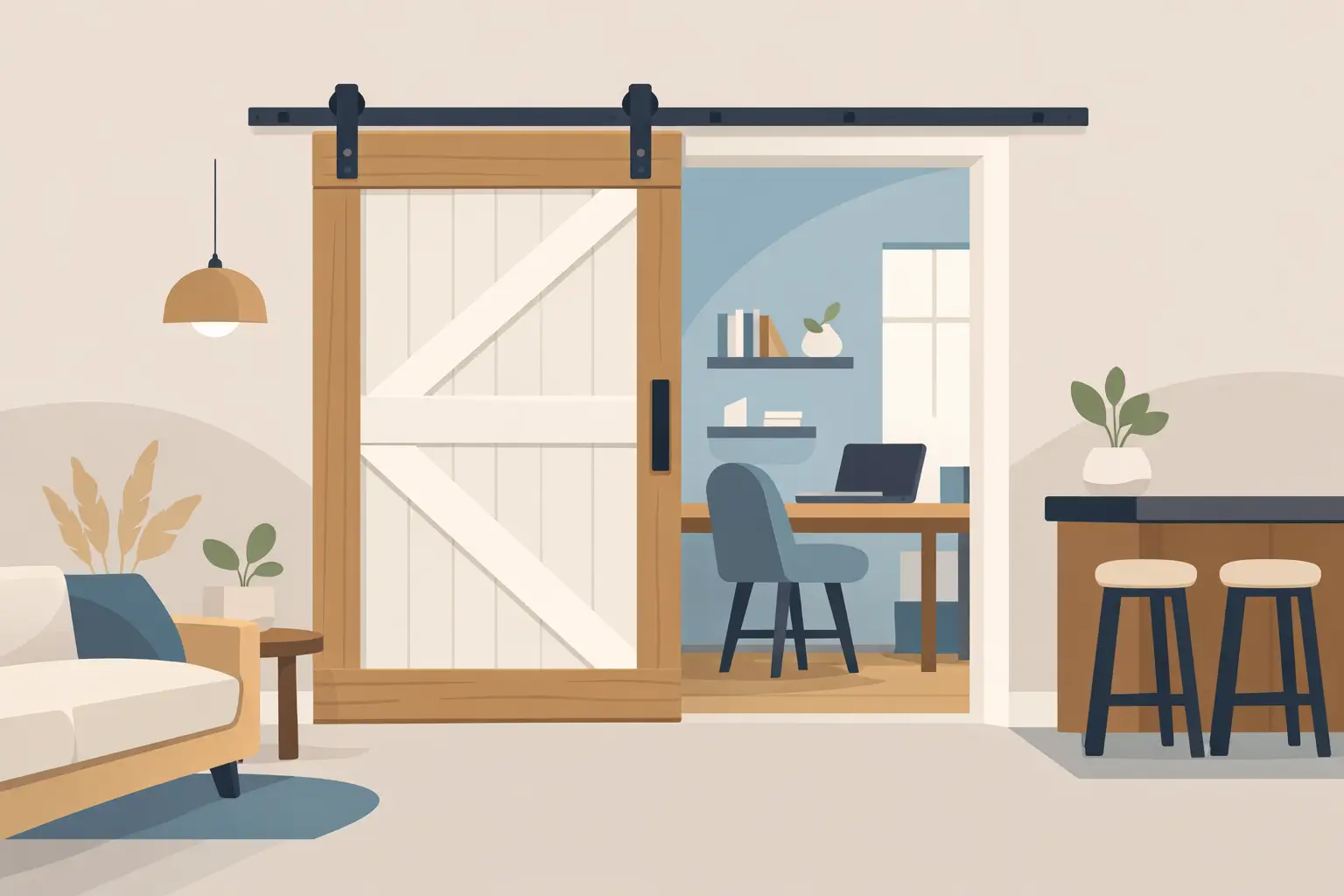
Barn doors also suit home offices, study nooks, and secondary living spaces. In these rooms, the goal is often flexible separation rather than full acoustic privacy. A sliding door lets the space open up when needed and close off when focus or tidiness matters.
Bedrooms and bathrooms can work too, but this is where expectations need to be realistic. A surface-mounted sliding barn door does not seal the opening the same way a hinged door does. There are gaps at the sides and top, which means less sound control and less privacy. For an ensuite or powder room, that may be acceptable. For a main bathroom used by a larger household, it depends on the layout and the people using it.
Large openings between living and dining areas can benefit as well, particularly in homes that need occasional separation without losing openness altogether. In these cases, double barn doors can create a strong architectural feature while giving the home more flexibility.
Style matters, but proportion matters more
One of the most common mistakes is choosing a door based only on a photo. The right style still has to fit the proportions of the room and the opening. A narrow minimalist panel can look refined in a modern apartment, while a wide plank design with visible grain may feel more at home in a larger family residence.
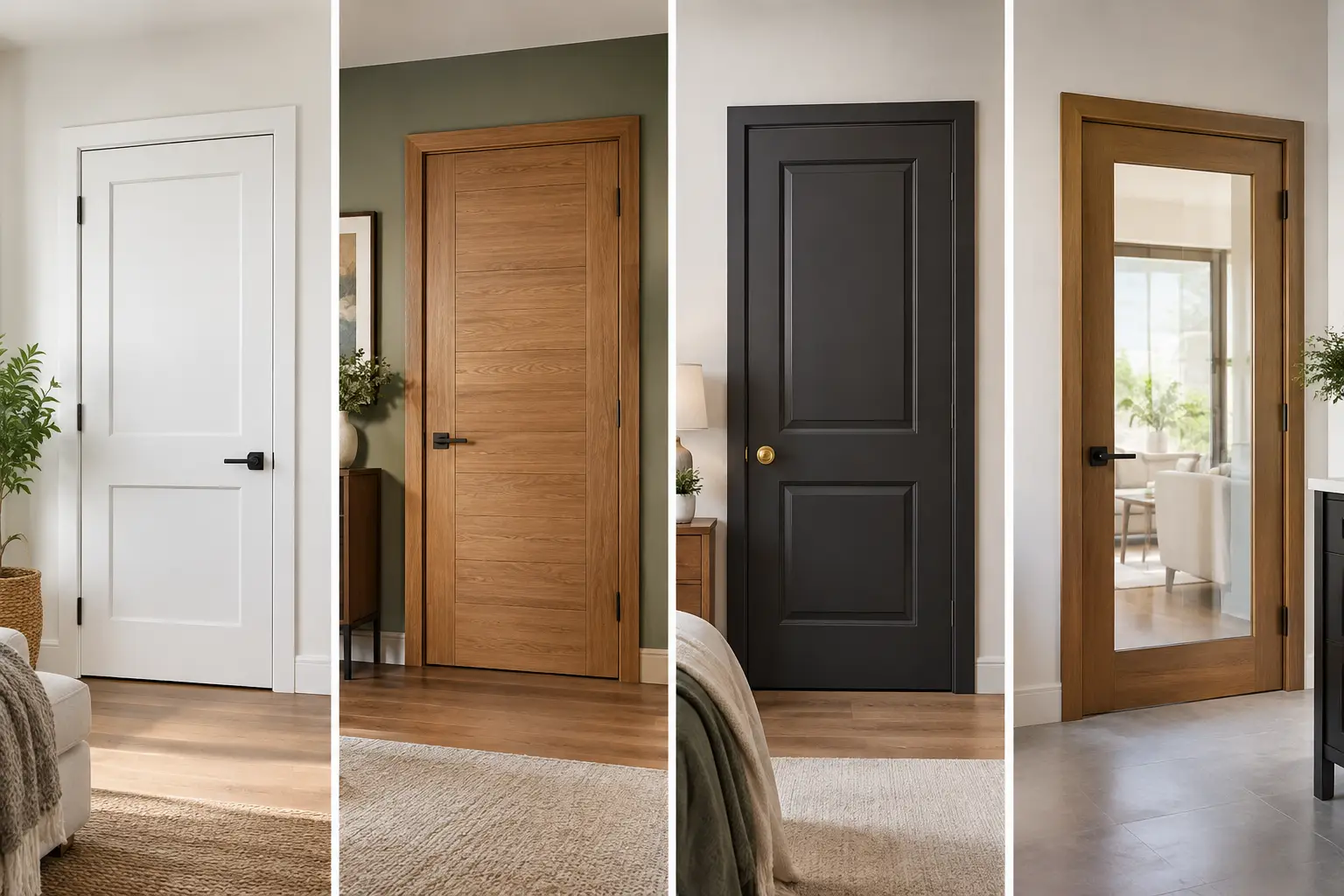
The finish plays a major role in how heavy or light the door feels. Natural timber brings texture and warmth, painted finishes can sharpen the look and tie the door into existing trim, and darker stains often create a statement piece. The best choice depends on the surrounding flooring, wall color, cabinetry, and hardware finishes.
Track hardware deserves the same attention. Matte black is popular for good reason – it gives definition and suits many interior styles. But brushed finishes or softer profiles can sometimes feel more integrated, especially in cleaner contemporary spaces. The goal is not to make the hardware disappear. It is to make sure it belongs.
What homeowners should know before choosing one
The biggest practical requirement is wall space. The door needs enough clear wall area beside the opening to slide fully open. If that wall is interrupted by light switches, power outlets, artwork, cabinetry, or windows, the design may need adjustment.
Weight is another consideration. Solid core and timber barn doors feel substantial and durable, which is often exactly what clients want, but that weight has to be supported properly. The track system, mounting points, and wall structure all need to be suitable for the door selected.
Then there is clearance. Barn doors sit off the wall, and that affects architraves, skirting, and sometimes nearby fixtures. A professional installer will think through these details early, because small clashes can undermine the final finish.
Privacy and acoustics are the other trade-off to consider honestly. If complete separation is the priority, a hinged door or pocket door may be the better answer. If the priority is space-saving function and visual appeal, a barn door can be excellent. The right recommendation depends on how the room is actually used.
Installation quality is what separates a feature from a frustration
A barn door may look simple, but precise installation is what makes it perform well. If the track is not level, the operation will feel wrong. If the fixings are not secure, the system will not inspire confidence. If the door is undersized or poorly aligned, the entire opening can look unfinished.
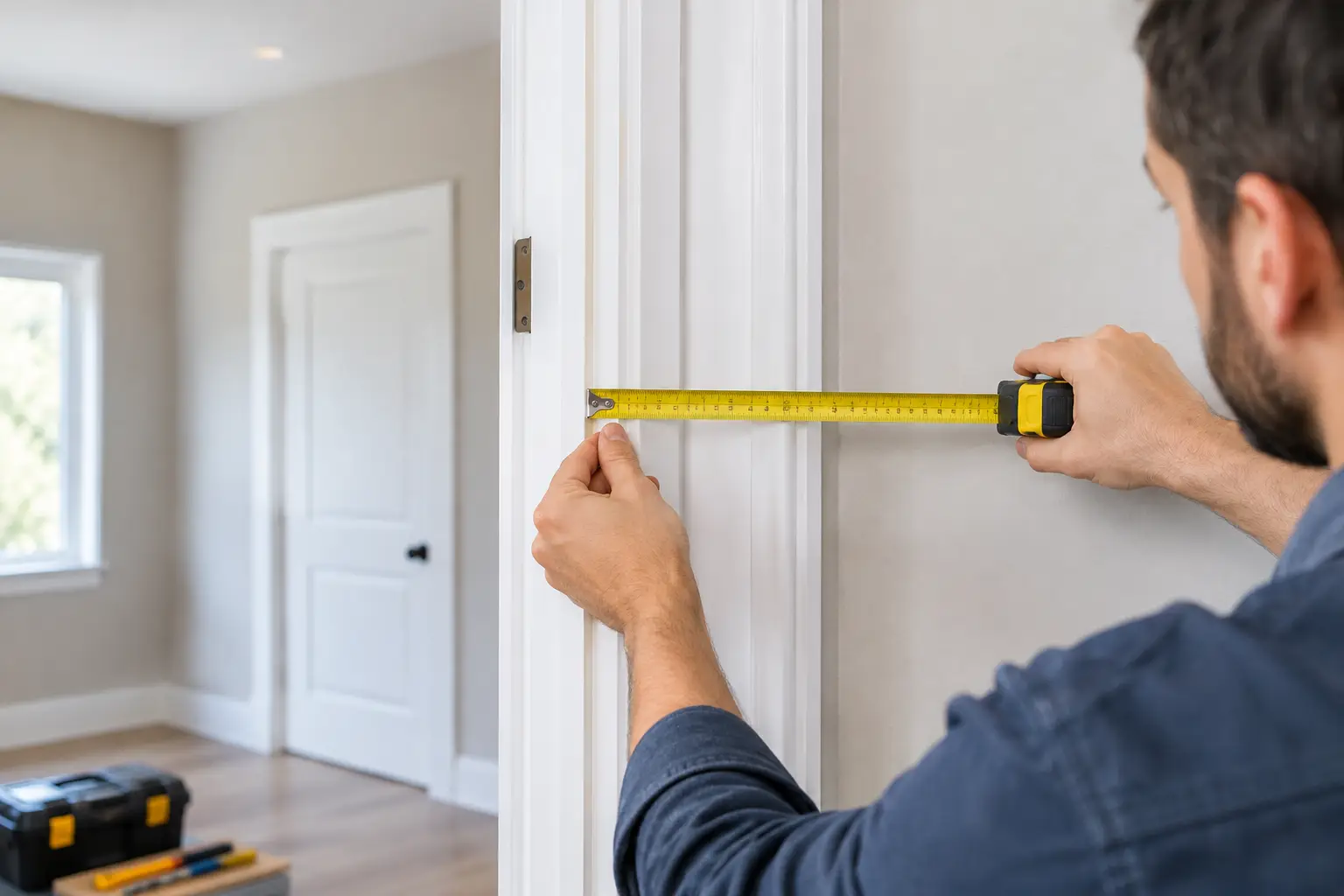
This is why measurement and product selection should happen together. The door width needs to provide proper overlap beyond the opening. The height needs to feel intentional relative to the ceiling line and trim details. Stops, guides, and soft-close options should be selected based on how the door will be used in daily life.
In higher-use areas, quality hardware is especially important. A good system should glide smoothly, feel stable, and hold up over time. Cheap hardware often introduces noise, wobble, or visible wear much sooner than expected. For a feature that is both decorative and functional, durability is not optional.
For homeowners who want a result that feels tailored rather than off-the-shelf, working with a specialist makes a noticeable difference. Companies such as Meriton Doors focus on both supply and fit, which helps ensure the door, hardware, and installation method are all aligned from the start.
Getting the look right in different home styles
In a modern home, barn doors tend to work best when the detailing is restrained. Think flat panels, crisp painted finishes, and hardware that complements other metal elements in the home. The goal is a clean statement, not a rustic imitation.
In more traditional or farmhouse-inspired interiors, deeper texture and joinery details can be more appropriate. Shaker-style profiles, timber grain, and stronger hardware lines often feel at home here, especially when supported by the rest of the millwork and flooring palette.
For transitional spaces, balance is key. A barn door can bridge classic and contemporary elements beautifully, but only if the finish and proportions are carefully judged. Too rustic, and it feels forced. Too plain, and it loses the character that makes the format appealing in the first place.
Is a sliding barn door the right choice?
That depends on what problem you are trying to solve. If you need to save swing space, create a design focal point, or add flexible separation between rooms, it can be an excellent solution. If you need maximum sound reduction and privacy, there may be better options.
The strongest projects are the ones where function and finish are considered together. A sliding barn door should not be chosen just because it is trending. It should be chosen because it suits the opening, improves the way the room works, and adds something valuable to the overall design.
When that balance is right, the result feels effortless. The door glides well, looks intentional, and improves the room every time it is used. That is the standard worth aiming for – not just a statement piece, but a well-crafted part of the home that earns its place every day.