
A door that sticks, rattles, drags on the floor, or simply looks dated tends to make the whole room feel unfinished. That is why internal door replacement cost is rarely just about the slab itself. It is tied to fit, finish, hardware, trim, and the quality of the final installation.
For homeowners, renovators, builders, and property managers, the real question is not just what a new interior door costs. It is what you are actually paying for, what can push the price up, and where a better product or cleaner install delivers value that lasts.
What affects internal door replacement cost?
The fastest way to misread a door budget is to compare one low shelf price with a completed installed result. Internal door replacement cost usually includes several moving parts: the door style, core construction, sizing, hardware, frame condition, paint or stain finish, and labor.
A hollow-core flush door will naturally sit at the lower end of the range. A solid-core shaker door with upgraded hinges, a privacy set, and fresh architraves will land higher. If the existing opening is out of square, the jamb is damaged, or the floor level has changed since the original fit-out, labor can increase because precision work takes time.
This is where craftsmanship matters. A well-installed internal door should close cleanly, sit evenly in the frame, and feel solid in daily use. When pricing looks dramatically cheaper than expected, it often means parts of the job have been excluded.
Typical price ranges for internal doors
In most cases, internal door replacement cost for a standard residential project falls into a broad range rather than one fixed figure. For supply only, basic internal doors may start around $80 to $150 for entry-level options. Mid-range doors often sit around $150 to $350, while premium solid-core or design-led styles can move from $350 to $800 or more per door.
Once installation is included, many projects land somewhere between $250 and $900 per door, depending on scope. At the lower end, that may cover a straightforward swap into an existing frame with standard hardware. At the higher end, it may include a premium door, hardware upgrades, frame adjustments, trim work, and finishing.
For custom sizes, feature profiles, or light commercial settings, pricing can go beyond that range. The same applies when replacing multiple doors in an older home where openings vary and no two frames are quite the same.
Door type makes a big difference
Not all internal doors are priced equally, and for good reason. Construction, weight, durability, and design detail all affect cost.
Hollow-core doors
These are generally the most budget-friendly option. They are lightweight, practical, and commonly used in bedrooms, closets, and low-impact areas. They can work well in the right setting, but they do not offer the same acoustic performance or premium feel as a heavier door.
Solid-core doors
Solid-core doors cost more upfront, but many homeowners prefer them for the improved sound reduction, stronger feel, and better durability. In homes where privacy matters, such as bedrooms, bathrooms, and home offices, the upgrade is often worthwhile.
Shaker and paneled doors
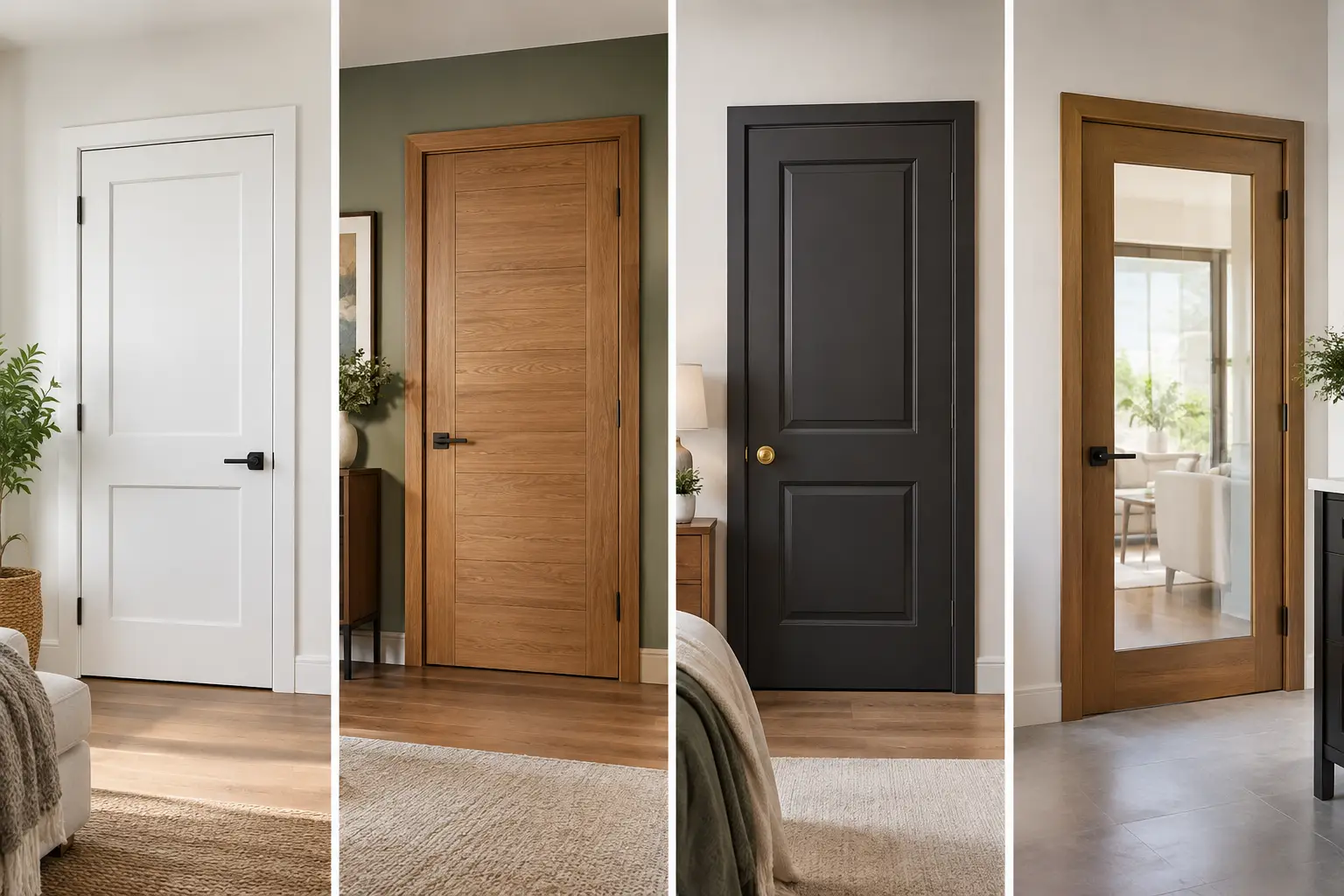
A more detailed profile usually means a higher product price. Shaker doors remain a popular choice because they feel clean and architectural without being overly decorative. They suit both contemporary and classic interiors, which makes them a smart long-term design choice.
Barn and specialty sliding doors
These can be a striking design feature, but the system is more complex than a standard hinged door. Track hardware, wall clearance, soft-close components, and installation precision all affect the final cost.
Labor is not just an add-on
A door may look simple, but a precise installation is detailed work. Labor typically covers removal of the old door, trimming or sizing the new one if required, fitting hinges, installing handles or privacy locks, aligning the door, and making sure it swings and latches correctly.
If the existing frame is in good condition, labor stays more predictable. If the frame is twisted, damaged, or poorly aligned, the installer may need to adjust the jamb, plane the door, reset hardware positions, or replace associated components.
That difference matters because a poorly fitted internal door is noticed every day. It can bind in summer, leave inconsistent gaps, or fail to latch properly. Better installation costs more than the quickest possible fit, but it usually saves frustration and rework.
Frame, trim, and hardware can change the total
Many customers start by budgeting for the door only, then realize the finished look depends on more than the panel itself. If the jamb is worn, the casing is damaged, or the hinges and latch are dated, replacing only the slab can leave the opening looking half refreshed.
Hardware is another cost variable. Standard passage sets are relatively affordable, while privacy sets, matte black finishes, premium levers, magnetic latches, or designer hardware will lift the overall figure. None of these are necessarily unnecessary upgrades. In many homes, they are what give the project a more complete and durable result.
Trim work also has a visual impact that is often underestimated. Fresh architraves and clean junctions can make a new internal door feel intentionally integrated into the room rather than simply swapped in.
When a simple replacement becomes a larger job
There are times when internal door replacement cost rises because the project is no longer a straight replacement. Older homes are the most common example. Openings may have shifted over time, walls may not be perfectly plumb, and previous repairs may have left frames uneven.
Renovation work can create similar issues. New flooring can alter clearance. Repainted frames can hide old damage. A door selected for style may require a different frame depth or hinge setup than the original.
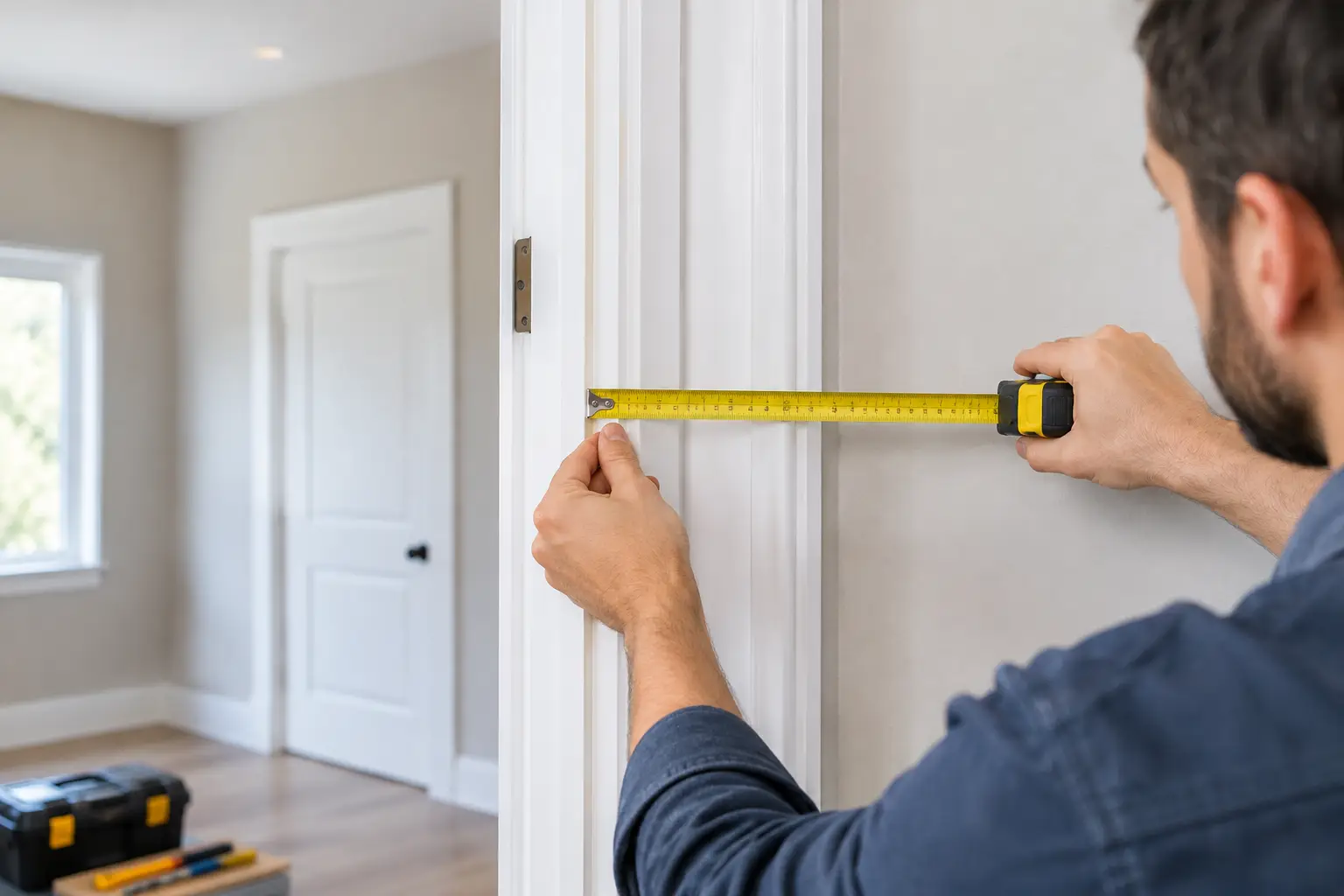
This does not mean the project is a problem. It simply means accurate quoting matters. The best outcomes usually come from measuring the opening properly, assessing the frame condition, and pricing the job around the actual site conditions instead of relying on a one-size-fits-all estimate.
Is it cheaper to replace just the door slab?
Sometimes yes, but not always.
If the frame is square, the hinges line up, and the new door matches the opening well, replacing just the slab can be cost-effective. This approach is common when the goal is a style refresh without changing surrounding trim or jambs.
But if the frame is worn or the new door needs extensive modification to fit, that lower initial price can disappear quickly. In some cases, a full prehung or more comprehensive replacement gives a cleaner result and better long-term performance.
The right choice depends on the condition of the existing opening and the standard of finish you want. A quick swap can work well in some homes. In others, it is a false economy.
How to budget wisely for internal door replacement cost
If you are replacing several internal doors, consistency matters. Matching profiles, hardware, and finishes across the home usually creates a stronger visual result than upgrading one or two doors in isolation. It can also help with pricing efficiency when multiple doors are measured, supplied, and installed as part of one project.
It is worth deciding early where you want to invest. For some households, that means choosing solid-core doors for bedrooms and bathrooms, while using more economical options for linen closets or secondary spaces. For others, the priority is a premium profile that lifts the overall interior aesthetic.
The smartest budgets focus on the areas you notice and use most. A hallway lined with neatly fitted, high-quality doors changes the feel of a home more than many people expect.
What good value really looks like
Good value is not the cheapest quote. It is the combination of a well-made door, accurate measurements, quality hardware, and an installation that leaves every margin clean and every swing smooth.
That is especially true in residential upgrades and light commercial work where appearance and durability both matter. A professionally managed project avoids the patchwork effect of mismatched components and rushed fitting. It also gives you clearer expectations around what is included, from removal to finishing touches.
For customers who care about design, durability, and dependable workmanship, the best result usually comes from treating the door as part of the overall interior finish, not a standalone item. Meriton Doors sees this every day – the final impression comes from precision.
A new internal door should do more than fill an opening. It should feel right every time you reach for the handle.