The front door sets expectations before anyone steps inside. With solid timber entrance doors, that first impression feels substantial – not just visually, but in the way the door closes, the way it carries detail, and the way it anchors the facade of a home.
For homeowners, renovators, and builders, that matters. An entrance door is not a throwaway finish item. It affects curb appeal, daily use, weather performance, privacy, and the overall standard of the project. When the goal is a more refined and durable entry, solid timber remains one of the strongest choices available.
Why solid timber entrance doors stand out
There is a reason timber entrance doors continue to hold their place in quality residential design. They offer visual depth that is difficult to replicate with lighter or more synthetic materials. Grain, texture, joinery, and profile all contribute to a more tailored result.
That design flexibility is one of timber’s greatest strengths. A solid timber door can suit a traditional home with raised panels and decorative glass just as easily as a modern facade with clean lines and oversized proportions. It does not force a single style direction. Instead, it can be shaped around the architecture of the property.
Then there is the practical side. A well-made solid timber entrance door feels stable, secure, and substantial in use. It has weight. It resists knocks better than many hollow or lighter alternatives, and when correctly finished and installed, it offers excellent long-term performance.
What makes a good timber entrance door
Not all timber doors are built to the same standard. The difference is often in the construction, species selection, finishing system, and installation quality.
A good entrance door starts with stable material and careful manufacturing. Timber needs to be properly prepared and assembled to reduce the risk of movement over time. Joinery quality matters. So does the way the door is sealed, painted, stained, or otherwise protected from moisture and sun exposure.
Hardware also plays a larger role than many people expect. Even a premium door can feel average if the hinges, lockset, handles, and weather seals are not suited to the size and weight of the slab. A proper entrance package should work as a complete system, not as a door leaf treated separately from the frame and fittings.
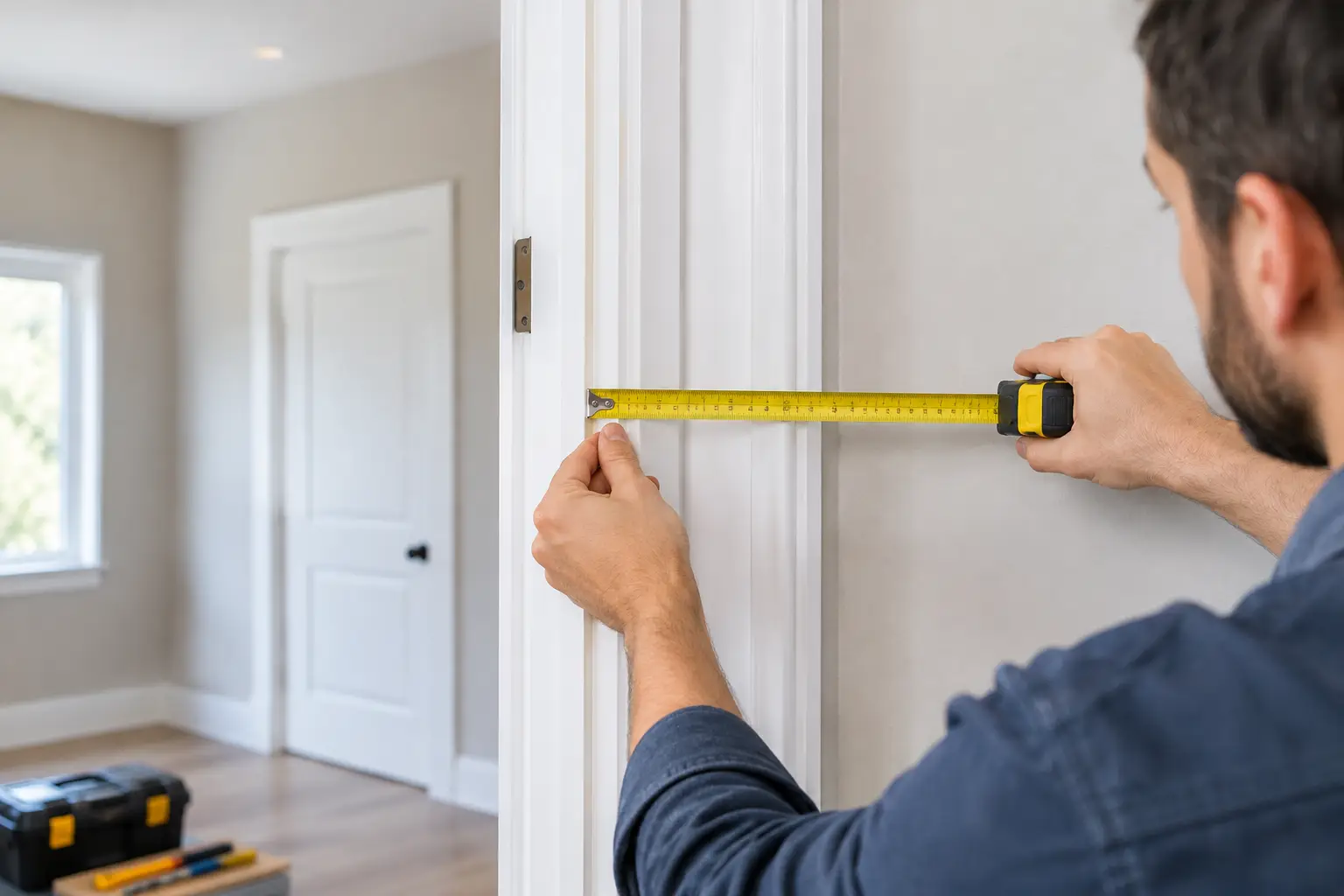
This is where experience counts. A beautiful door chosen from a catalog still needs accurate measuring, suitable jambs, aligned hinges, and a clean fit through the opening. Small installation errors become very visible at the front entry.
Style, warmth, and architectural fit
One of the biggest advantages of solid timber is how naturally it elevates a facade. It adds warmth to brick, contrast to rendered exteriors, and depth to minimalist designs that might otherwise feel flat.
In heritage or character homes, timber often feels like the obvious choice. It complements older proportions and detail without looking forced. In newer homes, it can soften sharp architecture and make the entry feel more welcoming.
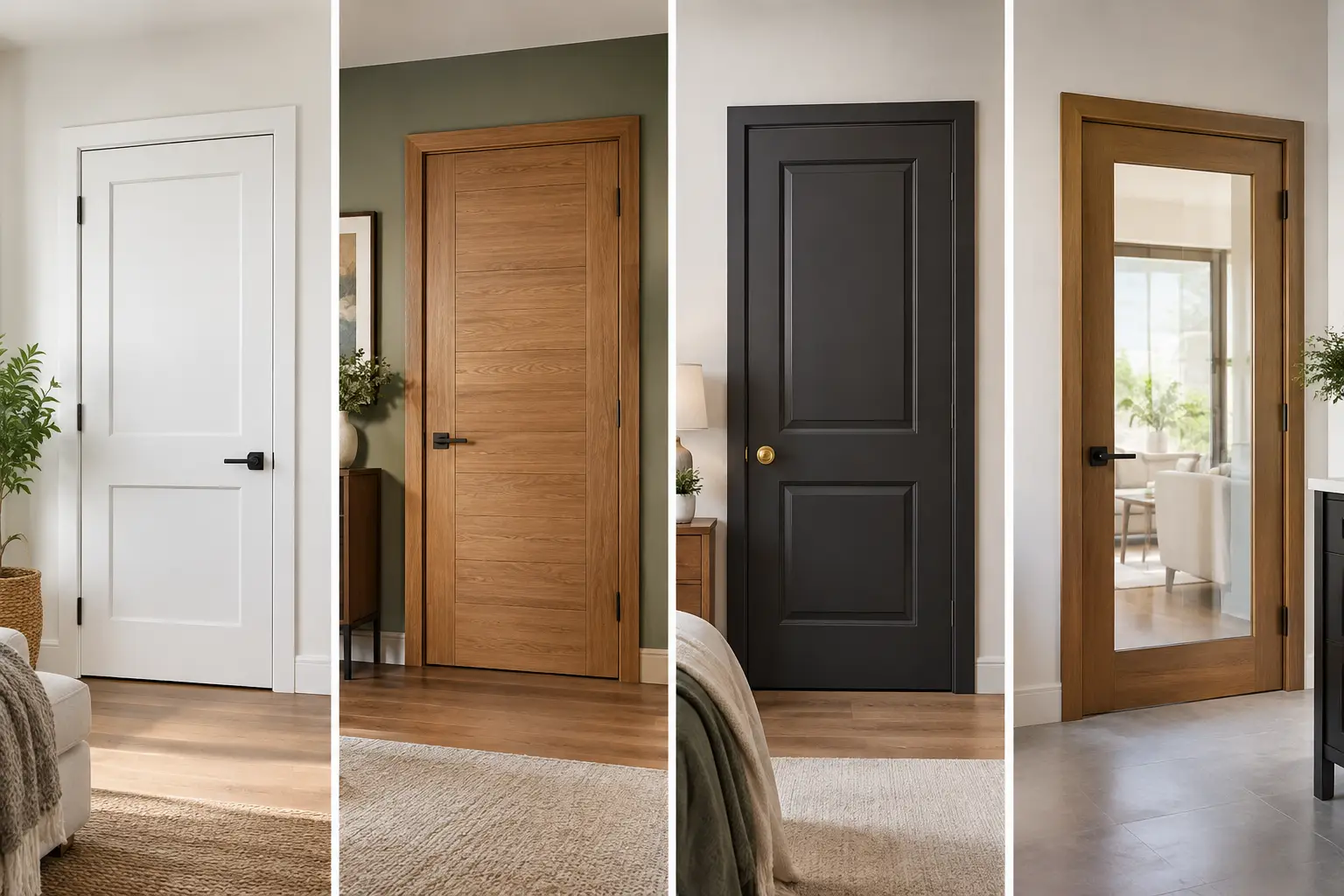
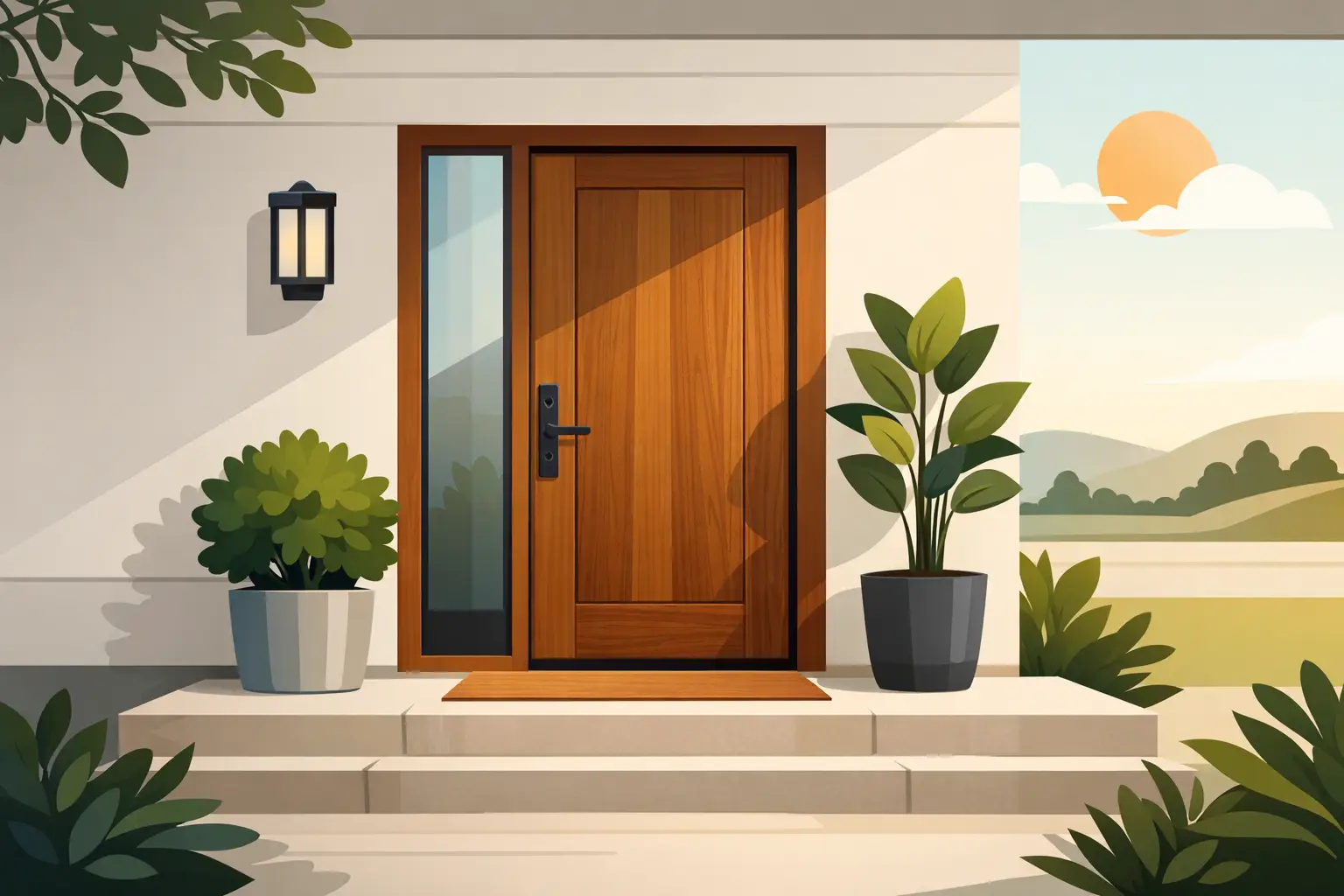
Timber also works exceptionally well with side panels, feature glazing, and custom profiles. If the goal is to create a statement entry without looking overdone, this material gives more room to tailor the final look. You can go bold with wide stiles and rails, keep it understated with a single clean panel design, or balance privacy and light with selective glass placement.
The trade-offs to consider
A quality door choice should be based on performance as well as appearance. Solid timber has clear strengths, but it is worth understanding the maintenance and environmental factors that come with it.
Compared with some engineered or lower-maintenance door materials, timber generally needs more care over time. Direct sun, heavy rain exposure, and fluctuating temperatures can affect the finish. That does not mean timber is a poor choice. It means the door should be selected and protected properly for the location.
In covered entryways, solid timber often performs especially well because it is shielded from the harshest weather. In exposed conditions, the finish system becomes even more important, and some designs or timber species may be more suitable than others. Ongoing maintenance is part of ownership, particularly if you want the door to keep its original richness and surface quality.
Cost is the other consideration. Solid timber entrance doors are usually a higher investment than basic alternatives. For many property owners, that premium is justified by appearance, lifespan, and the impact on the overall home. Still, it depends on the project. If the property is highly design-focused and the entry is a key visual feature, timber often makes strong sense. If the priority is purely lowest upfront cost, another option may be more appropriate.
Choosing the right solid timber entrance doors for your home
The right door is not only about what looks good in a showroom. It needs to suit the scale of the home, the exposure of the site, and how the entry is used every day.
Start with proportion. A front door should feel balanced with the facade. Too small, and it can disappear. Too large, and it can overpower the entry. Panel layout, glass placement, and hardware style should all relate to the architecture rather than compete with it.
Next, think about privacy and light. Some homeowners want a fully solid door for security and seclusion. Others want natural light in the entry hall and prefer glazed sections or side panels. There is no single correct answer here. It comes down to orientation, street exposure, and the feel you want when entering the home.
Finish choice also matters. Painted timber gives a crisp, tailored look and can tie the door into trim, windows, or exterior color selections. Stained or clear-finished timber emphasizes the natural grain and brings more organic character to the frontage. Both can look exceptional when chosen to suit the house.
Installation is where performance is won or lost
An entrance door works harder than almost any internal door in the house. It needs to open and close cleanly, lock securely, sit square in the frame, and handle daily use without binding or rattling.
That is why installation deserves as much attention as product selection. Precise fitting affects weather sealing, security, longevity, and finish presentation. If the frame is not right, if clearances are inconsistent, or if seals are poorly fitted, the result can undermine the quality of the door itself.
Professional installation also helps avoid common issues such as hinge strain, uneven gaps, latch misalignment, and premature wear. For heavier timber doors in particular, the setup needs to be exact. A polished final result is not accidental. It comes from careful preparation and disciplined workmanship.
For clients across greater Sydney, this is often where a specialist supplier adds the most value. Meriton Doors works with homeowners and trade clients who want the door to look right on day one and keep performing well after handover.
Where solid timber makes the most sense
Solid timber is a strong fit for homes where the entrance is meant to do more than simply provide access. It suits renovations where the front elevation needs character, new builds where quality finishes are part of the brief, and investment projects where presentation affects value and tenant appeal.
It is also a smart choice when the entry is visually prominent. If the front door sits at the center of the facade, close to the street, or framed by sidelights and porch detailing, upgrading the material can change the entire feel of the exterior.
For some light commercial spaces, timber can also create a more premium and welcoming tone, particularly in offices, studios, or boutique-style premises where presentation matters. The right specification is important, but the visual payoff can be significant.
Looking after timber over time
A solid timber door should not be treated as fit-and-forget. Like other premium building materials, it benefits from periodic care.
Regular cleaning, checking the finish, and addressing wear before it becomes damage will help preserve both appearance and performance. Hardware should be kept in good condition, and seals should be checked if drafts or water ingress become a concern. When maintenance is handled early, the door is far more likely to age gracefully.
That is part of the appeal, really. Timber is not sterile. It has character, and with proper care, it continues to add richness to a property year after year.
If you want a front entry that feels substantial, looks refined, and adds real presence to the home, solid timber is still one of the best materials you can choose – provided the product, finish, and installation are all held to the same standard.