A door can look perfect in the showroom and still disappoint once it is installed. It might warp slightly, feel too light, close poorly, or clash with the rest of the trim package. That is why engineered timber internal doors have become such a smart choice for homeowners, renovators, and builders who want a cleaner result and fewer compromises over time.
For many projects, the appeal starts with balance. You get the warmth and visual character people want from timber, paired with a construction method designed for better stability. In practical terms, that matters in busy family homes, carefully detailed renovations, and light commercial spaces where doors need to look sharp and keep performing well.
Why engineered timber internal doors are in demand
Solid timber has undeniable appeal, but it also moves with changes in temperature and humidity. That movement is part of the material’s nature. In some settings it is manageable, and in others it can create issues with fit, alignment, and finish consistency.
Engineered timber internal doors are built to reduce those risks. Rather than relying on one solid piece of wood throughout, they use a constructed internal makeup that is designed for improved structural stability. The outer timber face still delivers the natural appearance buyers want, but the engineering behind the door helps it hold its shape more reliably.
That makes them especially well suited to modern homes where heating, cooling, natural light, and seasonal changes can affect interior materials. It also suits projects where consistency across multiple rooms matters. When you are installing several doors through a hallway, bedroom wing, or full renovation, uniformity is not a small detail. It is part of the finished look.
What makes them different from other internal doors
Not all timber-look doors are the same, and this is where many buyers get caught. Some are hollow and lightweight, made primarily for budget outcomes. Others are solid core and built for a more substantial feel. Engineered options sit in a more refined category because the construction is intended to improve durability, reduce movement, and support a better overall finish.
The role of the core
The core affects how a door sounds, feels, and performs. A lighter core may suit lower-traffic areas or projects where cost is the main driver. A solid core generally offers a quieter close, a more premium feel, and better resistance to everyday knocks and wear.
This is one of those areas where it depends on the project. For a main living area, home office, or property where longevity matters, a heavier and better-built door often justifies the spend. For secondary rooms, the right specification may be more about achieving a consistent look without overspending.
The finish matters as much as the construction
A well-made door still needs the right finish. Veneers, paint-grade skins, and stain-grade surfaces all deliver a different outcome. If you want visible timber grain, your selection needs to support that visually. If the goal is a crisp painted interior, the door surface needs to be suitable for that level of finish.
The best result comes when the door, jamb, architrave, and hardware are considered together rather than treated as separate items. That is often the difference between a door that simply fills an opening and one that feels fully integrated into the space.
Where engineered timber internal doors work best
These doors are a strong fit in most residential interiors, but some spaces benefit more than others. Bedrooms, studies, living zones, and transitional hallways all gain from a door that feels substantial and looks consistent across the home.
In renovations, they are particularly useful when existing walls and openings are not perfectly uniform. A quality product gives the installer a better starting point, and that can make a real difference to the final fit. In newer homes, they help maintain a polished standard across multiple openings, especially when paired with matching trim details.
They also suit light commercial settings such as offices, consulting rooms, or boutique spaces where appearance matters but the environment still needs practical durability. In these spaces, a door has to work hard without looking purely functional.
Design choices that shape the final look
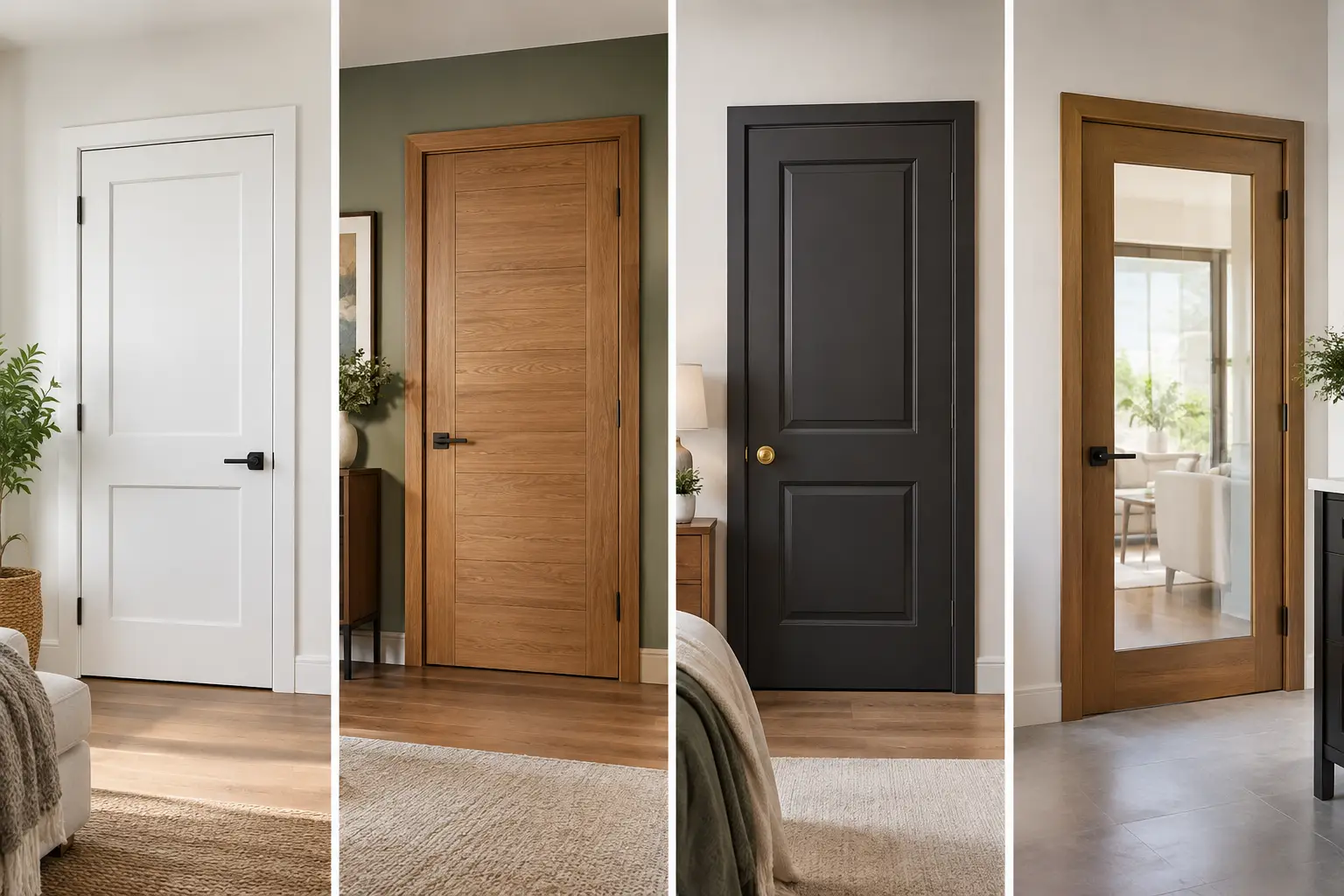
There is no single right style for engineered timber internal doors. The right choice depends on the architecture of the property, the finish palette, and how bold or understated you want the interior detailing to feel.
Shaker and paneled profiles
Shaker profiles remain a popular choice because they are clean, versatile, and easy to carry through both classic and contemporary homes. More detailed paneled doors can add depth and character, particularly in heritage-inspired interiors or homes with more decorative trim.
The key is proportion. A very detailed door in a minimal home can feel out of place. A completely plain slab in a traditional setting can look flat. The best interiors usually repeat the same design language across the doors, skirting, architraves, and even cabinetry lines.
Natural timber look versus painted finish
A natural timber finish brings warmth and texture. It works well when you want the door to contribute to the material palette of the room. Painted doors, by contrast, can sharpen the interior and create a more tailored architectural effect.
Neither is automatically better. Timber tones can feel richer and more organic, while painted finishes can be easier to coordinate across a full home. The decision often comes down to how much visual emphasis you want the doors to carry.
Why installation quality is part of the product
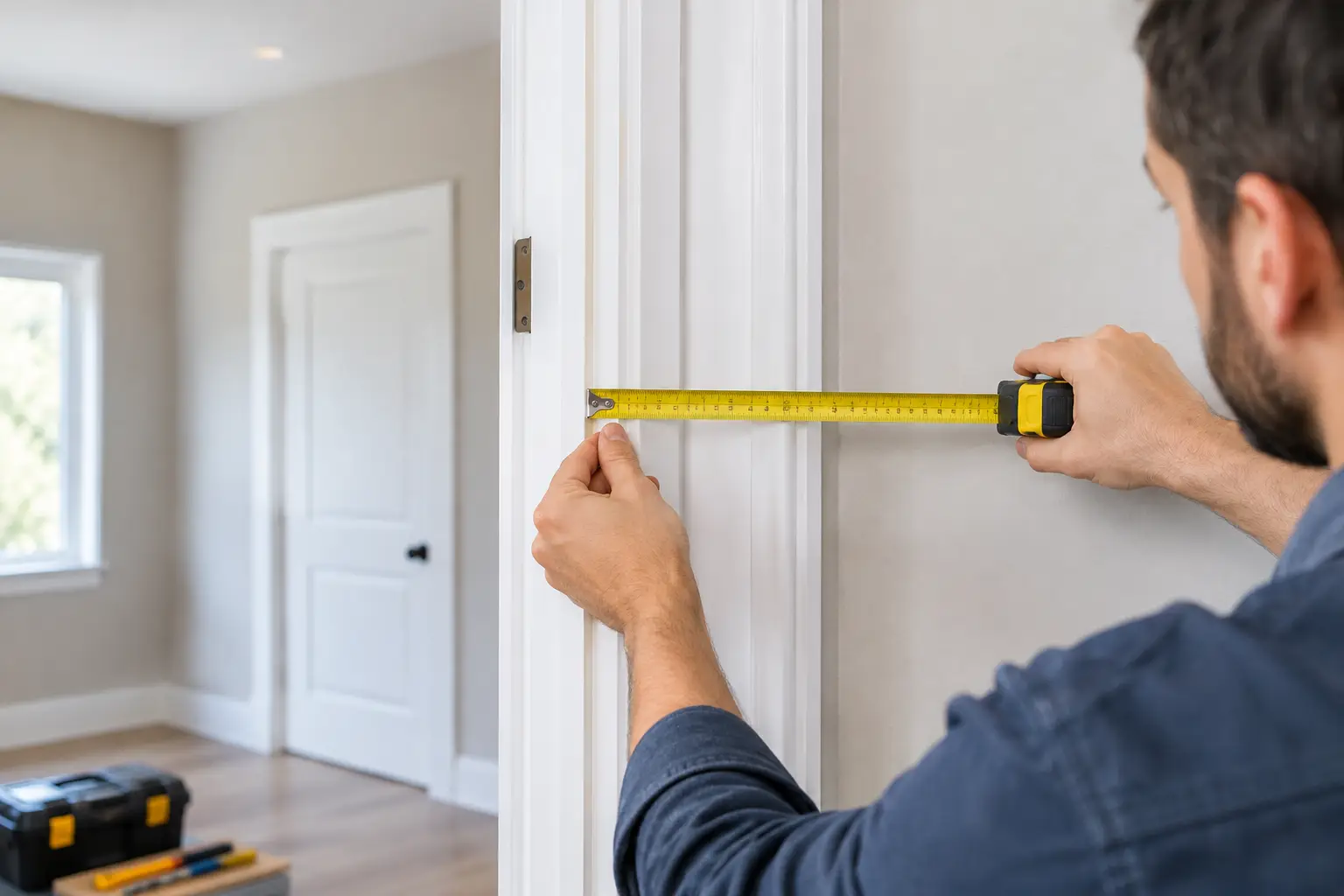
Even a premium door will not perform properly if it is poorly installed. Gaps that are slightly off, hinges that are not set accurately, or frames that are out of line can affect how the door swings, closes, and wears over time. That is why product choice and installation should never be separated in your thinking.
A proper installation accounts for the condition of the opening, the straightness of the jamb, the weight of the door, and the long-term behavior of the materials around it. It also ensures a cleaner finish around architraves and adjoining trim.
For homeowners and project managers, this matters because poor installation usually shows up after the trades have left. The latch starts sticking. The clearance looks uneven. The bottom edge catches on flooring changes. Those are not minor annoyances when you are trying to finish a home to a high standard.
What to ask before you choose
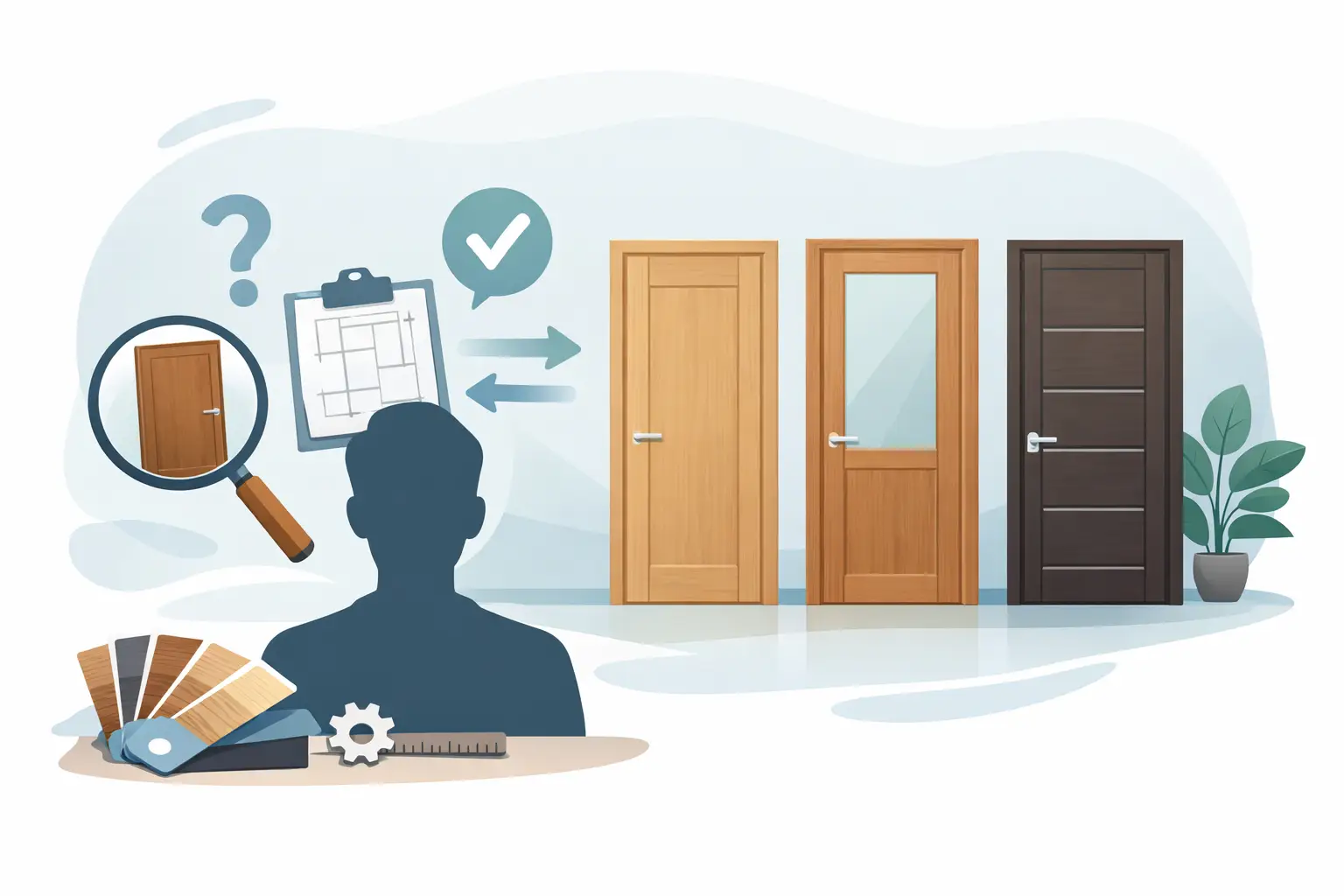
Before selecting engineered timber internal doors, it is worth asking a few practical questions. Are you matching an existing style or creating a new interior direction? Do you want a paint-grade or stain-grade finish? Is sound reduction important in bedrooms or studies? Are you replacing only doors, or also updating jambs, architraves, and hardware?
Budget matters too, but it should be viewed in terms of total project value, not just the lowest unit price. A door that installs better, lasts longer, and looks more refined often represents better value than a cheaper option that needs compromise elsewhere.
This is where expert guidance can save time and costly rework. Meriton Doors works with homeowners, renovators, and builders who want the result to feel right the first time – not almost right after a series of adjustments.
A better long-term choice for finished interiors
Engineered timber internal doors suit the way people want interiors to perform now. They offer the warmth of timber, a more stable construction, and the flexibility to work across a wide range of styles. More importantly, they help create interiors that feel considered rather than pieced together.
If you are investing in new doors, it makes sense to look beyond the basic opening and closing function. The right door improves flow, sharpens the finish of each room, and adds quiet confidence to the whole home. Choose carefully, install precisely, and the result will keep proving its value every time a door swings shut.