A tired front door can make a well-kept home feel dated before anyone steps inside. On the other hand, the right door can sharpen curb appeal, improve everyday function, and give buyers the sense that the property has been cared for properly. If you are asking what doors add home value, the short answer is this: doors that improve first impressions, durability, energy performance, and the overall finish of the home tend to deliver the strongest return.
That does not mean every new door adds the same value. Some upgrades are highly visible and buyer-facing, while others matter because they complete the look of an interior renovation or make a layout work better. The best choice depends on the age of the home, the style of the property, and whether you are renovating to enjoy the space or preparing to sell.
What doors add home value at the front of the house
If one door category consistently stands out, it is the front entry door. Buyers notice it immediately, and homeowners use it every day. A quality entrance door improves curb appeal, creates a more secure feel, and sets the design standard for the rest of the home.
Solid wood entry doors, well-built fiberglass doors, and premium steel doors are all strong contenders, but they add value in different ways. Wood brings warmth, character, and a custom look that suits traditional, period, and high-end homes. Fiberglass is often chosen for its durability and lower maintenance, especially where homeowners want the appearance of timber without the same level of upkeep. Steel can be excellent for security and a crisp, modern finish, but it needs to suit the architecture rather than feel purely functional.
The biggest mistake is choosing a front door that feels disconnected from the house. An oversized statement door can work beautifully on a contemporary home, but it may look forced on a modest suburban facade. Value comes from fit and finish, not just price.
Side panels and glazed entry features
A front door upgrade often performs even better when paired with side panels or carefully selected glass. These details can make an entrance feel wider, brighter, and more refined. Natural light in the entry is appealing to buyers, and a well-designed surround gives the impression of a more substantial renovation.
That said, privacy and security still matter. Decorative or frosted glazing is often a better choice than large clear panels in homes close to the street. The goal is to create a bright, welcoming entry without compromising comfort.
Patio and French doors can lift perceived value
After the front entry, rear access doors have a major influence on value because they shape how indoor and outdoor spaces connect. In many homes, especially where entertaining matters, buyers respond strongly to doors that open cleanly to a deck, patio, or backyard.
French doors remain popular because they add symmetry, light, and a sense of quality. They suit both classic and transitional homes and can make a family room or dining area feel more considered. Bi-fold doors can also add value when they are used in the right setting, particularly in homes where the opening leads to a well-finished outdoor area. They create a broad visual connection and make entertaining spaces feel larger.
The trade-off is budget and practicality. Large opening systems can be impressive, but they need precise installation and enough wall space to work properly. If the room is small or the exterior area is underwhelming, a simpler door solution may be the better investment.
Sliding doors versus hinged doors
Sliding patio doors are often overlooked because they are common, but a high-quality replacement can absolutely improve value. Older sliding doors tend to stick, rattle, leak air, or look visually tired. Replacing them with a smoother, better-insulated unit can improve both comfort and presentation.
Hinged French doors often have stronger visual impact, while sliding doors are usually more space-efficient. Neither is automatically better. The right choice depends on layout, traffic flow, and the style of the home.
What interior doors add home value?
Interior doors do not usually create the same dramatic first impression as an entry door, but they contribute to the finish quality buyers notice as they move through the home. If you are wondering what interior doors add home value, the answer is usually doors that make the house feel cohesive, updated, and properly finished.
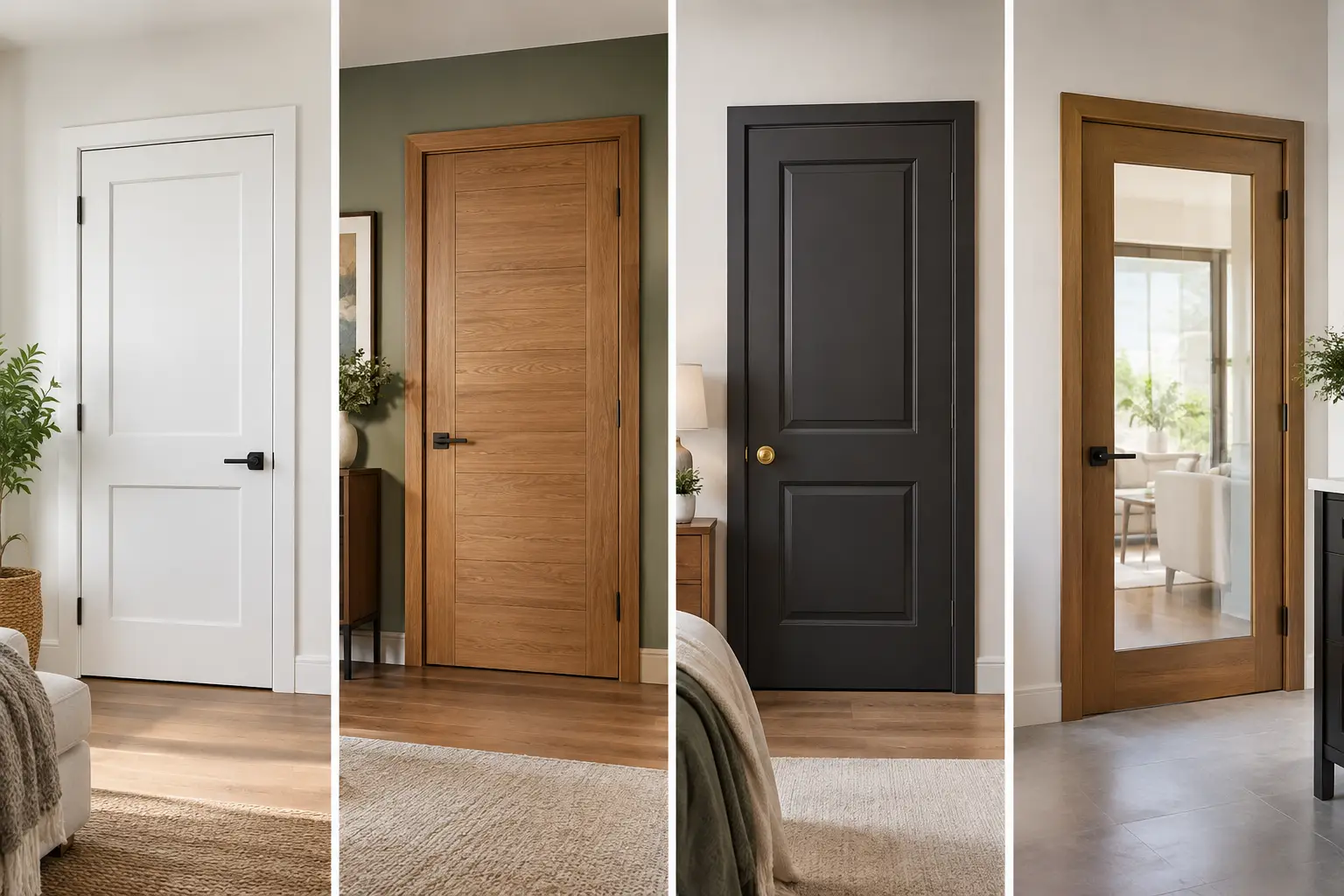
Replacing mismatched hollow-core doors with solid or upgraded paneled doors can change the feel of an entire interior. Shaker doors are a strong example because they work across many home styles, from modern farmhouse to clean contemporary interiors. They have enough detail to feel premium without dating quickly.
Consistent internal doors are especially valuable in renovations where new flooring, trim, and paint have already lifted the home. Old doors can let the whole project down. When the doors, jambs, architraves, and hardware all work together, the result feels intentional rather than pieced together.
Solid core doors and acoustic value
Solid core interior doors do more than look better. They also improve sound control, which can matter in bedrooms, home offices, media rooms, and bathrooms. Buyers may not always ask for acoustic performance directly, but they notice when rooms feel quieter and more private.
This is one of those upgrades that adds perceived quality. It is not flashy, but it supports the feeling of a better-built home.
Barn doors, bifolds, and specialty doors
Specialty doors can add value when they solve a design or space problem. Barn doors are popular in the right setting, especially where a swinging door would interrupt circulation. They can be effective for laundry rooms, pantries, or certain ensuites, but they are not ideal everywhere. Because they sit off the wall, they offer less privacy and acoustic separation than a standard hinged door.
Bifold doors are often useful for closets, laundries, and flexible spaces where access matters more than full separation. They are practical rather than luxurious, but a well-made bifold system can still support value if it improves function and looks tidy.
The key with specialty doors is restraint. They add value when they feel purposeful, not trendy for the sake of it.
Material, installation, and detail matter as much as style
A door only adds value when it performs well over time. Buyers notice sticking doors, uneven gaps, weak locks, poor paint finishes, and misaligned hardware. Even a premium door can lose its impact if the installation is careless.
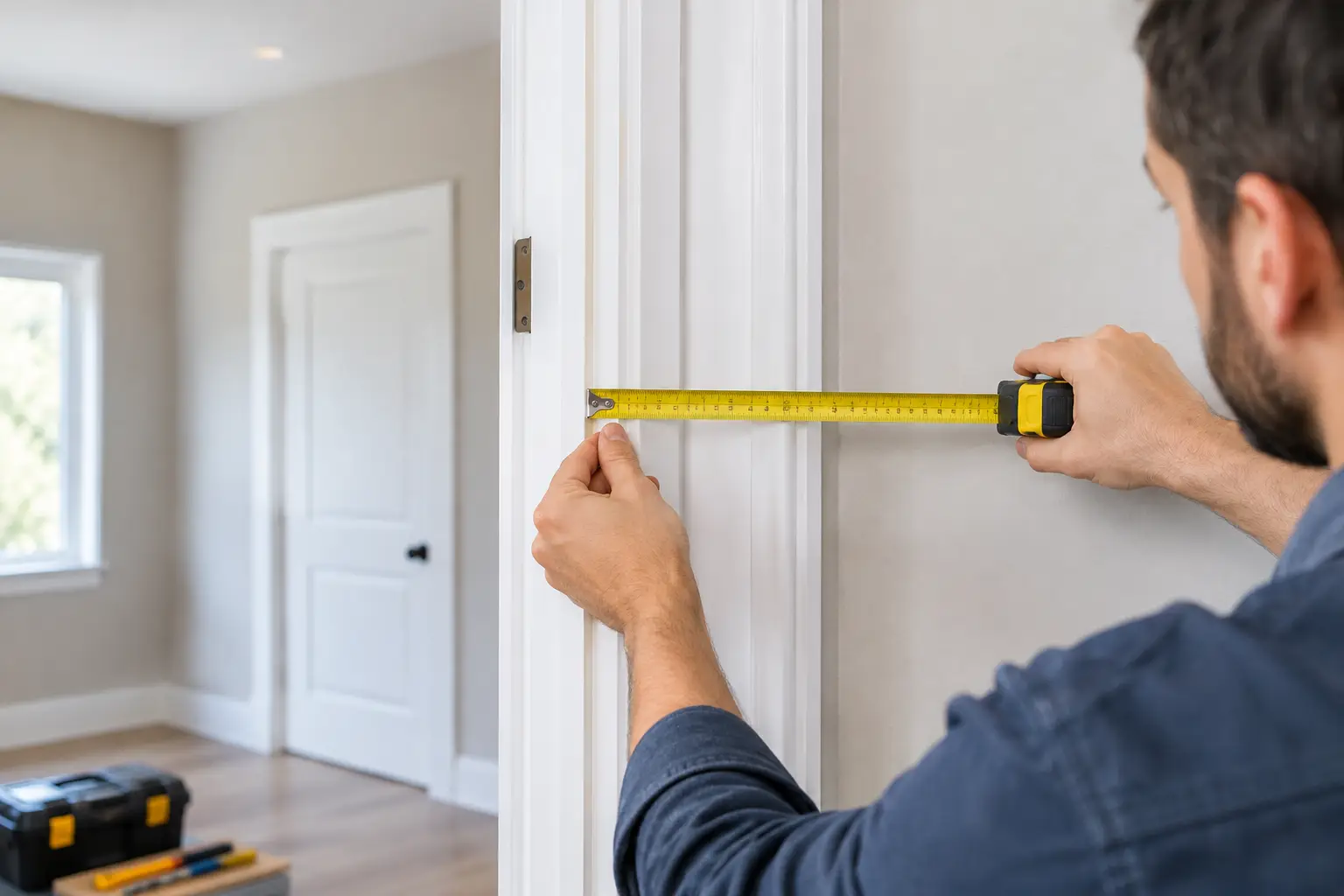
That is why craftsmanship matters. Proper measuring, accurate fitting, quality jambs, clean architraves, and reliable hardware all affect the final result. In many cases, the installation quality is what separates a polished upgrade from a project that looks unfinished.
Meriton Doors sees this firsthand on residential projects where clients want more than a product dropped at the front curb. A quality door should open cleanly, close properly, sit square in the frame, and look like it belongs to the house.
The best doors for resale depend on the property
There is no single answer that fits every home. For resale, the safest value-adding upgrades are usually a well-chosen front entry door, improved rear doors that bring in light and connect to outdoor living, and matching interior doors that elevate the finish standard of the whole house.
If the budget is limited, start with the front door. It gives the clearest visual return and can influence buyer expectations before they walk inside. If the exterior already presents well, interior door upgrades may be the smarter next step, especially in homes with older hollow-core doors or inconsistent finishes.
For higher-value homes, custom entry doors, French doors, side panels, and premium interior joinery can all make sense, but only when they align with the architecture and the level of the neighborhood. Overcapitalizing on one dramatic feature while leaving the rest of the property untouched rarely pays off.
A good door upgrade should make the home feel better as a whole. It should improve how the house looks, how it functions, and how confidently a buyer reads the quality of the property. That is where real value tends to come from.
If you are choosing doors with resale in mind, focus less on what is fashionable this year and more on what makes the home feel well-designed, durable, and complete. The right door does not need to shout to add value. It just needs to look right, work properly, and leave a strong impression that lasts.