A front door is one of the few home upgrades you use every day and notice from the street. When weighing single vs double entry doors, the decision is not simply about choosing a larger opening. It affects how your home welcomes guests, how furniture moves in, how the facade feels, and how the entry performs through years of daily use.
For many homeowners, a well-proportioned single door is the stronger design choice. For others, a double entry creates the scale and presence a wide facade or formal foyer needs. The right answer comes down to proportions, layout, budget, security requirements, and the character of the home.
Single vs Double Entry Doors: The Core Difference
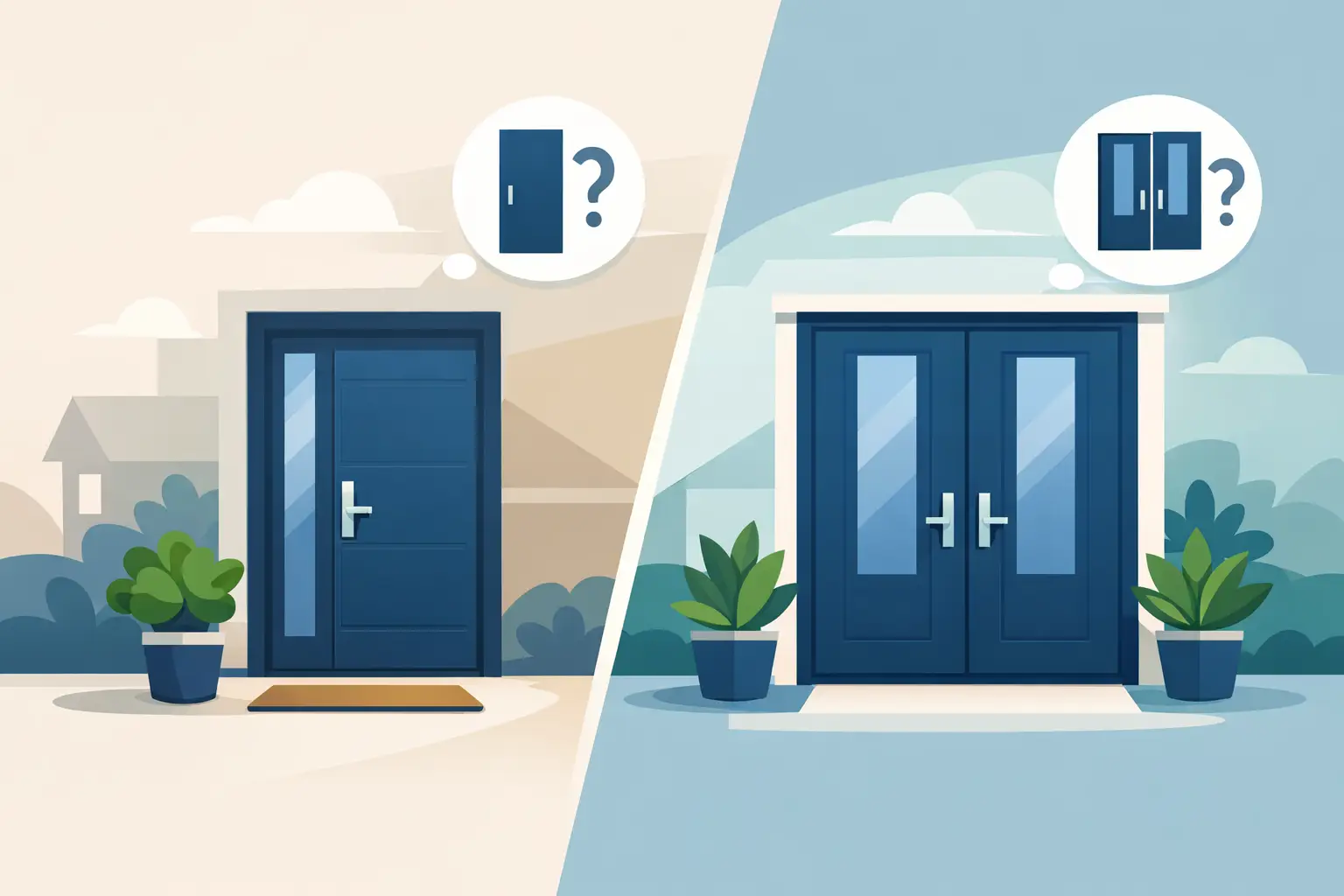
A single entry door uses one operable door leaf, usually within a standard-width opening. It can stand on its own or be paired with fixed sidelights to bring in more daylight without changing the way the entry functions.
A double entry door uses two door leaves. In many configurations, one leaf serves as the primary everyday door while the other remains secured until a wider opening is needed. Both panels can open for moving large furniture, welcoming a group of guests, or creating an impressive connection between the front path and the foyer.
Neither option is automatically more premium. Quality comes from the door construction, the frame and jamb, hardware, weather sealing, installation accuracy, and the way the proportions work with the house. A beautifully installed single door can feel more refined than oversized double doors that overwhelm the facade.
When a Single Entry Door Makes the Most Sense
A single door is often the practical choice for compact homes, townhomes, narrow front elevations, and entries where the hallway or foyer is limited. It gives the home a clear focal point without using more wall space than the architecture can support.
It also tends to be easier to manage day to day. There is one active door, one main locking point, fewer meeting edges, and typically fewer opportunities for air leakage. This makes a single entry especially appealing where energy efficiency, simple operation, and straightforward maintenance are priorities.
A single door does not need to look modest. A solid timber design, a shaker profile, decorative glazing, a bold painted finish, or quality lever hardware can give it real presence. Fixed sidelights are particularly useful when you want the visual width and natural light of a larger entrance while retaining one secure, easy-to-use door.
Benefits of choosing a single door
Single entry doors generally require less material and less structural work than a double-door system. They are usually more cost-effective to purchase and install, and replacement is simpler if the door is damaged or the design changes later.
They can also suit modern facades exceptionally well. Clean lines, a tall door leaf, vertical glass inserts, and carefully selected trim can make a standard opening feel deliberate and architectural rather than basic.
When Double Entry Doors Are Worth It
Double entry doors are designed for homes with room to make an entrance. They suit broad facades, traditional homes, large new builds, formal porches, and properties where the front door is intended to be a standout feature.
The visual effect is immediate. Two equal or complementary panels create symmetry, depth, and a sense of occasion. For homes with a generous foyer, double doors can help the exterior and interior feel connected in scale. They are also a practical advantage when bringing in a sofa, appliance, piano, or other bulky item.
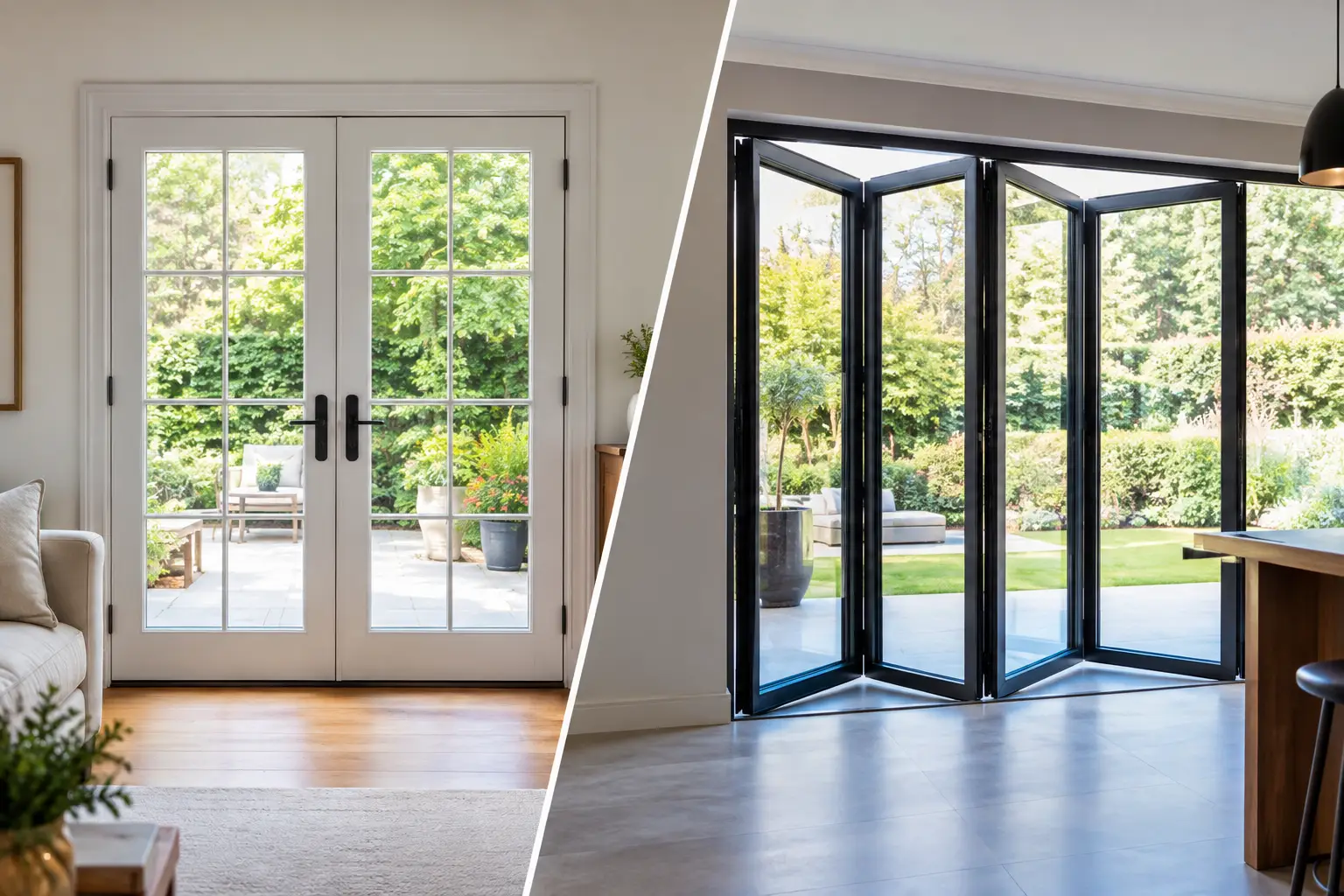
The best double-door designs feel integrated with the architecture. French-inspired glazed doors can complement classic homes, while solid-panel or pivot-style looks may suit contemporary builds. The surrounding elements matter just as much: sidelights, transom windows, porch columns, exterior cladding, and the width of the front path should all support the larger opening.
The trade-offs to consider
Double doors cost more than single doors in most cases. There are two door leaves, more hardware, more framing work, and often more complex installation requirements. If an existing single-door opening needs to be widened, the project may also involve structural assessment, masonry, cladding, electrical work, and finishing repairs.
Weather performance deserves close attention as well. The center meeting point between the doors must be correctly aligned and sealed. Quality astragals, thresholds, hinges, multipoint locking, and professional fitting are essential to prevent drafts, water ingress, rattling, or uneven operation.
Security should be planned rather than assumed. A well-built double entry with secure locking hardware can perform exceptionally well, but both leaves need proper reinforcement and the inactive panel must be secured reliably. A professional installer will ensure the frame is square, hinges are correctly set, and locks engage cleanly.
Match the Door Size to Your Home’s Proportions
The most common mistake is selecting a door based only on the impression it creates in a showroom or online image. A door that looks spectacular on a large rendered facade can look crowded on a smaller brick home. Conversely, a narrow single door can feel undersized when placed beneath a high portico or between wide front windows.
Start by looking at the overall width of the facade and the visual weight around the entrance. Does the home have a broad porch, high ceilings, oversized windows, or a symmetrical layout? A double door may provide the balance the elevation needs. Is the entrance set close to a garage, side boundary, or narrow walkway? A single door with a sidelight may create a more composed result.
Height matters too. A taller single door can often deliver the drama people expect from double doors, without expanding the opening horizontally. This is a smart solution for contemporary renovations where ceiling height allows for a more vertical design.
Consider Daily Use Before Making the Final Choice
Your entry door should work as well on a rushed weekday morning as it does when hosting family. Think about how the household uses the space. If one person usually enters with groceries, school bags, or keys in hand, a single door offers uncomplicated operation. If you regularly entertain, move equipment through the house, or have an expansive foyer, the extra width of double doors may be worthwhile.
Also consider light and privacy. Glass panels and sidelights can make an entry brighter, but the right glazing choice depends on the home’s orientation and how visible the foyer is from the street. Frosted, textured, or obscured glass can preserve daylight while limiting direct views inside.
For property managers and builders, durability and repeatable performance are especially important. Select materials and finishes suited to the exposure of the site, whether that means strong sun, wind-driven rain, or a covered porch with limited ventilation. The right door system should be specified for the conditions, not just its appearance on installation day.
Installation Is Where the Finished Look Is Won or Lost
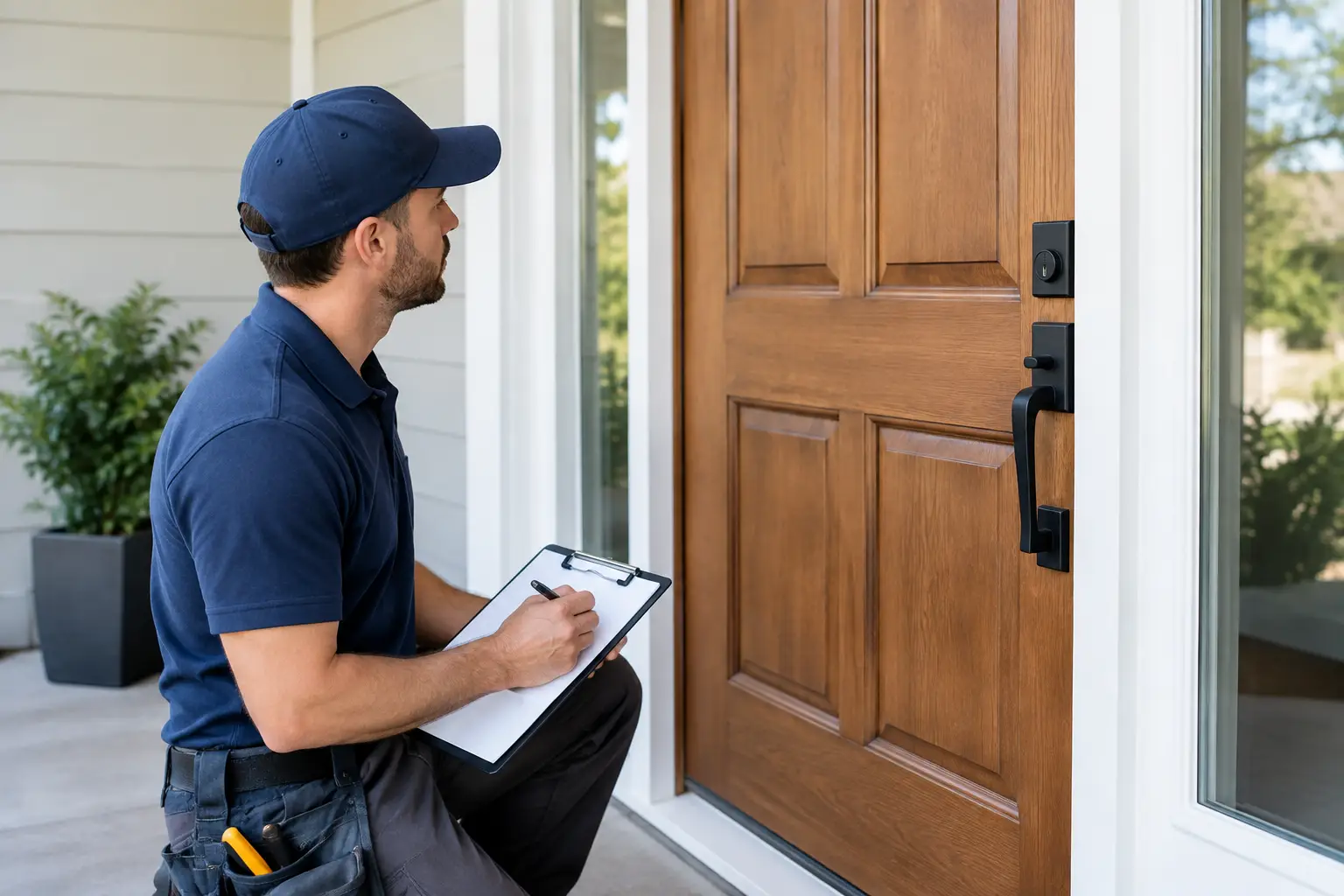
A premium entry door can only perform as intended when the opening, frame, jamb, threshold, hardware, and surrounding trim are handled with precision. Small installation errors can create sticking, visible gaps, poor locking alignment, and premature wear.
This is particularly relevant for double doors, where the panels must meet evenly and operate without strain. But it matters for single doors too. A correctly fitted door closes smoothly, seals tightly, sits square within the frame, and gives the entry a clean, finished appearance from every angle.
Meriton Doors helps homeowners, renovators, and builders select door solutions that suit the home before professional installation begins. That design-and-fit approach can prevent the common problem of choosing an attractive door that is wrong for the opening, exposure, or overall facade.
A Practical Way to Decide
If your home has a standard-sized entrance, a single door is usually the sensible starting point. Enhance it with taller proportions, sidelights, quality hardware, or a distinctive panel design if you want greater impact.
If the home has a wide, formal, or highly symmetrical facade and the interior has enough space to support it, double doors can become a defining architectural feature. Allow for the additional investment in framing, hardware, weather sealing, and expert fitting so the result feels as durable as it looks.
Stand at the curb, then stand inside the foyer. The best entry door is the one that feels balanced from both sides, welcomes daily life without fuss, and gives your home the level of craftsmanship its first impression deserves.