A door can be beautifully made and still disappoint if it is fitted poorly. Gaps around the frame, a latch that needs force, a sticking leaf, or uneven reveals can make even a premium door feel like an afterthought. Professional door installation is where design, security, daily comfort, and long-term durability come together.
For homeowners, renovators, builders, and property managers, the goal is not simply to get a door into an opening. It is to achieve a precise fit that looks intentional, operates smoothly, and suits the way the space is used. From a statement entry door to a quiet internal shaker door, the quality of the installation shapes the final result.
Why Door Installation Deserves More Attention
Doors are working components of a building. They open and close thousands of times, manage privacy and noise, create transitions between rooms, and contribute to insulation and security. An entrance door also makes an immediate impression from the street, while internal doors influence the rhythm and finish of every hallway, bedroom, and living area.
The challenge is that walls, floors, and openings are rarely perfectly square. Older homes may have movement, uneven floors, or frames that have settled over time. New builds can present their own issues, particularly when flooring, trim, paint, and hardware are completed in different stages. A skilled installer assesses these details before fitting begins, then works toward consistent margins, correct clearances, and reliable operation.
A door that is installed with care should close without scraping, latch without pressure, and sit evenly within its jamb. The hardware should align cleanly, the architraves should finish neatly, and the door should feel solid rather than loose or hollow in operation. Those details may seem small, but they are what give a finished home its sense of quality.
Start With the Door’s Job, Not Just Its Style
The right choice depends on where the door will be installed and what it needs to do. Style matters, but performance should lead the decision.
An entry door may need greater weather resistance, security hardware, privacy glass, or side panels that bring natural light into a foyer. Internal doors are often selected for visual continuity, acoustic separation, and how well they complement flooring, wall colors, and trim. A solid-core door can be a worthwhile choice around bedrooms, home offices, and media rooms where improved sound control is valued.
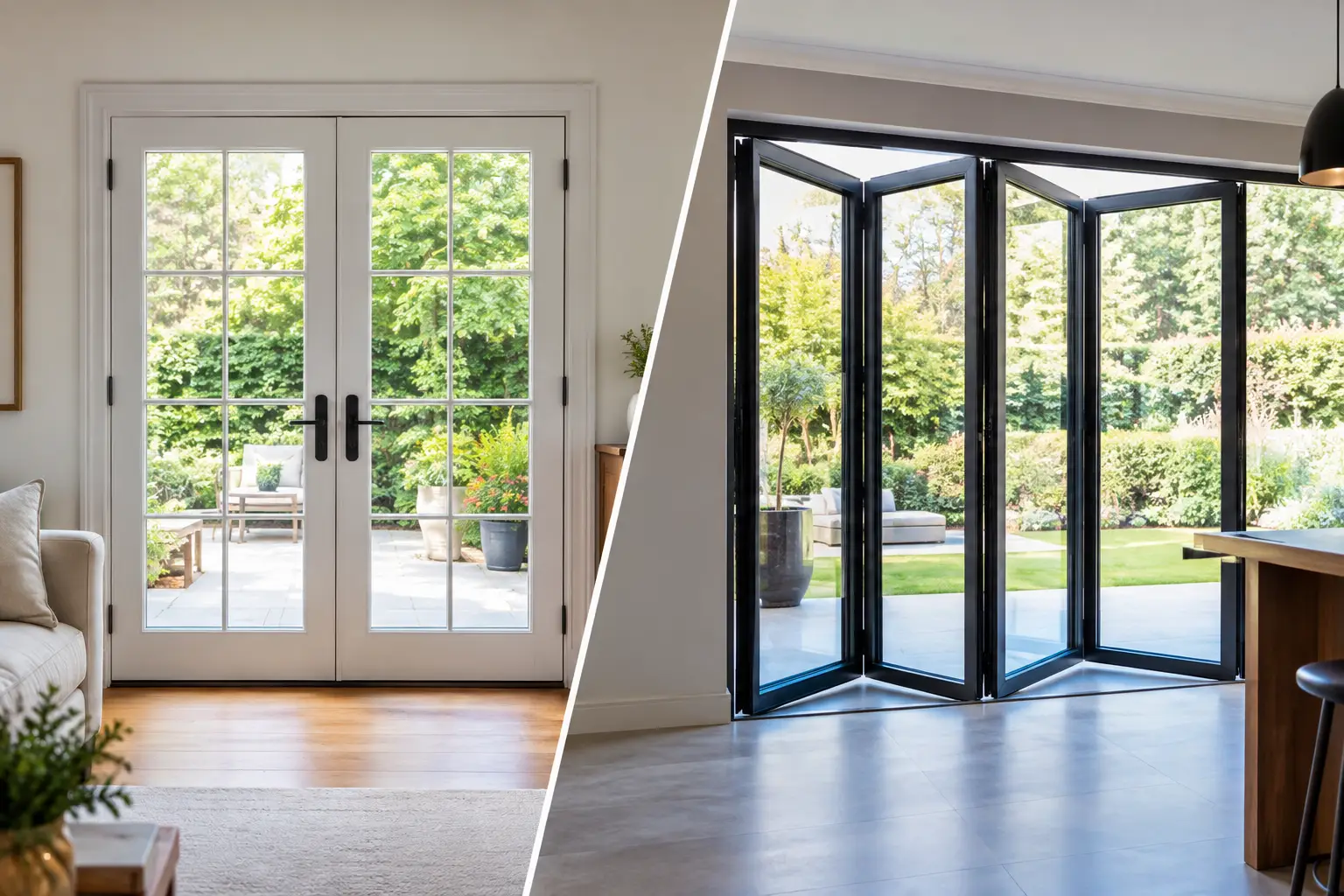
For compact rooms, a barn door can create a distinctive feature while avoiding the swing space of a hinged door. It does not, however, offer the same acoustic or privacy seal as a conventional hinged door. Bi-fold doors can open a wider section of a room or storage area, but they need accurate track alignment and adequate clearance to fold properly. French doors create a more open, light-filled connection between spaces, though the glazing and hardware should suit the privacy and security needs of the location.
The best result comes from considering proportions as well as function. Door height, panel design, glass placement, handle finish, jamb depth, and architrave profile all affect the finished look. A well-chosen door should feel connected to the property rather than added to it.
What Professional Door Installation Includes
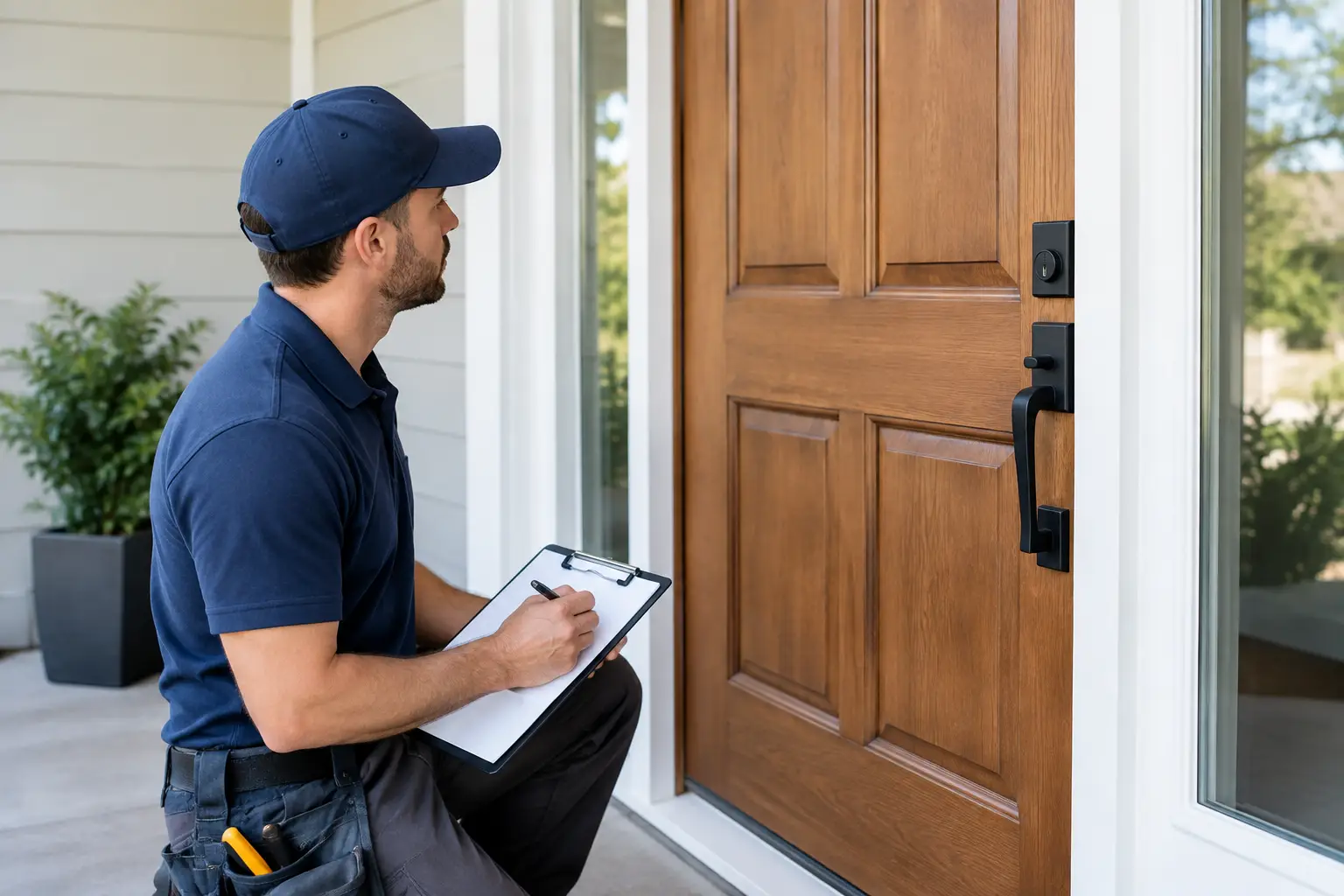
A quality installation process begins well before the door is hung. Accurate measurement is essential, particularly when replacing doors in an existing home. The installer needs to confirm the opening dimensions, wall thickness, floor level, swing direction, hinge side, clearance requirements, and any adjustments needed around trim or flooring.
Preparing the Opening
The opening must be sound, suitably sized, and as square as practical. In some projects, the existing frame can be retained. In others, replacing the door jamb is the better choice because the original frame is damaged, out of alignment, or unsuitable for the new door. This is a decision worth making early, as it affects the scope of work, finishing details, and overall appearance.
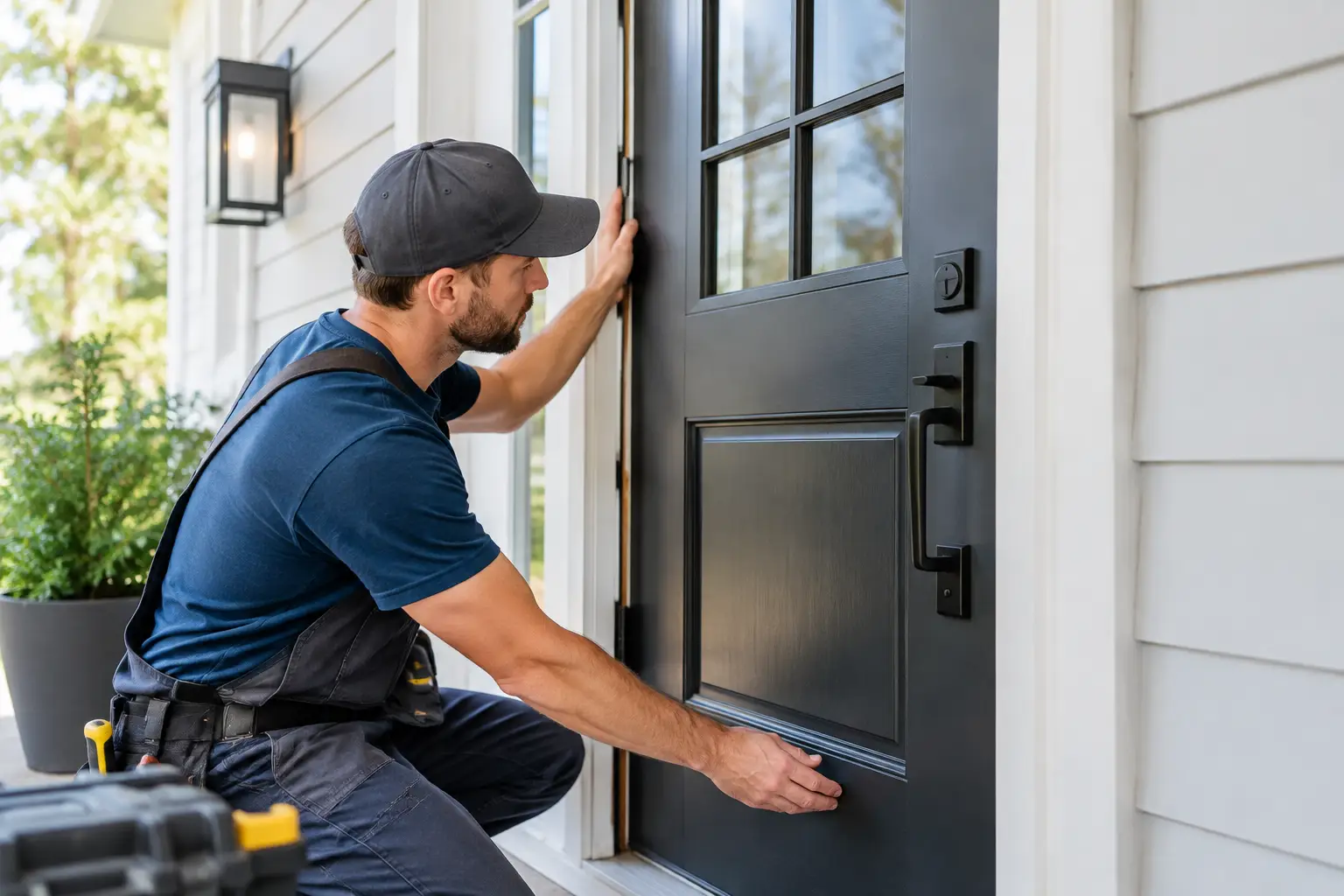
Where a new jamb is fitted, it must be positioned carefully so the door will hang plumb and the latch will engage correctly. Shimming and fixing the frame without checking alignment can create problems that only become obvious once the door is in daily use.
Hanging and Aligning the Door
The door itself is then prepared for hinges, locks, handles, and other hardware. Hinge placement needs to support the weight of the door and allow it to move freely. This becomes especially important with solid timber, solid-core, oversized, or glazed doors, which can be considerably heavier than lightweight internal options.
Even gaps around the leaf are a visible sign of good workmanship. They also provide the necessary clearance for changes in humidity, temperature, and normal building movement. Too little clearance can cause rubbing and sticking. Too much can affect privacy, sound control, and the visual finish.
Completing the Finish
A professional fit-out considers what surrounds the door as well. Architraves conceal the gap between the frame and wall while adding definition to the opening. Skirting boards, trim profiles, and paint finishes should meet cleanly around the doorway. The details are particularly noticeable in renovations, where new components must sit comfortably alongside existing finishes.
Hardware is the final functional layer. A beautiful handle is not enough if the latch is misaligned or the lock does not operate smoothly. Entry doors may require deadbolts, security locks, closers, or specific handle sets, while internal doors may use privacy, passage, or dummy hardware depending on the room.
Common Problems Caused by Poor Fitting
Poor installation can reduce the lifespan and value of an otherwise excellent product. The most obvious issue is a door that rubs on the jamb or floor, but the consequences can extend further. Misalignment may place strain on hinges and latches. Inadequate fixing can lead to movement in the frame. Uneven gaps can allow drafts, light, noise, or unwanted views between rooms.
External doors are less forgiving. If seals are not compressed correctly or the threshold is not set properly, the result can be water ingress, drafts, and reduced energy efficiency. Security can also be compromised when strike plates, locks, and frames are not installed to work together correctly.
A rushed installation often leaves visible clues: rough cut-outs, loose architraves, poorly finished corners, inconsistent spacing, or hardware that sits crookedly. These are not merely cosmetic concerns. They can signal that the door has not been set up to perform as it should.
Planning a Door Replacement or New Fit-Out
Before ordering, think through the practical decisions that are difficult to change later. Confirm whether each door should open inward or outward, left or right, and how that swing affects furniture, walkways, and nearby doors. Consider floor finishes too. New carpet, tile, or timber flooring can change the required clearance at the bottom of the door.
For a renovation, it is also helpful to decide whether you want every internal door to match or whether certain areas should be treated as feature zones. A matching set of shaker doors creates a cohesive, timeless look. A French door to a study or a barn door to a pantry can add character without disrupting that consistency.
Builders and property managers should also consider durability and maintenance. High-traffic doors benefit from reliable hardware and finishes that stand up to frequent use. In rental properties, practical designs with readily serviceable hardware can reduce future maintenance issues.
Choosing an Installer With the Right Experience
Door work rewards precision. The installer should understand the differences between internal, external, sliding, bi-fold, French, and barn door systems, as each has distinct fitting requirements. They should also be comfortable coordinating related components such as jambs, side panels, architraves, skirting, and hardware.
Look for a provider that can guide the selection as well as perform the fitting. When supply and installation are considered together, there is less risk of ordering a door that does not suit the opening, the hardware, or the intended finish. It also creates clearer accountability from the initial measure through to the completed result.
Meriton Doors supports projects across Penrith and greater Sydney with tailored door selection and professional fitting, helping customers bring together the practical and visual parts of the job. Whether the project is a single entry upgrade or a whole-home renovation, clear planning and precise execution make the difference.
A door should feel effortless once it is installed. It should close with confidence, complement the room around it, and continue doing its job quietly for years. Choosing the right product is the first step. Giving it the level, secure, carefully finished installation it deserves is what turns it into a lasting part of the home.