A hollow bedroom door can turn an otherwise well-finished home into a place where every phone call, shower, and late-night television carries down the hall. The best soundproof internal doors do more than feel solid when they close. They limit sound transfer through the leaf, the gaps around it, and the hardware openings that are often overlooked during a renovation.
For homeowners planning a quieter bedroom wing, a focused home office, or a more convincing media room, the right answer is rarely a door alone. Noise control depends on a complete, carefully fitted door system. That is where material selection and installation quality make a visible difference as well as an audible one.
What Makes an Internal Door Good at Reducing Noise?
There is no internal door that makes a room completely silent. Sound can travel through walls, ceilings, ventilation openings, and even small gaps at the door frame. A well-specified door reduces one of the largest and most direct paths between rooms.
Mass is the starting point. Heavier, denser doors vibrate less easily when sound strikes them, so less noise passes through. A solid-core door will generally outperform a lightweight hollow-core door by a considerable margin. For spaces where privacy and acoustic comfort are a priority, purpose-built acoustic doors take performance further with dense cores, engineered construction, and tested seals.
The second factor is airtightness. A substantial door with a 1/4-inch gap at the bottom can still let a surprising amount of sound through. Perimeter seals, a properly adjusted latch, and a drop seal or threshold detail at the bottom of the door are essential parts of an acoustic result. This is why comparing door slabs alone can be misleading.
Acoustic performance is often described using an STC, or Sound Transmission Class, rating. In simple terms, the higher the rating, the more airborne sound the assembly can reduce. A standard hollow-core door may offer limited privacy, while a properly installed solid-core or acoustic door set can make normal conversation and household activity far less intrusive. Ratings should always be considered alongside the wall construction, since sound will find the weakest path.
The Best Soundproof Internal Doors by Application
The best choice depends on what happens on each side of the door. A bedroom beside a busy family room has different needs from a meeting room next to a reception area.
Solid-Core Doors for Bedrooms and Everyday Privacy
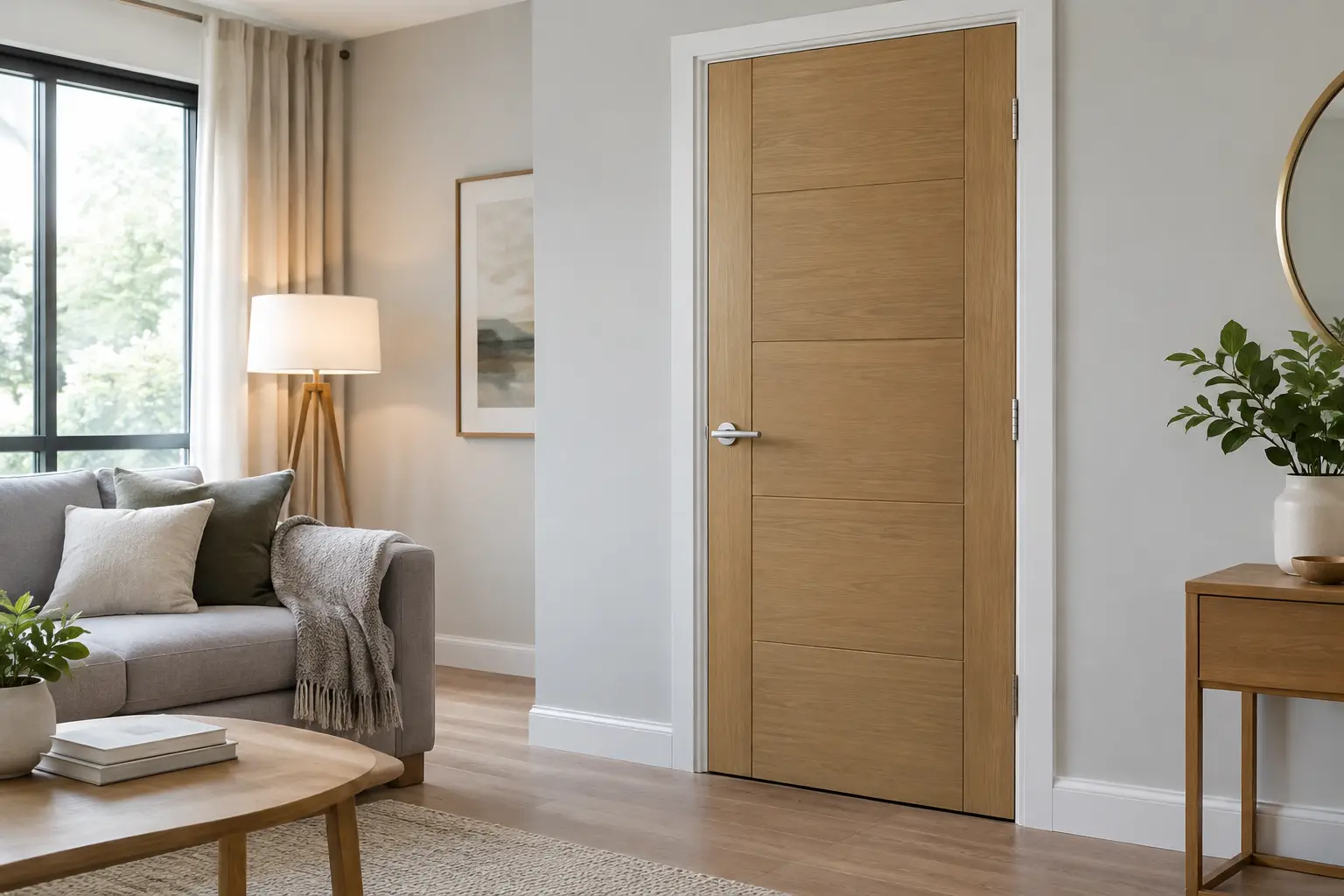
Solid-core hinged doors are often the best balance of performance, appearance, and cost for homes. Their dense engineered timber core adds weight and substance without forcing every room to use a commercial-style acoustic door. They are a strong choice for bedrooms, bathrooms, nurseries, studies, and laundry rooms where everyday sounds should stay contained.
A solid-core door can suit almost any interior style. Shaker profiles add architectural detail, while flush doors deliver a cleaner contemporary finish. Keep in mind that deep routed profiles, glass inserts, and lightweight decorative constructions may change the acoustic outcome. If quiet is a key goal, ask about the actual core and construction behind the face finish.
Acoustic Door Sets for Offices, Media Rooms, and Consulting Spaces
When a room is intended for concentrated work, private conversations, music, or home cinema use, an acoustic-rated door set is the more assured option. These doors are designed as a system: a dense leaf, compatible frame, compression seals around the head and jambs, and an automatic drop seal at the sill.
They are particularly valuable for home offices used for video calls, music rooms, therapy or consulting rooms, light commercial offices, and meeting spaces. In a media room, an acoustic door helps keep movie sound from spilling into adjacent living areas. It also reduces the amount of household noise that interrupts the room itself.
There is a trade-off. Acoustic door sets are heavier, cost more than standard internal doors, and require accurate frame preparation. They may also need more deliberate hardware selection to preserve their performance. For the rooms that genuinely need them, however, they provide a more complete solution than simply upgrading to a heavier slab.
Solid Timber Doors for Weight and Character
Solid timber doors can offer excellent mass and a distinctive, high-end appearance. They work especially well in traditional homes, heritage-inspired interiors, and spaces where the grain and natural warmth of timber are part of the design vision.
Their acoustic value depends on the species, thickness, joinery, and how well the door is sealed. Timber also responds to changes in humidity, so quality construction and professional fitting are important for maintaining even clearances over time. A beautiful solid timber door that binds, warps, or leaves uneven gaps will not deliver its best acoustic performance.
Glass and French Doors: A Design-Led Compromise
French doors and glazed internal doors bring light and connection between rooms, but they are not usually the first choice where serious sound control is required. Standard single glazing and multi-panel construction create more paths for sound transmission than a dense, sealed solid door.
That does not mean glass doors must be ruled out. Laminated or double-glazed options, well-designed frames, and perimeter seals can improve performance. They are often appropriate where moderate noise reduction and daylight matter equally, such as between a dining room and formal living area. For a recording space, private office, or theater room, a solid acoustic door remains the stronger choice.
Seals and Installation Matter as Much as the Door
A quality door can only perform as well as its installation allows. Gaps at the head, jambs, and sill are the most common reasons a supposedly sound-reducing door disappoints.
Compression seals fitted around the frame close the fine air paths that carry high-frequency noise, including speech. At the bottom, an automatic drop seal lowers into place when the door closes and retracts when it opens, avoiding the drag of a fixed sweep. This is generally a refined solution for carpet, timber, tile, and other finished floor surfaces.
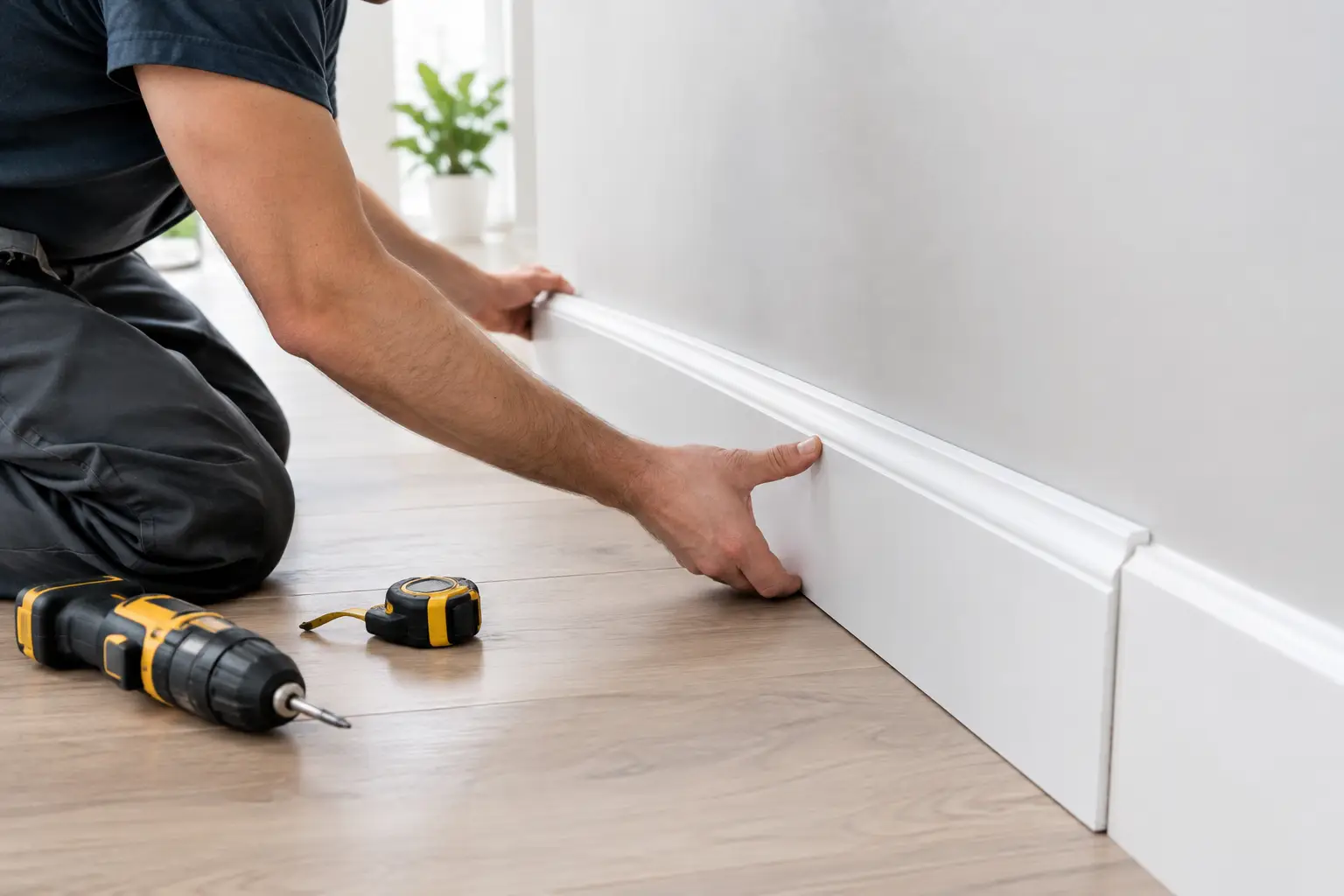
The frame needs to be square, stable, and correctly fixed. The door must hang evenly and latch with enough compression to engage the seals without becoming difficult to close. Heavy solid-core and acoustic doors also require hinges and hardware rated for their weight. Standard light-duty hinges may sag over time, creating gaps and compromising both the finish and the acoustic result.
For this reason, supply-and-install service is often the sensible choice for a sound-sensitive project. A skilled installer considers the door leaf, jamb, hardware, clearances, seals, and surrounding finish as one coordinated assembly rather than separate items.
Choosing the Right Door for Your Room
Start by identifying the noise you are trying to control. Speech privacy between bedrooms and living areas may call for a solid-core door with perimeter seals. A child practicing drums, a cinema system, or confidential office calls may justify an acoustic-rated door set and a review of the walls and ceiling around it.
Next, consider how the door must look and operate. A hinged door usually provides the simplest path to effective sealing. Sliding and barn doors can be visually striking and save floor space, but their necessary clearances make them harder to seal against sound. They are better suited to spaces where openness and style matter more than acoustic separation.
Finally, inspect the wider room. If a lightweight partition wall, open return-air grille, or unsealed bulkhead sits beside the door, upgrading the door alone may not solve the problem. A good door specialist will identify these limitations early, helping you invest where it will have the greatest effect.
A Better Result Starts With a Complete Door System
For renovators and builders, the most reliable approach is to select the door, frame, seals, and hardware together before the opening is finished. This avoids trying to retrofit acoustic components into a frame that was never prepared for them. It also protects the clean lines and dependable operation expected from a premium internal door.
Meriton Doors helps homeowners and project teams across greater Sydney choose door solutions that balance exceptional design, durability, and practical performance. For rooms where quiet matters, precise fitting is not a finishing detail. It is part of the product.
The right internal door should make a home feel calmer without calling attention to itself. Choose the level of sound control your room genuinely needs, specify the complete system, and give the installation the same care as the door design.
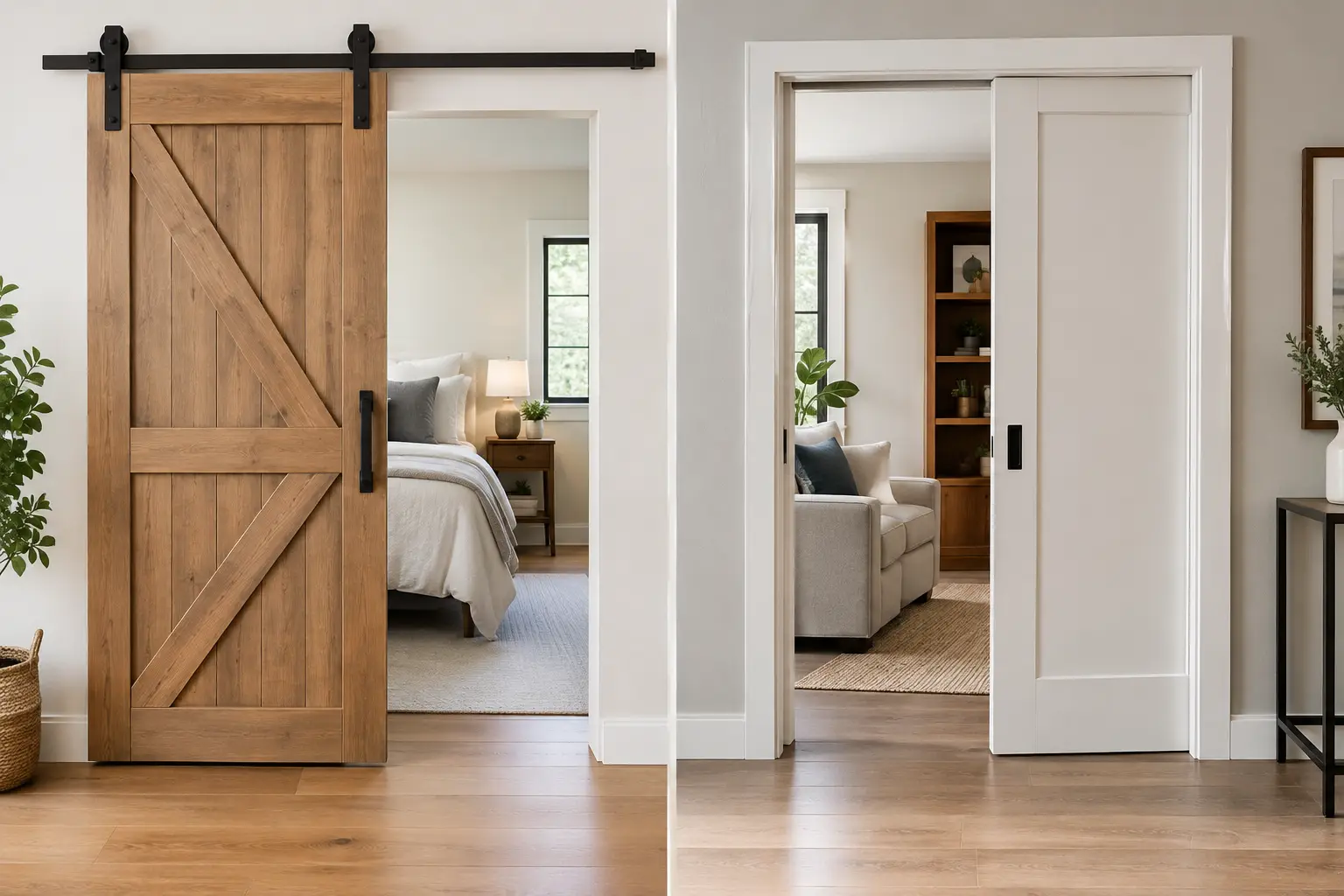
Barn Doors Versus Pocket Doors for Your Home
Barn doors versus pocket doors differ in space, privacy, cost, and style. Compare both options to choose the right interior door for your home today.