A door is one of the first things you touch when you come home, yet it is often treated as an afterthought in an apartment renovation. A hollow, poorly fitted, or dated door can make an otherwise polished space feel unfinished. The right apartment door upgrades improve privacy, security, noise control, and the overall look of your home without requiring a full renovation.
For apartment owners, the best choice is rarely just about appearance. Strata rules, fire ratings, shared hallways, limited clearances, and existing frames all affect what can be changed. A considered approach helps you select a door that looks exceptional, performs reliably, and is installed with the precision needed for daily use.
Start With the Door’s Job
Before selecting a style, consider what the door needs to do. Your apartment entry door has very different requirements from a bedroom, bathroom, laundry, or wardrobe door. Entry doors need to provide strength, privacy, and an appropriate finish for a shared corridor. Internal doors are more focused on room separation, light, airflow, and visual consistency.
This distinction matters because a beautiful door that is unsuitable for its location will not deliver lasting value. A lightweight internal door may be perfect for a linen closet but is not a substitute for an approved apartment entry door. Similarly, a solid internal door may reduce noise between bedrooms, but it can feel unnecessarily heavy in a compact pantry or storage area.
Measure the existing opening and assess the condition of the jamb, hinges, architraves, and flooring around it. In many apartments, the door itself is not the only issue. An out-of-square frame, tired hardware, or uneven gaps can undermine the finished result.
Entry Door Upgrades for Security and Street Appeal
The apartment entry door sets the tone for the home while acting as a critical boundary between private and shared space. In a building, however, the exterior-facing side of the door may be governed by strata bylaws. Some buildings require all doors visible from the hallway to retain a consistent color, profile, or finish.
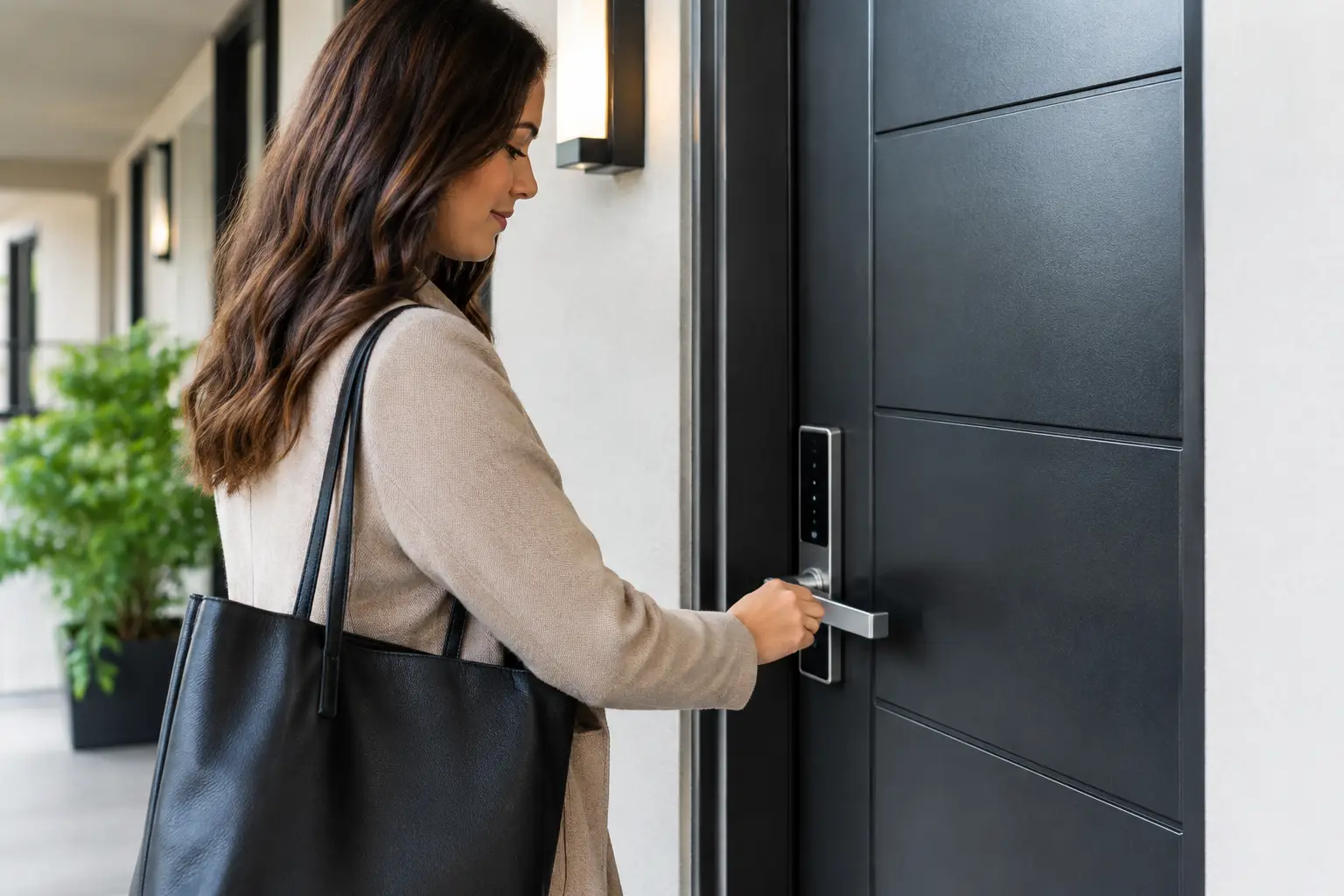
That does not mean your options are limited. An entry door can often be improved with high-quality hardware, a refined internal finish, improved seals, or a professionally fitted replacement that meets the building’s requirements. A well-chosen handle, viewer, lockset, and door closer can make an immediate difference to both function and presentation.
Security should be considered as a complete system rather than a single lock. A quality lock is only as effective as the door, frame, strike plate, hinges, and installation behind it. If the door has movement, large gaps, loose hardware, or a damaged jamb, fitting new hardware alone may not solve the problem.
For apartment buildings, always confirm fire and safety requirements before replacing an entry door. Many corridor doors are fire-rated and self-closing, and changes may require body corporate or strata approval. This is one area where professional advice and accurate installation are essential.
Internal Apartment Door Upgrades That Change the Whole Space
Internal doors have a significant effect on how an apartment feels. Replacing a set of mismatched, worn, or flush doors with a coordinated style creates a stronger sense of finish from room to room. It is a practical improvement that can lift bedrooms, bathrooms, hallways, and living areas at once.
Shaker doors are a popular choice for apartments because their clean panel detailing works across classic, coastal, and contemporary interiors. They add character without overwhelming a smaller floor plan. Flush doors offer a quieter, more minimal look and can be especially effective in modern apartments where streamlined finishes are the priority.
For rooms that need more privacy, a solid-core door is often worth considering. Its denser construction can help reduce everyday sound transfer from televisions, conversations, washing machines, and early-morning routines. It will cost more than a hollow-core option and may require suitable hinges and hardware, but the difference is noticeable in busy households.
Bathroom and laundry doors need another layer of thought. Moisture-resistant materials, durable paint finishes, and sufficient ventilation are important in these areas. Where space is tight, the swing direction matters just as much as the door style. A door that blocks a vanity, laundry appliance, or hallway when open can make a compact apartment harder to use.
Consider Sliding, Barn, and French Door Options Carefully
Alternative door styles can solve layout problems, but they are not interchangeable. Sliding doors are useful where a hinged door would interfere with furniture or restrict circulation. They can be a smart option for wardrobes, laundries, ensuites, and compact studies, provided there is enough wall space or cavity depth for the system.
Barn doors bring warmth and a strong design feature to an interior, particularly when used to divide a study, media room, or pantry. They do have trade-offs. Because the door sits in front of the opening rather than sealing into a frame, barn doors generally provide less acoustic privacy and less light control than a standard hinged door. They are best used where visual impact and space-saving matter more than complete separation.
French doors can make a smaller apartment feel brighter by allowing light to travel between rooms. They work beautifully between a living area and a study, dining room, or enclosed balcony. Clear glazing creates openness, while textured or frosted glass offers more privacy. Keep in mind that glass doors need thoughtful placement if sound control or complete visual privacy is a priority.
Do Not Overlook Frames, Trim, and Hardware
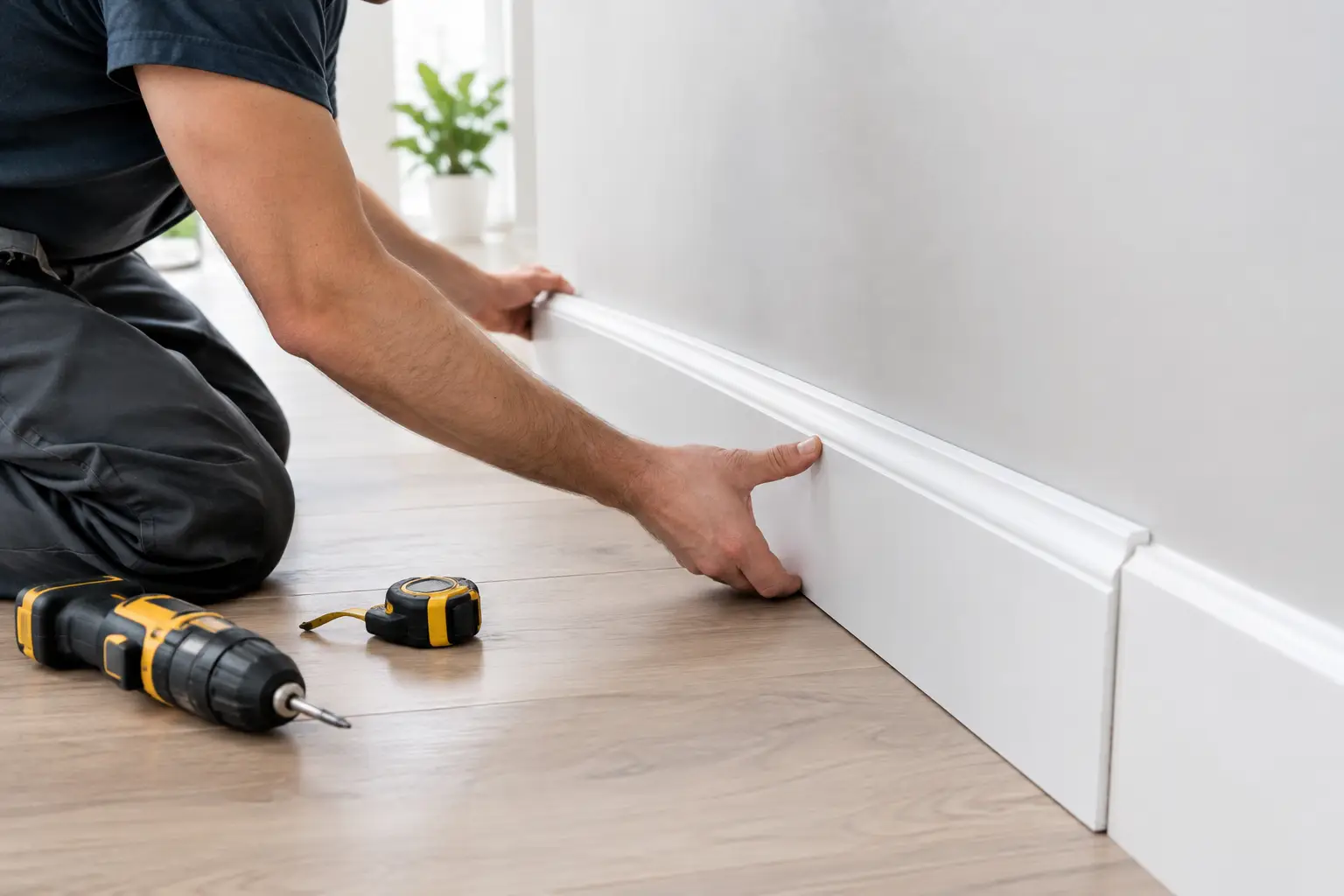
A door installation is only as polished as the details around it. New architraves, jambs, skirting, and carefully chosen hardware can make a replacement door look intentional rather than simply new. These components also help resolve visible wear, awkward transitions, and uneven finishes left by previous renovations.
Hardware should suit both the door style and the way the space is used. Lever handles are practical for most internal doors, while privacy sets are appropriate for bedrooms and bathrooms. Matte black hardware can create a defined contemporary contrast, brushed nickel offers a versatile neutral finish, and warmer metal tones can complement timber features.
Hinges deserve attention as well. A solid-core door needs hinges capable of carrying its weight over time. Poorly matched hinges can lead to sagging, rubbing, and latching problems. Soft-close mechanisms, magnetic catches, and quality door stops are smaller additions that improve the daily experience and protect walls and finishes.
Plan Around Building Rules and Installation Conditions
Apartment renovations often involve more planning than house renovations. Access may be limited by elevators, stairwells, parking arrangements, noise restrictions, and approved work hours. If the building is occupied, tidy work practices and careful protection of common areas are just as important as the finished door.
Approval requirements vary. Internal doors are commonly straightforward, but changes to entry doors, fire-rated assemblies, common-area appearances, or structural openings may need written permission first. It is better to confirm these details early than to choose a product that cannot be installed.
Professional measurement is particularly valuable in older apartments, where openings may not be standard and frames may have shifted over time. A properly fitted door should open smoothly, latch cleanly, maintain consistent gaps, and sit neatly against the stops. Those details are what create assured durability rather than a short-term cosmetic improvement.
Choosing a Finish That Lasts
Your finish should work with the amount of use the door receives. Painted doors are flexible and can be matched to walls, trim, or a deliberate contrast color. Timber veneers and timber-look finishes add warmth but should be selected with the room’s light levels and surrounding materials in mind.
Lighter colors can help narrow hallways and small rooms feel more open. Darker doors create definition and can give a modern apartment a more architectural look, though they may show fingerprints or dust more readily in high-traffic areas. If you are upgrading several doors, consistency usually creates the strongest result.
For homeowners and renovators in Penrith and across greater Sydney, a door specialist can help match the product, frame, finish, and hardware to the realities of your apartment and building requirements. Meriton Doors approaches each project with attention to fit, durability, and the details that shape the final result.
A door upgrade does not need to be dramatic to be meaningful. When the doors close quietly, hardware feels solid, rooms offer the right level of privacy, and every opening looks considered, the apartment becomes more comfortable to live in every day.
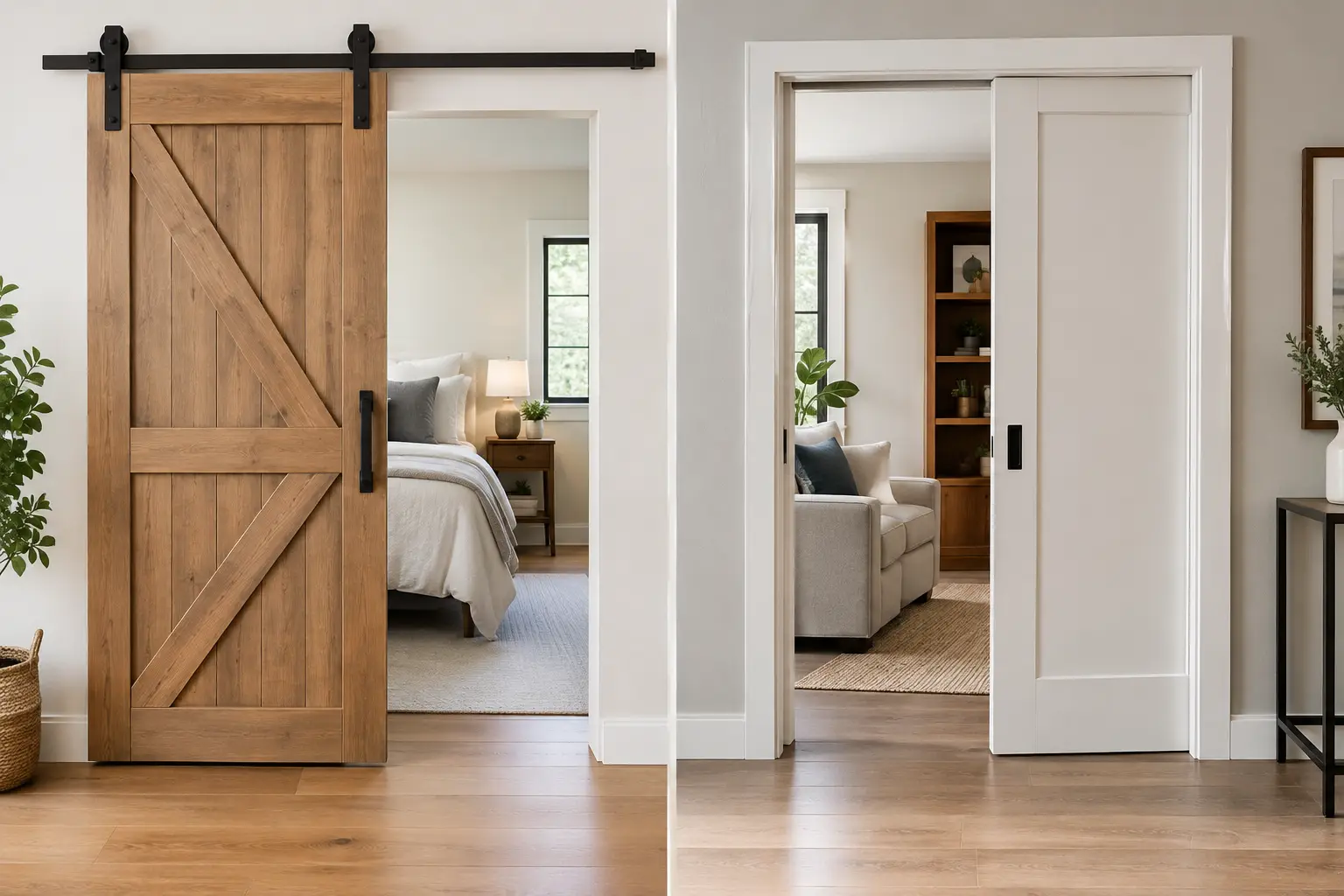
Barn Doors Versus Pocket Doors for Your Home
Barn doors versus pocket doors differ in space, privacy, cost, and style. Compare both options to choose the right interior door for your home today.