A door that sticks, rattles in the wind, or refuses to latch is rarely just a door problem. The frame carries the hinges, holds the strike plate in position, supports the trim, and creates the tight, secure fit that makes a door feel solid. Door frame repair can restore that performance, but the right solution depends on what caused the damage in the first place.
For homeowners, renovators, builders, and property managers, the key is not simply making the damage less visible. It is identifying whether the frame can still hold a door squarely and securely for years to come. A tidy patch may be appropriate for minor wear. A distorted, decayed, or structurally compromised jamb often calls for more considered work.
What a Door Frame Does Beyond Holding a Door
A complete door frame is more than the trim seen around an opening. It includes the jambs on each side, the head jamb across the top, the stops that the door closes against, and often the architraves that finish the wall edge. On an exterior opening, the threshold, weather seals, and surrounding wall connection also affect performance.
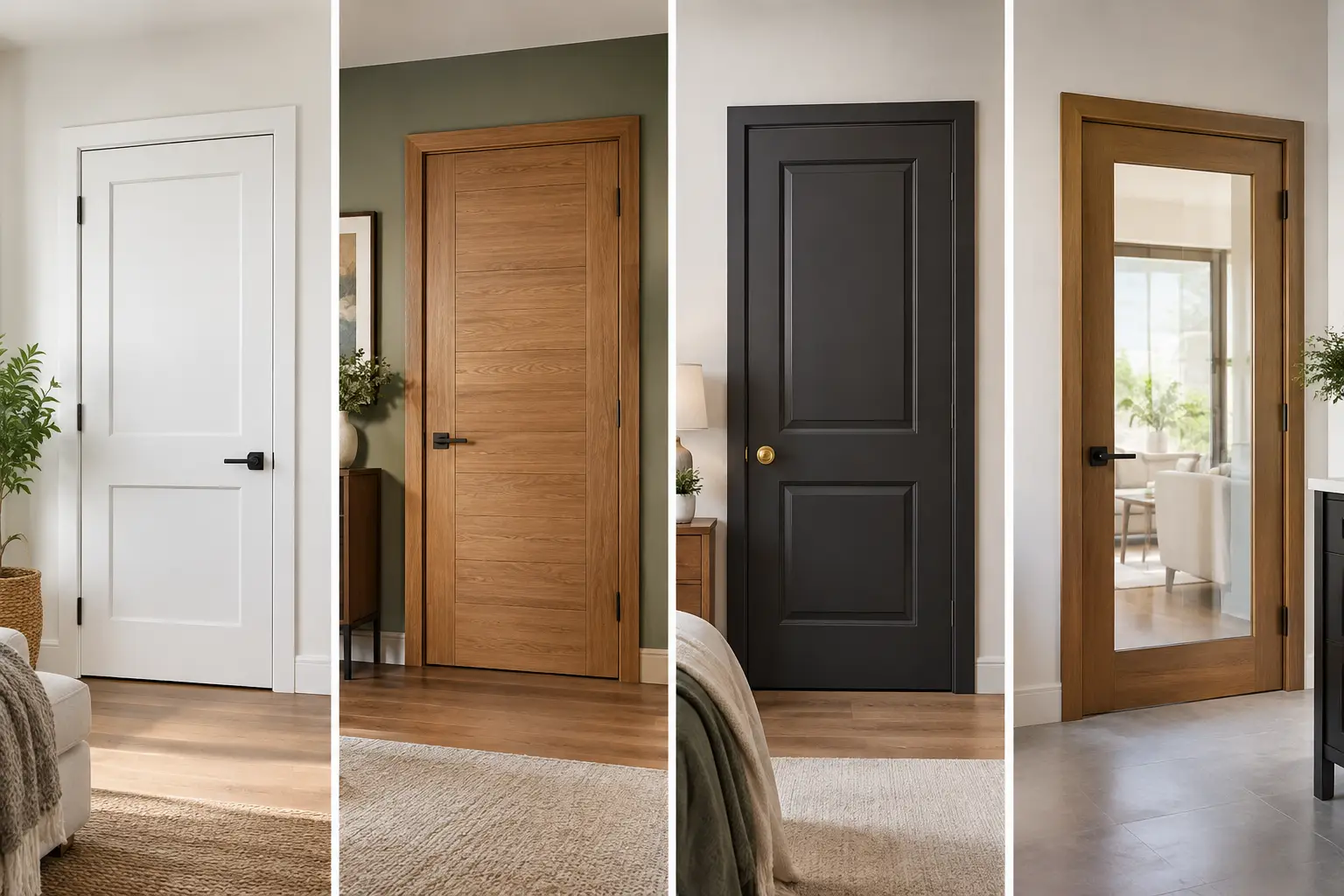
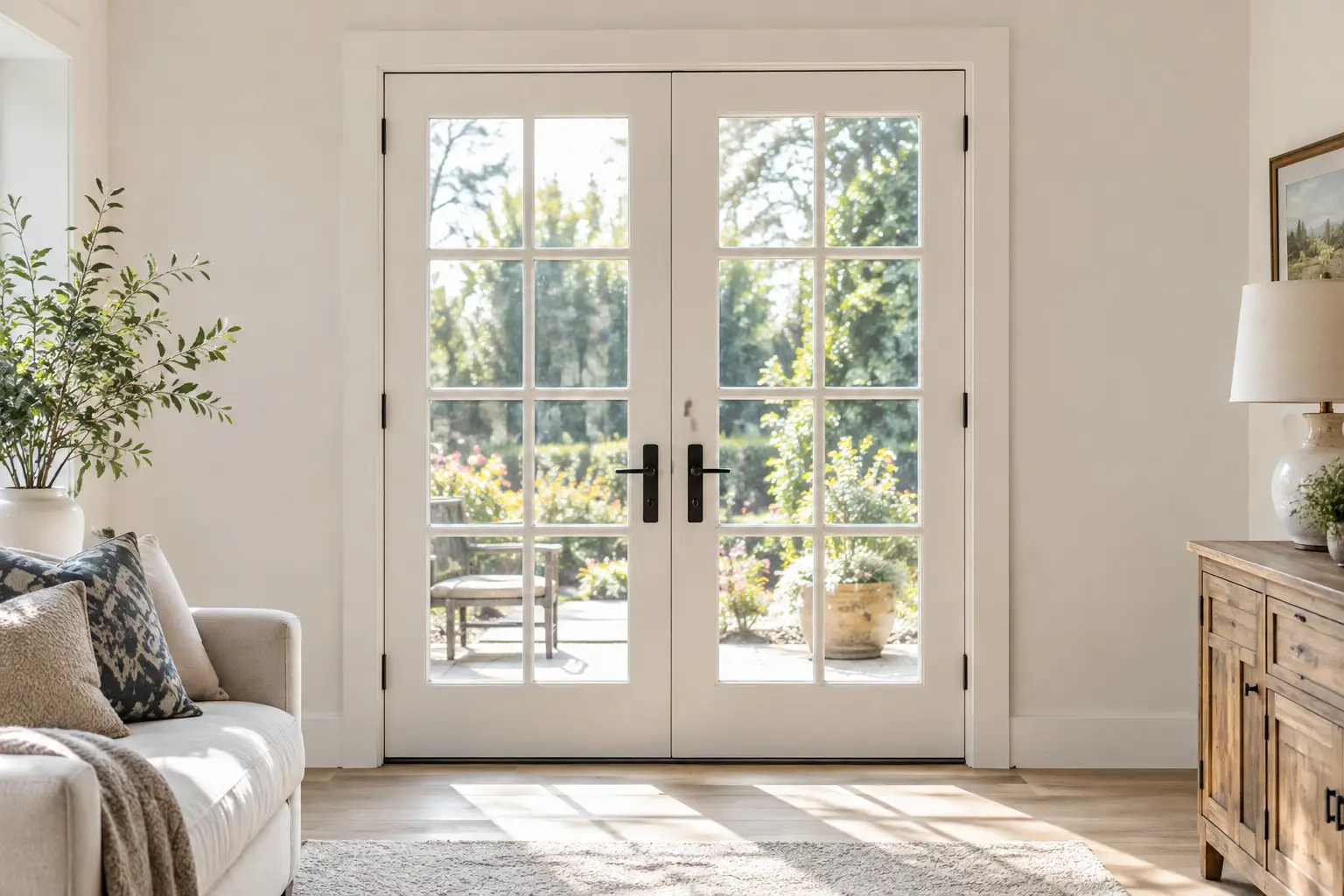
When these parts are fitted accurately, the door swings freely, closes evenly, locks reliably, and sits with consistent gaps around its edges. That precision matters especially for entry doors, where poor alignment can affect security, weather resistance, and curb appeal. Inside the home, a damaged frame can make an otherwise beautiful shaker, French, or barn-style door look poorly finished.
The visible issue is not always the real issue. A split hinge jamb may have been caused by loose screws, but it could also point to a heavy door hanging on an undersized frame. Swelling near the bottom of an exterior frame may be a sign of water entering through failed sealing, not simply an isolated timber defect.
Signs You Need Door Frame Repair
Small dents in painted trim are generally cosmetic. Problems become more urgent when the frame affects how the door operates, locks, or seals. Look closely if a door rubs at the top or bottom, needs force to close, has widening gaps, or no longer meets the strike plate correctly.
Cracks around hinges deserve attention because hinges transfer the weight of the door into the jamb. Repeated tightening of screws may offer only a short-term improvement if the timber is split or stripped. A door that has dropped noticeably can place ongoing stress on hinges, locks, and the frame itself.
On exterior doors, soft timber, peeling paint, discoloration, and persistent swelling are warning signs of moisture damage. Timber decay can remain hidden beneath paint or behind architraves, so a clean-looking surface should not be treated as proof that the frame is sound. Water management must be addressed alongside the repair, or the same damage is likely to return.
Movement in the building can also alter a frame. Settlement, renovation work, seasonal expansion, or an opening that was not properly supported can leave a jamb out of square. In these cases, shaving the door edge may make it close temporarily, but it does not correct the source of the problem.
Door Frame Repair or Replacement: Making the Right Call
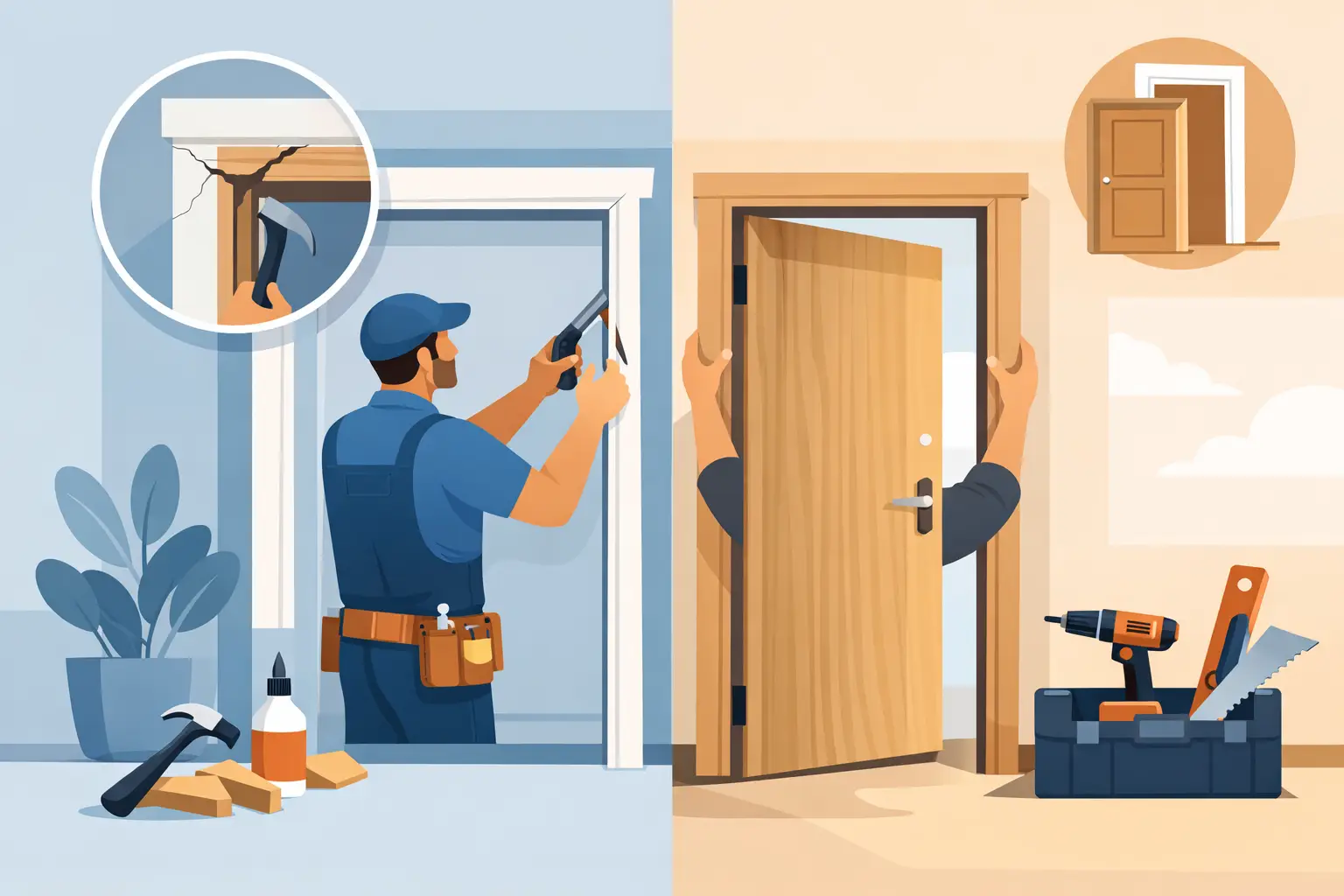
Repair is usually worthwhile when damage is localized and the frame remains straight, dry, and firmly connected to the surrounding opening. This might include filling small splits, repairing stripped screw holes, replacing a damaged section of stop molding, re-securing loose architraves, or adjusting a strike plate after minor movement.
Replacement becomes the better investment when rot extends through the jamb, the frame is badly warped, the hinge area has failed repeatedly, or the opening is no longer square. It is also sensible when an older frame cannot properly support a new, heavier, or more secure door. A premium entrance door deserves a jamb and fixing system that can support its weight and maintain a precise reveal.
There is a trade-off. Local repair is less disruptive and can be cost-effective when the underlying structure is sound. Full replacement involves more labor and finishing work, particularly where wall linings, flooring, skirting, or existing architraves meet the opening. However, replacing a failing frame once is often better value than repeatedly repairing a door that continues to bind, leak, or sag.
For a renovation, frame replacement can also be an opportunity. New jambs and architraves can sharpen the proportions of an opening, complement updated skirting, and give internal doors a more consistent, tailored finish throughout the home.
Common Repairs and What They Solve
A professional assessment begins with operation, not appearance. The door is checked for plumb, level, and square, then the hinge side, latch side, threshold, and surrounding wall are inspected. The repair should match the condition found.
Minor hinge damage may be resolved by removing failed fixings, rebuilding the fixing point, and using properly sized screws anchored into solid material. A loose strike plate can often be repositioned once the cause of misalignment is understood. Surface splits may be stabilized and refinished where they do not compromise the strength of the jamb.
Moisture-damaged exterior timber is different. Any decayed material must be removed or replaced with sound, suitable components, then protected with proper sealing and finishing. The installer should also identify why water reached the frame, whether from exposed end grain, failed caulking, inadequate flashing, poor drainage, or an incorrectly detailed threshold.
A frame that is out of square may require the door to be removed and the jamb reset or replaced. This is precise work. The goal is not merely to create enough clearance for the slab to move, but to achieve even margins, reliable latch engagement, and a finish that looks intentional from every angle.
Why Professional Fitting Makes a Lasting Difference
Door frame work sits at the intersection of carpentry, hardware installation, finishing, and building movement. A well-made repair can still fail if hinges are not aligned, fixings are inadequate, or the door is refitted without allowing for normal seasonal movement.
Professional installation brings a more complete view of the opening. The frame is assessed with the door, hardware, surrounding trim, and intended use in mind. A light hollow-core internal door places very different demands on a jamb than a solid timber entry door or a high-traffic commercial door.
Finish quality matters too. Uneven architraves, oversized filler lines, exposed gaps, and poorly matched paint can undermine an otherwise successful repair. Careful workmanship preserves the crisp lines that make a doorway feel finished, whether the style is classic, contemporary, or designed around statement timber detailing.
Meriton Doors approaches supply and fitting as one connected result: the chosen door, jamb, hardware, architraves, and installation all need to work together. That approach helps prevent the common frustration of fitting a quality new door into an old frame that is not capable of supporting it properly.
Protecting a Repaired or New Frame
Once the frame is operating correctly, a little maintenance goes a long way. Keep exterior paint and sealant in good condition, particularly at lower corners and exposed joints. Address leaks promptly, avoid slamming doors, and tighten loose hardware before it enlarges a fixing hole or damages the timber.
For homes with children, pets, moving furniture, or frequent foot traffic, door stops are a small but worthwhile safeguard. They prevent handles from striking walls and reduce the shock transferred through hinges and frames. On entry doors, check that weather seals remain intact and that the threshold continues to shed water away from the opening.
If a door begins sticking again after a repair, do not keep forcing it closed. Early assessment can turn a simple adjustment into a straightforward job rather than a larger frame replacement.
A door should close with a reassuring, effortless feel and sit neatly within an opening that complements the rest of the space. When it does not, the frame is worth treating as part of the home’s long-term finish, security, and everyday comfort – not as an afterthought.