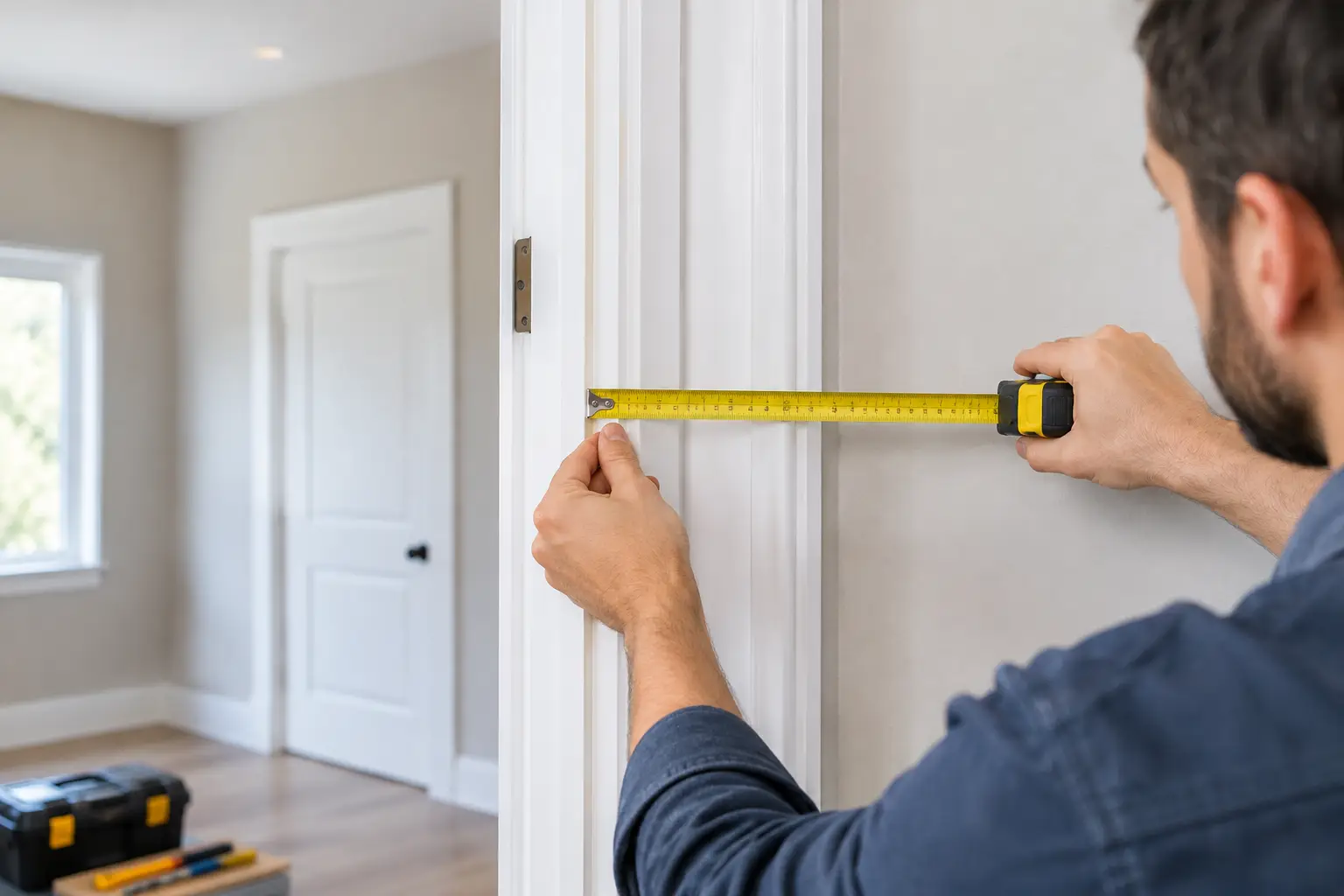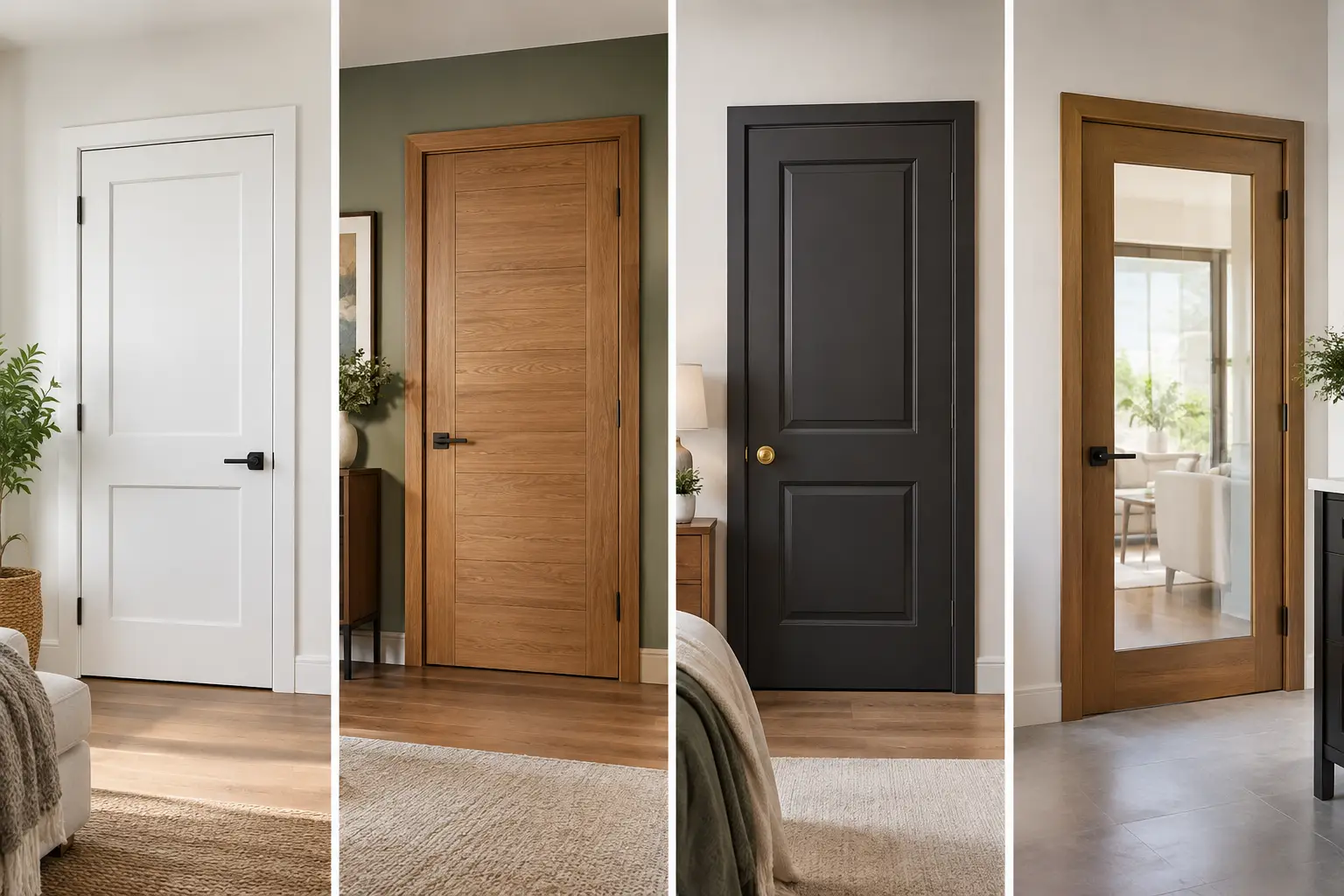

A front door can make a home look sharper, feel safer, and perform better – but the price can vary more than most people expect. If you are researching front door supply and fit cost, the real answer depends on the door itself, the frame opening, the level of hardware, and how much site work is needed to get a precise finish.
For homeowners and renovators, that matters because the front door is not just another joinery item. It is a working part of the home that handles weather, daily use, security demands, and first impressions all at once. A lower quote may look appealing at first, but if it skips key preparation, uses lower-grade materials, or leaves gaps in the finish, the result can cost more to fix later.
What front door supply and fit cost usually includes
When people compare prices, they often compare unlike-for-like quotes. A proper supply-and-fit price is usually more than the door slab alone. It may include the door, frame or jamb components, hinges, lock preparation, installation labor, basic adjustments, and finishing work needed to make the opening operate correctly.
In some projects, it also includes removing the existing door, disposing of old materials, fitting new seals, upgrading hardware, or trimming the opening. If sidelights, custom sizing, specialty glass, or premium timber species are involved, the cost will move higher. That is why a simple online price for a door panel rarely tells the full story.
Typical price ranges for a front door supply and fit cost
As a general guide, a straightforward front door supply and fit cost for a standard residential opening often starts in the lower thousands and increases from there depending on materials and installation complexity. A basic prehung front door with standard hardware and a clean installation may sit at the entry end of the range, while custom timber statement doors, oversized designs, or projects requiring frame correction can climb significantly.
For many homes, a realistic installed budget may fall somewhere between $1,500 and $5,000, with premium custom solutions moving beyond that. The spread is wide for a reason. A painted engineered door installed into an existing square opening is a very different project from a solid timber entry door with glass inserts, upgraded locks, and new jambs.
If the goal is to improve curb appeal and security at the same time, most homeowners find the best value sits in the middle – quality materials, good hardware, and professional fitting without paying for unnecessary extras.
The biggest factors that affect price
Door material
Material is one of the biggest cost drivers. Solid timber doors usually sit at the higher end because they offer presence, durability, and a premium finish, but they also require quality manufacturing and skilled installation. Fiberglass and steel options can offer strong performance and security at different price points, while engineered or veneered doors may provide a more budget-conscious path if selected well.
The right material is not only about upfront spend. It is also about climate exposure, maintenance expectations, and how long you want the door to hold its appearance.
Size and design
Standard sizes are usually more economical than custom ones. Once a project moves into oversized doors, arched tops, detailed panel profiles, or custom glazing, both supply and labor costs rise. Decorative glass, feature grooves, and premium finishes can all lift the total.
That does not mean custom is poor value. In the right home, a well-designed entrance door can significantly improve the whole facade and make the investment feel justified.
Frame condition and opening preparation
This is where many budgets shift. If the existing frame is out of square, damaged, swollen, or poorly aligned, the installer may need to rebuild or replace sections before the new door can be fitted correctly. A new door installed into a faulty opening will not perform as it should.
Good preparation protects the result. It helps the door swing cleanly, latch properly, seal against drafts, and hold up over time.
Hardware and security
Locks, handles, hinges, closers, smart entry systems, and security upgrades all affect the final number. Basic hardware may be enough for some projects, but front doors carry a heavier duty than many internal doors. Better-grade hardware can improve security, feel more substantial in daily use, and last longer under repeated operation.
This is one area where cutting corners often shows quickly. Loose handles, poor locking action, and inferior finishes can make a new door feel disappointing even when it looks good from the street.
Finishing and installation detail
Painting, staining, sealing, weather strips, threshold work, and trim detailing may or may not be included in a quote. A polished installation depends on these details. They influence not only appearance, but also weather resistance and long-term durability.
A quality installer will also account for reveal lines, hinge placement, smooth closing action, and neat junctions with surrounding trim. Those details are easy to miss in a cheap quote and impossible to ignore once the job is complete.
Why professional installation makes a real difference
A front door has to do more than fit the opening. It needs to open freely, close with confidence, seal against the elements, and sit visually balanced within the entry. That is why installation quality matters as much as the product itself.
Professional fitting reduces the risk of sticking, rattling, uneven gaps, premature wear, and water ingress. It also ensures the hardware is set accurately and the frame is supported where needed. For design-focused homes, it protects the visual standard as well. A premium door loses its impact quickly if the margins are uneven or the lockset sits crooked.
This is where specialist supply-and-fit services tend to offer stronger value than piecing the job together across multiple trades. Product selection, measurement, preparation, and installation are handled as one coordinated process, which usually leads to a better result and fewer delays.
How to compare quotes properly
If you are reviewing proposals, focus on scope as much as price. Ask what is included in the supply. Confirm the door material, thickness, hardware allowance, frame treatment, removal of old materials, sealing, and any site preparation. Then ask whether finishing work and final adjustments are part of the installation.
It also helps to check whether the quote is based on a site measure or a rough estimate. An on-site assessment tends to produce a more accurate figure because it picks up frame issues, access constraints, and details that affect labor.
A slightly higher quote from a specialist can be better value if it includes the right preparation and a cleaner finish. In a visible part of the home like the main entrance, workmanship is rarely the place to compromise.
When a lower price makes sense – and when it does not
There are projects where a lower-cost option is perfectly reasonable. If the opening is standard, the frame is sound, and the property needs a neat functional upgrade rather than a design statement, a simpler door and hardware package may do the job well.
But if the front entry is a focal point, if the home has a higher-end finish, or if security and weather performance are priorities, aiming too low can create problems. The trade-off is usually in materials, hardware quality, finishing detail, or installation time. Those savings can be real, but so can the compromises.
For many Sydney homeowners, the best decision is not the cheapest door. It is the door that suits the home, performs properly, and is installed with precision.
Choosing value over just price
The strongest value comes from balancing design, durability, and workmanship. A good front door should look right on the house, feel solid every day, and stand up to wear without constant adjustment. That means thinking beyond the ticket price and looking at the full installed outcome.
For homeowners, builders, and property managers, that often means choosing a supplier that can guide the selection process, explain the trade-offs clearly, and fit the product to a professional standard. Meriton Doors works with exactly that approach – pairing quality door solutions with expert installation so the final result feels considered from every angle.
If you are planning an entry upgrade, treat the front door as part design feature, part security component, and part long-term investment. The right choice is the one that fits your home properly, performs as it should, and still looks the part every time you come through it.