A well-chosen opening can change more than a room’s appearance. It can make a compact living area feel wider, bring a garden into everyday view, and improve the way people move through a home. This guide to bi fold doors is designed to help homeowners, renovators, builders, and property managers choose a system that looks refined, works reliably, and suits the realities of the opening.
Bi-fold doors are a strong option where a conventional hinged or sliding door limits access. Their panels fold and stack to one or both sides, creating a broad, usable opening between indoor and outdoor spaces or between adjoining rooms. The result can feel impressive, but the best outcome depends on careful decisions around configuration, materials, hardware, glazing, and installation.
What Bi-Fold Doors Do Best
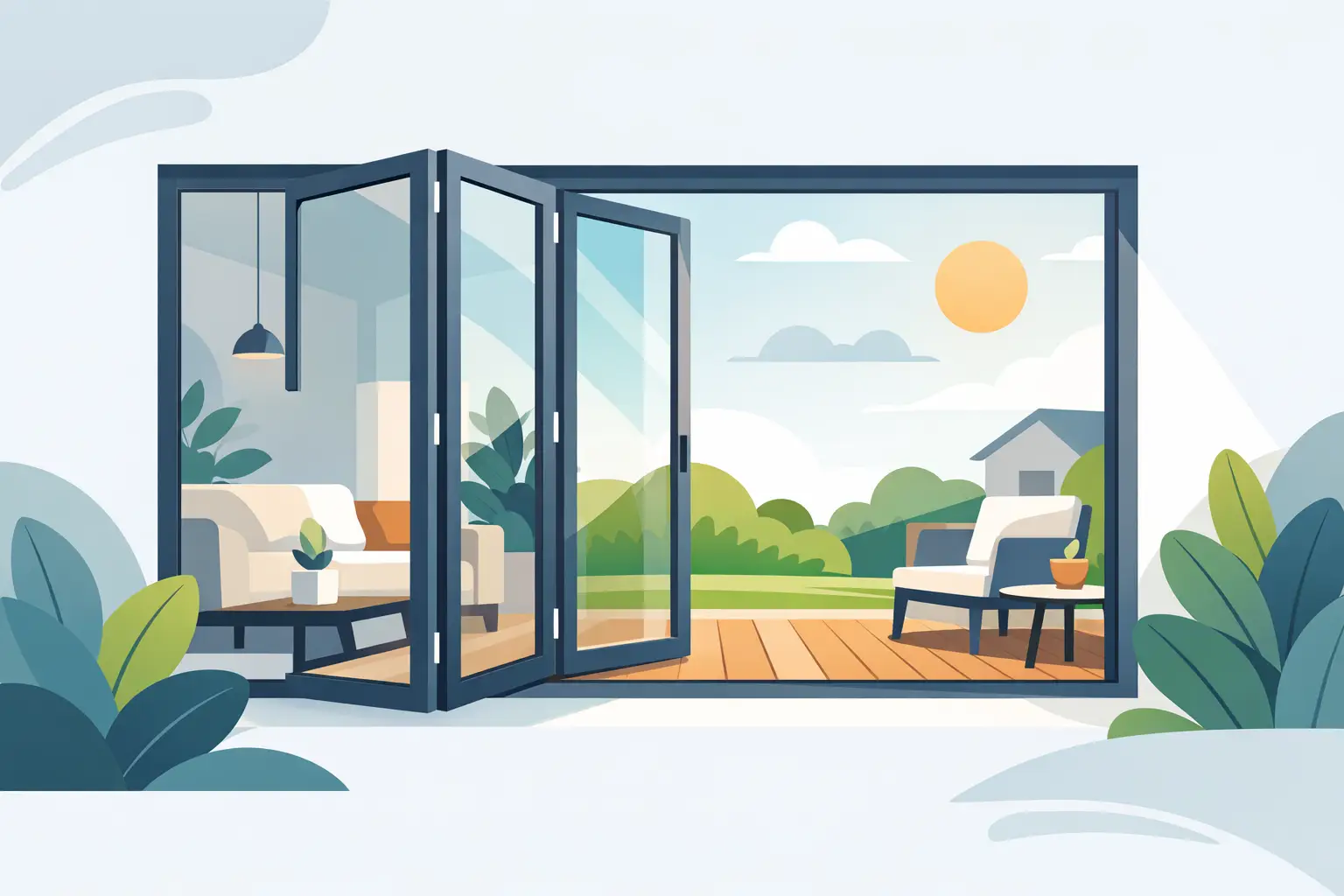
A bi-fold system is built from a series of hinged panels that run on a track. When opened, the panels concertina together and stack neatly at the side of the opening. Unlike a sliding door, which always leaves part of the opening covered by a fixed panel, bi-fold doors can open almost the full width of the frame.
This makes them particularly effective for patios, decks, courtyards, alfresco areas, and poolside living spaces. They are also useful inside the home, where they can divide a dining room from a living area, close off a study, or create flexible access to a sunroom. In commercial settings, they can provide adaptable separation between meeting, hospitality, or reception spaces.
The trade-off is that folded panels need somewhere to stack. A sliding door may be the better choice when wall space, furniture placement, or a narrow external path makes a stacking zone impractical. Bi-fold doors also have more moving components, so product quality and precise fitting matter greatly.
Guide to Bi Fold Doors: Start With the Opening
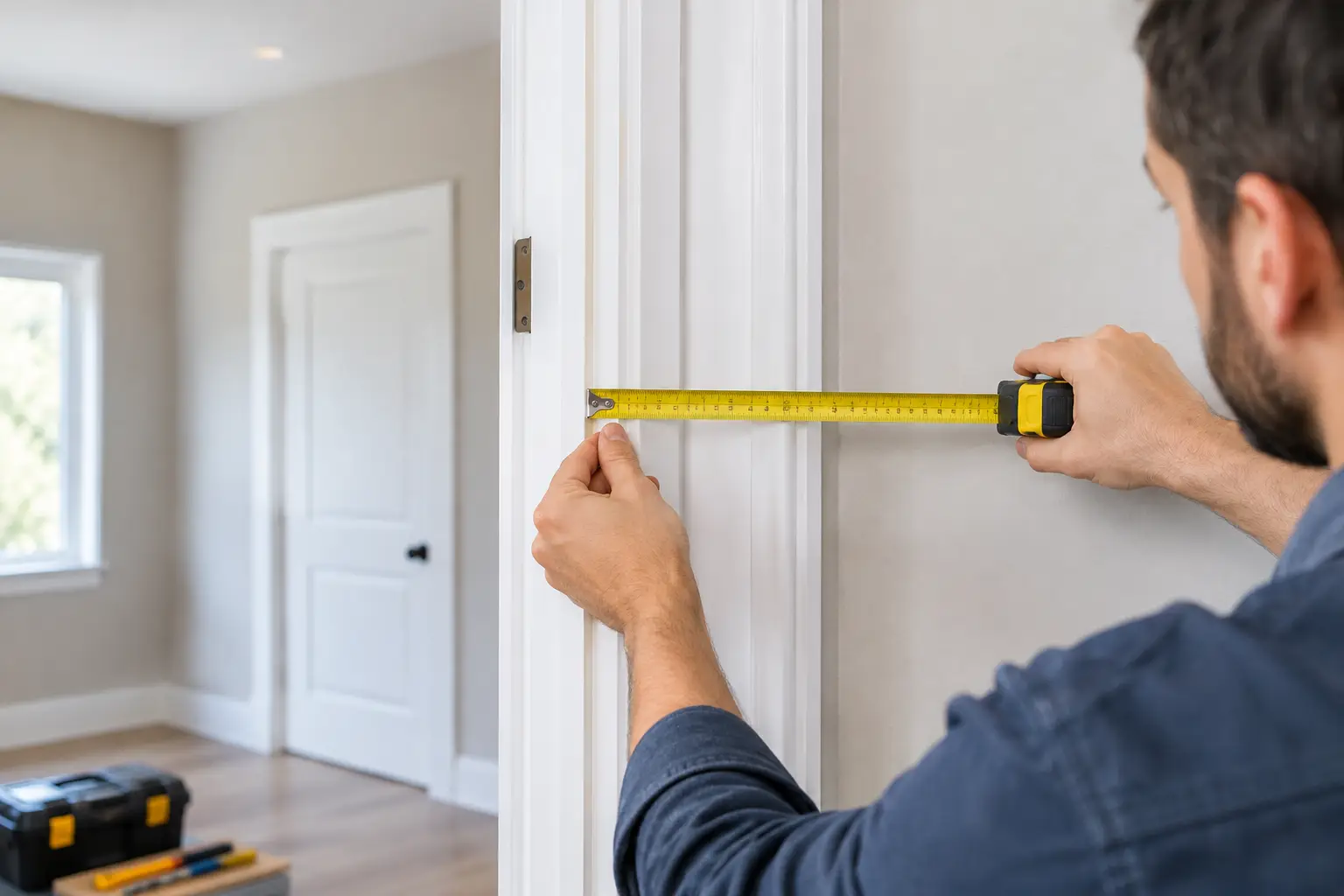
The opening should lead the decision, not the catalog photo. Measure the width and height accurately, then consider how the doors will be used every day. A wide opening may need four, five, or six panels, while a smaller internal opening may work beautifully with two or three.
Consider which side the panels should stack on. For an exterior installation, the preferred stacking side often depends on pathways, outdoor furniture, views, and traffic flow from the kitchen or living area. For example, stacking panels away from a frequently used barbecue area can keep the opening clearer when entertaining.
You will also need to decide whether the doors should open inward or outward. Outward-opening doors generally preserve interior floor space and can suit a covered outdoor area. Inward-opening doors may be preferable where weather exposure, site levels, or exterior obstructions need closer attention. There is no universal answer – the threshold, drainage, room layout, and surrounding space all need to work together.
Think About Everyday Access
If the doors will be opened fully most weekends but used as a regular passageway every day, ask about a traffic door. This is a designated panel that operates like a standard hinged door, allowing quick access without folding back the entire system. It is a practical feature for homes with children, pets, or frequent movement between the kitchen and outdoor areas.
A traffic door needs thoughtful positioning. It should open toward a clear area, avoid blocking cabinetry or furnishings, and be simple to secure. Small decisions such as this are what make a premium door installation feel considered long after the project is complete.
Selecting a Frame Material
Frame material affects the door’s appearance, maintenance requirements, stability, and long-term performance. The best choice depends on your design direction, exposure to weather, budget, and the size of the system.
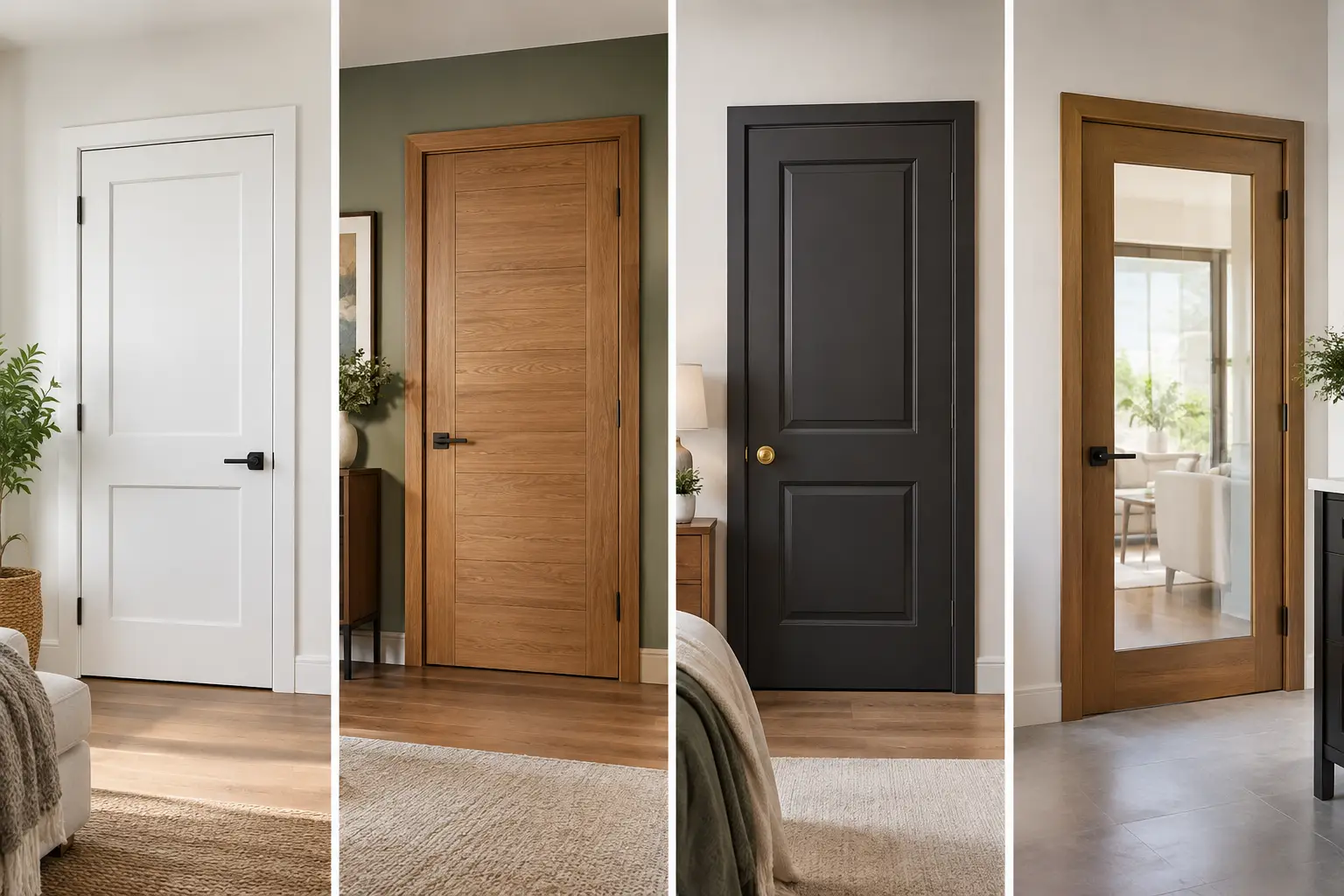
Timber bi-fold doors bring warmth, depth, and a level of character that suits traditional homes, heritage renovations, and contemporary interiors seeking a natural finish. Quality timber requires proper sealing, finishing, and ongoing maintenance, particularly on elevations exposed to strong sun or driving rain. That care is part of protecting the door’s beauty and durability.
Aluminum is a popular choice for large glazed openings because it is strong, low-maintenance, and available in a broad range of powder-coated colors. Slimmer aluminum profiles can support a more contemporary architectural look, while thermally improved options may be worth considering for homes where heat gain and comfort are priorities.
Some projects benefit from composite or mixed-material systems. These can balance the visual appeal of timber internally with a more weather-resistant exterior finish. The right material is not simply the one that looks best in the showroom. It should suit the building, local conditions, and the level of maintenance you are prepared to undertake.
Glazing, Light, and Privacy
Glass is central to the appeal of bi-fold doors, but it should be selected for performance as well as appearance. Large areas of glazing can introduce daylight and create a strong connection to the outdoors. They can also increase solar heat, glare, and privacy concerns when the opening faces the afternoon sun or a neighboring property.
Clear glass is ideal when the view is the main feature. Tinted, low-emissivity, laminated, or obscured glass may be better suited to exposed, private, or safety-sensitive areas. Energy performance will depend on the full door system, not only the glass itself, so frame design, seals, and installation quality all play a role.
For exterior doors, safety glazing should be specified where required. This is particularly relevant near floors, pools, walkways, and high-traffic areas. A professional supplier and installer can help match glass selection to the door location and applicable building requirements.
Hardware Is Where Quality Becomes Visible
Bi-fold doors should feel controlled and secure, not heavy, loose, or difficult to align. High-quality rollers, hinges, guides, handles, locks, and weather seals are essential because they carry the weight and repeated movement of the system.
Look for hardware that suits the door’s size and expected use. Larger glazed panels place greater demands on rollers and tracks. Exterior systems need dependable locking points and seals that help resist dust, wind, and water. Coastal or highly exposed locations may call for finishes with stronger corrosion resistance.
The threshold deserves just as much attention. A low-profile sill can improve accessibility and create a cleaner transition to outdoor paving, but it must be properly detailed for water management. Where there is little cover from rain, drainage and sill design should never be treated as an afterthought.
Installation Is Not the Place to Compromise
A bi-fold door is only as good as the opening it is fitted into. Even premium panels can bind, leak, or sit out of alignment if the frame is not square, the structure is not adequately prepared, or the hardware is poorly adjusted.
Professional installation begins with checking the opening, surrounding structure, finished floor levels, and weather exposure. The installer must set the frame plumb and level, secure it correctly, fit and adjust each panel, test the locking system, and ensure the seals engage as intended. For external doors, the interface between the sill, flashing, cladding, and paving needs particular care.
This is especially important in renovation work, where existing walls and floors are not always perfectly straight. A skilled installation team identifies potential issues before the doors arrive, rather than trying to force a precise product into an unsuitable opening on installation day.
Meriton Doors helps clients across Penrith and greater Sydney coordinate product selection and professional fitting, with attention to the details that support a clean, durable result.
Care That Keeps Doors Operating Smoothly
Bi-fold doors are straightforward to maintain, but they should not be ignored. Keep tracks clear of dirt, leaves, pet hair, and debris. Wipe frames and glass with suitable non-abrasive products, and inspect seals periodically for wear or damage.
Do not apply random lubricants to tracks or hardware. Some products attract grit and can make operation worse over time. Use the manufacturer’s recommended maintenance method, and arrange an adjustment if panels begin to drag, latch poorly, or become difficult to lock. Addressing a minor alignment issue early is usually simpler than waiting for it to affect hardware or seals.
Timber doors should also be checked for changes in the finish, particularly along edges and lower sections exposed to moisture. Recoating at the right interval protects the material and helps preserve a consistent appearance.
Make the Door Part of the Whole Design
The most successful bi-fold doors do not look added on. Their proportions, frame color, hardware finish, glazing, and sill level relate naturally to the flooring, windows, exterior cladding, and surrounding joinery. A black aluminum frame can create a crisp contemporary line, while painted or stained timber may bring continuity to an established home.
Before committing, stand in the room and picture the doors both open and closed. Think about the view, furniture layout, daily access, shade, drainage, and how the threshold will feel underfoot. A carefully specified bi-fold system should do more than create a dramatic opening – it should make the home easier and more enjoyable to live in every day.