The front door does more work than most homeowners give it credit for. It shapes first impressions, protects the home, handles daily wear, and sets the tone for everything beyond the entry. A well-chosen guide to modern entrance doors should not just focus on looks – it should help you balance design, durability, security, and installation quality so the result feels right for the property and performs well for years.
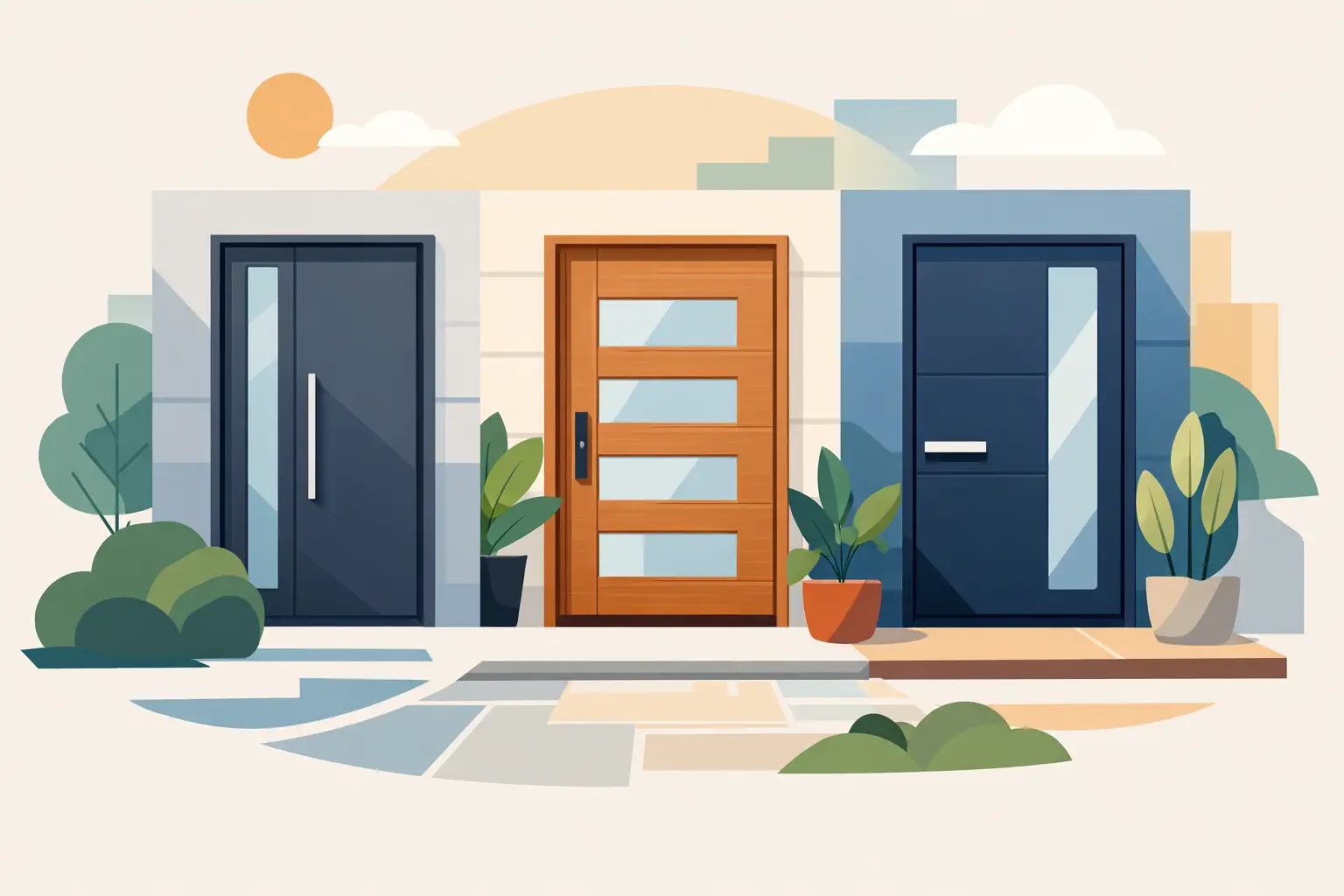
Modern entrance doors are popular because they bring clean lines, stronger visual impact, and a more tailored finish to the facade. But modern does not mean one fixed style. For one home, it might mean a bold timber pivot-style look with narrow vertical glazing. For another, it could be a refined painted door with simple profiles, matte black hardware, and a solid architectural presence. The best result depends on the house, the exposure to weather, and how much maintenance you are willing to take on.
What defines a modern entrance door
A modern entrance door usually comes down to restraint and proportion. Instead of ornate carving or heavy decorative molding, the focus is on shape, finish, material quality, and thoughtful detailing. You often see wider stiles, streamlined panels, flush surfaces, or carefully placed glass inserts that bring in light without making the entry feel exposed.
That simplicity is exactly why quality matters. On a traditional decorative door, detail can distract from small flaws. On a modern design, every line is visible. Gaps, uneven reveals, poorly chosen hardware, or a finish that does not suit the facade stand out quickly. That is why selection and installation carry equal weight.
A practical guide to modern entrance doors by material
Material choice affects appearance, longevity, maintenance, and price more than many buyers expect. If you are comparing options, it helps to think beyond showroom appeal.
Timber remains one of the strongest choices for a premium modern entrance. It brings warmth, depth, and a sense of craftsmanship that is hard to replicate. In contemporary homes, timber works especially well when the grain is allowed to speak for itself, whether in a rich stained finish or a subtle, lighter tone. The trade-off is maintenance. Timber needs proper sealing and ongoing care, especially in harsh sun, driving rain, or coastal conditions.
Fiberglass is often chosen for buyers who want a clean modern look with lower maintenance demands. It is stable, resistant to warping, and available in finishes that mimic painted or timber styles. For busy households or investment properties, it can be a practical option, though it may not deliver the same natural character as real wood.
Steel doors are worth considering when security and durability are high priorities. In the right design, they can look sharp and architectural. They tend to suit more minimalist facades or light commercial settings. The finish quality matters here, as does the surrounding frame detail. A steel door can look exceptional, but only when the full entry system is resolved properly.
Aluminum-framed entrance doors also fit comfortably into modern architecture, particularly where glass is a feature. They offer a sleek profile and strong weather resistance. However, they need to be selected carefully so the entry does not feel too commercial for a residential facade.
Choosing a style that suits the home
A modern door should complement the house, not fight it. That sounds obvious, but it is where many selections go wrong. Buyers often fall for a door in isolation without checking whether its scale, color, glazing, and profile actually suit the exterior.
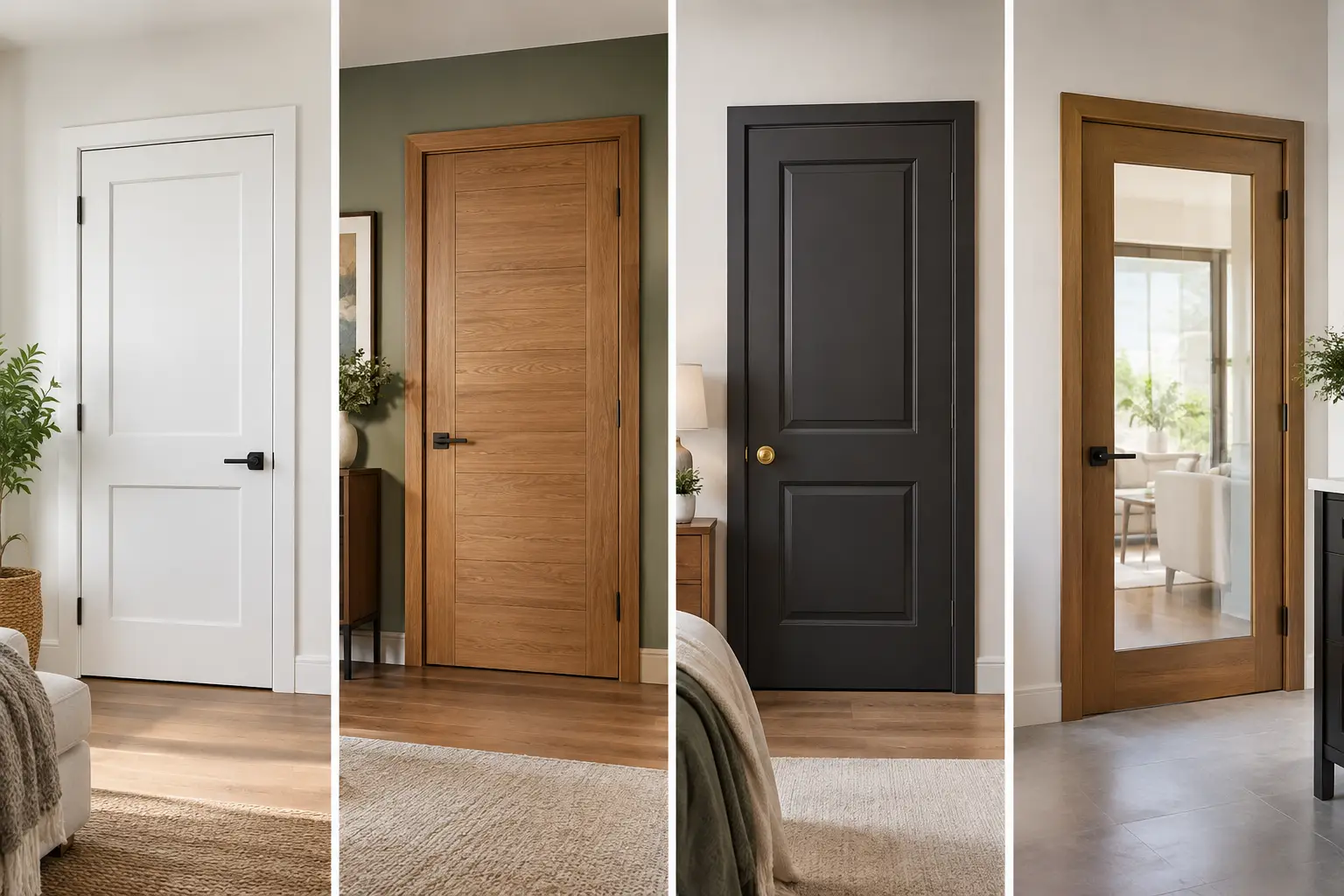
For a new build with strong contemporary lines, a bold oversized entry can work beautifully. For a renovated brick home, a simpler modern profile may be the better fit – something that freshens the facade without making the front elevation feel disjointed. Black, white, charcoal, natural timber, and muted custom tones all have their place, but the right choice depends on the wall finish, roof color, landscaping, and amount of natural light at the entrance.
Glass can elevate a modern entrance, but placement matters. Narrow vertical glass inserts can add height and a refined architectural feel. Frosted or reeded glass improves privacy while still bringing in daylight. Full clear glazing may look impressive in a magazine-style setting, but in real homes it can create privacy issues unless the site is set back or screened well.
Security should never be an afterthought
A stylish front door still needs to perform as a barrier. Security in modern entrance doors is not just about the door leaf itself. It is about the full system – the frame, locks, hinges, strike points, glazing specification, and installation accuracy.
Solid construction matters, but so does hardware selection. A premium lockset on a poorly fitted frame will not perform as intended. Reinforced fixing points, quality deadbolts, multipoint locking where suitable, and correctly specified glass all contribute to a more secure result.
This is one area where shortcuts usually become expensive. If the door is not hung properly, if there is movement in the jamb, or if hardware alignment is off, security and daily usability both suffer. A front door should close cleanly, latch smoothly, and feel solid every time it is used.
Energy efficiency, comfort, and weather performance
Entrance doors influence more than curb appeal. They also affect indoor comfort, especially in homes that deal with strong sun, wind, or temperature swings. A well-built door with proper seals can reduce drafts, improve thermal performance, and help the entry feel more controlled year-round.
This becomes even more important when glass is part of the design. The right glazing can preserve light without sacrificing comfort. The wrong glazing can create heat gain, glare, or a colder entry zone in winter. Exposure is a major factor here. A sheltered porch gives you more flexibility. A door facing direct weather needs a tougher, better-protected specification.
Threshold detail matters as well. Water management, sill design, and seal quality are easy to overlook during selection, but they have a direct impact on how the door performs after installation.
Why installation matters as much as the door itself
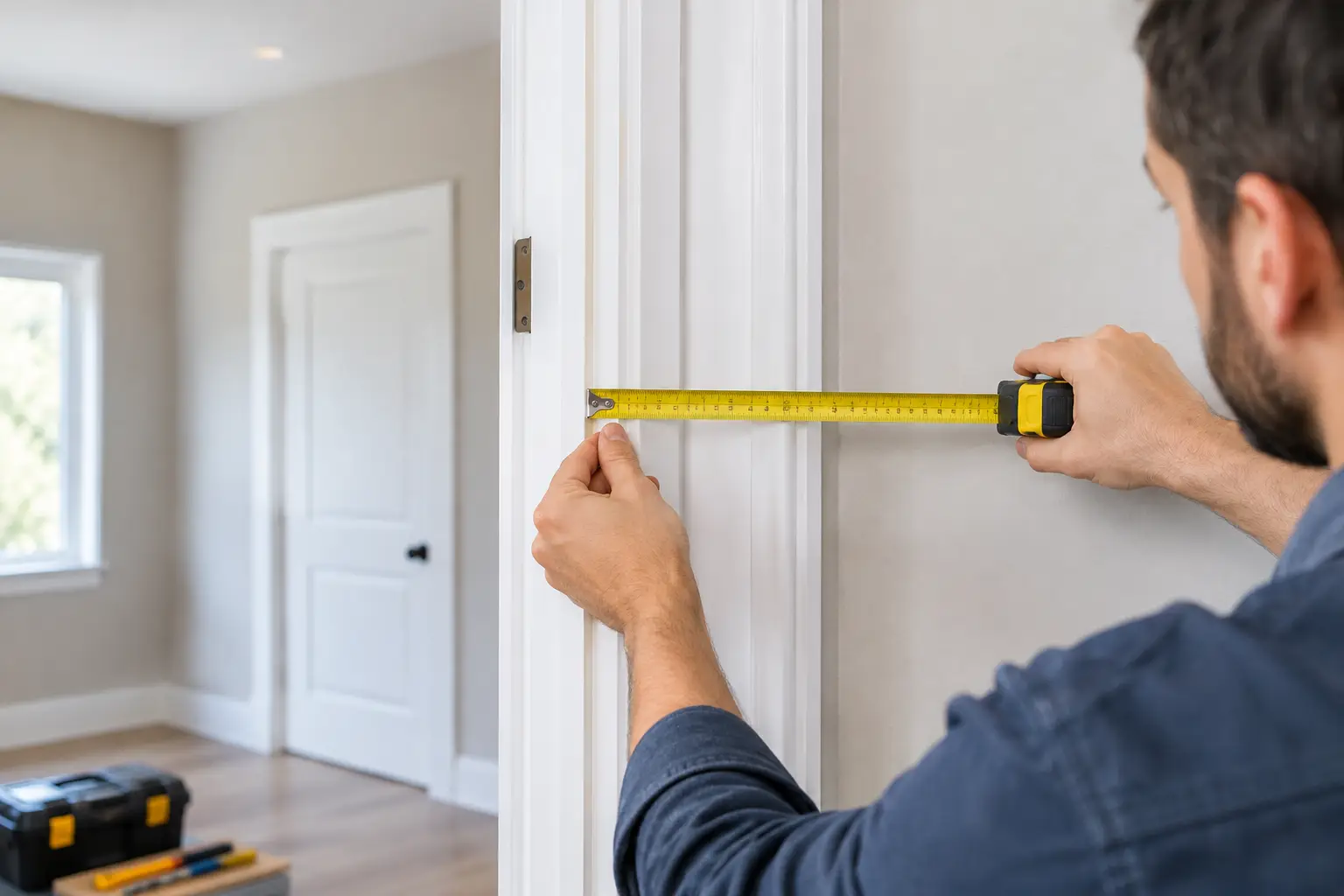
Even an exceptional product can disappoint if it is installed poorly. Modern entrance doors tend to have less visual forgiveness than traditional styles, which means precision is essential. Alignment, spacing, swing clearance, frame preparation, and finish detailing all affect the final look.
This is particularly true in renovation projects. Existing openings are not always square, and older homes often come with surprises once the old frame is removed. An experienced installer knows how to assess the opening, make the right adjustments, and ensure the finished door looks intentional rather than forced into place.
At Meriton Doors, that attention to detail is central to the result. For homeowners, builders, and property managers, the value is not just in choosing a premium door. It is in having the door supplied and fitted with the level of care that protects both performance and appearance.
A guide to modern entrance doors for real-world decision making
If you are narrowing down options, start with the practical questions before the aesthetic ones. How exposed is the front entry to weather? How much natural light do you want? Is privacy a concern? Do you want a natural material that will need maintenance, or a lower-upkeep finish? Are you matching an existing architectural style or trying to create a stronger statement at the front of the house?
Then look at scale. A modern entrance door often benefits from generous proportions, but bigger is not always better. The door should suit the facade and the hallway behind it. Side panels can create presence and bring in extra light, though they also change the privacy and security considerations.
Hardware is the final piece that often ties the design together. Long pull handles, understated lever sets, and clean escutcheons can all work well, but they should suit the size and finish of the door. Good hardware should feel substantial in the hand and consistent with the overall quality of the entry.
The right entrance door does not need to shout to make an impact. It needs to feel considered, durable, and right for the home. When style, material, security, and installation are resolved together, a modern front door becomes more than a design feature – it becomes one of the most dependable upgrades you can make to the property.
If you are weighing options, take your time with the details. The best modern entrance doors are the ones that still look sharp, close properly, and earn their place every single day.