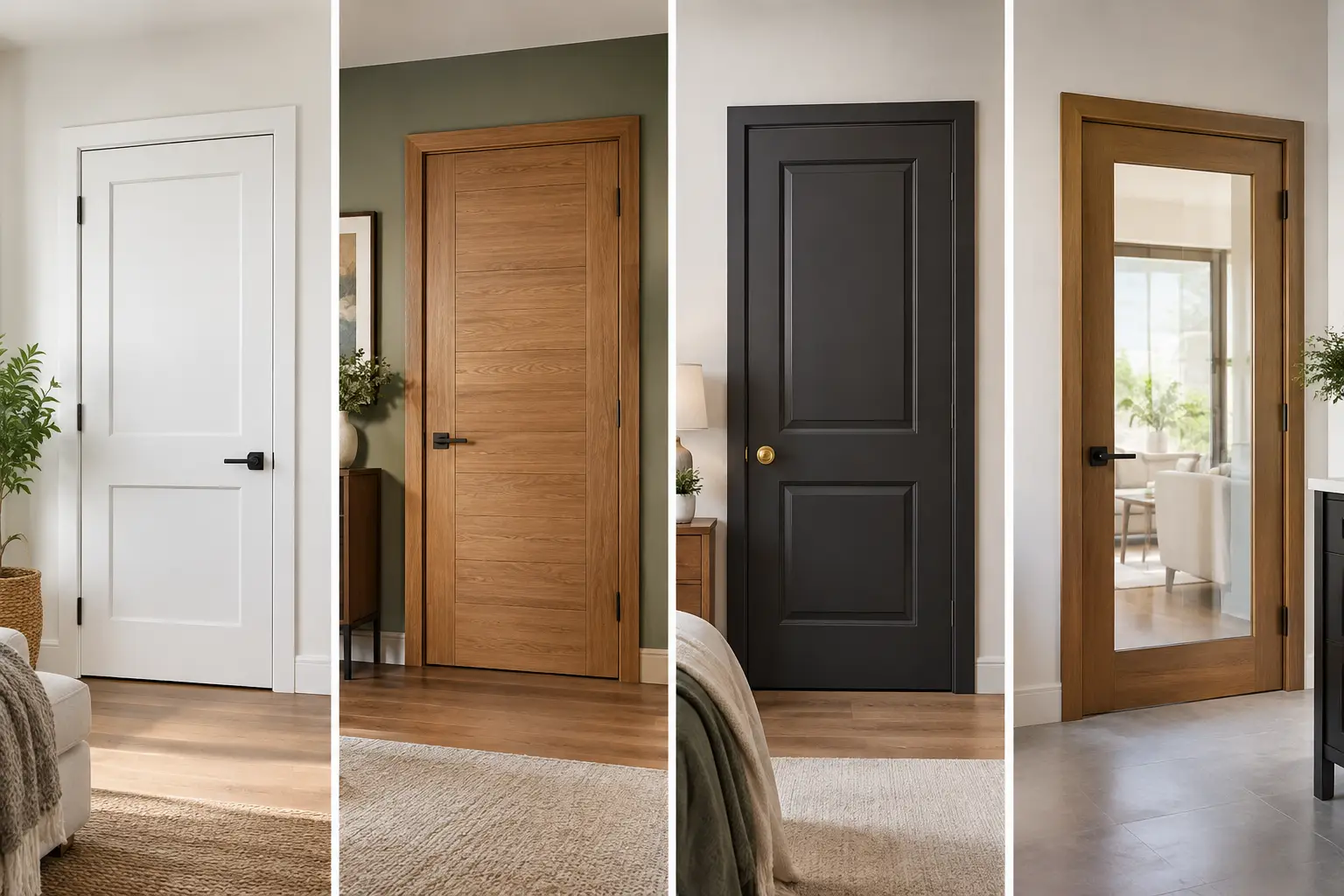
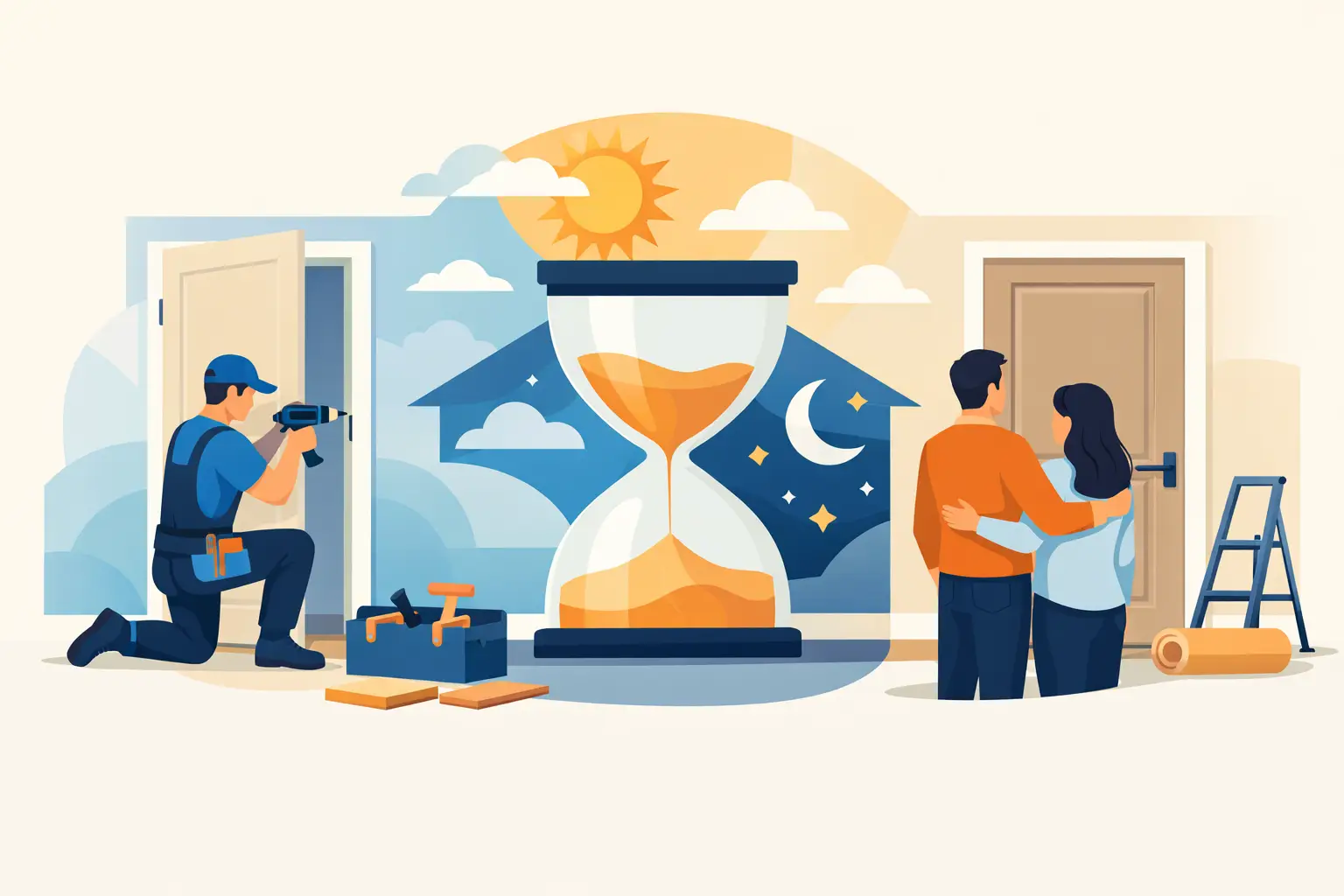
A new door can transform a room or make an immediate statement at the front of a home, but most homeowners want to know what the work will mean for their day. So, how long does door installation take? For a straightforward replacement, professional installation often takes a few hours. More detailed projects involving custom doors, new framing, sidelights, or several openings can take a full day or longer.
The right timeline depends on more than the door itself. The condition of the opening, the type of frame, hardware selection, finishing requirements, and whether the door is already on site all affect the schedule. A professional installer starts with accurate measurements and a clear plan, so the finished door operates smoothly, sits squarely, and looks considered from every angle.
How Long Does Door Installation Take by Door Type?
An internal hinged door in an existing, well-prepared opening is usually one of the quickest installations. If the jamb is sound and the replacement door has been correctly sized and prepared, allowing two to four hours per door is a sensible guide. This includes removing the old door, fitting hinges, checking clearances, installing hardware, and making final adjustments.
A prehung interior door, supplied with its frame, may take three to five hours. While the door and jamb arrive as a set, the installer still needs to ensure the frame is perfectly plumb, level, and square before fixing it in place. Small adjustments at this stage are what prevent sticking, uneven gaps, or a latch that does not align cleanly.
Entry door installation commonly takes four to eight hours for a standard replacement. Exterior doors require careful weather sealing, secure fixing, threshold adjustment, and lock alignment. If the door includes a deadbolt, smart lock, or multipoint locking system, the additional setup must be completed with precision. Security and weather performance should never be rushed simply to shorten the appointment.
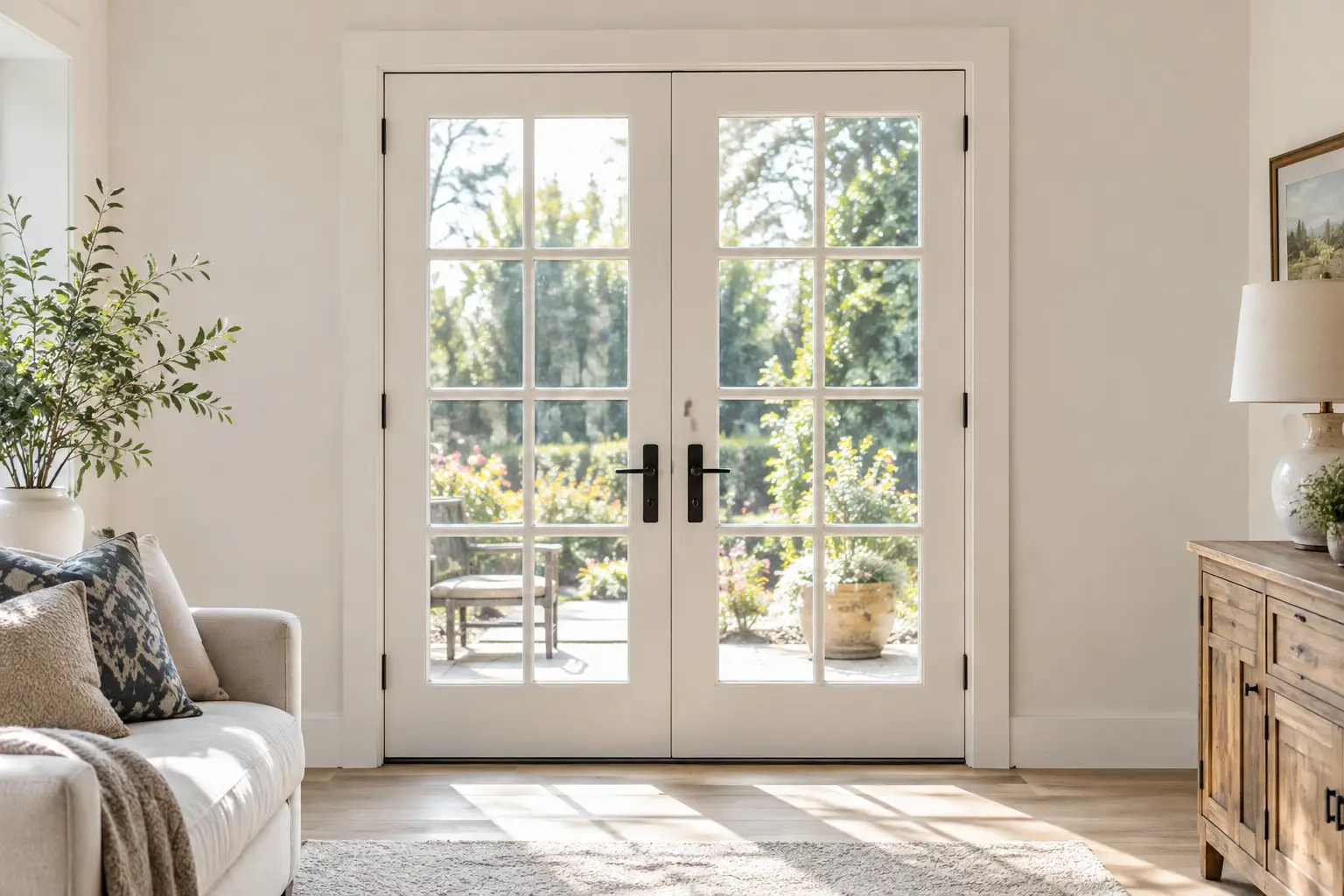
French doors and larger double-door configurations generally require most of a day. Both leaves must align correctly at the meeting point, with consistent reveals and dependable locking. If sidelights are included, the installation can extend into a full day or, for complex replacements, two days.
Barn doors can often be fitted within half a day, but the wall structure matters. The track must be fixed into adequate blocking or studs, installed level, and positioned to provide proper clearance. Bi-fold doors vary widely. A simple closet system may take several hours, while a larger room divider or multi-panel configuration needs more careful adjustment and can take a full day.
The Installation Appointment Is Only Part of the Timeline
It helps to separate the installation day from the full project schedule. The physical fitting may take hours, but selecting the right door, confirming measurements, ordering materials, and organizing finishing work can take days or weeks.
Stock internal doors and standard hardware can often be scheduled relatively quickly once the site is measured. Custom entry doors, specialty timber profiles, decorative glass, non-standard sizes, and matching architraves may have longer production or supplier lead times. This is particularly true when the goal is a tailored result rather than an off-the-shelf replacement.
Painting and staining can also add time, although they are not always completed by the door installer. A primed door may be ready for a painter after fitting, while site finishing solid timber requires appropriate drying conditions and time between coats. The door can be installed and operational before every finishing detail is complete.
What Can Make Door Installation Take Longer?
The biggest variable is the opening behind the old door. A door may look like a simple replacement from the front, yet reveal damaged jambs, out-of-square framing, uneven flooring, or hidden moisture issues once it is removed. Resolving these issues properly protects the investment and gives the new door the stable base it needs.
Frame Repairs and Opening Adjustments
If an existing jamb is warped, loose, termite-damaged, or affected by water, it may need repair or replacement before a new door can be fitted. Widening or reducing an opening, relocating a header, or changing a single door to French doors is a more involved carpentry project. Depending on the scope, this can add a day or more and may require other trades.
Old Homes and Uneven Surfaces
Older homes often have walls and floors that have moved slightly over time. An experienced installer can work with those conditions, scribing trims and adjusting the fit for a polished appearance. That attention to detail takes longer than installing into a perfectly square new-build opening, but it is the difference between a door that merely fits and one that feels properly finished.
Hardware and Access Control
A simple passage handle is quick to install. Entry hardware with a deadbolt, electronic keypad, smart lock, security screen interface, or multipoint lock requires more checking and calibration. The installer must confirm that the latch engages consistently, the key turns freely, and the door seals without excessive pressure.
Exterior Conditions
Rain, strong wind, and extreme temperatures can affect exterior installation, especially where weatherproofing, sealants, painting, or glazing are involved. Professional teams plan around conditions where possible, but protecting the opening and ensuring a durable seal is more important than forcing work through unsuitable weather.
Multiple Doors and Finishing Details
Installing several doors in one visit can be efficient because setup, measuring, and material handling are shared across the project. Still, each door needs individual adjustment. New skirting, architraves, jambs, and trim work add meaningful time, particularly when a homeowner wants consistent lines and refined joins throughout a renovation.
What Happens During a Professional Door Installation?
A quality installation follows a deliberate sequence. First, the existing door and any old hardware are removed with care. The opening is assessed, measured again, and prepared so the new frame or door has a stable, clean surface to work from.
The installer then positions the jamb or door, checking it for plumb, level, and square before permanent fixing. This stage is essential. A frame that is only slightly out of alignment can cause a door to swing open on its own, scrape the floor, bind at the latch, or leave inconsistent gaps.
Once the door is hung, hinges, handles, locks, thresholds, seals, and stops are fitted. The installer tests the swing, latch, lock, and closing pressure repeatedly, then completes trims or architraves where included. For an exterior door, sealing details are checked to help keep out drafts and moisture.
The final stage is a careful cleanup and handover. The goal is not simply to leave a new door in place. It is to leave a door that closes quietly, locks confidently, complements the space, and is ready for daily use.
How to Keep Your Door Installation on Schedule
The best way to avoid delays is to start with an accurate site measure. Door sizes are not always as straightforward as they appear, especially in older homes or when replacing a frame. Measuring the opening, wall depth, floor level, handing, swing direction, and hardware position before ordering reduces the risk of costly changes later.
Make product decisions early, including the door style, glazing, handle, lock, finish, and trim. If you are coordinating flooring, painting, electrical work, or security systems, discuss the order of work before installation is booked. For example, flooring height can affect door clearance, while painters may need access before final hardware is fitted.
Clear access also helps the appointment run efficiently. Move furniture away from the work area, keep pets secure, and make sure installers can safely bring doors and materials through the property. For exterior work, plan for a period when the opening may be temporarily exposed during removal and fitting.
For homeowners, renovators, and builders, working with a specialist such as Meriton Doors provides one clear point of coordination from door selection through to fitting. That makes it easier to match the product, frame, hardware, and installation method to the project rather than treating each decision as a separate task.
A door installation should take the time needed to be accurate. When the measurements are right, the opening is properly prepared, and the final adjustments are not rushed, the result is a door that adds lasting style, dependable performance, and confidence every time it closes.