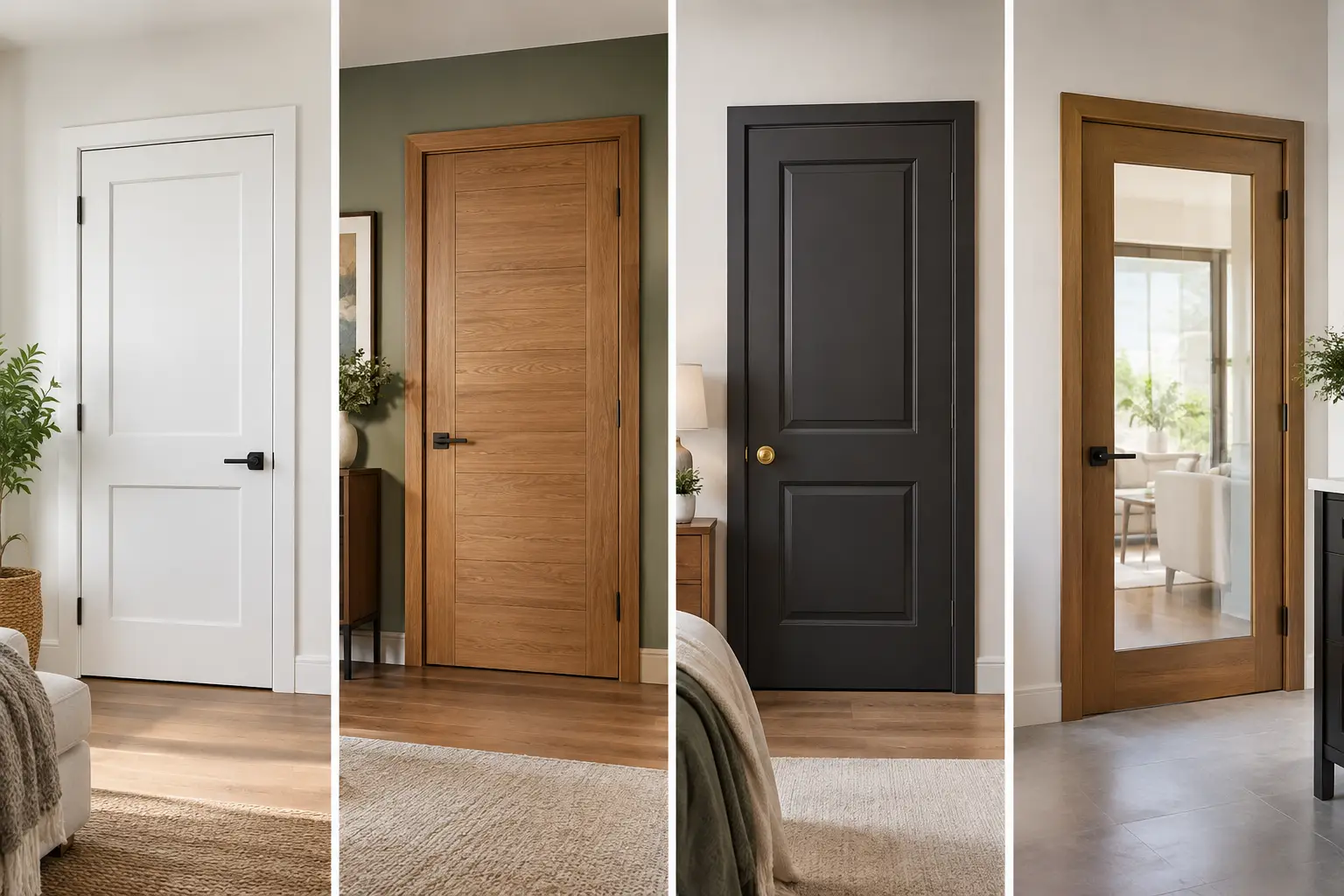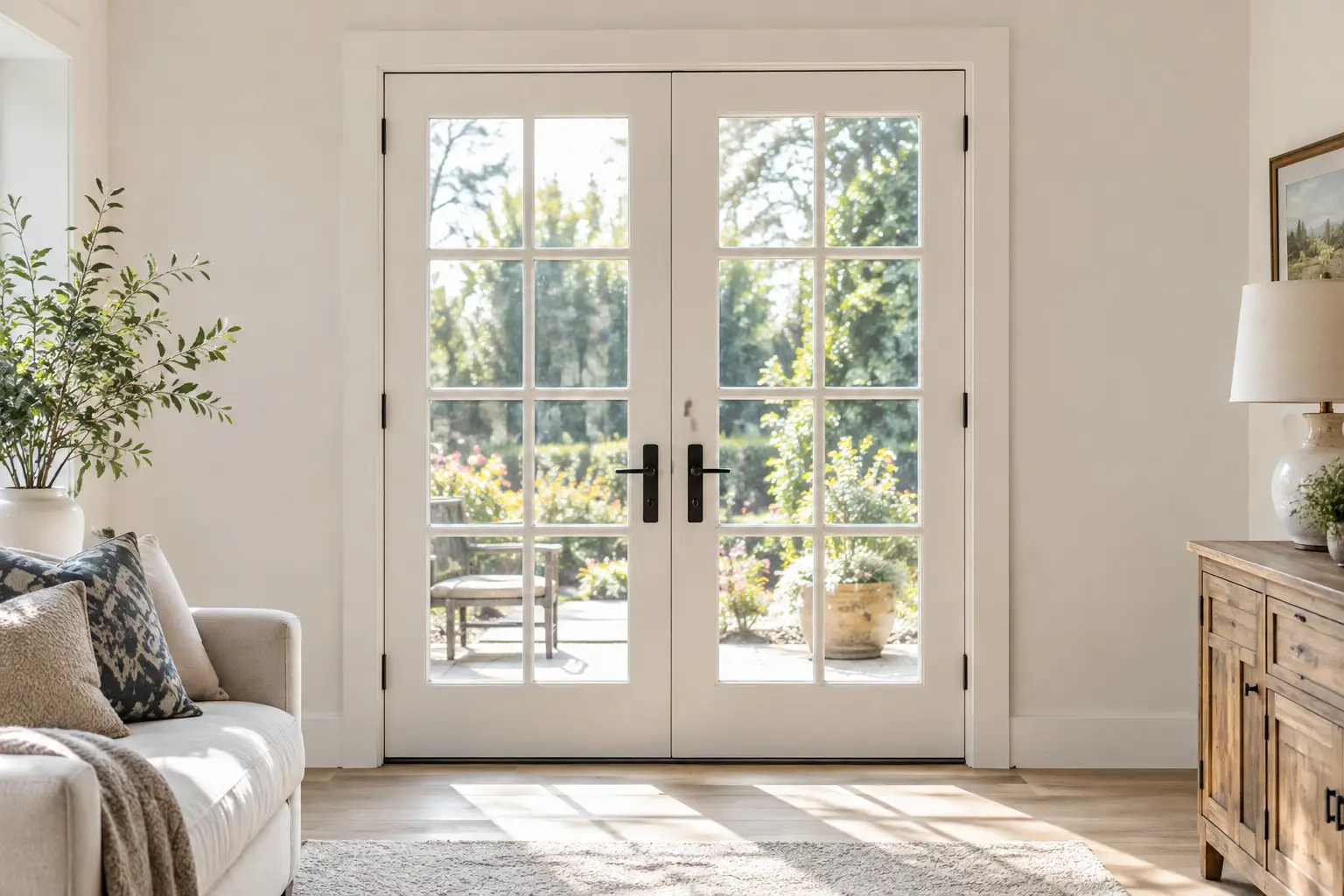
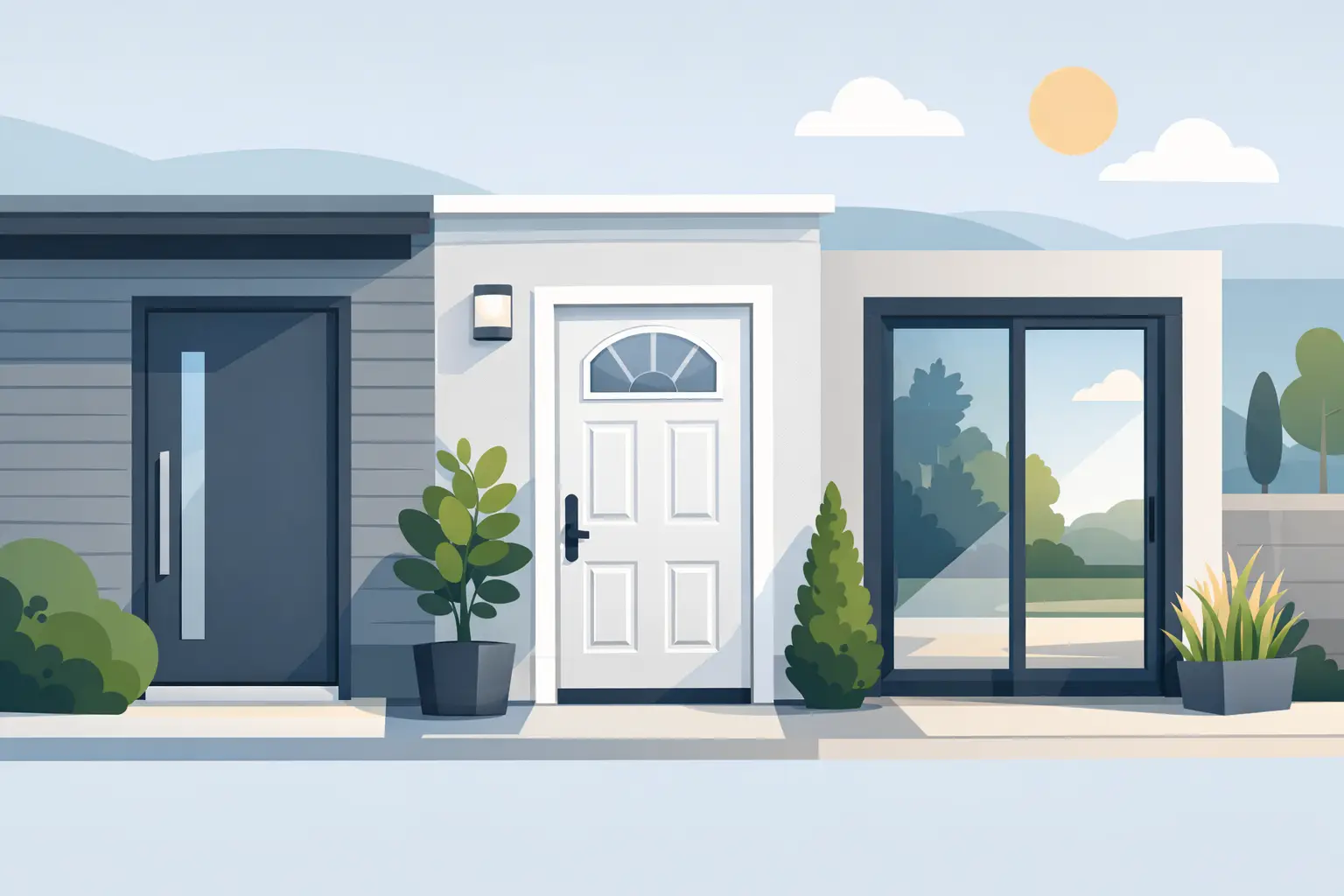
A front door is exposed to more than daily use. It faces sun, rain, humidity, temperature changes, dust, and the occasional hard knock from deliveries or moving furniture. Low maintenance exterior doors are designed to handle that work without demanding constant repainting, sanding, sealing, or adjustment.
For homeowners planning a renovation or new build, the right choice is rarely about finding a door that needs no care at all. It is about selecting a material, finish, and installation method that will keep looking refined and operating correctly with sensible, occasional attention. That balance protects your investment while preserving the curb appeal of your home.
What Makes an Exterior Door Low Maintenance?
A low-maintenance door has a stable core or structure, a weather-resistant surface, quality seals, and hardware suited to exterior conditions. Each element matters. A beautiful door panel can still become difficult to use if the frame is poorly prepared, the hinges are not aligned, or gaps allow water and heat to enter around the edges.
The best options hold their shape as conditions change. They resist moisture absorption, limit fading and surface wear, and can be cleaned without specialist products. They should also work with reliable weatherstripping and a correctly fitted threshold, which are essential for keeping out drafts, wind-driven rain, and pests.
Maintenance requirements will still depend on where the door sits. A covered entry is far more forgiving than a west-facing doorway with no awning. Strong afternoon sun, coastal air, heavy rain, and high traffic can all shorten the lifespan of finishes and hardware. The goal is to choose a door built for those conditions rather than expecting one product to suit every setting.
Best Materials for Low Maintenance Exterior Doors
Fiberglass: A Practical Choice With Design Flexibility
Fiberglass exterior doors are a strong choice for homeowners who want the warmth of a timber-look entry without the regular upkeep of natural wood. Many designs can replicate wood grain convincingly, while their construction helps them resist swelling, cracking, and warping caused by moisture or seasonal change.
A quality fiberglass door is also a sensible option where insulation matters. Its insulated core can help moderate heat transfer, particularly when the door is installed with a well-sealed frame and threshold. For a front entry that receives regular weather exposure, fiberglass offers an appealing mix of durability, design flexibility, and manageable care.
It is not entirely maintenance-free. Painted or stained finishes should be checked for fading, scratches, or wear, particularly in direct sun. However, routine cleaning and prompt touch-ups are generally enough to keep the door looking polished for years.
Steel: Strong, Secure, and Easy to Care For
Steel doors remain a popular exterior option because they offer strength, security, and a crisp, clean appearance. They are commonly selected for front entries, utility access, and light commercial properties where durability and dependable performance are priorities.
Their maintenance needs are relatively straightforward. Wash the surface periodically, inspect the paint finish, and deal with scratches before exposed metal has the chance to corrode. In areas with persistent moisture or salt exposure, this inspection matters more. A small chip that is ignored can become a larger repair later.
Steel can dent under impact, and cheaper doors may not provide the same insulation or finish quality as premium models. This is where product selection and professional fitting make a real difference. A well-built steel door with a durable factory finish can deliver a refined, secure entry with minimal ongoing effort.
Aluminum: Built for Modern Entries and Exposure
Aluminum is naturally resistant to rust, making it a practical material for exposed locations and contemporary door designs. It is often used for modern entry systems, glazed doors, sidelights, and wider openings where slim framing and clean lines are important.
Powder-coated aluminum finishes are especially easy to maintain. A soft cloth, mild soap, and water are usually all that is needed to remove dust and everyday marks. The material will not rot like timber or rust like untreated steel, although it can scratch and may show surface wear if cleaned with abrasive products.
For homes with a modern facade, aluminum can create a striking architectural result. Its thermal performance varies by construction, so ask about insulated profiles or thermal breaks if the door will be exposed to significant heat or cold.
Timber: Beautiful, but More Dependent on Location
Timber has a presence that synthetic materials cannot fully replace. Its grain, depth of color, and natural character make it an exceptional choice for homeowners creating a classic, coastal, heritage-inspired, or high-end contemporary entry.
But timber is not typically the lowest-maintenance option for an exposed exterior door. It requires a protective coating system that is maintained over time, and it performs best when sheltered by a porch, eave, or recessed entry. Sun and water are the two main concerns. Repeated UV exposure can break down the finish, while moisture can lead to movement or deterioration if the surface is not properly protected.
That does not mean timber is the wrong choice. It means the door should be selected with clear expectations. A well-crafted timber door, professionally sealed and thoughtfully positioned, can perform beautifully. It simply benefits from more regular inspection and refinishing than fiberglass, steel, or aluminum.
Finish, Glass, and Hardware Matter Just as Much
The door slab is only part of the decision. A durable finish is what protects the material underneath and keeps the entry looking complete. Factory-applied paint and powder-coated finishes are often more consistent than site-applied coatings, particularly for doors receiving direct weather exposure.
If you are choosing a dark color, consider the location carefully. Dark finishes can absorb considerable heat in full sun, which may affect the door surface and make the entry uncomfortable to touch. Some manufacturers specify suitable color ranges for particular door constructions, so it is worth confirming before committing to a statement shade.
Glass panels and sidelights can bring natural light into an entryway, but they should be selected for privacy, safety, and thermal performance. Textured, frosted, or obscure glass can provide daylight without placing the interior on display. For low-maintenance performance, look for quality glazing and seals that will remain secure through changing conditions.
Hardware deserves the same care. Handles, locks, hinges, closers, and door viewers are touched every day, and exterior hardware must cope with weather as well as use. Choose finishes designed for outdoor exposure, especially in damp or coastal locations. High-quality hardware may cost more initially, but loose handles, corroded fittings, and unreliable locks quickly undermine an otherwise excellent door.
Why Installation Determines Long-Term Performance
Even premium low maintenance exterior doors can become a source of frustration when installation is rushed. A door must be set square within the opening, with the correct clearance around the panel and reliable support beneath the threshold. The frame, hinges, seals, and lock alignment all need to work together.
Poor installation can lead to sticking, drafts, water entry, uneven gaps, and premature wear on hardware. These problems are often blamed on the door material when the real issue is the fit. Professional installation is not merely about getting the door into the opening. It is about ensuring the finished system performs as intended from the first day.
For replacement projects, the surrounding opening should also be assessed. Damaged framing, uneven floors, old thresholds, or moisture issues need attention before a new door is installed. Covering those problems with a new panel may create a neat appearance temporarily, but it does not deliver assured durability.
A Simple Care Routine That Protects Your Door
Low maintenance works best with a small, consistent routine. Clean the door and frame a few times each year using mild soap and water, then dry the surface with a soft cloth. Avoid harsh chemicals, scouring pads, and pressure washing at close range, as these can damage paint, seals, glass, and hardware finishes.
At the same time, inspect weatherstripping for flattening or tears, clear debris from the threshold, and check that the door latches smoothly. Lubricate hinges and moving lock components only with products suitable for the hardware. If you notice a scratch, loose screw, sticking latch, or damaged seal, address it early. Minor maintenance is quicker and more cost-effective than repairing water damage or replacing failed hardware.
The right exterior door should make your home feel secure, finished, and welcoming without adding another demanding task to your property upkeep. Choose a material suited to the exposure, invest in a quality finish and hardware, and make professional installation part of the decision. That is how an entry continues to look considered long after the renovation is complete.