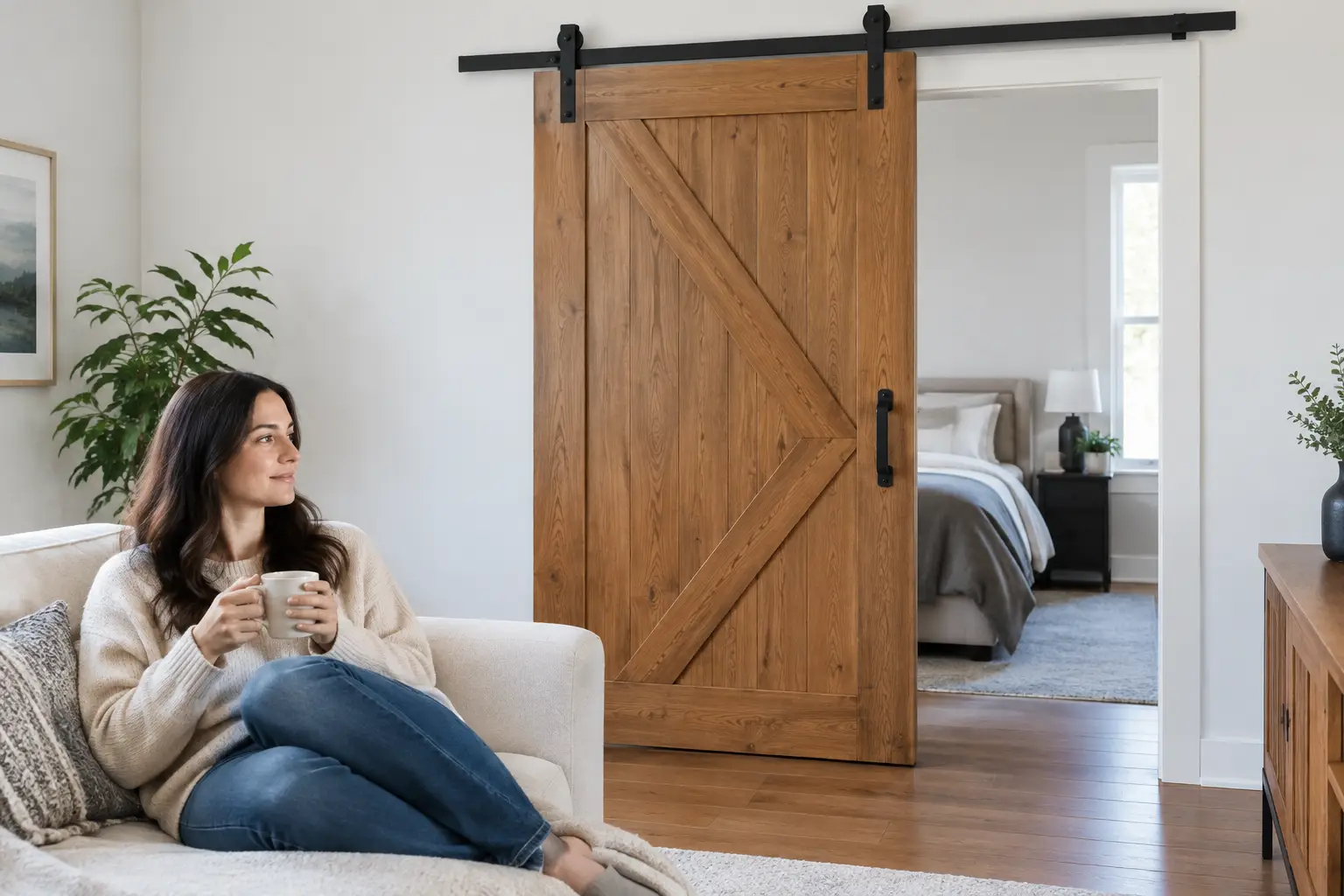
A barn door can transform a bedroom, pantry, office, or ensuite with warmth and character. But do barn doors block sound? Not especially well in their standard form. Because a barn door slides across the face of an opening rather than closing into a jamb, small gaps remain around its edges. Those gaps allow sound to travel through far more easily than most homeowners expect.
That does not mean a barn door is the wrong choice. It means the door should be selected for the room, the level of privacy required, and the result you want from the space. With the right material, sizing, hardware, and detailing, a barn door can reduce everyday noise. It simply will not perform like a properly sealed hinged door.
Why Barn Doors Do Not Block Sound Like Hinged Doors
Sound behaves much like air. If air can move through a gap, sound can move through it too. A conventional hinged door closes against door stops around the frame and can be fitted with weatherstripping, a door sweep, and a threshold. These details create pressure against the door and limit the paths sound can take.
A barn door works differently. It hangs in front of the opening on a track, leaving clearance at the top for the hardware, at the sides for smooth travel, and usually at the bottom above the floor. Even when the panel looks generously oversized, it does not create a compressed seal against the wall.
The most common sound paths are the gap above the door, the opening at the bottom, and the narrow spaces along both vertical edges. Sound can also pass through the door panel itself, particularly if it is hollow-core or lightweight. The installation matters just as much as the door: an uneven wall, a bowed opening, or a poorly positioned track can create larger gaps and weaker privacy.
What Level of Noise Reduction Can You Expect?
A standard barn door can soften direct noise and reduce visual distraction, but it should not be relied on for true acoustic separation. Conversations, television sound, phone calls, and activity from the next room may still be audible, especially in an open-plan home with hard floors and minimal soft furnishings.
For a laundry, pantry, wardrobe, or living area divider, that level of separation is often perfectly practical. The door creates a clear boundary, hides storage, and makes the room feel more finished without demanding silence.
For bedrooms, nurseries, home offices, and bathrooms, expectations should be more careful. A barn door may provide a degree of privacy, but it will not prevent a meeting, a crying child, or a late-night shower from being heard as effectively as a solid hinged door with perimeter seals. If confidentiality or quiet sleep is essential, a barn door is usually a style-first decision rather than an acoustic-first one.
How to Improve Barn Door Sound Control
If you love the look of a sliding barn door and want the best possible sound performance, start with the panel itself. A solid-core timber door is substantially better than a hollow-core option because greater mass helps resist sound transmission. Engineered solid-core doors can also offer reliable stability, which matters in Sydney’s changing temperatures and humidity.
Size is the next major consideration. The panel should overlap the opening generously on both sides and extend above the opening where the track arrangement allows. More overlap does not make the door airtight, but it reduces the direct line through edge gaps. A correctly measured door also looks more intentional and better proportioned on the wall.
A floor guide is essential for stable, quiet operation. It keeps the door from swinging away from the wall and helps maintain consistent spacing. Choose quality rollers and track hardware as well. Smooth hardware will not block sound on its own, but it prevents rattles and makes the door easier to use every day.
Brush seals can be fitted along selected edges to reduce drafts, light leakage, and some sound transfer. They are most useful where the door meets the wall and around the lower edge, provided they do not interfere with movement. Acoustic seal systems may help in some custom applications, although a sliding door cannot use every type of compression seal fitted to a hinged door.
The room itself also affects what you hear. Rugs, curtains, upholstered furniture, acoustic wall treatments, and bookcases can reduce echo and make noise feel less intrusive. These measures improve the overall experience, but they should be viewed as support for the door, not a substitute for a sealed opening.
Door Material Makes a Real Difference
Not all barn doors perform the same way. A thin decorative panel may look impressive but offer limited sound reduction. For better day-to-day privacy, choose a heavier construction with a dense core and a substantial face material.
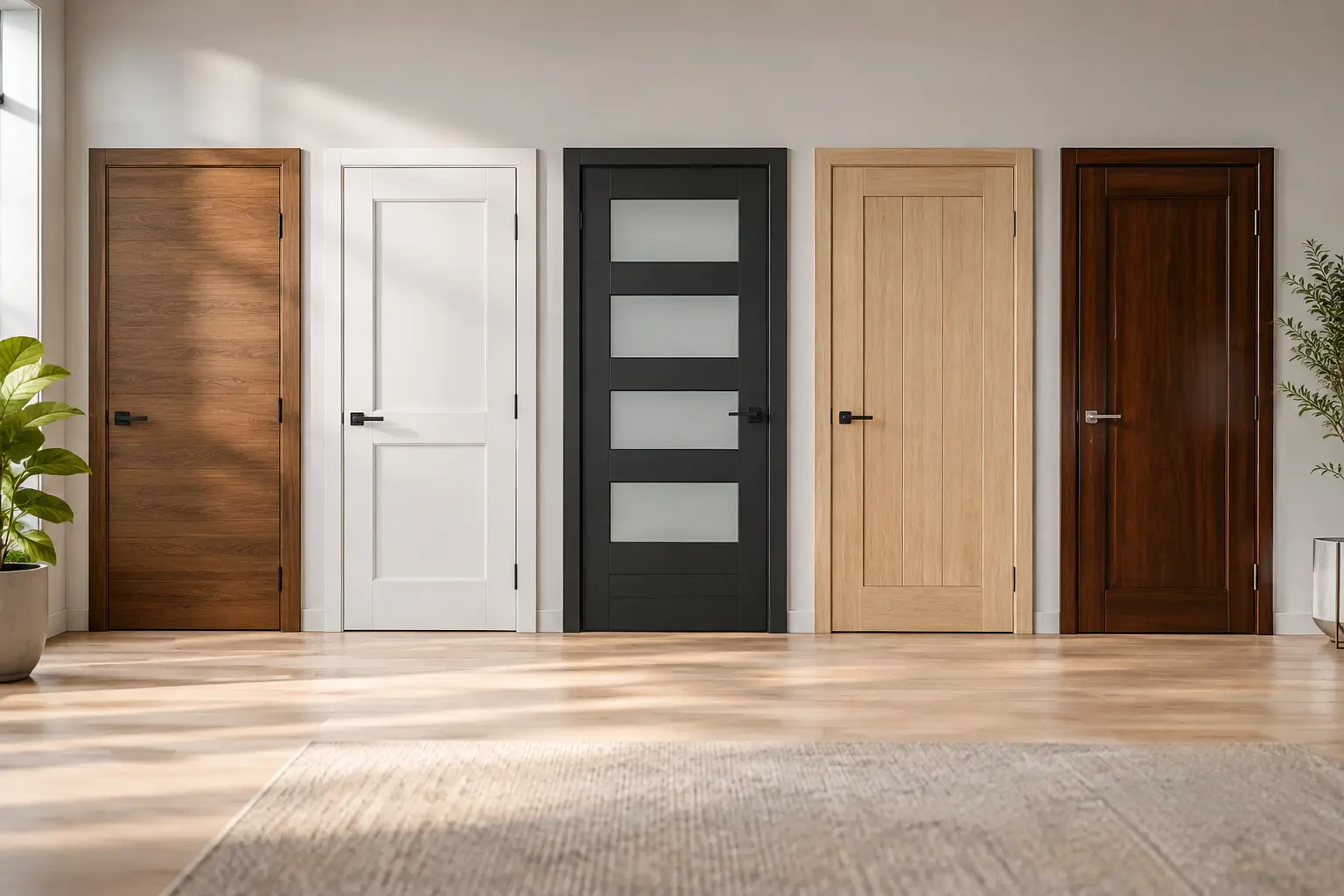
Solid timber brings natural weight, texture, and a premium finish, although it needs to be properly prepared and installed to remain stable. Solid-core molded or shaker-style doors can provide a more tailored interior look while adding useful mass. Glass-panel barn doors are excellent for borrowing light, but they are usually a weaker choice where speech privacy is a priority. Even when using thick glass, the unsealed perimeter remains the main limitation.
A double barn door can cover a wide opening attractively, but the meeting point in the center introduces another sound path. If sound control matters, make sure the panels overlap at the center rather than simply meet edge to edge. This will improve privacy modestly while maintaining the visual effect of a paired door design.
Soft-Close Hardware Is Not Soundproofing
Soft-close hardware is worth considering for a refined installation. It catches the panel at the end of its travel, reducing the chance of a door slamming into a stop and making operation feel controlled. This is particularly helpful in bedrooms and family homes.
However, soft-close hardware does not seal the door or materially improve acoustic performance. It reduces operational noise, not noise traveling between rooms. That distinction helps avoid disappointment when comparing door options.
When a Hinged Door Is the Better Choice
A hinged door is the stronger option when a room needs quiet, privacy, odor control, or temperature separation. Bedrooms, bathrooms, study spaces, consulting rooms, and light commercial offices often benefit from a solid-core hinged door fitted into a properly finished jamb.
With a hinged door, installers can use perimeter seals, a drop seal or door sweep, and a threshold where appropriate. Together, those components close the air gaps that undermine a barn door’s acoustic performance. A quality latch also pulls the door firmly into position, which is something a sliding barn door cannot replicate.
There are trade-offs. Hinged doors need swing clearance, which can be inconvenient in a compact ensuite, narrow hallway, or tight laundry. Barn doors free up that floor space and can turn an ordinary opening into a design feature. The right choice depends on whether the room’s first priority is space efficiency and style or acoustic privacy.
Choosing a Barn Door for the Right Room
Barn doors work best where a visual division matters more than complete sound separation. They are a natural fit for walk-in closets, pantries, laundry rooms, storage areas, and open living spaces. They can also be successful at a home office entrance when the household understands that calls and conversations may still carry.
For a bedroom or bathroom, a barn door can work when the home layout is quiet and the design benefit outweighs the need for strong privacy. Select a solid-core panel, allow ample overlap, and discuss edge sealing options before installation. Planning these details from the start is far more effective than trying to correct noise issues once the track and door are in place.
Professional measuring is particularly valuable with barn doors because the wall, opening, skirting, architraves, and track all need to work together. A well-fitted door will glide smoothly, sit consistently against the wall, and deliver the best privacy the system can reasonably provide.
A barn door should be chosen for what it does beautifully: saving swing space, adding character, and creating a distinctive architectural feature. When sound control is part of the brief, an experienced door specialist can help balance that design ambition with the practical performance your room needs.
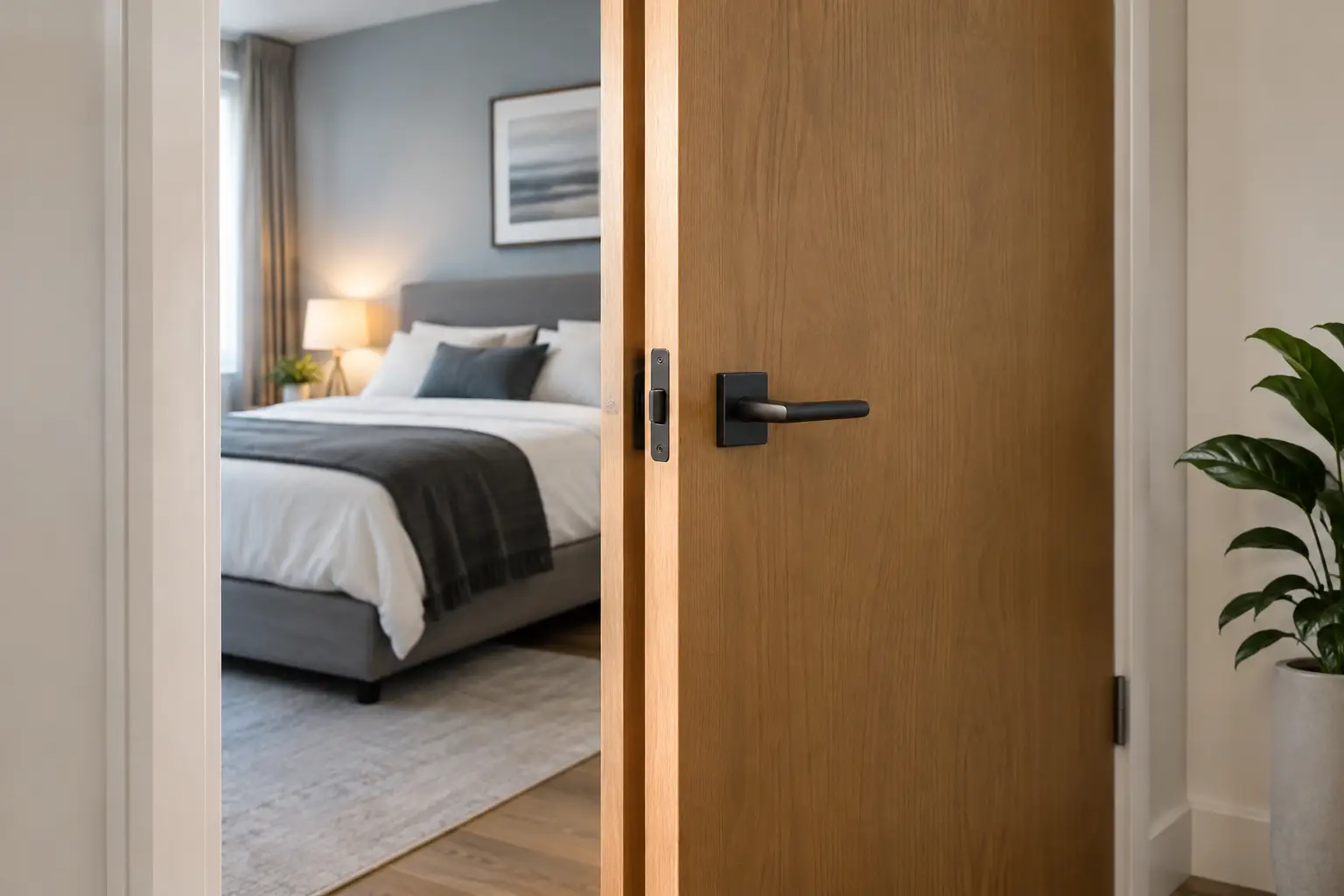
Soundproof Bedroom Doors That Actually Work
Learn how soundproof bedroom doors, solid cores, seals, and precise installation reduce household noise for a quieter, more private room at home every day.