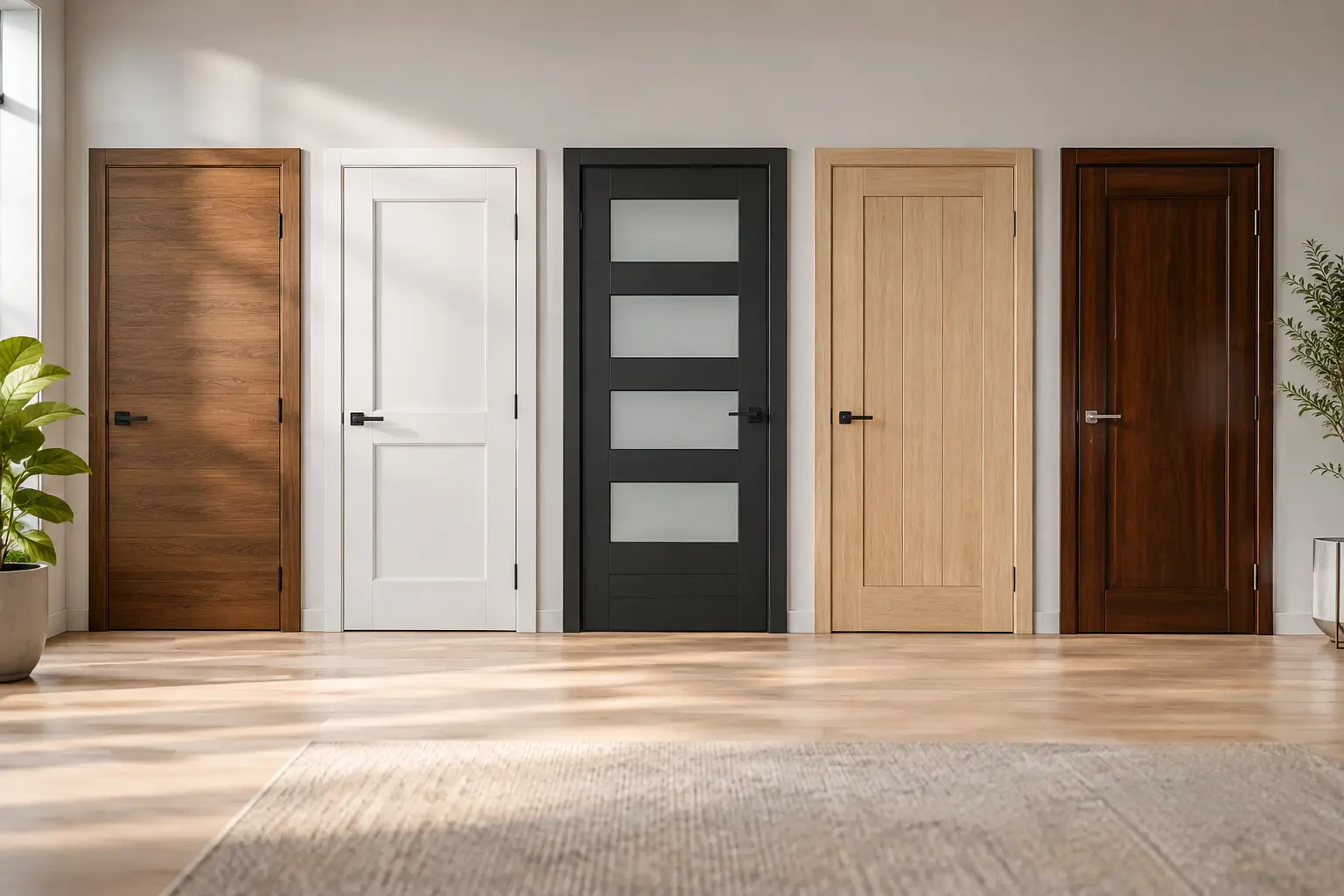
A door can be beautifully finished and still feel disappointing if it sticks, rattles, scrapes the floor, or will not latch cleanly. The problem is not always the door itself. Knowing when to replace door jambs helps you address the part of the opening that controls alignment, security, weather protection, and the quality of the finished result.
A jamb is more than timber surrounding a door. It is the fixed frame that carries the hinges, receives the latch, supports the door’s position, and provides a clean meeting point for architraves and seals. When it is sound, a door opens smoothly and closes with a reassuring fit. When it has deteriorated or moved, even a premium new door may never perform as it should.
What a Door Jamb Does
The door jamb is generally made up of the two vertical side pieces and the head piece across the top. On a hinged door, one side supports the hinges while the other holds the strike plate or latch receiver. Exterior jambs also work with weather seals, thresholds, and surrounding wall finishes to help keep out drafts and moisture.
Because the jamb is fixed to the wall opening, it must be straight, solid, and correctly sized for the door. A small amount of adjustment can often correct a minor issue. However, a jamb with rot, deep splits, persistent movement, or major misalignment can compromise the entire doorway.
When to Replace Door Jambs Instead of Repairing Them
Not every mark, dent, or sticky latch means full replacement is necessary. Cosmetic damage can often be filled, sanded, and refinished. Loose hinge screws may only need longer screws installed into solid framing. The decision changes when the damage affects the jamb’s strength, shape, or ability to hold hardware securely.
1. There Is Rot or Ongoing Moisture Damage
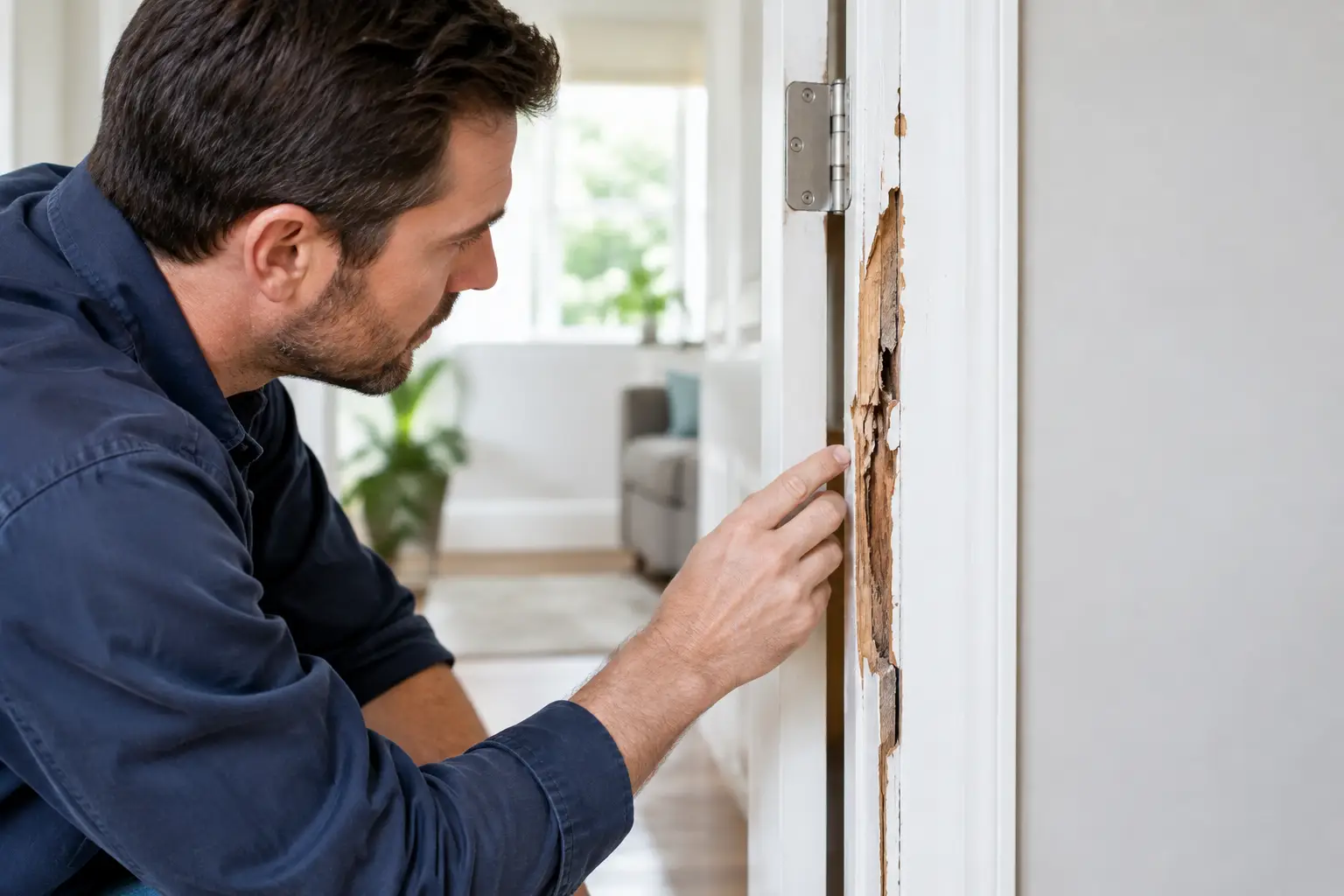
Rot is one of the clearest reasons to replace an exterior door jamb. It commonly begins near the lower corners, where rainwater, wet paving, poor drainage, failed caulking, or leaking seals allow moisture into timber. Paint may bubble or peel, the timber can look dark and fibrous, and a screwdriver may press into it more easily than it should.
A small, isolated area of early surface deterioration may be repairable once the moisture source has been resolved. But if the timber is soft, crumbling, or damaged around the hinge or lock area, replacement is usually the more durable choice. Covering rotten timber with filler and paint may improve its appearance briefly, but it does not restore its holding strength.
Before fitting a new jamb, identify why water reached the old one. Check the threshold, flashing, wall cladding, exterior sealant, roof runoff, and ground level around the opening. A quality replacement deserves a dry, properly detailed opening behind it.
2. The Jamb Is Split Around Hinges or Locks
Hinges place concentrated weight on one side of the jamb, especially on a heavy solid-core, entry, or oversized door. Over time, repeated strain can split timber around hinge screws. Forced entry, slamming, and loose screws can also damage the latch-side jamb and strike plate area.
A narrow split with otherwise sound timber can sometimes be glued, reinforced, and repaired. But when screws no longer bite firmly, the jamb has multiple cracks, or the lock-side timber has broken away, replacement provides a stronger and more secure result. This is particularly relevant for front doors, where the lock area is part of the home’s security system.
3. The Door Has Persistent Alignment Problems
A door that suddenly starts rubbing, swinging open by itself, or leaving uneven gaps may point to a jamb that has shifted out of square. Seasonal movement can cause minor changes in timber doors, but persistent misalignment may come from a twisted jamb, settlement, framing movement, or an opening that was never installed correctly.
An installer can often correct modest issues by adjusting hinges, planing a door edge, or resetting the strike plate. Those repairs make sense when the jamb remains straight and well secured. If the jamb is bowed, twisted, or significantly out of plumb, adjusting the door alone can become a cycle of temporary fixes. Replacing and correctly packing the jamb creates a stable foundation for the door to operate properly.
4. Termites or Other Pests Have Damaged the Timber
Timber damage from termites or other wood-boring pests should never be treated as a surface-level concern. Fine tunnels, hollow-sounding sections, unexplained weakness, or small holes around the jamb deserve investigation. The visible damage may represent only part of the problem.
The affected timber should be assessed and the pest issue addressed before a new jamb is installed. Replacing the jamb without treating the cause can expose the replacement to the same damage. If nearby framing has been affected, the scope of repair may extend beyond the door opening.
5. The Jamb Has Been Cut Down or Poorly Modified
Door openings are sometimes altered during renovations to accommodate new flooring, a different door height, or changed room layouts. A jamb that has been cut, packed excessively, or patched with mismatched pieces may still hold a door, but it rarely delivers the crisp lines and reliable performance expected from a finished installation.
This is often the right time to replace the jamb, particularly when upgrading internal doors throughout a home. A new jamb allows the reveal, door gaps, hinges, latch, architraves, and floor clearance to be set with precision rather than working around old compromises.
6. The Door Opening Is Drafty or Lets in Water
For exterior doors, air and water entering around the frame can mean the jamb, seals, threshold, or installation details are failing. You may notice a cool draft, daylight around the door edge, water staining on interior finishes, or swollen timber after wet weather.
New weather seals can solve some cases. However, if the jamb itself is distorted, decayed, or unable to provide an even sealing surface, replacing it is the better long-term solution. A correctly installed jamb helps the door compress evenly against the weather stripping without making the door difficult to close.
7. You Are Installing a New Door That Does Not Suit the Existing Jamb
Replacing the jamb is often wise when installing a new door with different dimensions, thickness, swing direction, hardware, or performance requirements. A heavier entrance door may need stronger hinge support. A change from a hollow-core internal door to a solid-core option may call for a better-prepared jamb. Likewise, a new French door, barn door system, or feature door can require specific clearances and fixing points.
Keeping an existing jamb can reduce upfront work when it is square, sound, and compatible with the new door. But forcing a new door into an unsuitable old frame can create uneven gaps, hardware problems, and a finish that feels less considered. In many cases, a coordinated door-and-jamb installation offers the cleanest result.
Repair or Replace? The Practical Decision
Repair is generally appropriate when damage is cosmetic, localized, and the jamb remains dry, straight, and structurally sound. It can be a sensible option for a minor chip, shallow dent, worn paint finish, or a loose strike plate.
Replacement is the stronger choice when damage affects multiple areas, compromises hinge or lock fixings, results from rot or pests, or prevents the door from sitting squarely in the opening. It also makes sense when the cost of repeated adjustments starts approaching the value of a properly installed new jamb.
A professional assessment matters because the visible jamb is only part of the assembly. Architraves can conceal gaps, moisture damage, poor packing, or movement in the wall opening. Removing trim and inspecting the condition behind it helps determine whether a targeted repair is realistic or whether the frame needs to be renewed.
What to Expect During Door Jamb Replacement
A proper replacement starts with careful measurement of the opening, wall thickness, finished floor level, door size, swing direction, and hardware requirements. The old door, trim, and jamb are removed with care, then the opening is checked for moisture damage, framing problems, and uneven surfaces.
The new jamb is set plumb, level, and square before it is securely fixed and packed. This stage is where precise workmanship makes the difference. The door should have consistent gaps around its edges, operate without binding, and latch without force. Once the frame is aligned, architraves, seals, hardware, and finishing touches can be completed for a polished appearance.
For exterior openings, material selection also matters. Painted timber can provide a classic look, while moisture-resistant or durable jamb options may be better suited to exposed locations. The right choice depends on the door design, site conditions, maintenance expectations, and the surrounding architectural style.
A Better Door Starts With a Sound Frame
If a door sticks once after a humid week, a minor adjustment may be all it needs. If the same problems return, or you can see rot, splitting, movement, drafts, or weakened hardware fixings, the jamb deserves closer attention. A well-fitted door on a sound, accurately installed jamb does more than operate smoothly – it protects the finish, function, security, and lasting impression of the space.
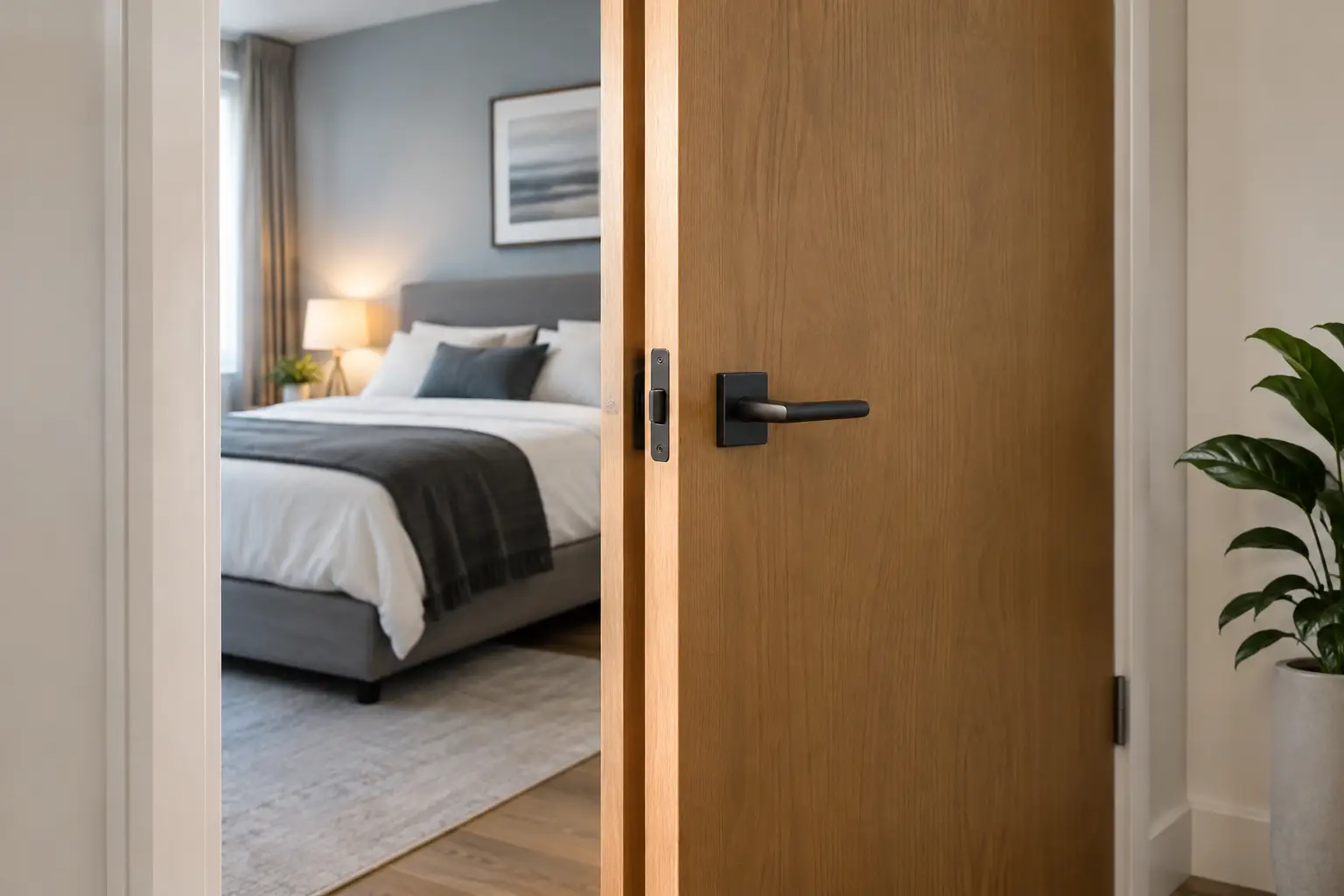
Soundproof Bedroom Doors That Actually Work
Learn how soundproof bedroom doors, solid cores, seals, and precise installation reduce household noise for a quieter, more private room at home every day.