A front door has a job few other building elements can match. It welcomes guests, sets expectations for the interior, protects the household, and becomes the focal point people notice from the street. The best doors for curb appeal do more than look impressive in a showroom. They suit the architecture, stand up to weather and daily use, and are fitted with the precision that makes the whole entry feel finished.
For homeowners planning a renovation, new build, or straightforward facade update, the right choice is rarely just the most decorative door. Proportion, material, glazing, hardware, surrounding trim, and installation all influence the result. A carefully selected entrance door can make an established home feel more considered and give a newer property the character it may be missing.
What Makes a Front Door Look Right From the Street?
Curb appeal begins with scale. A narrow, plain door can look lost within a wide brick facade, while an oversized design may overwhelm a modest porch. Before choosing a profile or color, look at the full entry composition: the roofline, cladding or brickwork, windows, porch posts, pathway, and garage door. The front door should create a clear focal point without competing with every other feature.
The door frame, architraves, sidelights, and transom panels matter just as much. These components create visual width and height, particularly where a standard-sized opening needs a more substantial presence. A tall entrance door paired with slim glass sidelights can make a compact hallway feel brighter while giving the exterior a more generous, balanced appearance.
Durability also affects appearance over time. A door that warps, fades, dents, or develops uneven gaps will quickly undermine an otherwise polished facade. Choosing a material suited to the exposure of your entrance is one of the most practical design decisions you can make.
The Best Doors for Curb Appeal by Material
Fiberglass for detailed, low-maintenance style
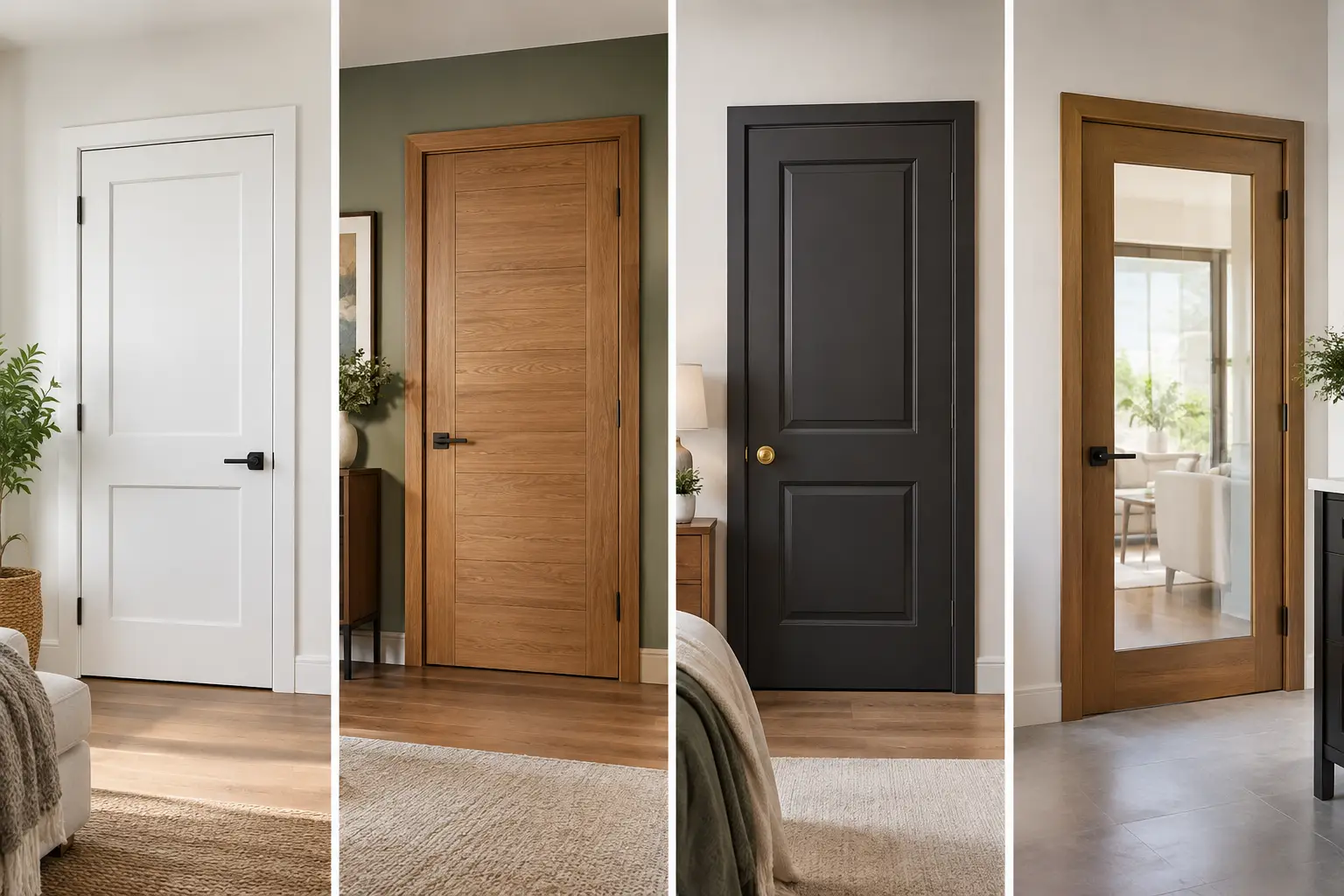
Fiberglass doors are an excellent option for homeowners who want the look of timber without the same level of upkeep. Quality fiberglass can replicate wood grain convincingly, making it well suited to traditional, Hamptons-inspired, craftsman, and transitional homes. It is also resistant to denting, moisture, and temperature changes, which is valuable for entries exposed to strong sun or driving rain.
This material works especially well when you want a stained timber appearance but do not want regular refinishing to become part of your maintenance schedule. The trade-off is that not every fiberglass door has the depth, feel, or customization potential of a genuine timber design. Product quality and installation details make a noticeable difference.
Solid timber for character and craftsmanship
A timber entrance door brings warmth, depth, and a level of individuality that is difficult to imitate. Natural grain, painted detailing, and substantial joinery can give period homes, heritage-style facades, and architectural builds a strong sense of permanence. Timber is a particularly good choice where the front door is intended to be a genuine statement piece.
It does require care. Direct western sun, persistent moisture, and inadequate sealing can affect its finish over time. A covered entry and a high-quality protective coating help preserve the door’s appearance. For the right location, timber rewards that attention with exceptional visual character.
Steel for clean lines and stronger security
Steel entry doors suit homes with a modern, industrial, or minimalist exterior. They offer a crisp, flat finish that works well in deep charcoal, black, white, and bold painted colors. Their strength also makes them a practical choice for security-conscious households.
A steel door is not always the best fit for a warm, highly traditional facade unless it is designed with panels or glazing that echo the home’s details. It can also be susceptible to dents and may transfer heat in highly exposed locations. Insulated construction and a professional fit help address performance concerns.
Engineered and composite options for everyday reliability
Engineered door systems can offer a useful balance of stability, design flexibility, and lower maintenance. They are often a sensible choice for busy family homes where the entry needs to look refined but also handle constant use. Depending on the construction and finish, these doors can suit contemporary, shaker, and simple coastal-inspired exteriors.
The key is to assess the complete product, not just the face of the door. Ask about the core, edge sealing, weather resistance, hardware compatibility, and warranty so the design you select is built for the conditions it will face.
Match the Door Style to the Architecture
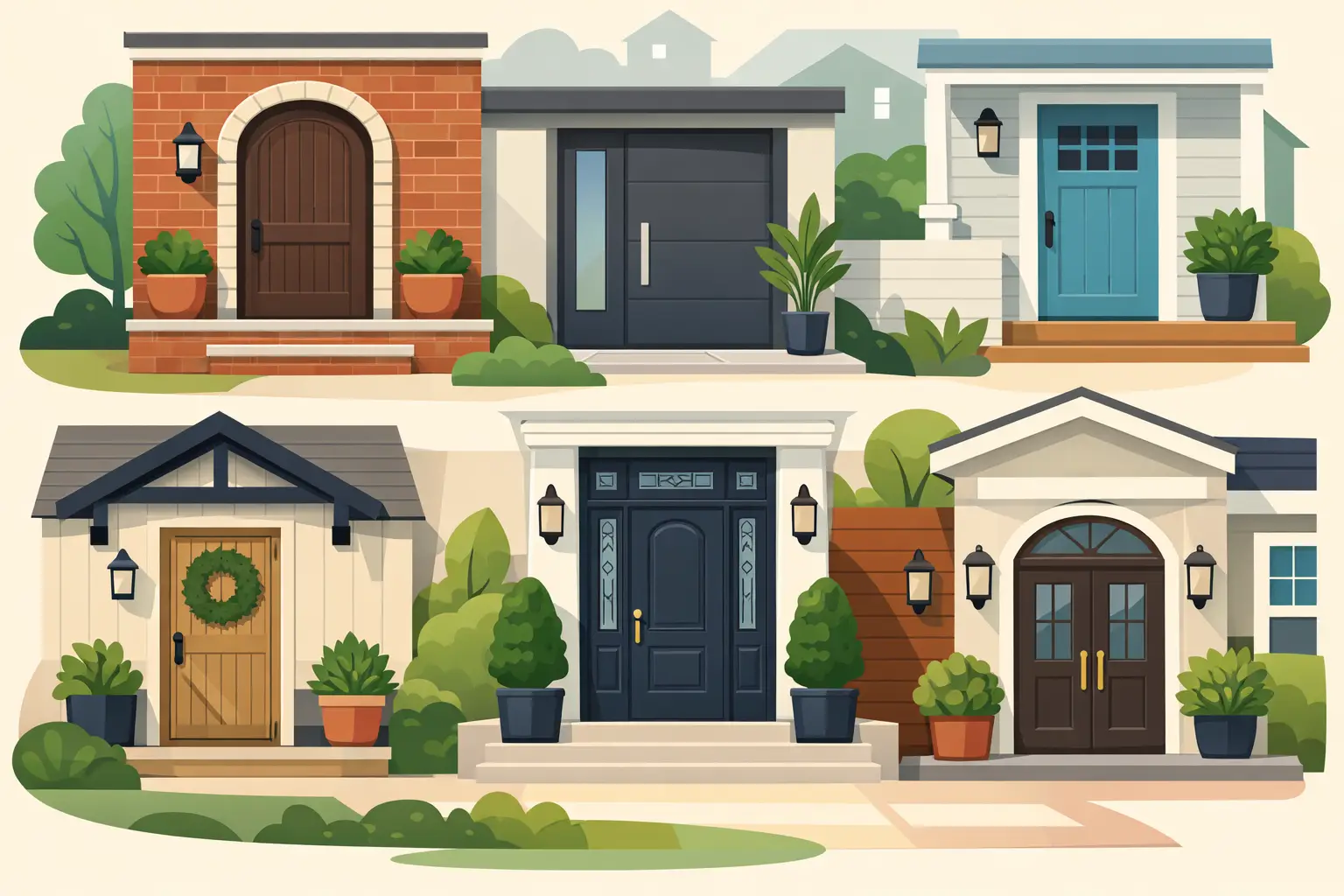
A door should feel connected to the home rather than chosen in isolation. For a classic brick home, paneled timber doors, shaker profiles, and restrained decorative glass often provide a natural fit. A contemporary facade may call for a pivot-style entry, wide vertical panels, flush surfaces, or a streamlined glazed opening.
French doors work beautifully at a visible porch, garden-facing entry, or formal facade where light and symmetry are central to the design. They create openness and elegance, though they require enough room for the swing and should be specified with secure, durable hardware. For homes with a farmhouse or relaxed contemporary style, a simple vertical-plank door can add texture without looking overly themed.
Color should reinforce the architecture. Black, charcoal, deep navy, and warm timber stains tend to create contrast and definition. Soft gray, off-white, and muted green can look equally considered when the goal is a quieter facade. Before committing, view samples outside at different times of day. Sunlight can make undertones more noticeable than they appear indoors.
Use Glass to Add Light Without Giving Up Privacy
Glass is one of the most effective ways to improve the presence of an entry. A glazed panel can break up a solid expanse, reflect light, and make an interior hallway feel less enclosed. Clear glass provides the most open look, but it may not suit a front door facing a busy street or close neighboring homes.
Obscure, reeded, frosted, and textured glass offer a more private alternative while still bringing daylight inside. Narrow vertical glass strips suit contemporary doors, while divided lights and decorative glazing can complement more traditional homes. Consider the orientation of the entrance as well. Larger glazed areas may introduce unwanted afternoon heat unless the glass specification is appropriate for the location.
Do Not Overlook Hardware, Trim, and Proportions
Door hardware is the finishing detail that can either strengthen or dilute the design. A substantial pull handle gives a tall modern door a confident presence. A classic lever, knob, or escutcheon may better suit a paneled timber entrance. Choose finishes that relate to nearby exterior elements, such as lighting, house numbers, gate hardware, or window frames, rather than trying to match every item exactly.
Quality locking hardware should be part of the decision from the start, not an afterthought. The best-looking door still needs dependable security, smooth operation, and hardware that will retain its finish through regular use.
Surrounding trim can be equally transformative. Wider architraves may add formality and visual weight, while a clean, minimal frame suits a modern facade. If the opening allows, sidelights can make a standard door look more generous without requiring an unusually large slab. These choices should be measured and planned as one system.
Why Professional Installation Protects the Result
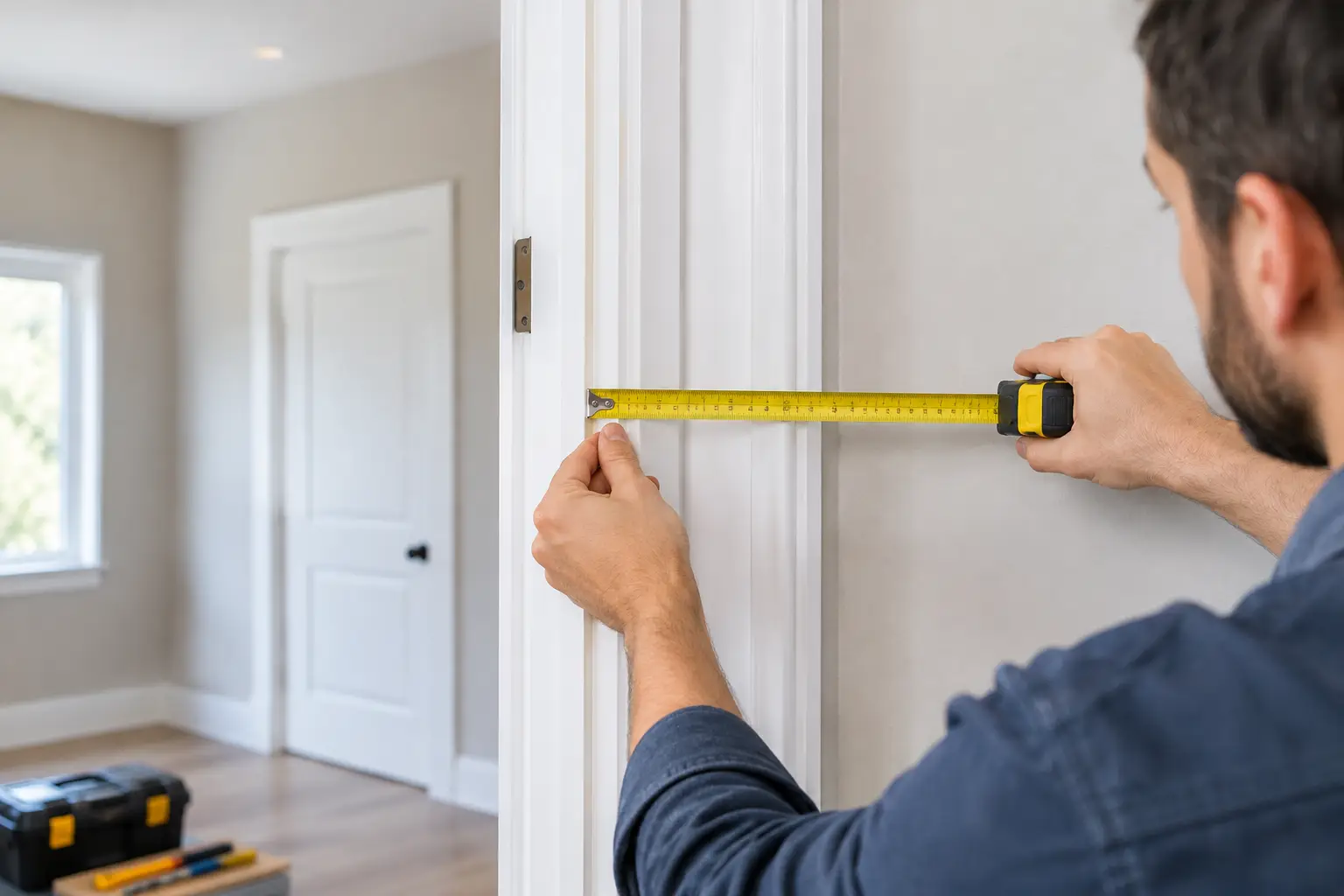
Even a premium door can look ordinary if it is poorly installed. Uneven reveals, inconsistent gaps, a misaligned latch, or incomplete weather sealing are all visible signs of rushed work. More importantly, they can affect security, insulation, and long-term performance.
Professional installation ensures the jamb is correctly prepared, the door is hung level, seals are fitted properly, and hardware operates as intended. It also helps avoid surprises when an older opening is out of square or when a new design includes sidelights, custom trim, or heavier door hardware. At Meriton Doors, careful door selection and precision fitting are treated as parts of the same finished result.
The most effective entry upgrades are the ones that still look intentional years later. Choose a door that belongs to the home, specify materials that suit its exposure, and give the frame, glass, and installation the same attention as the door itself. That is how an entrance becomes a lasting first impression rather than a short-lived facade update.