A bedroom door that lets every conversation, television show, and early-morning kitchen noise travel through the house can make an otherwise well-finished home feel less private. That is why homeowners often ask, are solid core doors worth it when planning a renovation, new build, or room-by-room upgrade? For many homes, the answer is yes – but only when their extra weight, cost, and installation requirements suit the space.
Solid core doors offer a noticeably more substantial feel than standard hollow core doors. They can make bedrooms quieter, home offices more usable, and living spaces feel more carefully finished. The best choice still depends on where the door will sit, how the room is used, and whether the frame and hardware are ready to support it.
What Makes a Solid Core Door Different?
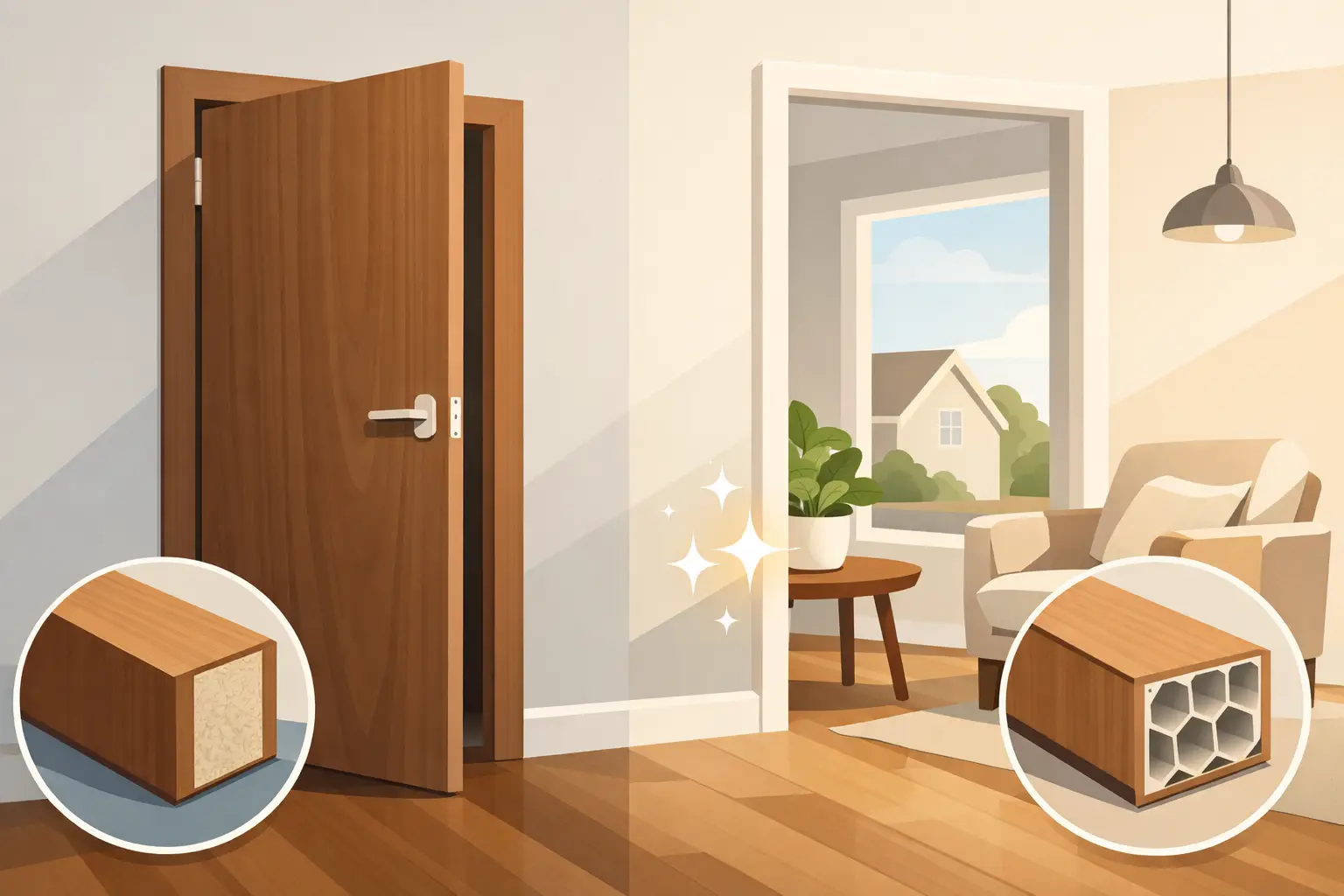
A hollow core door has a lightweight internal structure, usually with a honeycomb-style cardboard core or minimal timber framework between thin outer skins. It is economical, easy to handle, and commonly used in closets, secondary rooms, and budget-conscious developments. Its light construction, however, means it transfers sound easily and can feel less substantial in everyday use.
A solid core door has a denser engineered core, often made from composite timber material, enclosed by a finished skin or veneer. It is not necessarily a door made from one piece of solid wood. That distinction matters because solid core designs provide much of the weight, sound reduction, and durability people want, often with better consistency and stability than some natural timber options.
When properly fitted, the difference is immediate. A solid core door closes with a controlled, reassuring weight rather than a hollow rattle. It also gives handles, hinges, and latch hardware a more substantial base to work with.
Are Solid Core Doors Worth It for Noise Control?
Sound privacy is one of the strongest reasons to choose solid core doors. While no standard internal door can fully soundproof a room, a dense door panel blocks more airborne noise than a hollow alternative. Voices become less distinct, television noise is reduced, and the everyday sounds of a busy household are softened.
This is particularly valuable for bedrooms near living areas, nurseries, home offices, media rooms, and bathrooms. In a home where family members work different schedules or children share a hallway with entertaining spaces, that extra separation can improve daily comfort more than many decorative upgrades.
The door itself is only part of the result. Gaps around the jamb, an oversized undercut, poor latch alignment, or worn weatherstripping can let sound pass around even the heaviest panel. If privacy is the priority, professional fitting and appropriate perimeter seals deserve as much attention as the door construction.
The Everyday Benefits: Feel, Strength, and Finish
Solid core doors are built for frequent use. Their denser construction is better able to withstand the minor knocks, bumps, and repeated closing that come with active homes, rental properties, and light commercial settings. They are also less likely to feel flimsy when fitted with quality lever handles or privacy hardware.
That durability can be especially worthwhile in high-traffic locations such as a hallway bathroom, laundry, office, or children’s bedroom. A door that feels solid and operates smoothly tends to hold its visual appeal longer, particularly when paired with well-fitted jambs, architraves, and hardware.
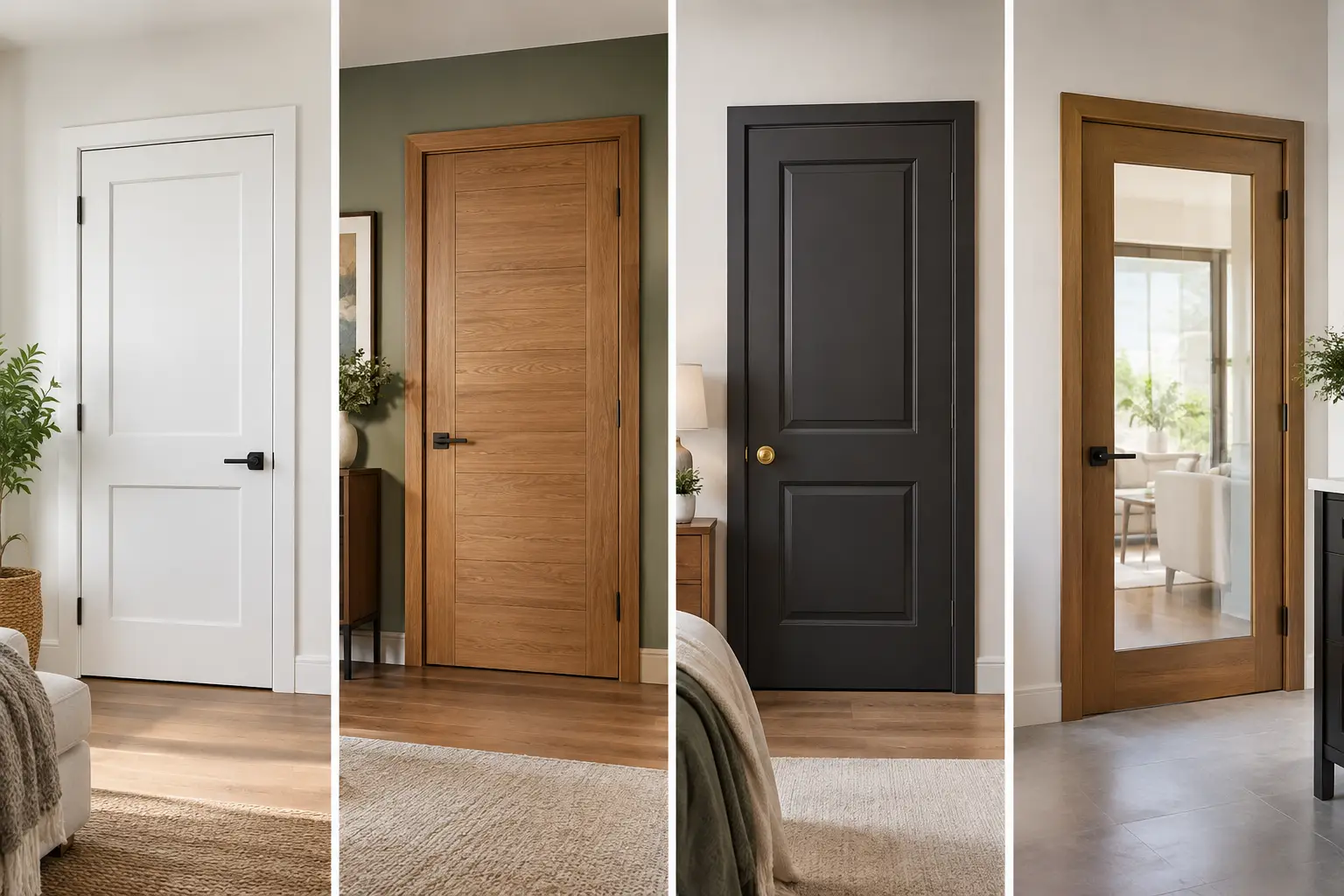
There is also a design benefit that is harder to measure but easy to notice. Premium door styles – including shaker, flush, French, and molded panel designs – look more convincing when the door has real presence. The weight, clean reveal lines, and firm closing action all contribute to a more polished interior finish.
For homeowners thinking about resale, solid core doors can support the impression of a carefully specified home. They may not produce a dollar-for-dollar return in the same way as a major kitchen remodel, but they help create the quality cues buyers notice during inspections and viewings.
Where the Extra Cost Goes
Solid core doors generally cost more than hollow core doors because they use more material and require stronger support. The price difference can grow further when the project includes new jambs, upgraded hinges, specialized handles, painting, trims, and installation.
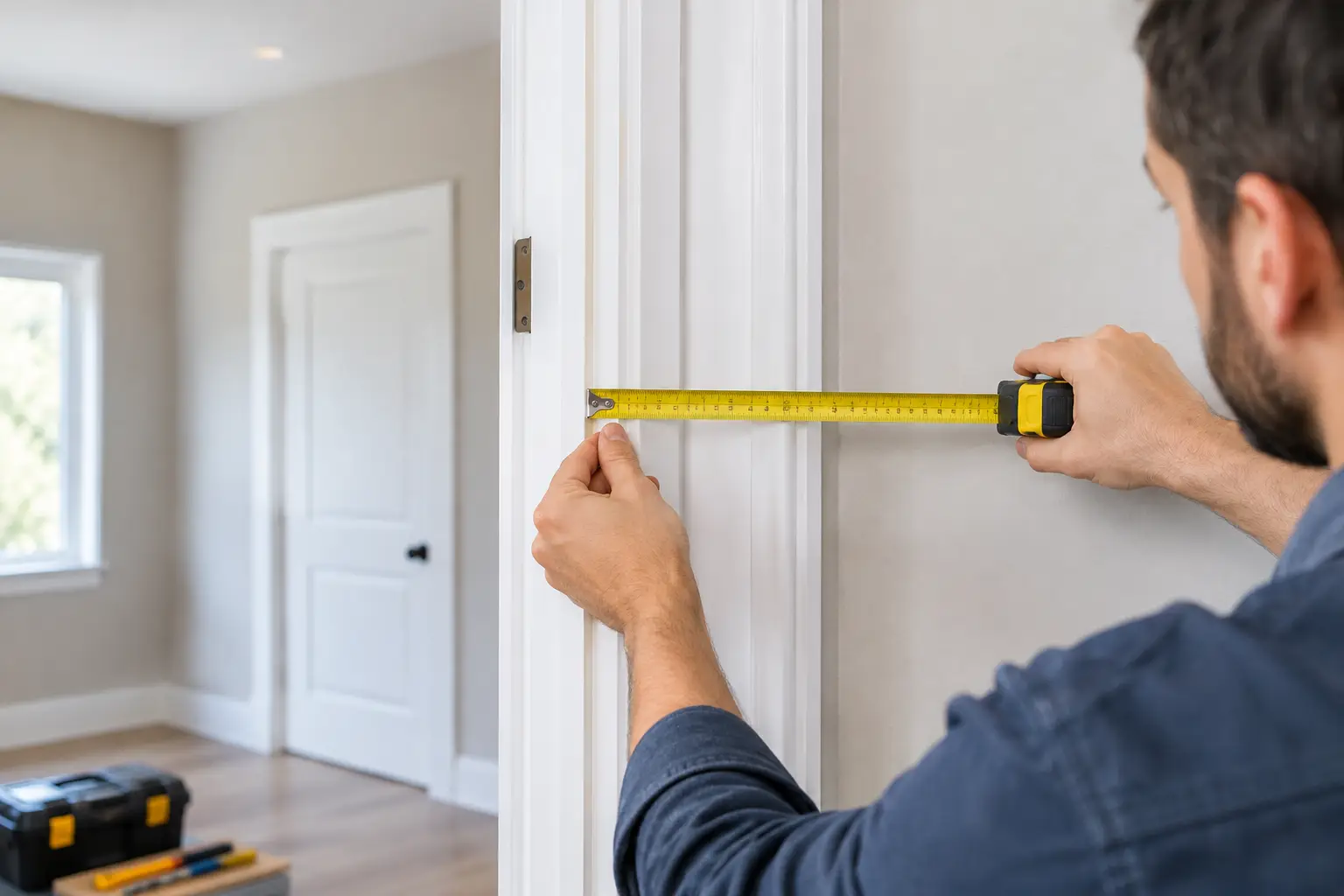
The panel is heavier, so standard lightweight hinges may not be suitable. A correctly specified installation may require three heavy-duty hinges, or more for taller and heavier doors, as well as a sound frame that is properly secured and aligned. Reusing an older jamb is sometimes possible, but it should be assessed before ordering a new door.
This is not a place to cut corners. A heavy door on inadequate hinges can sag, bind against the jamb, or stop latching cleanly. The issue is not the solid core door itself – it is a mismatch between the door, frame, hardware, and installation method.
For this reason, solid core doors often make the most sense as part of a complete upgrade rather than a simple panel swap. Selecting the door, jamb, handles, hinges, architraves, and finish together produces a cleaner result and avoids last-minute compromises.
When Hollow Core Doors May Be the Better Choice
A solid core door is not automatically the right answer for every opening. Hollow core doors remain a practical option where sound control is less important, budgets are tight, or the door will see limited use. Linen closets, utility closets, and low-priority storage areas are common examples.
They can also be useful when an existing frame is lightweight or when structural conditions make a heavier panel impractical. In these cases, installing a quality hollow core door with precise clearances and attractive hardware can still look neat and perform reliably.
If you are renovating several rooms, a mixed approach often offers the best value. Choose solid core doors for bedrooms, bathrooms, offices, and living zones, then use hollow core doors in closets or secondary spaces. This directs the investment toward the rooms where privacy and durability matter most.
Choosing the Right Solid Core Door
Before selecting a style, consider how the room functions and how the door needs to perform. A good decision usually comes down to four practical questions:
- Does the room need greater speech privacy or quieter operation?
- Will the door be used heavily by family members, tenants, customers, or staff?
- Is the existing frame strong, square, and suitable for a heavier panel?
- Does the door style support the overall look of the home, from trim profiles to hardware finish?
For a contemporary interior, a flush solid core door can provide a clean, understated result. Shaker doors add structure and character without feeling overly formal. For a more open plan, French doors can bring light between rooms, although their glass panels naturally offer less acoustic separation than a fully solid design.
Finish matters as well. Painted doors provide flexibility and work well with changing interior colors. Timber-look finishes can add warmth and texture, but they should be selected carefully to complement flooring, cabinetry, and surrounding trims.
Installation Is What Makes the Upgrade Last
Even an exceptional door will disappoint if it is poorly fitted. The reveal around the panel should be even, the latch should engage without force, and the door should swing smoothly without scraping the floor or rubbing the jamb. Hardware placement, hinge spacing, and accurate trimming all affect long-term performance.
At Meriton Doors, door selection is approached as a complete finish rather than an isolated product choice. Matching quality door panels with suitable jambs, hinges, handles, and professional installation helps ensure the finished result looks refined and continues to operate as it should.
A solid core door is most worthwhile when it solves a real problem: too much hallway noise, a home office without privacy, bedrooms that feel exposed, or interiors that need a more substantial finish. Start with the rooms where those issues are most noticeable, then choose a door and installation approach that gives the home the comfort and craftsmanship it deserves.