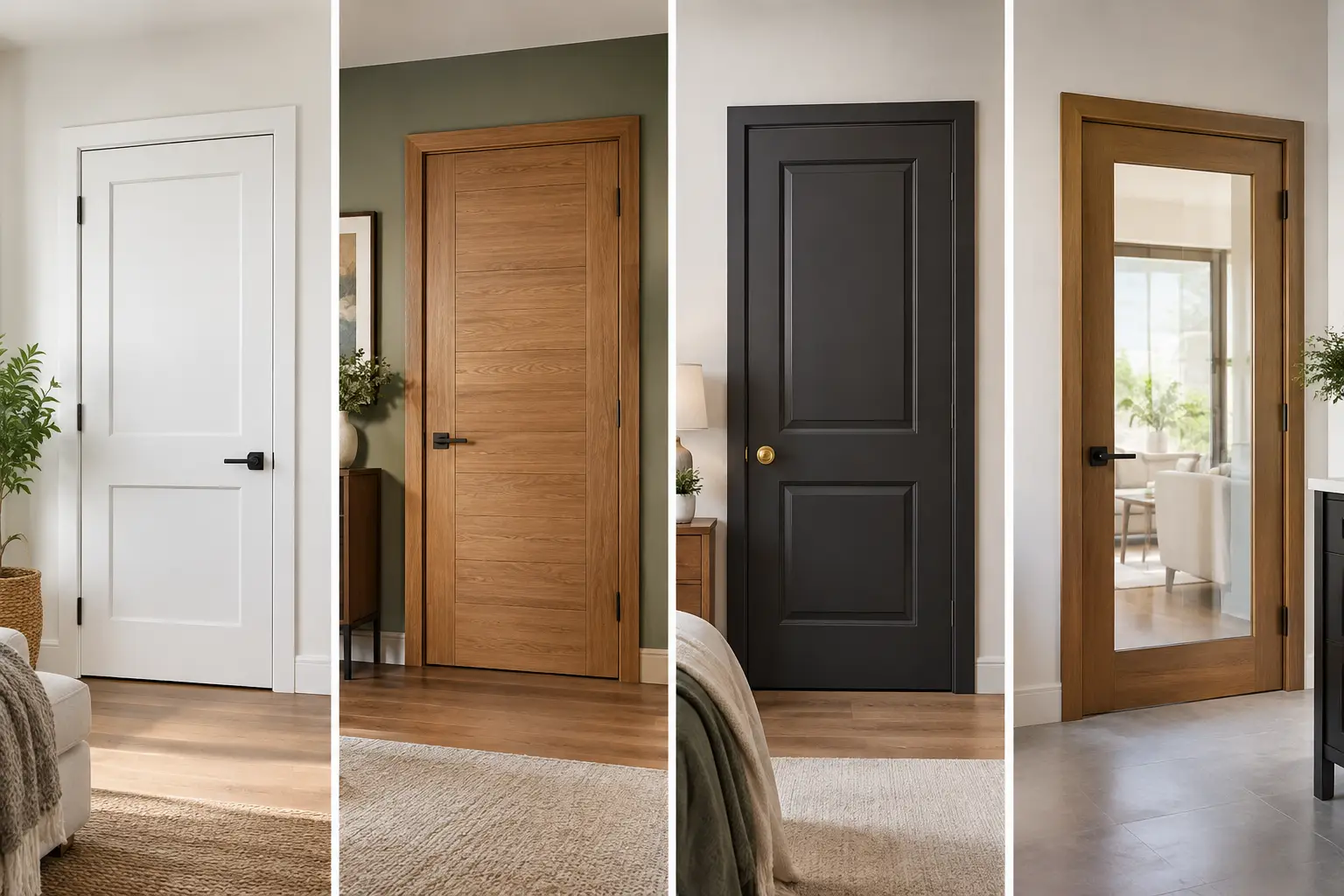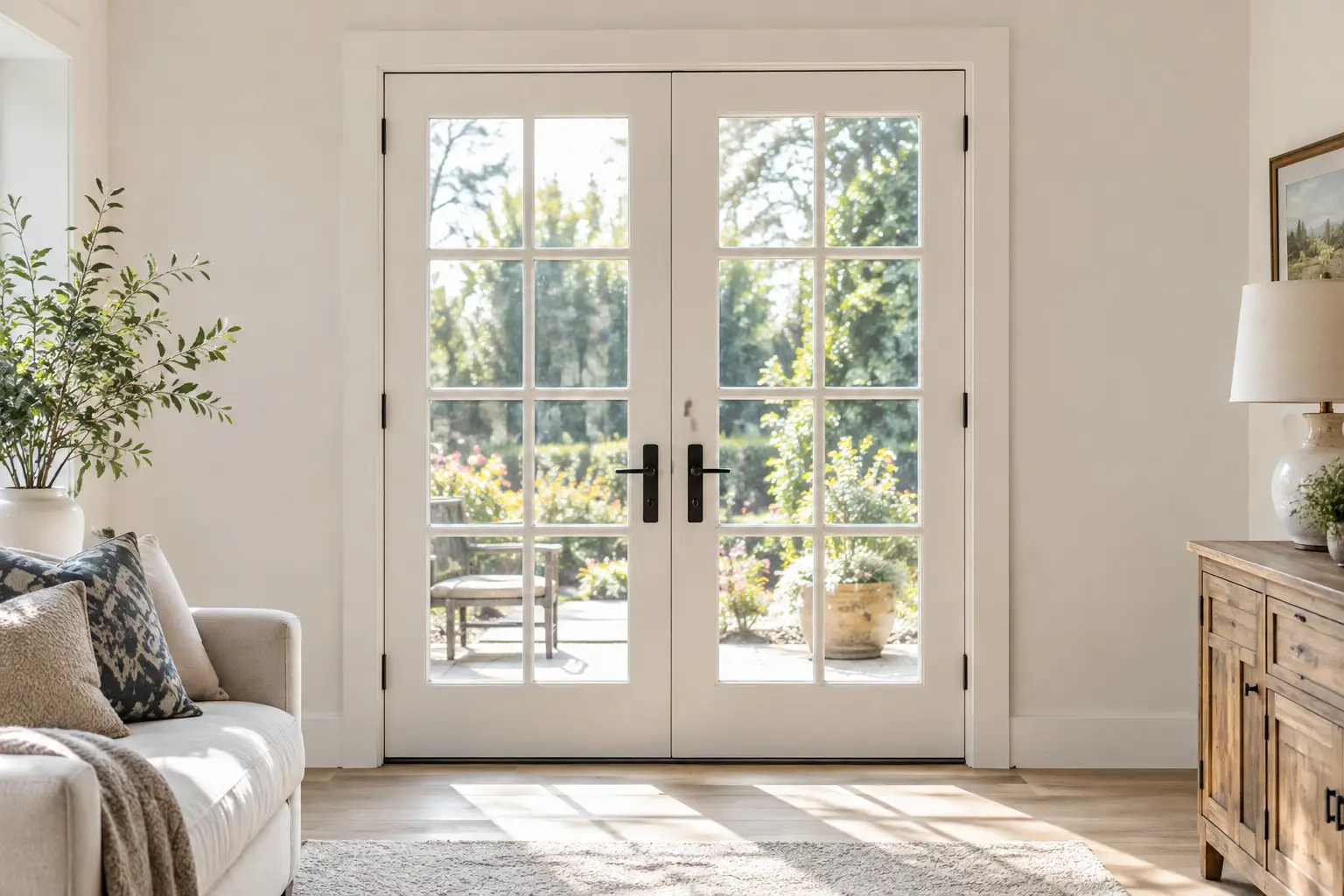

A door can look excellent in a showroom and still disappoint once it is fitted. Gaps that let in drafts, a latch that will not catch, or a panel that rubs the floor are often traced back to door installation mistakes homeowners should avoid before work begins. Whether you are upgrading an entrance door, fitting new internal doors, or finishing a renovation, precision at every stage protects the appearance, security, and long-term performance of the result.
Starting With the Wrong Measurements
The most costly mistakes happen before a door is ordered. Measuring only the old door slab, rather than the full opening, can lead to a replacement that does not suit the existing frame, floor level, or wall finish. A door may be the right width but still be too tall once new flooring, thresholds, or weather seals are taken into account.
Measure the opening at several points, not just the center. Older homes can have walls and jambs that are out of square, while newer renovations may have uneven flooring or fresh tile that changes the available clearance. For an exterior door, the opening, jamb depth, sill condition, swing direction, and clearance for hardware all need consideration.
It also matters whether you are replacing only the door slab or the door and frame together. Keeping an existing frame can be practical when it is sound, square, and compatible with the new door. If the frame is damaged, twisted, or poorly sized, however, fitting a premium door into it may only conceal a larger problem.
Choosing a Door for Looks Alone
Design matters. A statement entrance door can define the front of a home, and internal doors have a strong influence on how rooms connect. But visual appeal should be balanced with the door’s purpose, location, and construction.
For example, a glazed French door may bring valuable light into a living area, but it may not offer the privacy or acoustic separation needed for a home office. A barn door creates a distinctive feature, yet it does not seal like a hinged door and may not be suitable where sound control or complete privacy is essential. Likewise, a heavy solid-core door needs hinges, hardware, and a frame designed to support its weight.
External doors require particular care. Exposure to sun, rain, and temperature changes affects materials differently. The right finish, sealing approach, and weather protection help preserve the door’s appearance and durability. Selecting the right product is not about choosing the most expensive option. It is about choosing one that suits the opening and how the space is used.
Door Installation Mistakes Homeowners Should Avoid During Preparation
Preparation is where professional workmanship becomes visible later. Installing into an opening without checking for moisture damage, loose framing, uneven plaster, or an unstable sill can create problems that no amount of hinge adjustment will solve.
For an exterior opening, inspect the sill and surrounding structure for signs of water entry, rot, or movement. A new door must be protected by correct flashing, sealing, and drainage details, not simply surrounded with caulk. Sealant has a role, but it cannot compensate for an opening that allows water to sit beneath the threshold.
Inside the home, consider the order of surrounding work. New floors, skirting, architraves, paint, and tile can all affect final clearances and reveal lines. Installing a door before floor levels are confirmed can leave a gap that looks awkward or a bottom edge that catches when the room is finished. Good planning coordinates these elements rather than forcing trades to correct one another’s work afterward.
Failing to Set the Frame Square and Plumb
A door frame must be level, plumb, square, and securely fixed. These terms can sound technical, but the result is straightforward: the door should hang evenly, open without resistance, and close against consistent gaps.
A frame that is slightly twisted or out of plumb may seem acceptable while the door is open. Once the door is closed, the issues become obvious. The reveal may tighten at the top, the latch may miss the strike plate, or the door may swing open on its own. Over time, unnecessary pressure on hinges and hardware can accelerate wear.
Shims should support the frame at key fixing points, particularly near hinges and the strike area. Fastening a jamb too aggressively without proper shimming can pull it out of alignment. Conversely, relying on expanding foam as the primary structural support is a mistake. Foam can help seal small gaps after the frame is correctly fixed, but it does not replace sound mechanical fastening.
Ignoring the Door Swing and Room Clearance
The direction a door opens affects daily use more than many homeowners expect. A poorly planned swing can block a hallway, interfere with cabinetry, collide with another door, or reduce accessible space in a bathroom or bedroom.
Before fitting, stand in the room and consider how people move through it. Think about furniture placement, light switches, wardrobes, and the natural route from one space to another. For entrance doors, check that the open door does not obstruct a path or create an awkward arrival area. For double, bi-fold, and sliding configurations, allow for the full operating space, not just the opening itself.
This is also the time to confirm the handing of the door and hinge position. Changing these decisions after an order is placed can add delay and expense, especially for custom-sized doors or doors with pre-machined details.
Underestimating Hardware and Hinge Requirements
Hardware is not an afterthought. Handles, locks, hinges, closers, and seals must suit the door’s size, weight, thickness, and intended use. A beautiful handle will not feel premium if it is paired with a loose latch, poorly aligned strike plate, or undersized hinges.
Heavy entrance doors and solid-core internal doors often need more substantial hinges than lightweight hollow-core doors. Exterior locks should provide dependable security and operate smoothly without forcing the door against the frame. If a lock only works when the door is lifted, pushed, or pulled into position, the alignment issue should be corrected rather than accepted.
Hardware placement also affects the finished appearance. Consistent heights across a home, clean edge preparation, and neatly fitted plates create the refined look homeowners expect from a quality installation.
Trimming Too Much From the Door
When a door rubs, it can be tempting to plane a large section from the bottom or hinge side. This can solve the immediate issue while causing another. Excessive trimming may weaken the door, expose unfinished material, affect a manufacturer warranty, or leave uneven gaps once seasonal movement occurs.
The cause of the rubbing should be identified first. It may be a frame that has moved, an uneven floor, loose hinges, or a door that was not correctly fitted from the outset. Timber doors can also respond to humidity, so appropriate clearances and finishing of all edges are essential.
Where trimming is necessary, it should be controlled and followed by proper sealing or finishing of the exposed edge. This is especially important near exterior openings, where unprotected timber can absorb moisture and deteriorate.
Skipping Weather Seals and Final Adjustments
An exterior door is part of the home’s protective envelope. Even a high-quality door can underperform if the threshold, weather strips, and seals are missing, compressed incorrectly, or installed with gaps. Drafts, water entry, dust, and noise can all result.
Final adjustment is not a minor finishing step. Test the door several times after installation. It should open and close smoothly, latch without force, sit evenly in the frame, and seal properly when shut. Check the gap around the perimeter, the threshold contact, the lock operation, and the security of each fixing.
For internal doors, final checks should include privacy latch function, consistent reveals, quiet operation, and clearance over finished flooring. Small adjustments made at this stage often make the difference between a door that merely fits and one that feels expertly installed.
Treating Installation as a One-Person, One-Day Job
Some lightweight internal door replacements are suitable for capable DIY homeowners with the right tools and an accurately prepared opening. More complex projects are different. Entrance doors, oversized doors, glazed doors, fire-rated applications, multi-panel systems, and frame replacements require careful handling and detailed installation knowledge.
Trying to manage a heavy door without adequate support can damage the product, the surrounding walls, or the installer. It can also create safety risks. Professional fitting is particularly valuable where the work involves structural openings, security hardware, weatherproofing, or multiple doors that need a consistent finish throughout the home.
A well-installed door should feel effortless every day. Taking the time to select compatible products, prepare the opening, and insist on precise fitting protects the investment long after the installation team has left. For homeowners planning a door upgrade in greater Sydney, a specialist such as Meriton Doors can help turn those technical decisions into a finished result that looks considered and performs with confidence.