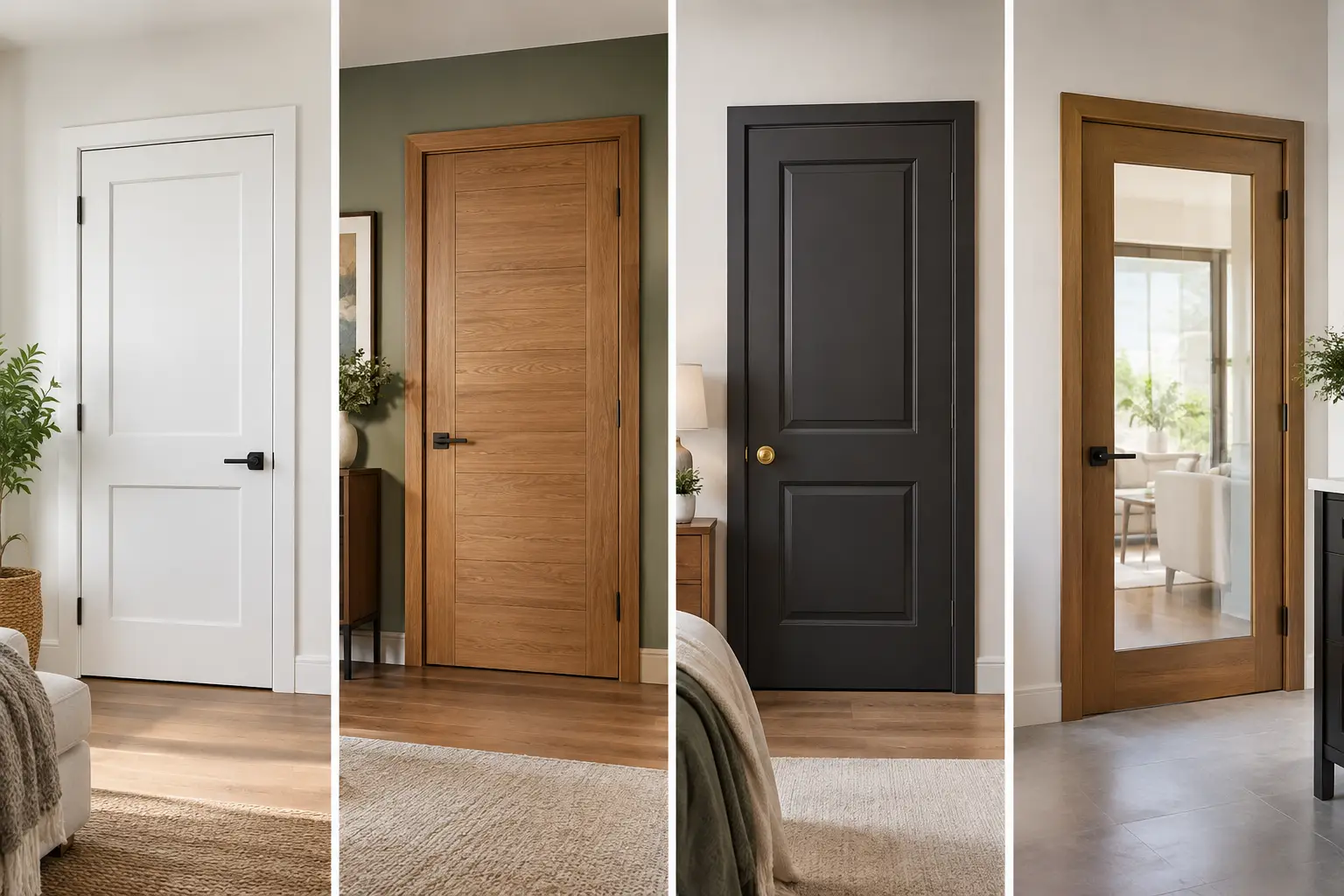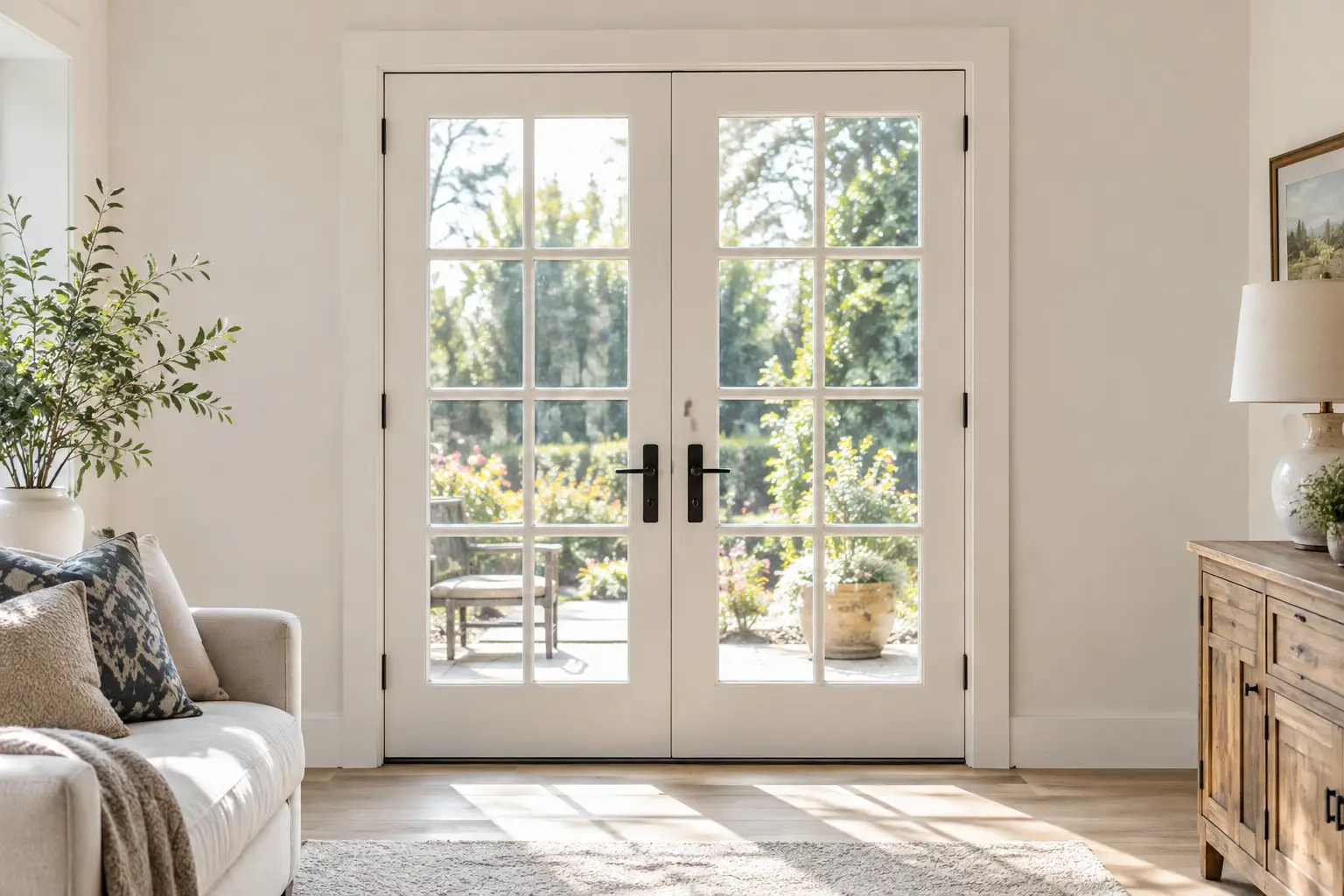
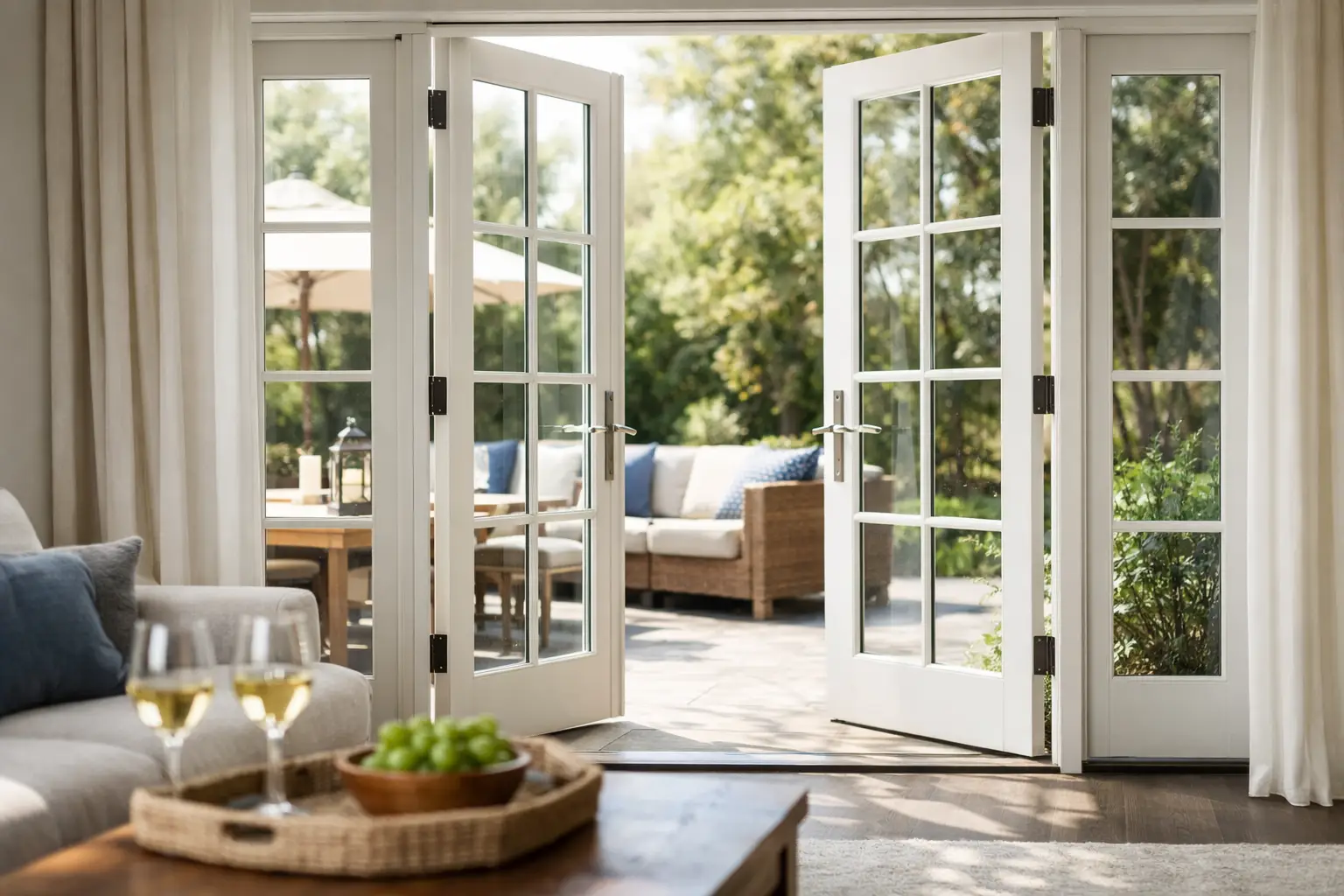
A well-planned gathering changes the way a room needs to work. Guests move between the kitchen, dining area, living room, deck, and yard, often with drinks or food in hand. That is why knowing how to choose French doors for entertaining spaces is about more than selecting a beautiful door style. The right pair creates a generous connection between rooms, manages traffic comfortably, admits natural light, and still feels solid and secure every day of the year.
French doors bring a sense of occasion to an opening. Their divided glass panels add architectural detail, while the double-door format can make a familiar room feel more open and inviting. For homeowners planning renovations, extensions, or a more usable indoor-outdoor area, the best result comes from matching the doors to the way people will actually gather in the space.
Start With the Flow of the Room
Before considering frame colors or glass patterns, stand at the opening and picture a busy occasion. Where will people enter? Is the door linking a dining room to a patio, separating a living area from a quieter lounge, or opening from the kitchen to an outdoor entertaining zone? The answer affects the configuration, swing direction, and opening width.
A pair of French doors is particularly effective where you want a clear, welcoming passage. Opening both leaves can create a broad transition for guests, catering trays, outdoor furniture, and everyday family traffic. If one door will be used most days, consider an active leaf with a secure but simple latch system, paired with a fixed or less frequently used leaf that opens when the room is full.
Door swing matters just as much. In-swing doors suit some interior layouts but require clear floor space inside. Out-swing doors can protect usable interior space and may better suit a deck or patio, provided there is adequate weather protection and room outside. There is no universal answer. The practical choice depends on furniture placement, pathways, steps, and how the space is used when the doors are closed as well as open.
Choose French Doors for Entertaining Spaces With the Right Size
A door can look impressive in a showroom yet feel undersized in a wide, light-filled opening. Proportion is central to a polished result. Narrow double doors may suit a smaller internal opening, while larger openings often benefit from wider leaves, sidelights, or carefully designed framing that preserves the character of French doors without restricting the view.
Measure more than the existing door slab. A professional assessment should account for the full opening, wall construction, finished floor level, head height, trim, and any structural work required. This is especially important when replacing a single door or window with French doors. The appearance of the finished opening depends on clean reveals, correct jambs, suitable architraves, and an installation that keeps the doors aligned.
For entertaining, think about the clear opening rather than the nominal door size. A wide clear passage feels more generous and reduces the bottleneck that happens when guests are moving in both directions. At the same time, exceptionally large, heavy leaves require quality hinges, accurate installation, and hardware designed to carry the load. Bigger is not automatically better if the doors become difficult to operate.
Select Glass for Light, Privacy, and Comfort
Glass is one of the defining features of French doors, but it should be chosen for the room’s orientation and level of privacy, not appearance alone. Clear glass gives the cleanest sightlines to a garden, pool, or entertaining area and helps adjoining rooms borrow daylight. It is often the best choice where the outdoor view is part of the experience.
If neighbors overlook the opening, textured, frosted, or partially obscured glass can provide privacy without making the room feel enclosed. Another option is to use clear glass in the upper panels and a more private treatment below, depending on the door design and sightlines from the street or neighboring properties.
Thermal performance also deserves attention. Large glazed areas can bring in welcome light, but they can also contribute to heat gain, glare, or heat loss if the glazing and frame are poorly matched to the climate. Insulated glass, appropriate coatings, and well-made weather seals improve comfort near the opening. In a sun-exposed entertaining room, these details can make the difference between a space people enjoy at lunchtime and one they avoid until evening.
Safety glass should be specified wherever required by local building codes and where the location calls for greater protection. Doors near pools, stairs, and frequently used exterior openings deserve particular care. A door specialist can help ensure the selected glazing is appropriate for both the design and the application.
Match the Material to the Setting
French doors should complement the home, but they also need to stand up to their environment. Timber remains a popular choice for homeowners who want warmth, detail, and a refined painted or stained finish. It is well suited to traditional homes, heritage-inspired renovations, and interiors where quality joinery is a feature rather than a background element.
Timber does require maintenance, especially on exterior doors exposed to direct sun, rain, and temperature changes. A protected opening with a substantial overhang places far less demand on the finish than an exposed western-facing wall. If you want the character of timber, plan for proper sealing, regular inspection, and timely refinishing rather than treating maintenance as an afterthought.
Other frame materials may be better suited to homes that prioritize low maintenance or need particular performance characteristics. The right choice depends on exposure, budget, finish preferences, and the surrounding windows and doors. Consistency matters. A French door should look intentional alongside nearby trim, flooring, cabinetry, and exterior cladding, not like an isolated upgrade.
Pay Attention to Hardware and Daily Use
Beautiful doors can feel disappointing if the handles are uncomfortable, the bolts are awkward, or the latch does not close cleanly. For entertaining spaces, hardware needs to be easy for guests and family to use while providing dependable security when the house is quiet.
Choose handles that suit the scale and style of the door. Lever handles are often convenient when hands are full, while more traditional sets can add a formal finish to period-inspired interiors. Multi-point locking, quality hinges, and properly fitted flush bolts or astragals help double doors close securely and resist movement over time.
Finish is not a minor decision. Matte black can create a strong contemporary contrast, while brushed nickel, chrome, brass, or aged bronze may better suit the surrounding fixtures. Consider what guests will touch and see up close. Hardware should coordinate with the room, but durability and smooth operation should lead the decision.
For exterior French doors, insect screens are worth discussing early. A traditional hinged screen arrangement, retractable screen, or another compatible solution can make summer entertaining more comfortable. It is much easier to plan for screens before the doors are installed than to compromise later with an unsuitable add-on.
Do Not Treat Installation as the Final Detail
French doors rely on precise fitting. The two leaves must align correctly, the margins need to be even, the sill and weather seals must work, and the frame has to remain square through changing seasons. Small installation errors can lead to drafts, sticking, water ingress, or a door pair that will not latch as intended.
Professional installation also protects the visual investment. Straight lines, neat transitions to existing flooring, correctly selected jambs, and carefully finished architraves are what make new doors look like they belong in the home. For larger alterations, experienced advice before ordering can prevent costly changes to the opening, swing, or finish.
Meriton Doors approaches door selection and fitting as one connected process, helping homeowners achieve a result that looks considered and performs reliably long after the entertaining is over.
Plan for the Moments Between Events
The most successful French doors do not only impress when both panels are open for a celebration. They should bring light into the room on an ordinary morning, close quietly when the weather turns, secure the home at night, and make the route to the backyard feel inviting every day. Choose the doors around those everyday moments, and your entertaining space will naturally feel ready whenever company arrives.