
A door can look exceptional in a showroom yet disappoint once it is fitted, painted, exposed to weather, or used dozens of times each day. That is why door supplier reviews deserve closer attention than a quick glance at a star rating. The most useful reviews reveal whether a supplier delivers the right product, measures accurately, communicates clearly, and leaves the finished opening looking as polished as the door itself.
For homeowners, renovators, builders, and property managers, the goal is not simply to find a business with positive feedback. It is to find evidence that the supplier can handle a project like yours with care, sound advice, and dependable workmanship.
How to Read Door Supplier Reviews Properly
A five-star average is encouraging, but it is only a starting point. Read beyond the first few comments and look for specifics. Strong reviews often describe what was supplied, whether the door was installed, how the team handled site conditions, and whether the customer was happy with the final fit and finish.
Comments such as “great service” are positive, but they do not say much about the result. A review that mentions an entry door sitting squarely in its frame, a clean trim finish, accurate lead-time updates, or careful handling of a custom-sized opening is far more useful. Those details point to the work that protects the appearance, security, and daily performance of the door.
Pay attention to when reviews were written, too. Consistent feedback over several years suggests established processes and steady workmanship. A sudden cluster of reviews may still be genuine, but it gives you less information about how the supplier performs over time.
Match the Review to Your Project
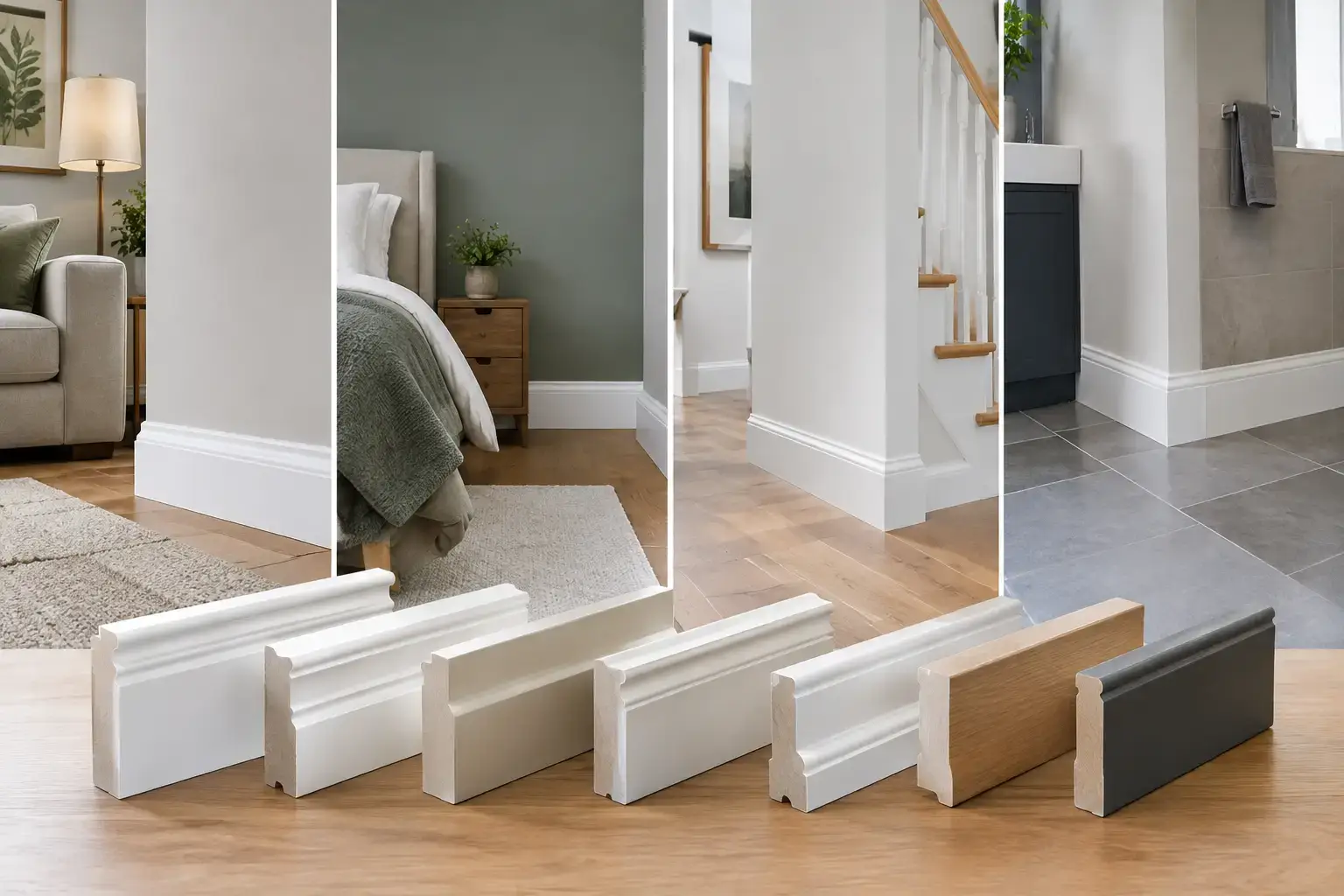
Not every positive review applies equally to every job. A customer delighted with a basic hollow-core interior door may have different needs from someone replacing a front entrance, fitting French doors, or finishing a renovation with shaker doors, skirting, and architraves.
Look for feedback from customers with a comparable project. If you need an exterior door, prioritize reviews that mention weather exposure, secure hardware, jamb preparation, alignment, and a quality seal. For internal doors, reviews about consistent reveals, smooth latching, quiet operation, and clean finishing work are more relevant. For bi-fold or barn doors, installation experience matters because the tracks, clearances, structural support, and adjustment all affect how the system performs.
A supplier does not need to offer every possible door style to be the right choice. In fact, a focused range and clear product knowledge can be preferable to a business that promises everything but provides little guidance. The best fit depends on the door, the opening, your budget, and the level of support you need.
What the Best Reviews Usually Have in Common
The strongest door supplier reviews tend to return to the same practical themes. These are not glamorous details, but they are what separate an attractive door purchase from a finished result that feels right for years.
Accurate advice before ordering, including help with sizing, handing, door style, materials, and compatibility with the existing opening.Clear communication about quotes, lead times, delivery, site access, and any changes required before installation.Professional fitting, with doors that swing, slide, fold, latch, and seal as intended.Respect for the property, including punctual arrivals, tidy work areas, careful handling, and clean completion.A willingness to resolve issues rather than deflect responsibility when an adjustment or follow-up is needed.
A review that praises a supplier for correcting a problem can be especially revealing. Doors are building components, and even well-planned projects can uncover uneven walls, out-of-square frames, hidden damage, or product delays. What matters is how the business responds. A calm, practical solution is often a better sign of professionalism than a claim that nothing ever goes wrong.
Separate Product Quality From Installation Quality
Customers sometimes review the door itself when the real issue is installation, or praise the installer without considering whether the product is suitable for the location. Treat these as separate parts of the decision.
A quality door should suit its purpose. An entry door needs the right construction and finish for the exposure it will receive. A bathroom door needs privacy and a practical material choice. Internal doors should complement the home while standing up to everyday use. Premium details such as solid construction, durable surfaces, well-made jambs, and properly selected hardware can make a visible difference, but only when they are matched to the project.
Installation is equally significant. An excellent door fitted into a poorly prepared opening may bind, rattle, fail to latch, or show uneven gaps. Conversely, skilled installation can improve the outcome of a straightforward door by ensuring proper alignment, secure fixing, neat architraves, and reliable operation.
When reading reviews, look for both sides of the experience. Did the customer feel guided toward the right door? Did the finished installation look precise? Did the door continue to work well after the project was complete? Reviews that answer all three questions offer the clearest picture.
Be Careful With Photos, Ratings, and Price Claims
Photos can help you assess style and finishing standards, particularly when they show complete openings rather than a close-up of the door leaf alone. Look for straight lines around frames, balanced spacing, clean joints, and proportions that suit the room. Keep in mind, however, that photographs rarely show how a door closes, seals, or feels in daily use.
Ratings also need context. A business with a smaller number of detailed, credible reviews may be a safer choice than one with hundreds of vague comments. Read a selection of positive, neutral, and critical feedback. One unhappy customer does not automatically signal poor service, especially if the issue is isolated and the supplier responds constructively. Repeated complaints about missed appointments, inaccurate orders, unfinished work, or ignored calls deserve more weight.
Price claims should be viewed with the same care. The lowest quote can exclude installation, hardware, finishing components, removal of old doors, or the adjustments needed to achieve a clean result. A higher quote may represent better materials, more experienced fitting, or a more complete scope. Reviews can indicate whether customers believed the finished work justified the amount they paid, which is more useful than a simple claim of being cheap.
Questions to Ask After Reading Reviews
Reviews should narrow your options, not replace a direct conversation. Once a supplier appears suitable, ask how they approach your particular opening and what is included in the quote. A dependable supplier should be able to explain the recommended door type, measuring process, installation method, expected lead time, and any preparation you need to arrange.
It is also reasonable to ask about the details that influence the final appearance: Will the frame or jamb be replaced if needed? Are architraves, side panels, hinges, locks, and handles included? Who is responsible for painting or staining? How will the team protect nearby floors and walls? Clear answers now prevent expensive assumptions later.
For a renovation, bring measurements and photos, but do not assume they are enough for a final order. Older homes often have openings that are not perfectly square or consistent from one side to the other. A professional measure and site assessment can save time, rework, and frustration.
Look for Confidence Without Pressure
The right supplier should make the decision easier, not rush it. You should feel confident that the door suits the design of the home, the needs of the household, and the realities of the opening. That may mean choosing a statement entrance door for curb appeal, a simple internal door that keeps a renovation on budget, or a coordinated set of doors and trim for a more finished result.
Good reviews help identify businesses that consistently deliver this level of care. Then, a detailed quote, a clear scope, and a thoughtful conversation can confirm whether that supplier is the right partner for your project. A door is used every day, so choosing the team behind it should feel just as considered as choosing the style itself.
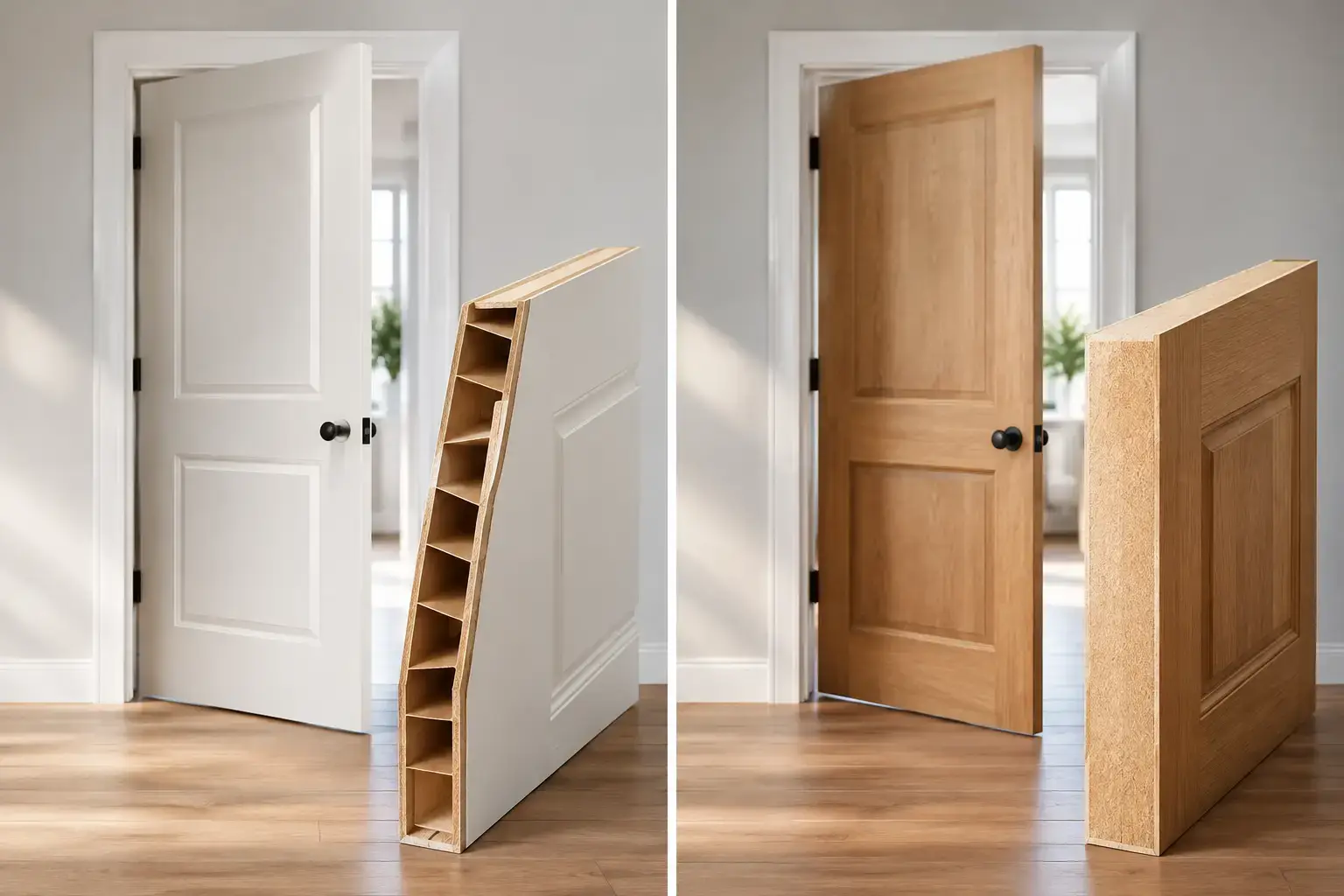
Hollow Core vs Solid Core: Which Door Fits?
Compare hollow core vs solid core doors for sound, durability, cost, and everyday use, then choose the right interior door for your next home renovation.