A door can look exceptional in a showroom and still disappoint once it is installed. It may rub on the floor, sit unevenly when closed, allow drafts around the edge, or fail to latch cleanly. In many cases, the issue is not the door slab itself. It is the door jambs – the structural frames that determine how the door is supported, aligned, secured, and finished.
For homeowners planning a renovation, builders completing a new opening, or property managers replacing worn components, jamb selection deserves the same attention as the door design. The right jamb creates a precise foundation for reliable daily use and a polished result that lasts.
What Door Jambs Actually Do
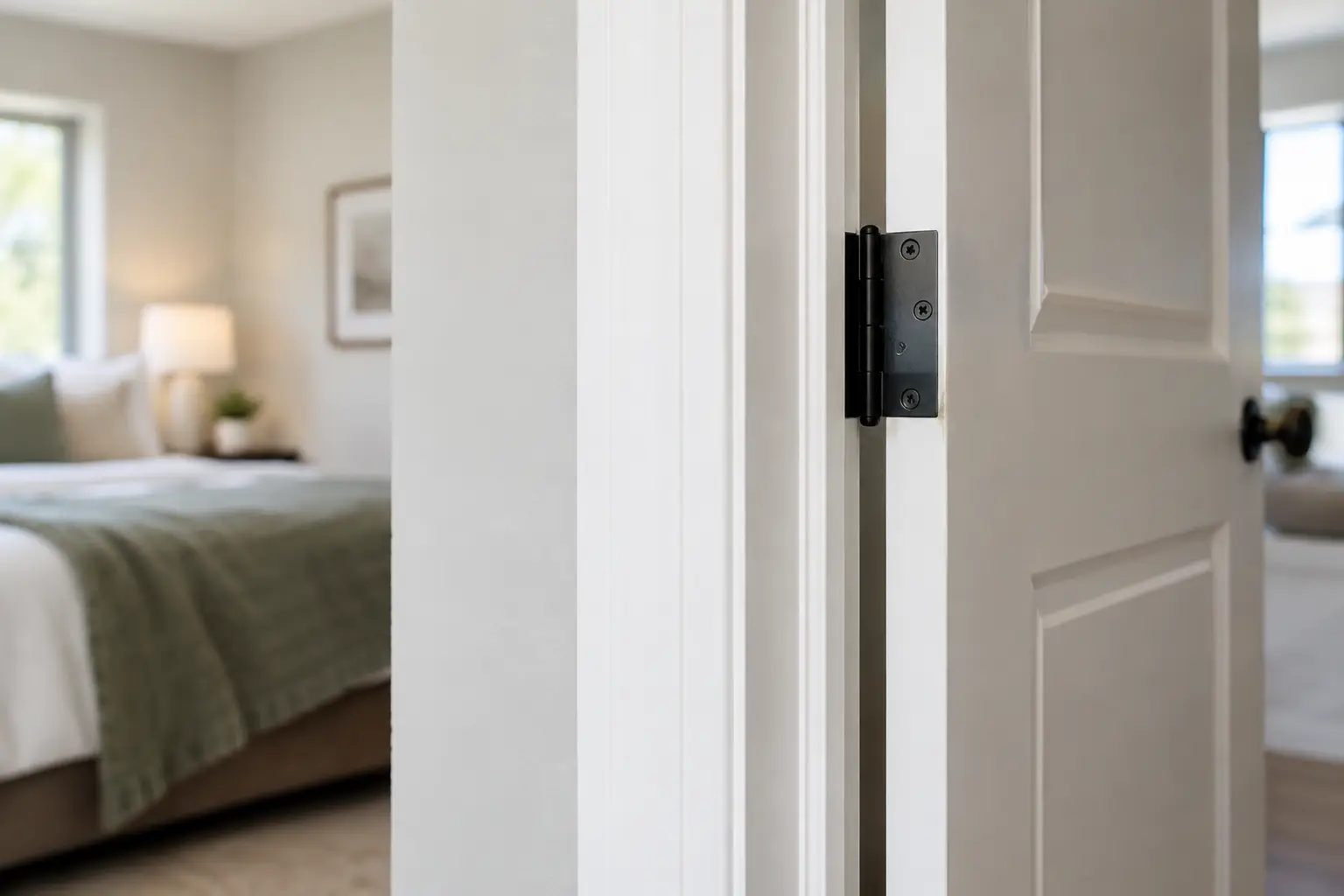
A door jamb is the frame fixed within a wall opening. It consists of two vertical side pieces, called jamb legs, and a horizontal top piece, called the head jamb. Hinges are fitted to one side, while the strike plate for the latch or lock is fitted to the other. The door itself hangs and closes within this frame.
That sounds straightforward, but the jamb handles several important jobs at once. It supports the door’s weight through the hinges, keeps the reveal around the door consistent, provides a secure fixing point for locking hardware, and creates the surface that architraves finish against. For exterior doors, it also works with weather seals, thresholds, and hardware to help manage air, water, and security.
A well-made jamb is rarely the feature people notice first. That is exactly the point. It allows the door, hardware, and surrounding trim to look intentional rather than slightly out of square.
Why the Right Door Jamb Matters
The best jamb choice depends on where the door is located, how heavily it will be used, the wall construction, and the finish you want. An internal bedroom door has different demands from a front entry door or a door between a garage and living area.
Fit is the first consideration. A door needs even clearance around its edges so it can swing freely without looking loose or uneven. If the jamb is twisted, poorly packed, or set out of plumb, the door may bind at one point and show a wide gap at another. Adjusting hinges can help with minor issues, but it cannot fully correct a frame that was installed inaccurately.
Security is another key consideration for entry doors. The strike side of the jamb must be strong enough to support the lock hardware and properly fixed back to the wall framing. A quality entrance door paired with a weak or poorly installed jamb does not deliver the same level of protection or confidence.
Then there is the finish. Jamb depth must suit the wall thickness so the frame sits correctly from one face of the wall to the other. When it does, architraves can be installed cleanly with consistent lines. When it does not, installers may need extensions, fillers, or compromises that can make a premium door installation look less refined.
Choosing Materials for Door Jambs
Timber remains a popular jamb material because it is versatile, strong, easy to machine, and well suited to traditional and contemporary homes. It can be painted, stained, repaired, and matched with timber doors, skirting, and architraves. For many internal doors, a properly prepared timber jamb provides an excellent balance of appearance and performance.
For areas exposed to moisture, material selection requires more care. Bathrooms, laundries, external openings, and homes with persistent damp conditions can be hard on standard timber products. Moisture can cause swelling, movement, peeling paint, and deterioration if the material and finishing system are not suitable.
Engineered timber options can offer a consistent profile and stable surface for paint-grade work. Their suitability depends on the specific product and location, particularly where moisture exposure is possible. Solid hardwood may be selected for its durability and character, although it can involve a higher cost and may require thoughtful finishing to preserve its appearance.
For exterior applications, the jamb must be considered as part of a complete entry system. Weather exposure, drainage, seals, threshold details, and finish quality all matter. There is no single material that is automatically right for every doorway. The best choice is the one that suits the environment, the door weight, and the expected level of maintenance.
Paint-grade or stain-grade finish
This decision should be made early. Paint-grade jambs are ideal when the goal is a crisp, unified finish with painted doors and trim. They also allow greater flexibility if the interior color scheme changes later.
Stain-grade timber is chosen when the natural grain is part of the design. It needs more selective material matching, careful sanding, and precise finishing because every variation remains visible. A stained entrance door with a mismatched or roughly finished jamb can distract from the craftsmanship of the whole opening.
Getting the Size and Configuration Right
Door jamb sizing is not simply a matter of matching the width and height of the door. The finished opening must account for the door slab, hinge clearances, latch alignment, floor level, wall thickness, and the desired reveal. Measurements taken before plasterboard, flooring, or tile is complete may need to be reviewed before final installation.
Jamb depth is especially important. Walls vary considerably depending on stud size, linings, tiling, soundproofing, and cladding details. Ordering a jamb that is too narrow can leave the frame short of the finished wall face. Ordering one that is too deep can require trimming or create an awkward transition with the architrave.
The handing of the door also affects jamb preparation. A left-hand and right-hand hinged door need hinges and strike details in the correct locations. This becomes more significant with paired doors, French doors, barn door openings with adjoining swing doors, or projects where multiple doors need to align visually along a hallway.
For double doors and oversized entrance doors, the structural demands increase. Heavier doors need suitable hinge systems, strong jamb material, and secure fixing. A statement door is only as dependable as the frame carrying it.
Installation Is Where Precision Shows
Professional installation focuses on more than getting the frame into the opening. The installer checks that the jamb is plumb vertically, level across the head, and square through the opening. Shims or packers are placed in the right locations so tightening fixings does not pull the jamb out of alignment.
The hinge side must be solid and straight because it carries the weight of the door. The strike side needs to be adjusted so the latch enters the strike plate cleanly without needing to push, lift, or slam the door. Small refinements at this stage make a noticeable difference to the way the door feels every day.
Flooring is another common source of problems. If the finished floor height changes after a door is hung, clearances can become too tight. Conversely, a door installed before final flooring without proper planning can leave an unattractive gap beneath it. Coordinating the jamb, door, and flooring sequence avoids unnecessary rework.
For external doors, installation should also address sealing and water management. A beautiful entry door cannot perform as intended if gaps, flashings, sill details, or seals are neglected. This is a practical area where experienced fitting protects both the door investment and the surrounding structure.
Common Signs a Jamb Needs Attention
Not every door problem means replacement is required. Sometimes a hinge adjustment, strike plate correction, or small repair will restore proper operation. However, recurring issues can indicate that the jamb itself is damaged, loose, warped, or no longer suited to the opening.
Watch for doors that swing open or closed by themselves, scrape the floor seasonally, need force to latch, or show changing gaps around the edges. Cracks near hinge screws, soft timber at an exterior threshold, loose strike plates, and visible movement in the frame also deserve prompt attention. Left unresolved, these issues can damage the door, hardware, surrounding trim, and wall finishes.
When replacing a door, inspect the jamb before assuming it can remain. Reusing a sound, correctly sized frame can be practical. Replacing a compromised frame at the same time is often the better long-term decision, particularly for a new entrance door or a high-use internal opening.
A Better Starting Point for Any Door Project
Door jambs are not a minor accessory added after the real decisions are made. They are the precision-built connection between the door, the wall, the hardware, and the finished interior. Choosing the right material, depth, and configuration – then installing it accurately – gives every door a stronger foundation.
For projects across Penrith and greater Sydney, Meriton Doors can help coordinate quality doors, matching timber components, and professional installation so the finished opening looks considered and performs as it should. Before selecting a new door, take a close look at the frame around it. That detail often determines whether the final result simply looks new or feels expertly finished.
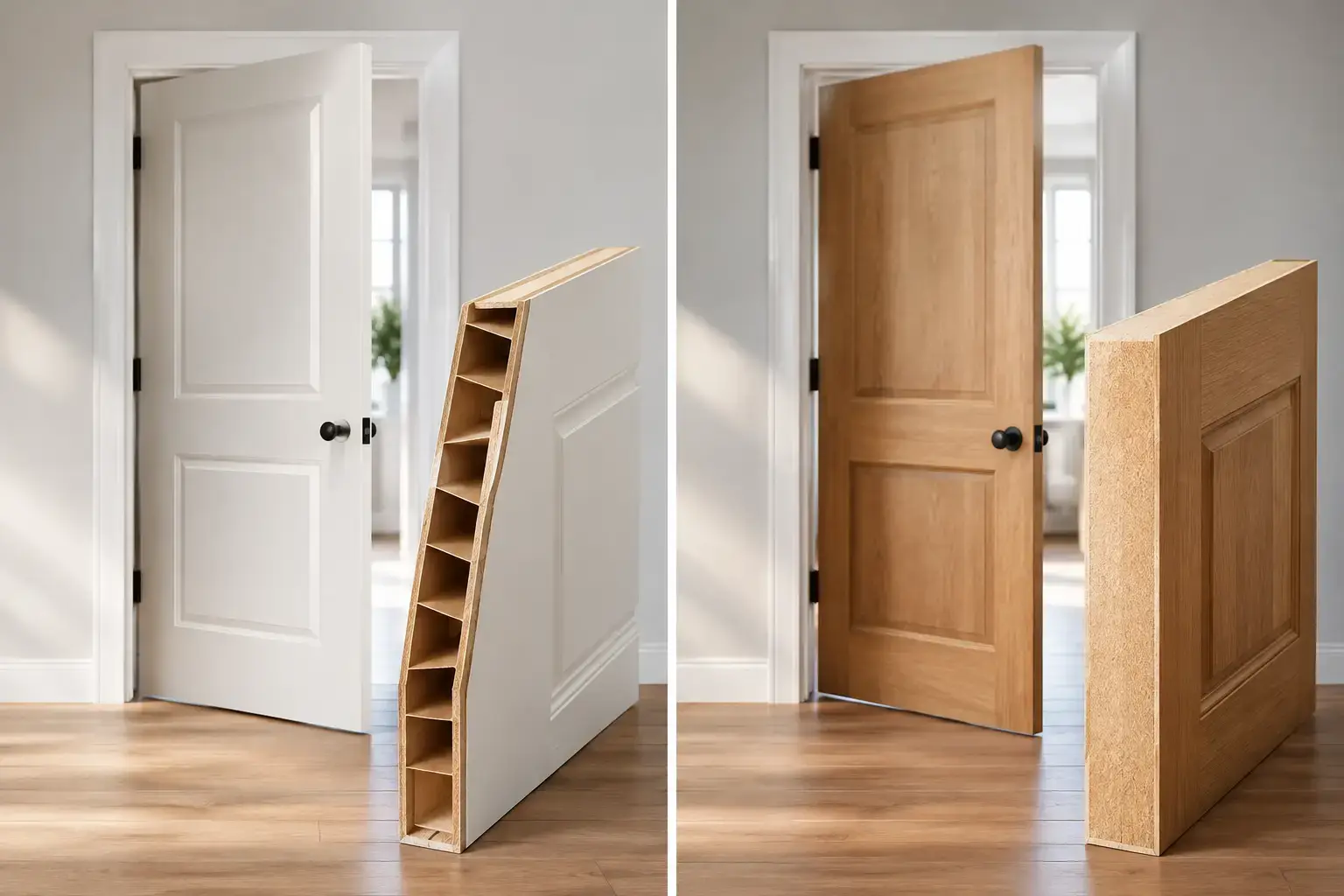
Hollow Core vs Solid Core: Which Door Fits?
Compare hollow core vs solid core doors for sound, durability, cost, and everyday use, then choose the right interior door for your next home renovation.