A well-executed french door installation changes more than an opening. It changes how a room feels, how light moves through the home, and how comfortably the door performs every day. When the fit is exact, French doors bring elegance and function in equal measure. When the fit is off by even a small margin, you notice it in sticking panels, drafts, uneven gaps, and hardware that never feels quite right.
That is why French doors deserve more attention than a standard swap-out. They are visually prominent, often larger than other door types, and expected to do several jobs at once – connect spaces, improve access, frame views, and hold up to frequent use. For homeowners, renovators, and builders, the quality of the installation matters just as much as the product itself.
Why french door installation needs precision
French doors look refined because their lines are clean and balanced. That balance depends on accurate measuring, stable framing, and careful alignment. Unlike a basic single-door setup, you are working with two panels that need to meet correctly in the middle, swing smoothly, latch securely, and maintain consistent clearance around the frame.
In practice, that means the opening has to be assessed properly before any product is ordered or fitted. Floors may not be level. Existing framing may have shifted over time. Exterior applications may need extra attention around weather sealing and threshold design. Interior applications often focus more on visual continuity, room flow, and trim detail. The right approach depends on where the doors are going and how the space is used.
This is also where experience makes a visible difference. A skilled installer is not only fitting a door unit. They are reading the opening, accounting for structural variation, and making fine adjustments that protect long-term performance.
Choosing the right French doors for the space
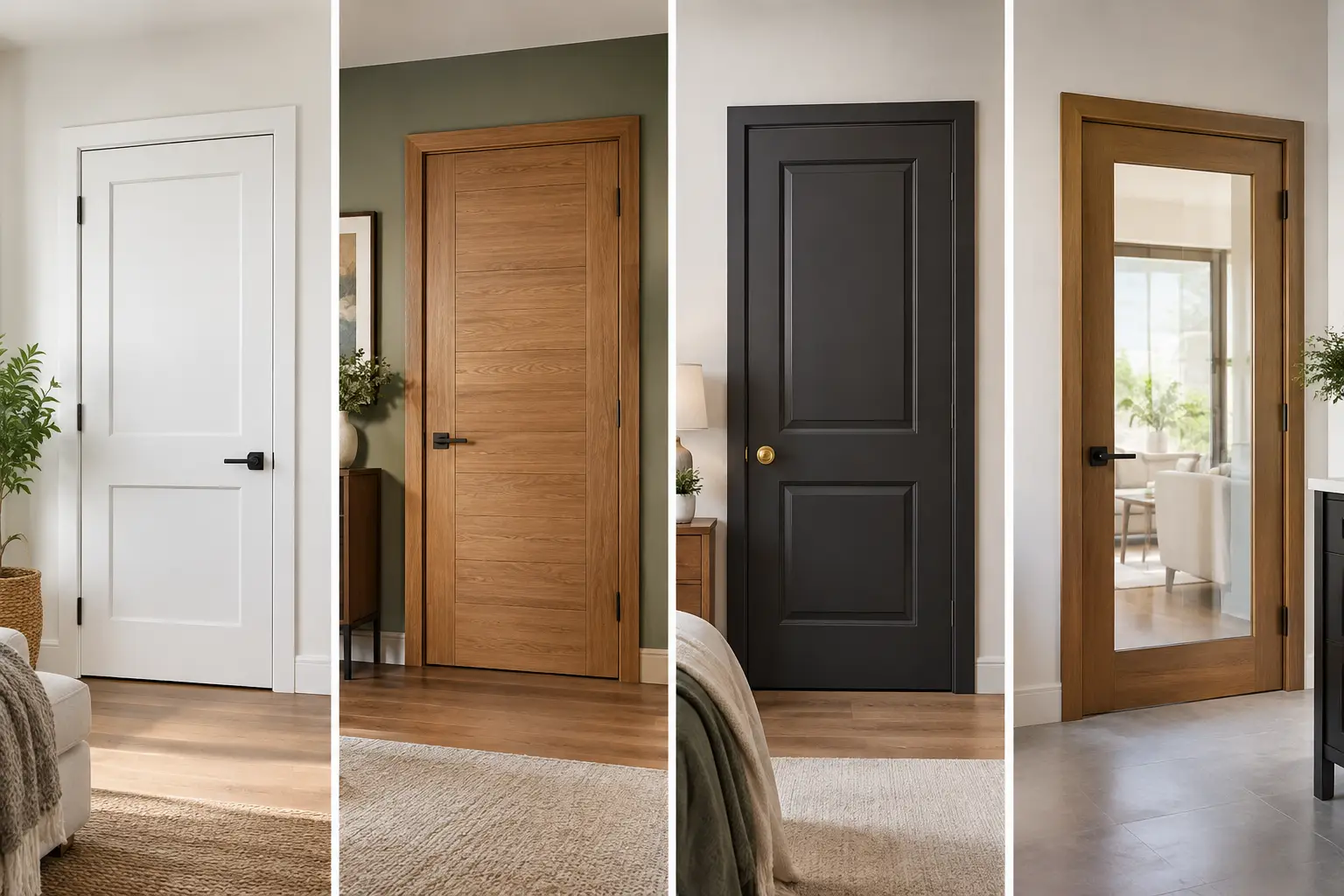
The best result starts with choosing a door style that suits both the architecture and the way the property is used. Some clients want a statement opening between living and outdoor areas. Others are after a more classic transition between interior rooms, home offices, or formal dining spaces. The right door is not always the most decorative one. It is the one that fits the scale, traffic, and character of the home.
Material selection plays a major role. Timber French doors offer warmth, detail, and a premium finish that works beautifully in traditional and contemporary homes alike. They are especially appealing when the surrounding trim, skirting, and architraves are part of a coordinated design. At the same time, timber needs to be properly finished and maintained, particularly in exposed locations.
Glass configuration matters too. Full glass panels bring in the most light and create a stronger sense of openness. Divided-lite designs introduce more definition and suit homes with a more classic style. Privacy, solar exposure, and safety requirements can all influence the final specification. There is no single right answer here. It depends on the room, the outlook, and the level of performance expected from the door.
What to expect from a professional french door installation
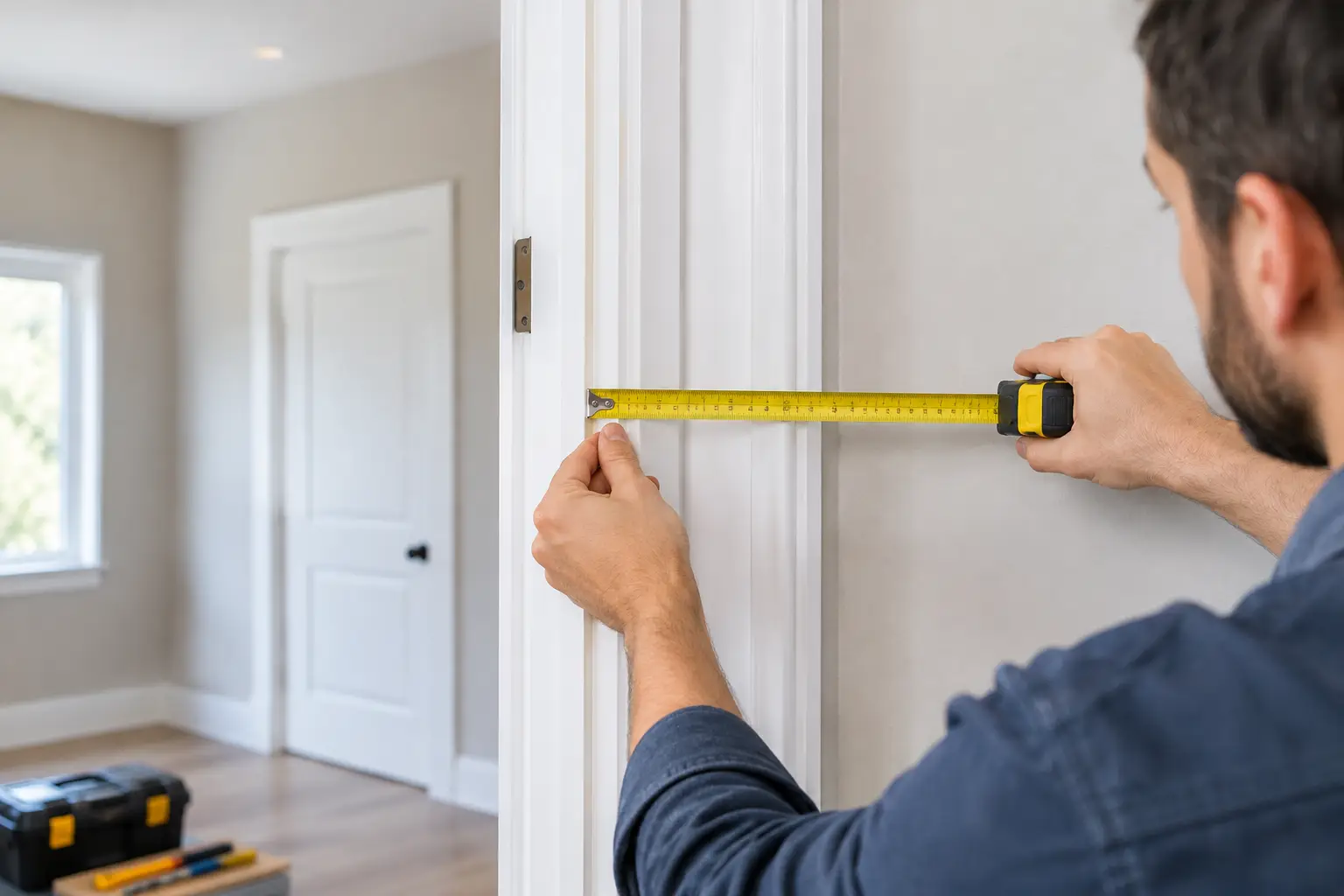
A professional installation begins well before the doors arrive on site. Accurate site measurement is the first step, and it needs to be done with care. Rough opening dimensions, wall condition, floor levels, and structural support all need to be reviewed so the new doors are supplied to suit the real conditions of the property, not just the nominal size on a plan.
Once the product is selected, preparation becomes just as important as the fit itself. If an existing door set is being removed, the opening may need repair or adjustment before the new frame can be installed. If the project is part of a renovation or new build, coordination with surrounding finishes helps avoid delays and rework. Trim details, flooring transitions, and hardware placement all affect the final look.
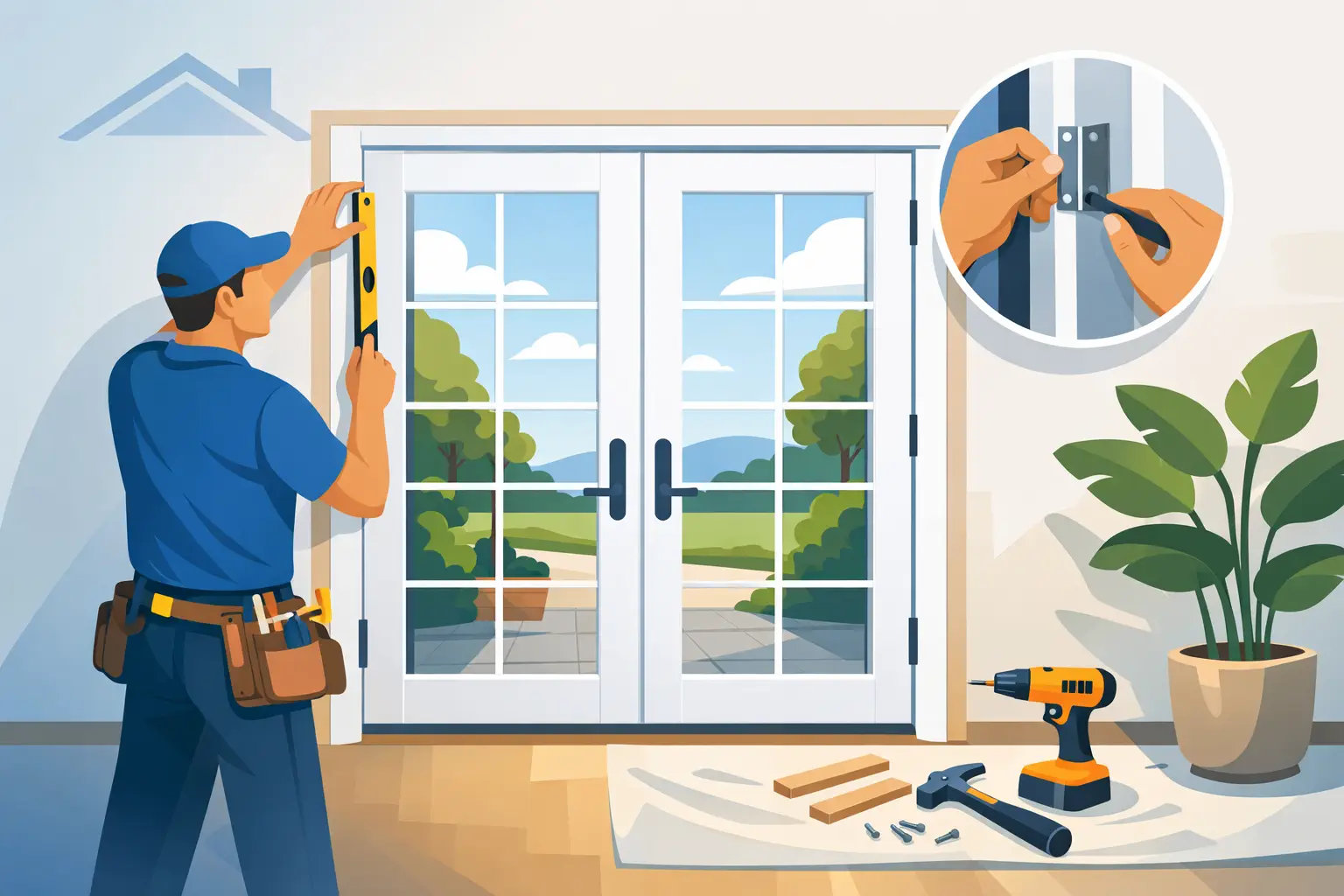
During installation, the frame is set, checked, and fixed so the doors operate correctly under their own weight. This stage is where craftsmanship shows. The margins need to be even. The meeting stiles need to align properly. The threshold needs to support smooth operation without inviting water or air leakage on exterior doors. Hardware has to feel solid and precise, not forced into place.
A polished installer will also pay attention to the finish around the doors. Clean architraves, neat junctions, and tidy site work are not extras. They are part of a quality result.
Interior vs exterior installations
Interior French doors and exterior French doors may look similar, but they perform different roles. Interior sets are often chosen to define spaces without cutting off light. They work well between living zones, studies, and transitional areas where openness matters but some acoustic separation is still useful.
Exterior French doors are more demanding. They need to handle weather, temperature change, and security requirements, while still looking refined. That means the installation has to account for sealing, drainage, and durable hardware. Exposure also matters. A sheltered door opening allows for different detailing than a fully exposed rear elevation or patio entry.
For that reason, product selection and installation method should always be matched to the setting. A door that looks excellent in a showroom can underperform if it is used in the wrong location or installed without regard for the site conditions.
Common issues when French doors are poorly installed
Most door problems are blamed on the product, but many start with installation. If the frame is not square, the doors may bind or drift. If the opening is not prepared correctly, gaps can appear around the perimeter. If the hardware is not aligned with care, locking becomes inconsistent and daily use starts to feel frustrating.
With French doors, these issues are often more obvious because symmetry is part of the appeal. Uneven margins stand out immediately. So do rattling panels, rubbing edges, and doors that refuse to stay in position. On exterior openings, poor installation can also affect energy efficiency and weather protection.
This is why it pays to treat French doors as a precision feature rather than a basic building item. The visual standard is higher, and the performance expectation is higher too.
The value of supply-and-install service
For many homeowners and project managers, the easiest path is working with one specialist who can supply the doors and handle the installation. It reduces the risk of mismatch between product specification and site conditions, and it avoids the back-and-forth that can happen when supply and fitting are handled by different parties.
A supply-and-install approach is especially useful when the project involves coordinated timber details such as jambs, architraves, side panels, or other finishing components. The end result is more cohesive, and the process is easier to manage. You are not left trying to reconcile separate recommendations from a retailer, a tradesperson, and a finishing carpenter.
This is also where a specialist company like Meriton Doors adds practical value. Product knowledge, installation expertise, and a design-led eye all come together in one process, which helps clients make confident decisions and get a result that looks considered from every angle.
Is french door installation worth it?
In many homes, yes. French doors can increase natural light, improve flow, and add a stronger architectural finish than a standard hinged door or a plain opening. They often make rooms feel larger and more connected, which is one reason they remain popular in renovations and new residential projects.
That said, the answer depends on the space. If the opening is tight, traffic is constant, or privacy is the top priority, another door type may be a better fit. French doors are at their best where there is room for the swing, enough width to appreciate the symmetry, and a broader design goal behind the choice.
When those conditions are right, they offer a level of visual impact that few other doors can match. And when they are installed properly, they do not just look impressive on day one. They continue to feel solid, balanced, and dependable over time.
If you are planning a door upgrade, treat French doors as a finish element that deserves proper attention. The product matters, but the installation is what turns good design into daily performance.