A tired front entry can make an otherwise well-kept home feel unfinished. Front door replacement is one of the few upgrades that changes how your home looks, feels, and performs all at once. It affects first impressions, daily security, weather protection, and the way your entry functions every single day.
That is why the right replacement is not just about swapping one door for another. It is about choosing a door that suits the home, fits correctly, closes properly, and holds up over time. For homeowners, renovators, and property managers across Sydney, that balance of design, durability, and precise installation matters far more than a quick off-the-shelf fix.
Why front door replacement matters
Your front door does a lot of heavy lifting. It creates curb appeal, sets the tone for the home, and serves as a key barrier between your interior and the elements. If it is warped, dated, damaged, hard to lock, or no longer sealing well, the issues are usually bigger than appearance alone.
A worn front door can let in drafts, create security concerns, and make the entire entry feel less solid. In older homes, it is also common to find problems with the frame, jamb, threshold, or surrounding trim. Replacing only the slab in those cases can be a false economy. It may look better for a while, but if the opening is out of square or the hardware alignment is poor, the performance problems usually remain.
A quality replacement improves more than the façade. It can make the entry quieter, more secure, easier to operate, and better matched to the style of the property. That is part of the reason this upgrade has such broad appeal, from owner-occupiers refreshing a family home to builders and renovators finishing a more design-led project.
When a front door should be replaced
Some signs are obvious. Visible cracks, swelling, rot, impact damage, or failed locks usually make the decision clear. Other signs are more subtle but just as important.
If the door sticks in humid weather, rattles in the frame, or shows light around the edges when closed, the opening may no longer be performing as it should. If the bottom rail is deteriorating, the threshold is worn, or the door feels soft in places, moisture may already be affecting the structure. A front entry that looks undersized, plain, or disconnected from the rest of the home can also be worth replacing, especially during a renovation where every exterior detail counts.
There is also the question of proportion. Many older entries were built for function first, not visual impact. Replacing a basic door with a better-designed option, or incorporating side panels where suitable, can dramatically improve the presence of the home without changing the footprint.
Choosing the right front door replacement
The best result comes from treating the entry as a complete design and performance decision, not a single product purchase. Material, style, glazing, hardware compatibility, finish, and installation quality all need to work together.
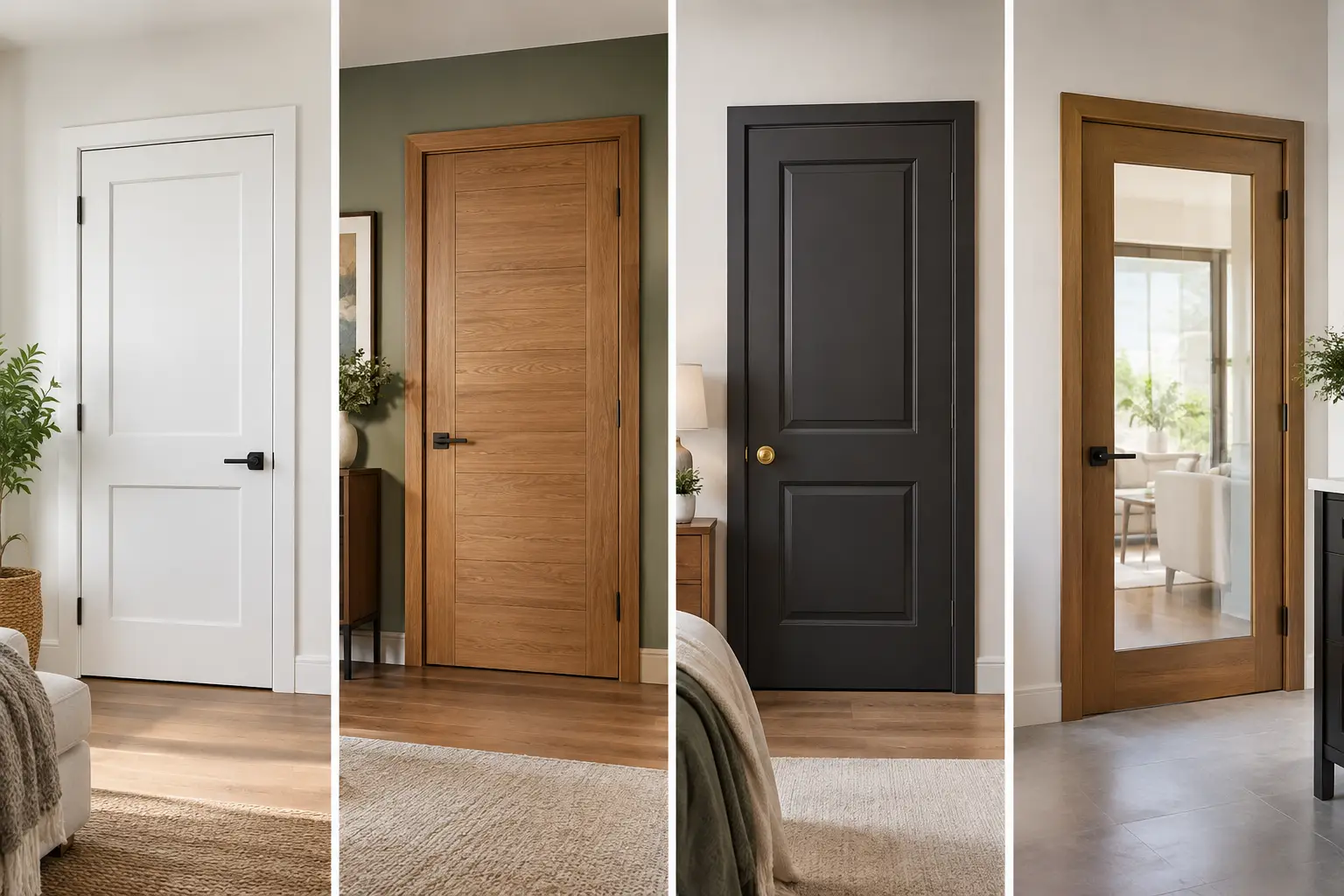
Timber remains a popular choice for homeowners who want warmth, character, and a premium look. It suits both classic and contemporary homes, and it offers strong visual impact when properly finished. The trade-off is maintenance. A timber entry door needs the right coating and periodic care, particularly in exposed locations.
For some properties, a more stable or lower-maintenance construction may be the better long-term option. That depends on the site conditions, the architectural style, and how much upkeep the owner is comfortable with. This is where tailored advice makes a real difference. A door that looks excellent in a showroom can underperform if it is not matched to the opening and exposure.
Style matters as much as material. A front entry should feel intentional. Hamptons-inspired homes often suit shaker profiles and glazed panels, while minimalist homes may call for cleaner lines and a bolder, more architectural form. Federation, cottage, and contemporary builds each have their own visual language. The goal is not simply to choose an attractive door, but to choose one that belongs.
Front door replacement and security
Security is one of the main reasons people start looking at a new entry door, but the discussion should never stop at the lockset. A secure front door relies on the combined strength of the door leaf, frame, hinges, strike points, hardware preparation, and installation method.
A beautifully made door can still be compromised by poor fitting. If the frame is weak, the latch alignment is inconsistent, or the fixings are inadequate, the result will not inspire confidence. Professional installation helps ensure the door closes firmly, seals correctly, and works with the selected hardware the way it should.
This is also where detail matters. Hinge positioning, clearance gaps, latch engagement, and threshold fit are small things individually, but together they determine how solid and dependable the entry feels. That sense of quality is hard to fake. You notice it every time the door opens and closes.
The installation side of front door replacement
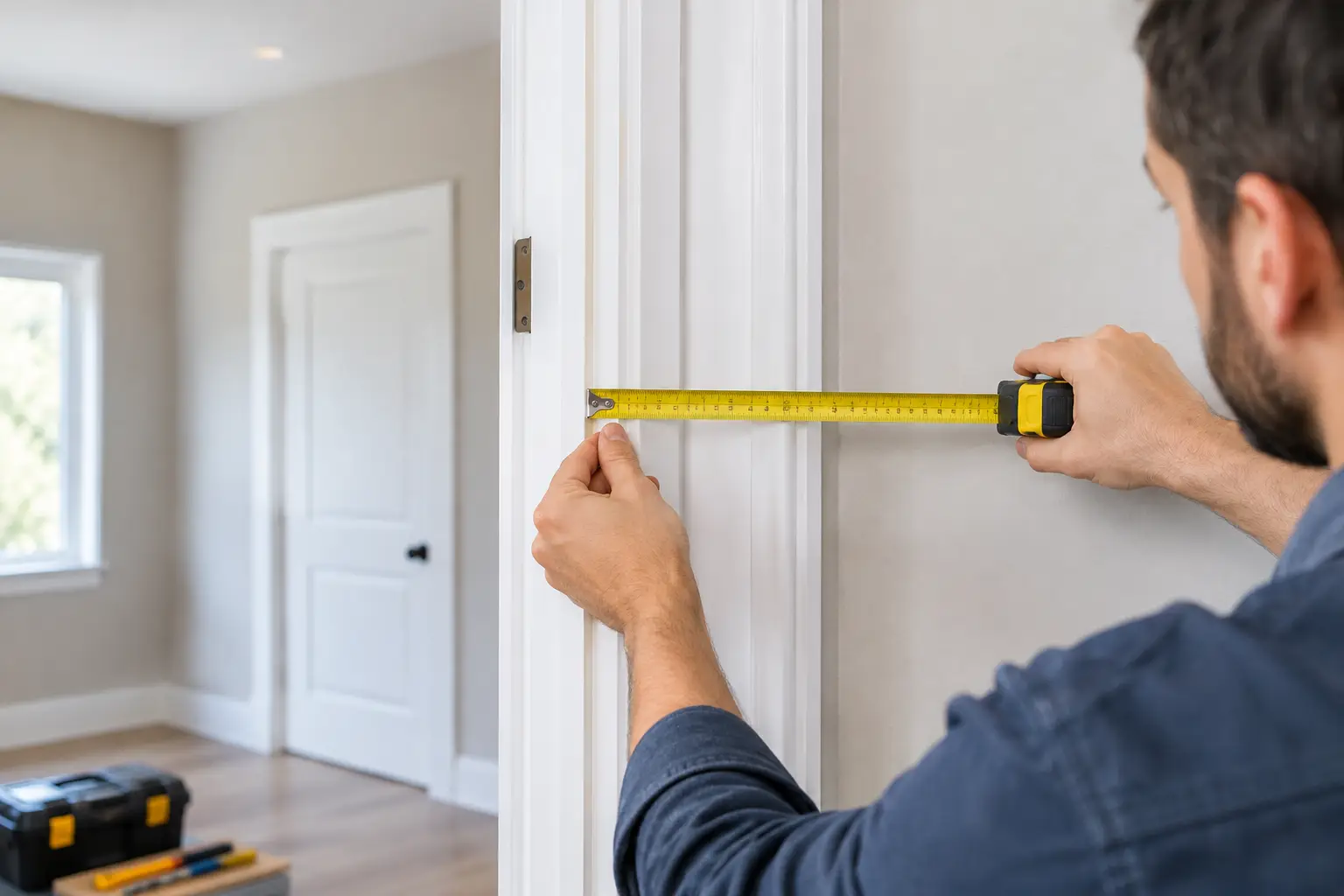
Many of the problems associated with replacement doors are not product problems at all. They are installation problems. An entry opening can be affected by movement, age, moisture, previous repairs, or inconsistent wall and floor levels. If those conditions are not assessed properly, even a premium door can end up misaligned.
A proper front door replacement often includes more than the door itself. The frame may need to be replaced. The jamb may need correction. The threshold, architraves, side panels, or surrounding timber components may need to be renewed to achieve a clean and durable finish.
This is why a supply-and-fit approach is often the smoothest path. It avoids the common gap between product selection and site reality. Instead of buying a door and hoping it suits the opening, the entire job can be considered as one coordinated package. For busy homeowners and builders, that usually means fewer delays, fewer compromises, and a better final result.
What affects cost
There is no single price for front door replacement because the scope can vary quite a bit. A straightforward swap into a well-prepared opening will cost less than a full entry upgrade with a new frame, side panels, custom sizing, glazing, and finishing work.
Material choice is a major factor, but so is complexity. Oversized doors, detailed profiles, specialty glass, and non-standard openings all affect the budget. Hardware selection can also shift the total, especially when premium handles, locks, and accessories are involved.
The key is to compare value, not just the initial figure. A lower upfront price can be tempting, but it may not include the structural or finishing work needed to make the entry perform properly. A well-made, well-installed door tends to pay back in longevity, appearance, and fewer maintenance issues later on.
A front entry should suit the whole property
One of the most overlooked parts of front door replacement is context. The best door on paper is not always the right door for the house. Scale, color, surrounding brick or cladding, natural light, and even the depth of the entry recess all influence what will look balanced.
This is where craftsmanship and design guidance have real value. A front door is a focal point. It should connect with the architecture, not fight it. In some homes, subtle refinement is the right move. In others, a more defined statement door can lift the entire façade.
For clients looking for a polished result, that design judgment is often what separates a basic replacement from a genuine improvement. Meriton Doors works with this in mind, helping customers choose entry solutions that perform well and feel considered from every angle.
Getting the timing right
Front door replacement is often easiest to plan alongside other exterior or renovation works, especially if painting, cladding, flooring transitions, or trim upgrades are already happening. That said, it also works well as a standalone improvement because the visual return is immediate.
If your current entry is secure but dated, you may have the flexibility to take time with selection. If the door is damaged, swollen, or no longer locking reliably, it makes sense to act sooner. Waiting too long can lead to more issues around the frame and surrounding materials.
The right replacement should feel like it was always meant to be there. It should close with confidence, look proportionate, and stand up to everyday use without fuss. When that happens, the front of the home feels resolved in a way that is hard to ignore.
A well-chosen front door does more than welcome people in. It gives the whole property a stronger sense of quality before anyone even steps inside.