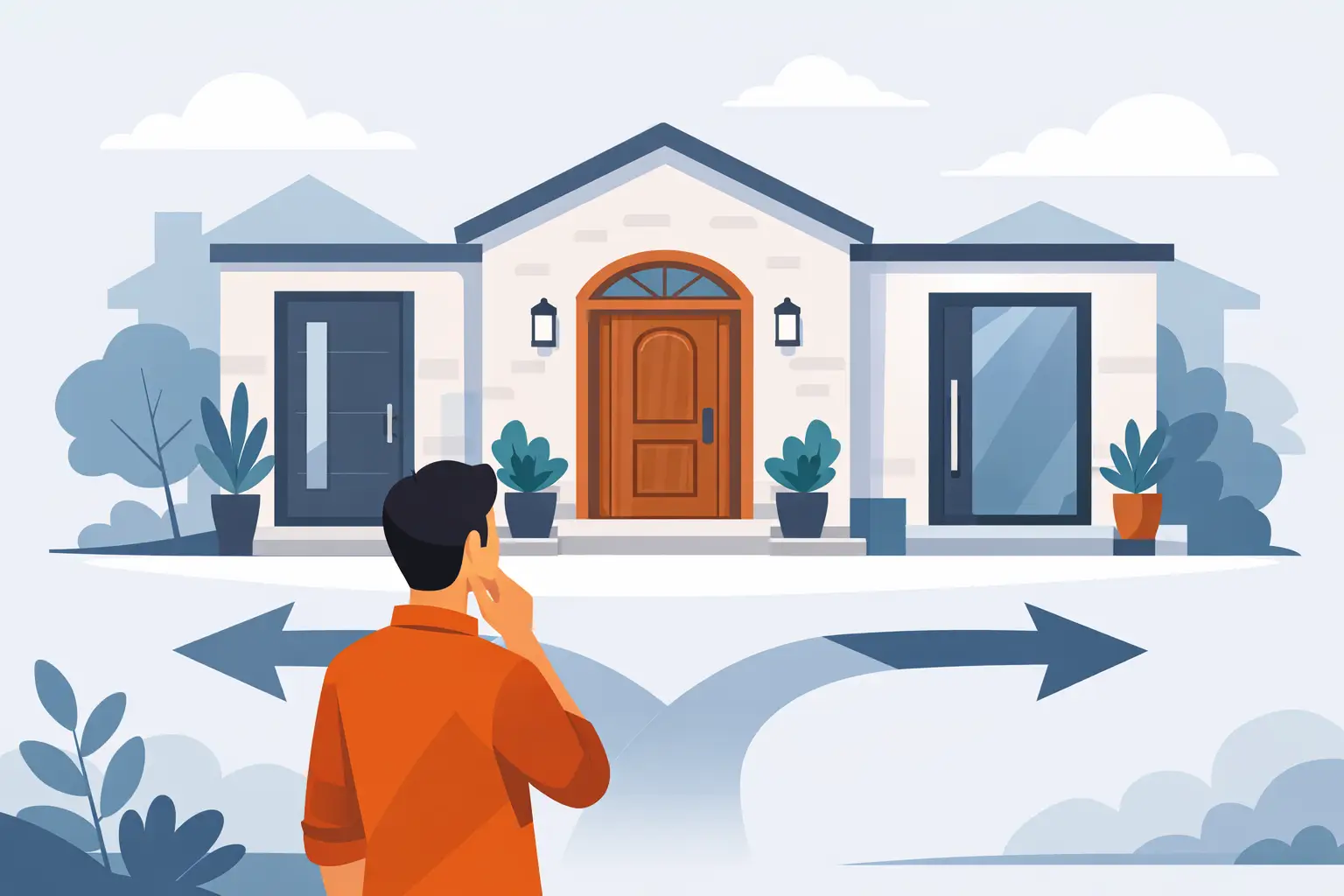
The wrong front door is obvious the moment you see it. It may look undersized against the facade, feel light when it should feel solid, or let down an otherwise well-finished home. If you are working out how to choose entrance doors, the best approach is to look beyond appearance alone and weigh design, durability, security, and installation as one decision.
Your entrance door does more than close off an opening. It shapes first impressions, affects everyday comfort, and has a direct impact on privacy, weather protection, and long-term maintenance. A good choice feels right visually, performs well year after year, and suits the way the property is actually used.
How to choose entrance doors without getting stuck on looks alone
Most buyers start with style, which makes sense. The entrance is one of the first details people notice, and the door often sets the tone for the rest of the home. But the best results come from pairing style with practical requirements from the start.
A slim contemporary door with large glass inserts may be ideal for a modern build with a sheltered porch. That same door may be less suitable for a busy frontage where privacy matters more, or for an exposed site that takes strong sun and driving rain. On the other hand, a classic paneled timber door can add warmth and presence, but it also needs the right finish and ongoing care to keep that look.
This is where many homeowners and renovators lose time. They compare door designs before deciding what the door needs to do. A better order is to define the job first, then narrow the style.
Start with the function of the entry
Before choosing profiles, finishes, or decorative glass, think about how the entrance performs on a day-to-day basis. Is this the main family entry, used constantly with kids, groceries, pets, and deliveries? Is it a formal front door that needs to make a statement? Is it for a light commercial space where durability and access matter more than ornament?
Usage changes what makes sense. A frequently used family entrance usually benefits from a durable surface, quality hardware, and a configuration that allows easy movement in and out. A statement entry may justify a bolder size, premium timber grain, or side panels that create more visual impact. A rental or managed property often calls for a balance of appearance, strength, and low maintenance.
The surrounding architecture should also guide the choice. A door should feel proportionate to the facade, not isolated from it. Material, profile, glazing, and color all need to relate to nearby windows, trim, cladding, brickwork, and roofing tones.
Size, proportion, and entry layout
A door that looks impressive in a showroom can feel out of scale once installed. Width, height, and thickness all affect the finished result, as do side panels, transoms, and the depth of the entry recess. Wider openings can handle more ambitious designs, while smaller facades often benefit from restraint and cleaner detailing.
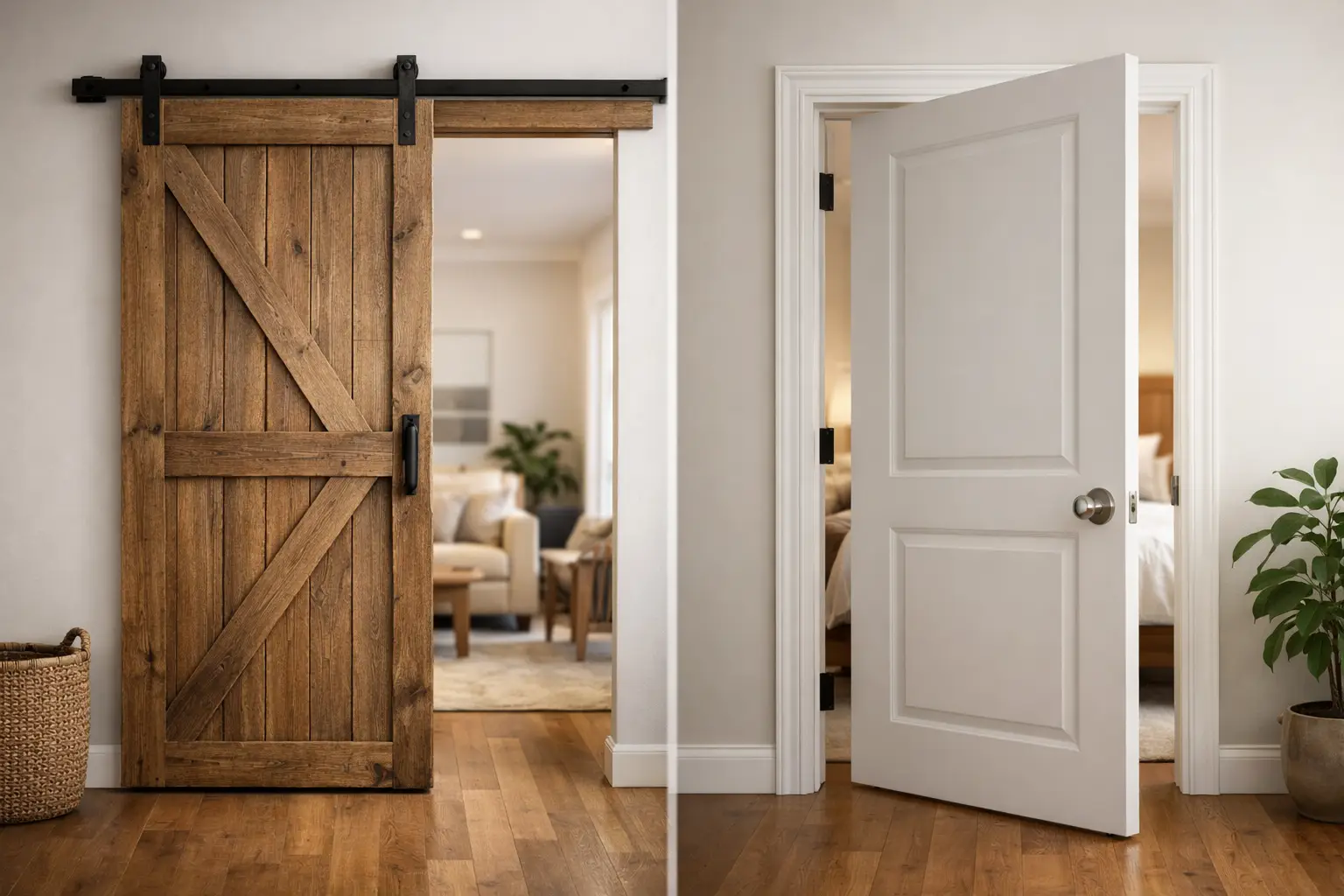
This is also why measurements need to be exact. Choosing the door itself is only part of the job. The frame condition, wall alignment, threshold detail, swing direction, and clearance all affect whether the final installation feels premium or compromised.
Choose the right material for durability and maintenance
Material is one of the biggest decisions when considering how to choose entrance doors, because it affects appearance, stability, maintenance, and price.
Timber remains a favorite for good reason. It offers character, warmth, and a substantial feel that suits both traditional and contemporary homes. Quality timber doors can look exceptional, especially when grain and finish are carefully selected. The trade-off is maintenance. Timber needs proper sealing and periodic care, particularly in exposed conditions.
Fiberglass is often chosen for its stability and lower upkeep. It can be a practical option for homeowners who want a consistent finish and dependable performance with less ongoing maintenance. Steel doors can offer strong security and good value, but the look is usually more limited unless carefully specified, and surface damage can be more noticeable over time.
There is no universal best material. It depends on the home’s design, the local climate, the level of exposure, and how much maintenance you are willing to take on.
Think about Sydney-like conditions, wherever you live
Even in milder regions, entrance doors deal with sun, moisture, heat, and regular wear. If the door faces direct afternoon sun, finish performance becomes more important. If the entry is exposed to weather, material stability and sealing details matter more. If the home is near the coast, hardware and finish selection need extra care.
A beautiful door that is wrong for the site can age quickly. A well-chosen door, properly installed and protected, holds its appearance and performance far better.
Security should feel built in, not added on
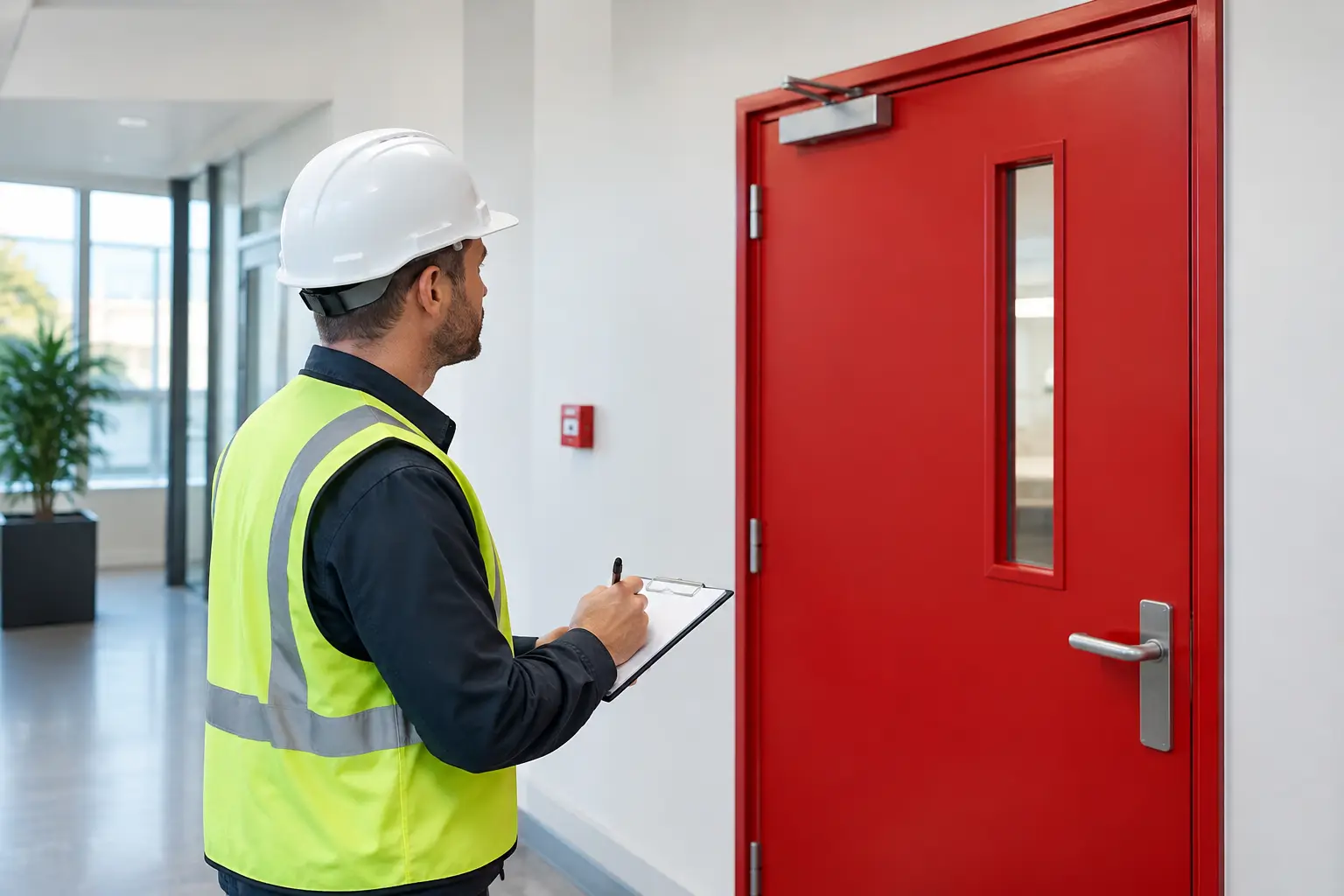
A front door should look refined, but it also needs to feel secure the moment it closes. That comes from more than the lockset alone. Door thickness, core strength, frame quality, hinges, strike plates, and installation accuracy all contribute.
If security is a priority, focus on the complete assembly. A premium lock on a poorly fitted frame will not perform as well as a well-installed door system with solid components throughout. Glazed designs can still work well, but the glass specification and placement should suit the level of privacy and protection you want.
For many homes, the smartest approach is layered performance: a strong door, quality hardware, proper sealing, and glazing that balances natural light with discretion.
Let light in carefully
Glass can completely change the feel of an entrance. It can brighten a dark hallway, make the facade feel more open, and add detail that elevates a simple door design. But glazing needs to be chosen carefully.
Clear glass works well where privacy is not a concern or where the entry is set back from the street. Frosted, textured, or decorative glass can bring in light while limiting visibility. Narrow vertical glass inserts often suit modern designs, while traditional styles may use smaller glazed sections for a more classic look.
The key is to think about what people can see from outside during the day and at night. What looks elegant in a catalog may feel too exposed in real life.
Hardware and finish matter more than people expect
Handles, locks, hinges, and closers are not finishing touches in the casual sense. They influence how the door feels every single day. A heavy entrance door with poor-quality hardware will quickly lose its appeal.
Match hardware style to the architecture, but prioritize reliability. The finish should also coordinate with the wider entry, including exterior lighting, house numbers, and nearby metal details. Small mismatches can make an otherwise expensive installation feel unresolved.
Color and stain deserve the same attention. A bold painted door can add strong curb appeal, but only when it works with the facade. Natural timber finishes showcase craftsmanship beautifully, though they require the right product and preparation to keep them looking their best.
Professional installation is part of the decision
One of the most overlooked parts of how to choose entrance doors is understanding that the product and the installation cannot be separated. Even a well-made door can disappoint if the frame is out, the seals are poor, or the hardware is not set correctly.
A professionally fitted entrance door should open smoothly, close firmly, seal properly, and sit neatly within the opening. Sight lines should be consistent. Gaps should be controlled. The threshold should feel solid underfoot. These details are what create the polished result homeowners and builders are actually paying for.
This is especially important in renovation work, where existing openings are not always square and surrounding finishes may need careful adjustment. Working with a specialist supplier and installer often prevents the common problems that appear when product selection and fitting are handled separately.
How to choose entrance doors for long-term value
Price matters, but value is the better lens. A lower-cost door may look appealing at quote stage, yet become more expensive if it needs earlier replacement, frequent refinishing, or corrective installation work. A better-made door with quality hardware and proper fitting often performs more consistently and lifts the look of the property at the same time.
For homeowners, that means stronger curb appeal and everyday satisfaction. For renovators and builders, it means fewer call-backs and a cleaner finish. For property managers, it means durability and fewer maintenance issues across the life of the asset.
At Meriton Doors, that is why the selection process is treated as more than a catalog decision. The best entrance door is the one that fits the home, performs in real conditions, and is installed with precision.
If you are choosing a new entrance door, aim for the option that still feels right after the excitement of the showroom has passed – the one that suits the house, works hard, and looks properly finished every time you come home.