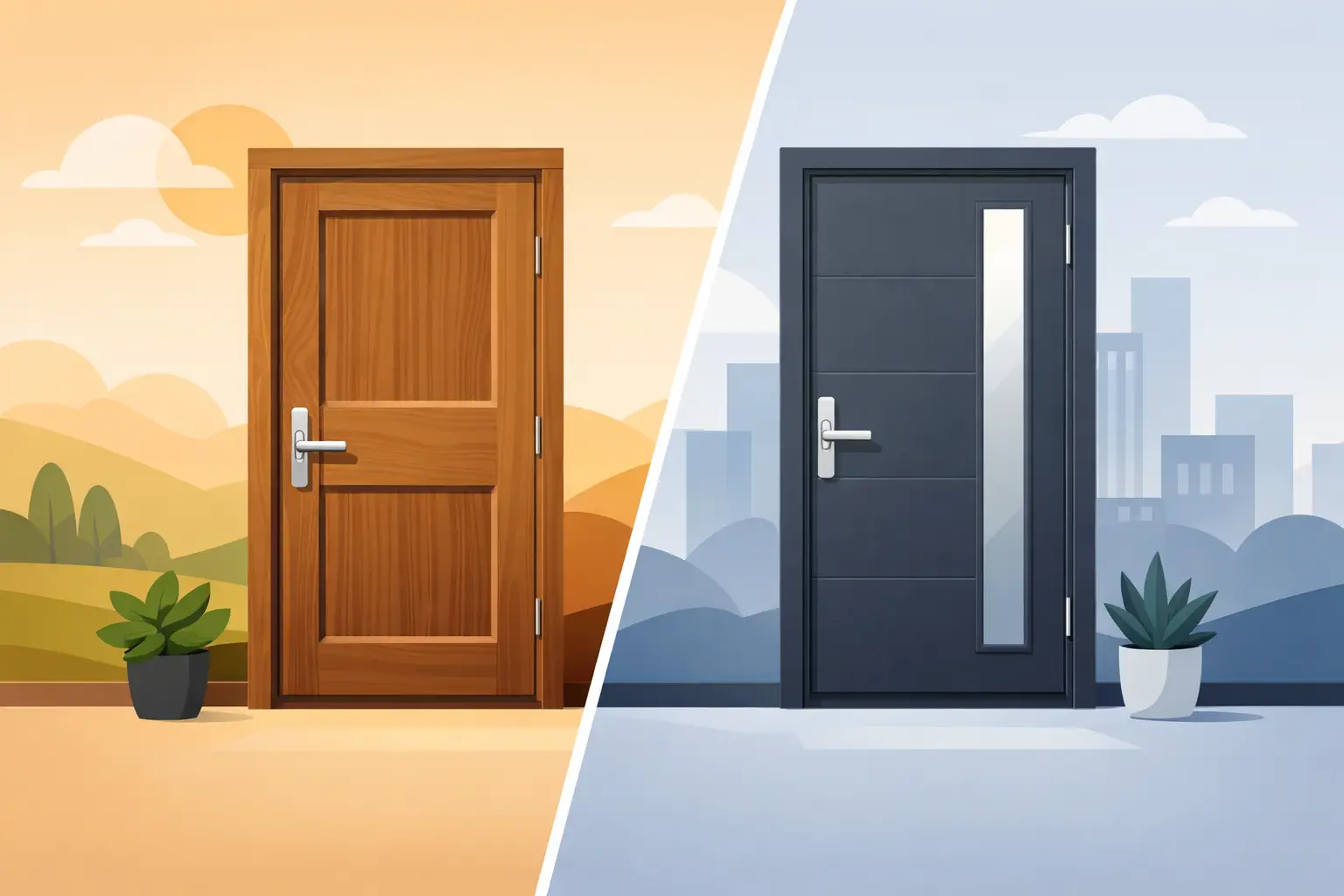
A front door has a hard job. It needs to look right from the street, handle daily use, stand up to weather, and give you confidence every time it closes. When homeowners start comparing timber vs composite doors, the real question is usually simpler: which one will suit the property, the climate, and the level of upkeep you are comfortable with?
Both options can be excellent when they are well made and properly installed. The difference is that they deliver value in different ways. Timber brings natural character and warmth that many homes simply cannot fake. Composite brings consistency, lower maintenance, and strong everyday performance. The better choice depends on what matters most in your project.
Timber vs composite doors at a glance
If appearance is the priority, timber often has the edge. It offers genuine grain, depth, and a crafted finish that works beautifully on period homes, architectural builds, and high-end entryways. No printed surface or molded skin quite replaces the visual appeal of real wood.
If easy ownership is the priority, composite is often the more practical option. It is designed to resist warping, swelling, and surface wear better than many standard timber doors, particularly in exposed locations. For busy households or investment properties, that reduced maintenance can be a major advantage.
That said, broad claims can be misleading. Not all timber doors are equal, and not all composite doors are built to the same standard. Construction quality, sealing, hardware, and installation all matter just as much as the material itself.
How timber doors perform
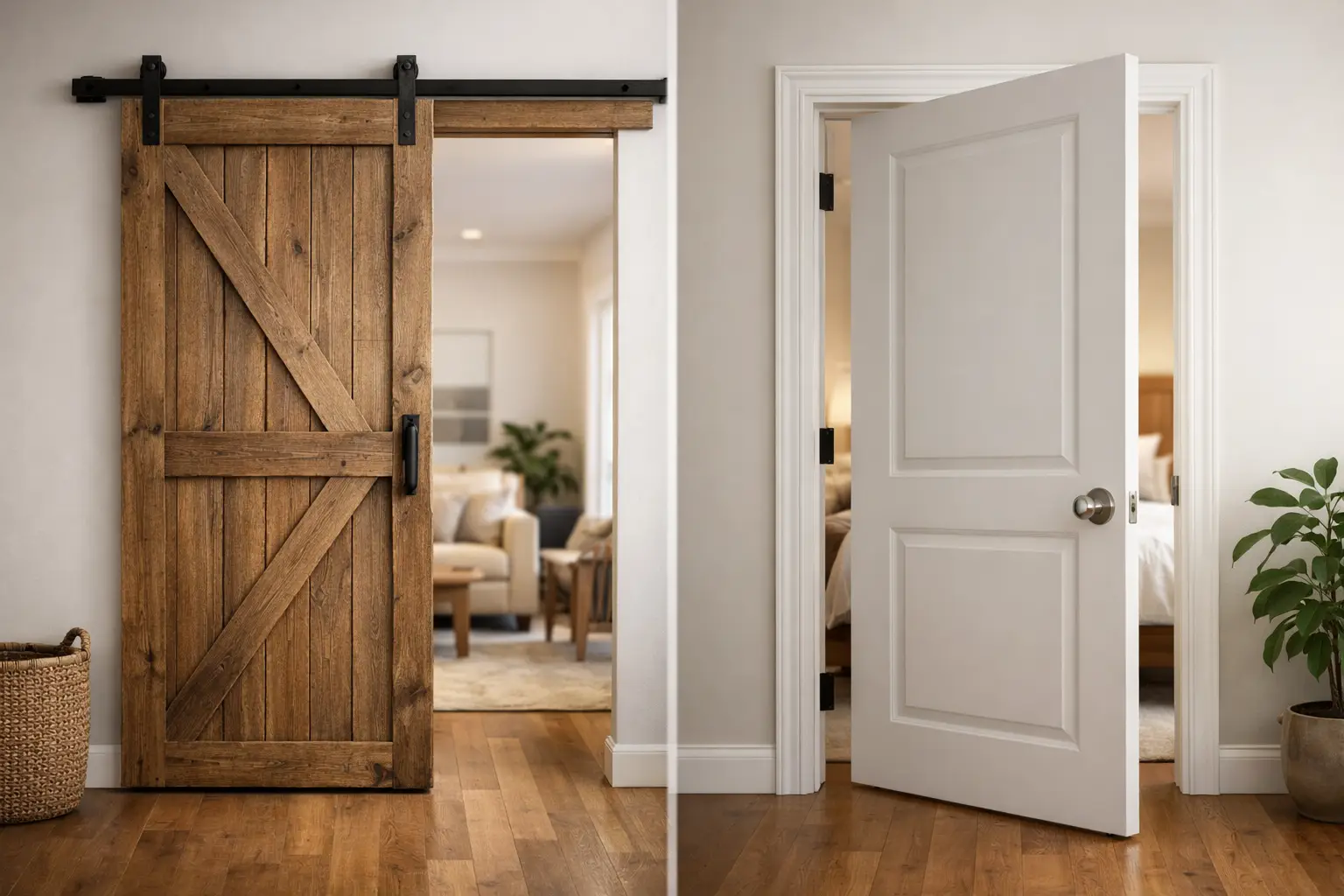
Timber doors remain a preferred choice for homeowners who want authentic material quality and a more refined finish. A well-crafted timber door can create a stronger sense of arrival than almost any other entrance feature. It feels substantial, it can be customized more easily, and it often suits a wider range of home styles.
Another strength is flexibility in design. Timber can be shaped, detailed, stained, or painted to achieve a very specific look. That makes it especially attractive for renovations where the door needs to match heritage details, custom trim profiles, or a carefully chosen facade palette.
Performance-wise, timber can be very strong and durable when the right species and construction method are used. Solid engineered timber doors, in particular, can offer better stability than lower-grade solid slabs. But timber is a natural material, and that comes with movement. Heat, rain, direct sun, and humidity can all affect it over time.
This does not make timber unreliable. It means it needs the right finish, proper sealing on all edges, and expert installation with suitable clearances. When those details are handled correctly, timber doors can perform exceptionally well. When they are neglected, problems such as swelling, sticking, or finish breakdown are more likely.
How composite doors perform
Composite doors are built to solve many of the issues that traditional door materials can face. Rather than relying on one natural material alone, they use a combination of components to improve stability, weather resistance, and thermal performance. That construction is a big part of their appeal.
For many homeowners, the biggest benefit is predictability. A quality composite door is less likely to twist or react dramatically to changing conditions. It can be a strong fit for homes with full sun exposure, regular rain, or households that want a durable front door without committing to periodic refinishing.
Composite also tends to perform well in insulation and general weather sealing when paired with good frames and quality installation. That can help improve comfort around the entry and reduce drafts. From a day-to-day perspective, composite doors are usually easy to clean and simple to keep looking neat.
The trade-off is that some composite designs do not have the same depth and authenticity as real timber. They may look smart, sharp, and well finished, but if you are aiming for a premium natural statement, timber often feels more convincing up close.
Appearance and design impact
For curb appeal, the decision often comes down to whether you want natural character or a more uniform finish. Timber has variation in grain, tone, and texture. That is exactly why many people choose it. It feels individual and crafted rather than manufactured.
Composite usually offers cleaner consistency. Paint finishes can look crisp, modern, and controlled, which suits many contemporary homes. It can also be a practical way to achieve a styled entry without the added care that timber may require.
In higher-end residential projects, timber often wins on visual impact. In streamlined modern builds or lower-maintenance renovations, composite can be a very strong contender. Neither is automatically better looking. The right result depends on the architecture around it.
Maintenance and long-term ownership
This is where timber vs composite doors becomes a very practical conversation. Timber generally asks more from the owner. Painted or stained finishes need to be monitored, especially on doors that face harsh sun or wet conditions. Over time, recoating may be needed to preserve the surface and protect the material beneath.
Composite is usually easier to live with. It does not typically demand the same refinishing cycle, and routine care is often limited to cleaning and occasional checks of seals and hardware. For landlords, busy families, or anyone who wants less upkeep, that can be a deciding factor.
Still, maintenance should be viewed in context. Some homeowners are happy to maintain timber because they value the look enough to justify it. Others would rather trade a little natural character for lower effort over the years. Both positions are reasonable.
Durability in real conditions
Durability is not only about the door leaf. It also depends on exposure, frame quality, thresholds, weather seals, and installation precision. A premium timber door installed properly and protected by a porch or recessed entry may outperform a lower-quality composite door in a harsher position.
Likewise, a well-made composite door can be an excellent solution for exposed entries where moisture and sun are constant concerns. It is often chosen because it offers a more forgiving surface and core construction in demanding conditions.
For homes near the coast or in areas with stronger weather variation, asking how the specific product is built is more useful than relying on category alone. Material type matters, but product quality matters more.
Security and everyday function
Homeowners often assume one material is automatically more secure than the other, but security usually comes down to the complete system. The locking mechanism, frame strength, hinges, glazing details, and installation quality all contribute to real-world performance.
Both timber and composite doors can be specified to a high standard. The key is choosing a door that is solidly built and fitted with precision. A poorly installed premium door will never perform as confidently as a well-installed mid-to-high quality option with the right hardware package.
Function matters too. A good door should close smoothly, seal correctly, and feel stable in use. That kind of confidence is created by workmanship just as much as by the material itself.
Cost and value
Upfront cost can vary significantly depending on style, size, glazing, hardware, and customization. In many cases, timber doors can cost more, especially when premium species, custom profiles, or detailed finishes are involved. Composite can sometimes present a more budget-friendly path to a polished entrance, though premium composite models can also sit at the higher end.
The better value depends on your priorities. If your goal is a standout facade with authentic material appeal, timber may justify the investment. If your goal is strong performance with less ongoing maintenance, composite may offer better long-term convenience for the money.
It also helps to think beyond the door slab alone. Proper measurement, correct fitment, and finishing details affect performance, appearance, and lifespan. Cutting corners at installation stage often costs more later.
Which door suits your property?
Timber is often the right fit for character homes, custom renovations, and homeowners who want a natural, design-led entry feature. It also makes sense when matching existing timber elements such as sidelights, trim, or architectural detailing is important.
Composite often suits modern homes, practical renovations, and properties where low maintenance is a priority. It is also a sensible option for owners who want a strong-looking entrance door with dependable everyday performance and less concern about ongoing refinishing.
For many Sydney-area homeowners, the smartest decision is not choosing the material with the best marketing. It is choosing the one that suits the home’s exposure, the style of the facade, and how you actually want to live with the product. At Meriton Doors, that is often where the best results begin – not with a trend, but with the right door for the space.
A well-chosen door should feel right ten times a day, not just look good on installation day. If you are weighing timber against composite, focus on the finish you want to come home to, the conditions your entry faces, and how much maintenance you are genuinely prepared to take on.